Pain & Emergencies
Tooth Pain and Sensitivity: Causes, Relief and When to See a Dentist
Why teeth hurt or react to hot and cold, the difference between everyday sensitivity and a warning sign, and what treatment usually follows.
10 min read
Specialist-written explanations of every major dental procedure we perform — what the condition is, how it is treated, what recovery looks like and the questions patients ask us most.
Start from a condition, a symptom you are feeling, the procedure you have been advised, or what it is likely to cost.
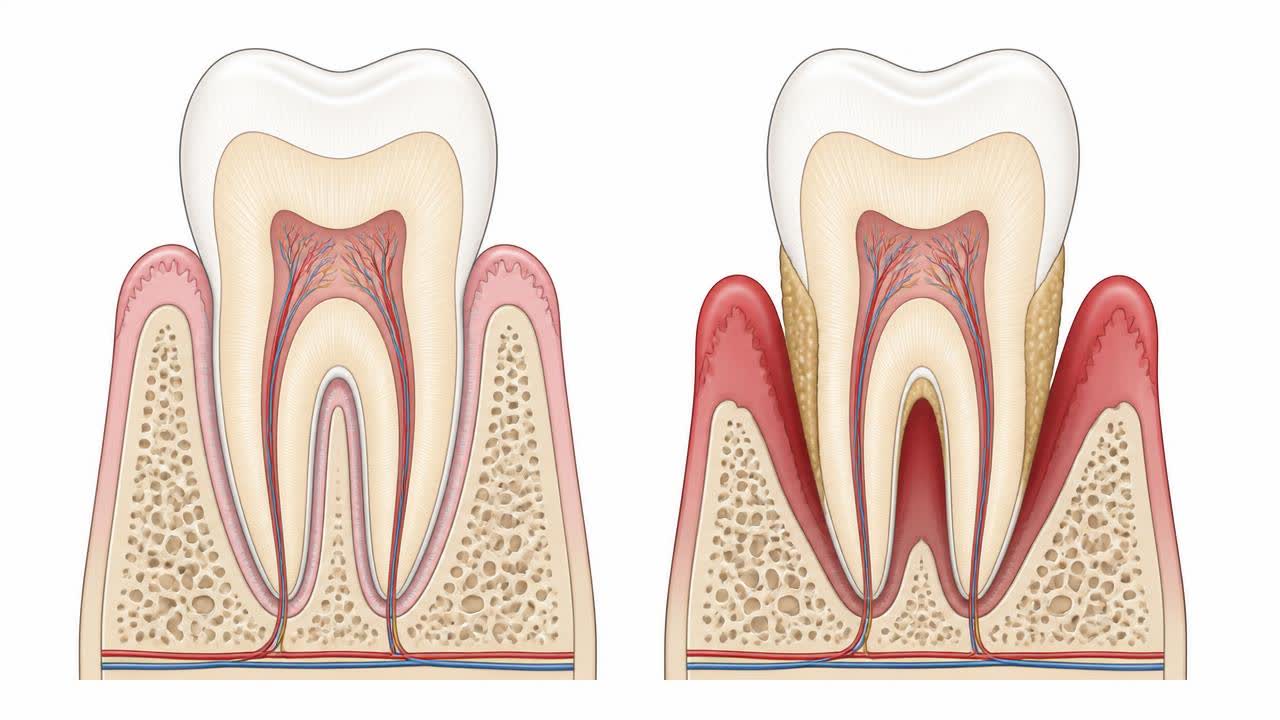
What the condition actually is, how it is diagnosed and what treatment involves — organised by clinical area.
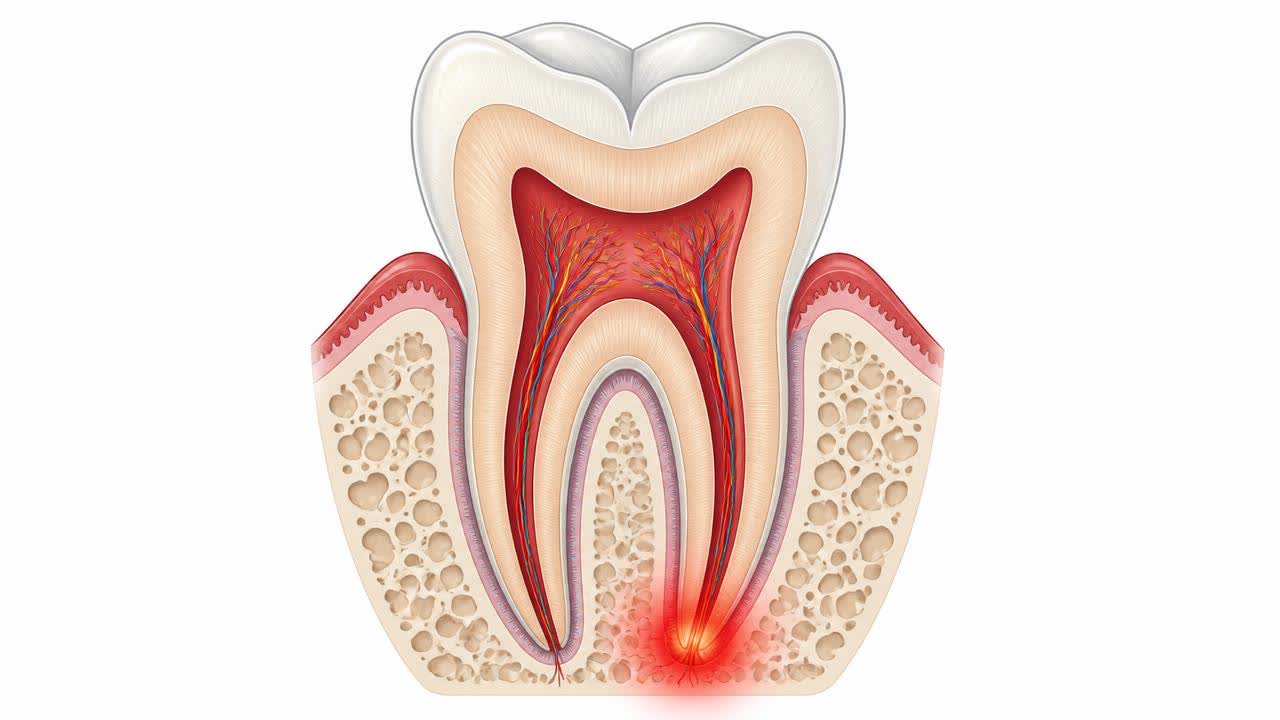
Start from what you are feeling — pain, swelling, bleeding or a loose tooth — and find what it usually means.
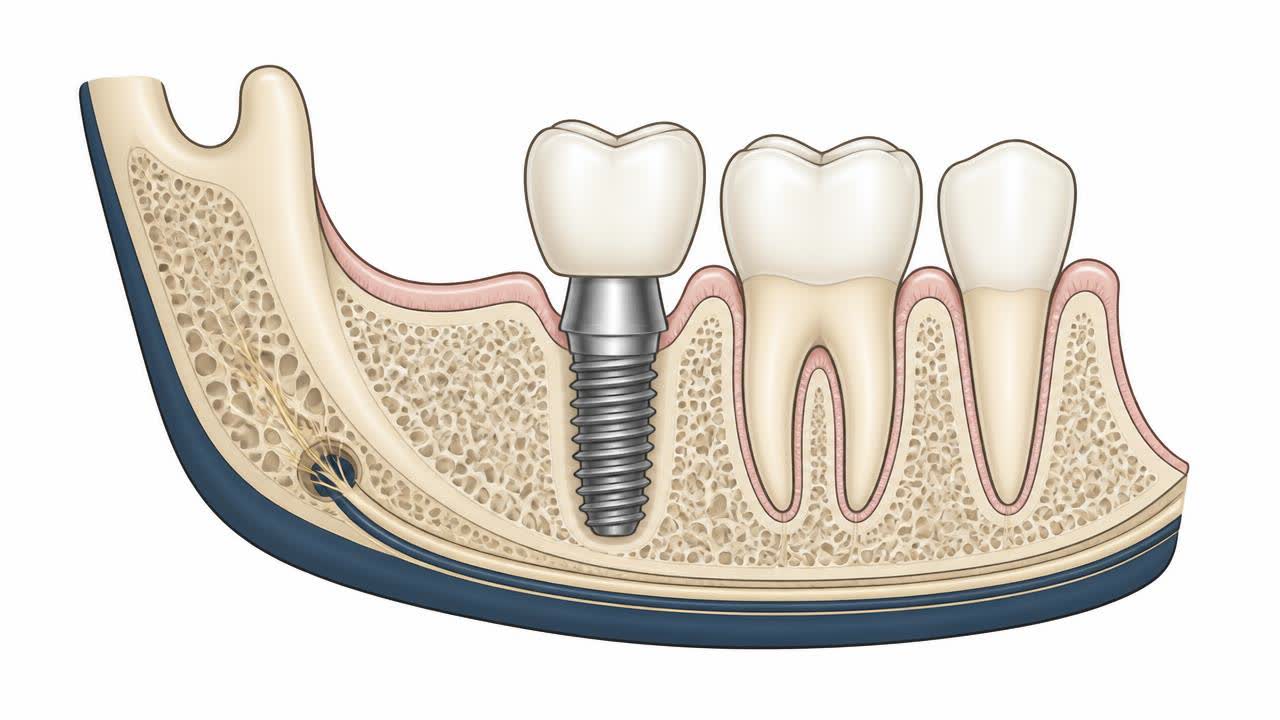
How each procedure is performed here, visit by visit — from a single filling to full-arch rehabilitation.
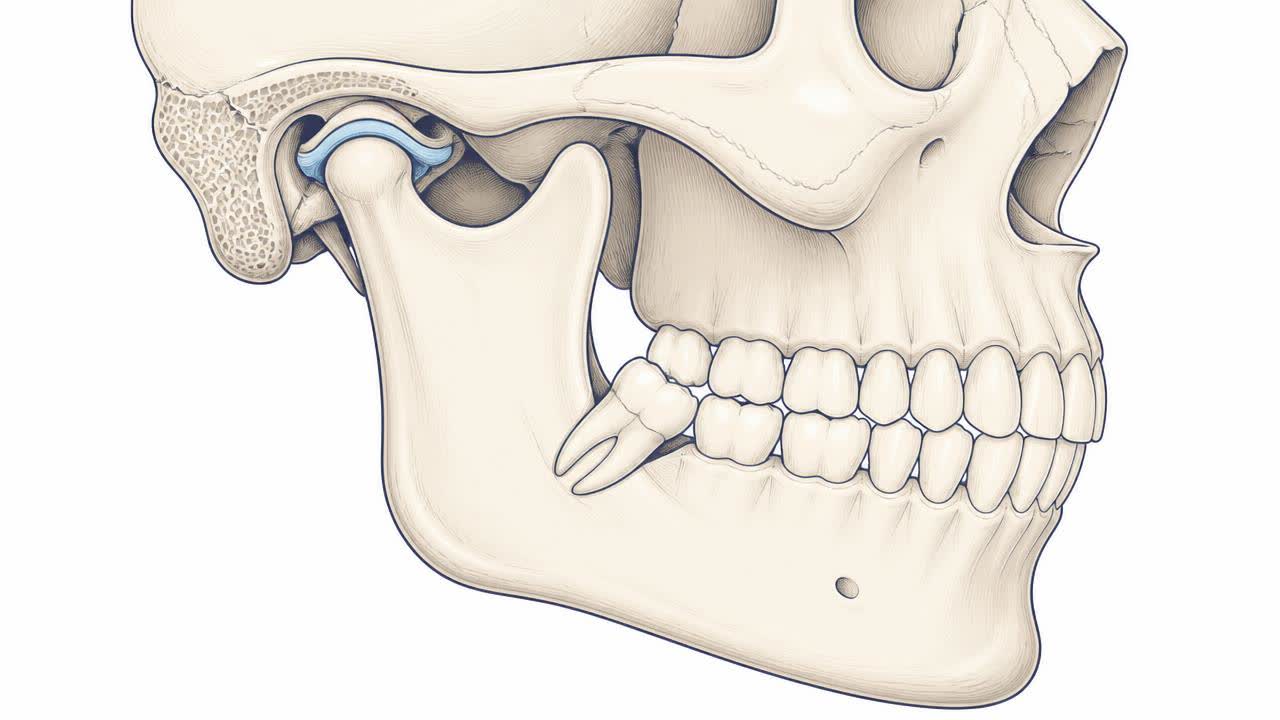
Jaw joint pain, facial and nerve pain, sinus involvement, grinding, sleep and airway, and facial trauma.
What treatment costs in Jaipur, what changes the price, and our published rate list — before you commit.
Every article and clinical term in one alphabetical index, plus how each guide is written and reviewed.
Every guide is reviewed by the consultant leading that department — 6 specialists in all. Last reviewed 3 September 2026.
How we reviewReading is not a diagnosis. Our specialists can examine you and give you a written plan.
Book a consultationWhy teeth hurt or react to hot and cold, the difference between everyday sensitivity and a warning sign, and what treatment usually follows.
What bleeding gums usually mean, how gingivitis progresses into periodontal disease, and the treatment path from scaling to gum surgery.
Why wisdom teeth cause pain and swelling, what impaction means, and how to decide between monitoring and surgical removal.
What happens if a missing tooth is left unreplaced, and how dentures, bridges and implants compare on comfort, longevity and bone health.
How crowns and bridges restore damaged or missing teeth, the materials used, and what the process and aftercare involve.
Why teeth discolour over time, the difference between surface stains and deeper discolouration, and how professional whitening compares with home options.
How titanium implants replace missing teeth, who qualifies, the step-by-step timeline and how long they last.
Why a tooth needs root canal therapy, what happens during single-sitting endodontics, and why crowns follow.
How to identify a genuine dental emergency, what to do in the first hour, and when to call the hospital immediately.
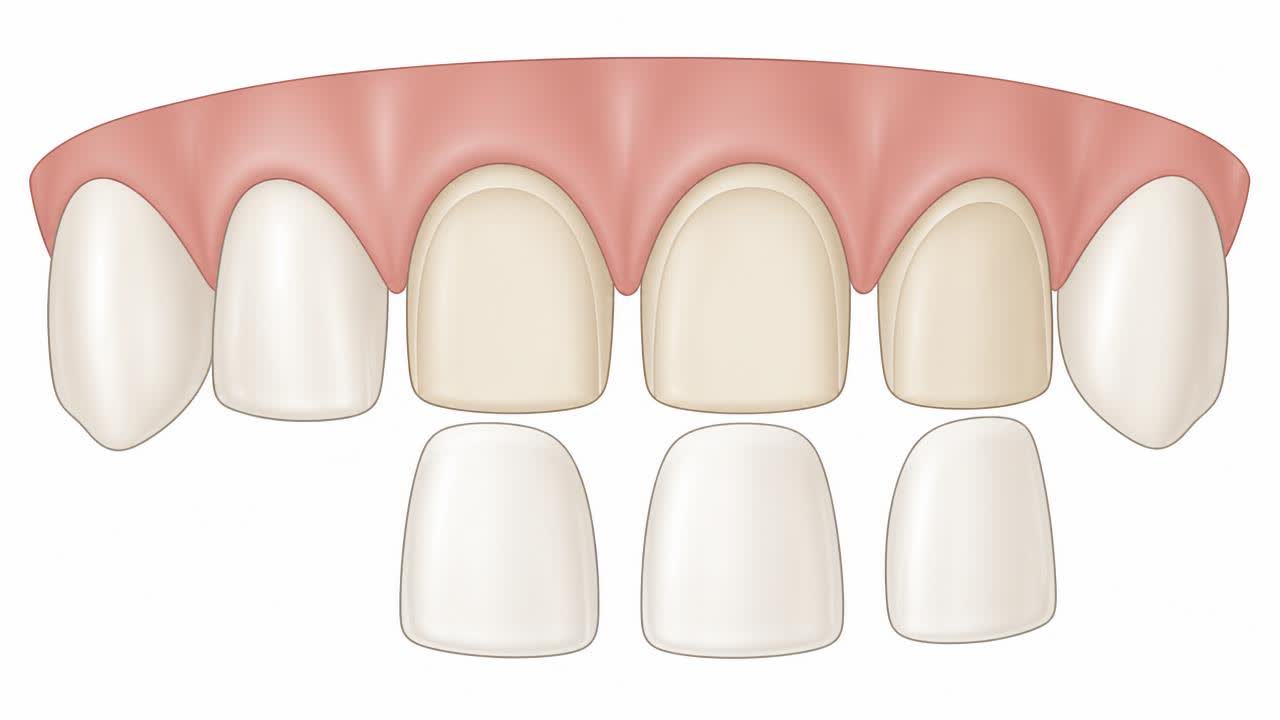
How veneers, bonding, whitening and gum contouring are combined into one planned cosmetic outcome.
In-office versus home whitening, realistic expectations, sensitivity management and what whitening cannot fix.
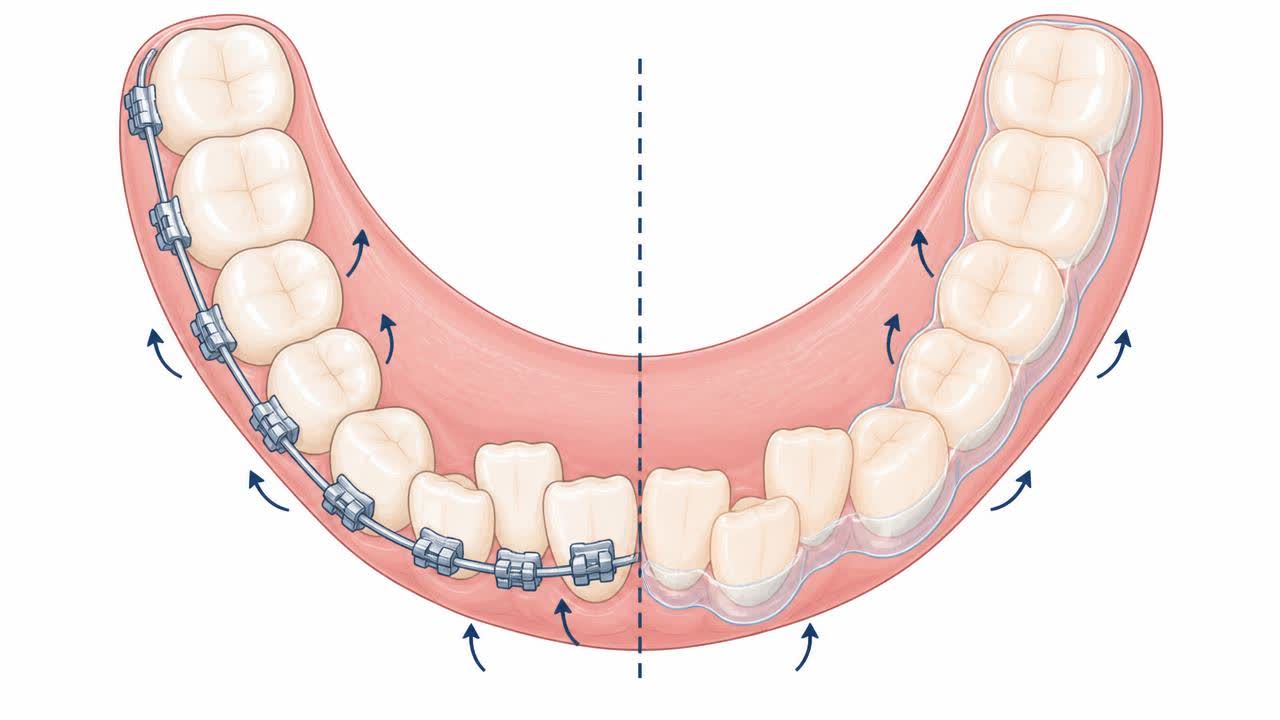
Metal, ceramic and clear aligner treatment compared, duration, visibility, cost and suitability.
From reversible gingivitis to periodontitis, the warning signs, staged treatment and the link to overall health.
The routine that prevents most dental disease: brushing technique, interdental cleaning, diet and recall visits.
First visit timing, fluoride and sealants, why milk teeth matter, and managing dental anxiety in children.
When third molars need removal, what impaction means, and what recovery realistically looks like.
Corrective jaw surgery, temporomandibular joint pain and management of facial injuries by a maxillofacial team.
Rebuilding a worn, collapsed or heavily damaged dentition with a sequenced, whole-mouth treatment plan.
Understanding reversible vs irreversible pulpitis is essential when managing dental pain. This guide explains their anatomical causes, diagnostic criteria, clinical symptoms, and evidence-based treatments ranging from conservative restorations to root canal therapy and emergency care.
A dental abscess is a localised collection of pus caused by bacterial infection. Distinguishing between a tooth abscess (periapical) and a gum abscess (periodontal) is vital, as their anatomical origins, clinical presentations, diagnostic pathways, and definitive treatments differ fundamentally.
This library is intended for general education. It does not replace an in-person clinical examination, radiographs or a diagnosis by a qualified dentist. If you have pain, swelling or an injury, please contact the hospital directly.