At a glance
- Wisdom teeth, the third molars at the very back of the mouth, are usually the last teeth to try to erupt, typically between the late teens and mid-twenties.
- Recurrent swelling and tenderness at the back of the jaw, pain that spreads towards the ear, an unpleasant taste or smell from the area, and difficulty opening the mouth fully are all typical signs of an inflamed wisdom tooth, a…
- Not every wisdom tooth needs to come out.
- Removal is usually advised when a wisdom tooth is repeatedly infected or painful, is impacted in a position that cannot be cleaned properly, is causing decay or damage to the neighbouring tooth, is associated with a cyst forming…
- Some swelling, mild bruising and jaw stiffness in the first two to three days are normal and settle progressively over the following week.
Why wisdom teeth cause trouble
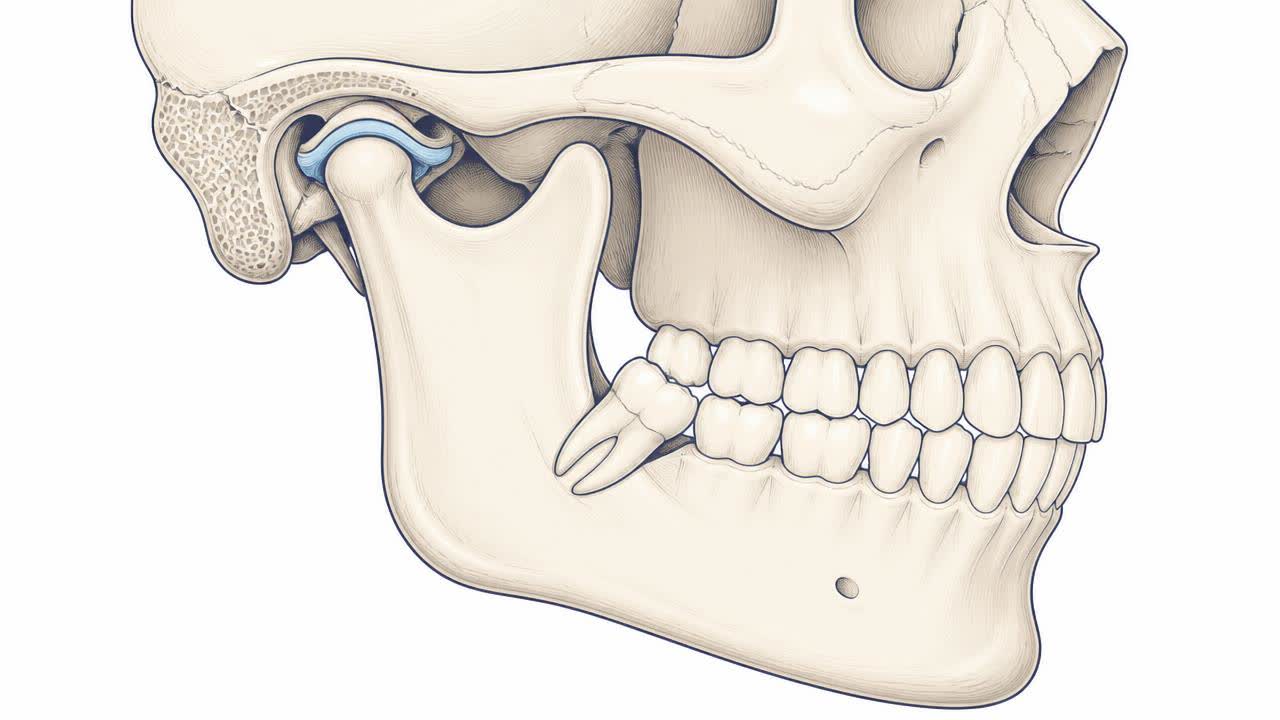
Wisdom teeth, the third molars at the very back of the mouth, are usually the last teeth to try to erupt, typically between the late teens and mid-twenties. By the time they arrive, there is often not enough space left in the jaw to accommodate them fully, since the rest of the teeth have already settled into position. This lack of space is the root cause of most wisdom tooth problems.
When a wisdom tooth cannot erupt into a normal, functional position, it is described as impacted, meaning it is angled against the neighbouring tooth, trapped under the gum, or only partially through the gum surface. A partially erupted tooth creates a flap of gum tissue over part of the crown, which traps food debris and bacteria underneath, an area that is extremely difficult to clean with a normal toothbrush.
Common symptoms
Recurrent swelling and tenderness at the back of the jaw, pain that spreads towards the ear, an unpleasant taste or smell from the area, and difficulty opening the mouth fully are all typical signs of an inflamed wisdom tooth, a condition called pericoronitis when the overlying gum flap becomes infected. Pain often flares periodically, settling for weeks before returning, particularly when the immune system is run down or after eating something that gets trapped under the gum flap.
A wisdom tooth growing at an angle can also push against the neighbouring second molar, sometimes causing decay or pressure on that tooth's root, or crowding lower front teeth over time, although this specific link to crowding is debated and not the main reason removal is recommended.
When monitoring is enough
Not every wisdom tooth needs to come out. A wisdom tooth that is fully erupted, sitting in a useful position, and easy to keep clean can often be left in place and simply monitored with periodic X-rays. Many people go through life without ever needing their wisdom teeth removed.
The decision to monitor rather than remove is based on the tooth's position, how easily it can be cleaned, whether it is causing any symptoms, and what an X-ray shows about its relationship to nearby nerves and the second molar.
When removal is recommended
Removal is usually advised when a wisdom tooth is repeatedly infected or painful, is impacted in a position that cannot be cleaned properly, is causing decay or damage to the neighbouring tooth, is associated with a cyst forming around the crown, or is in the way of planned orthodontic or prosthetic treatment nearby.
A panoramic X-ray or, for more complex cases, a cone-beam CT scan is used beforehand to map the tooth's exact position relative to the nerve that supplies sensation to the lower lip and chin, allowing the surgical approach to be planned precisely and the relevant risks explained clearly in advance.
The procedure itself is carried out under local anaesthesia, sometimes with sedation for anxious patients, and duration depends on how deeply impacted the tooth is, ranging from a straightforward few minutes for an erupted tooth to a more involved surgical extraction for a deeply impacted one.
Recovery after wisdom tooth removal
Some swelling, mild bruising and jaw stiffness in the first two to three days are normal and settle progressively over the following week. Cold compresses on the outside of the face during the first day, a soft diet, and avoiding vigorous rinsing or using a straw for the first twenty-four hours all help the healing socket settle undisturbed.
Most people return to normal activities within a few days, though a full return to normal chewing on that side can take a little longer for more deeply impacted teeth. Following the specific aftercare instructions given after surgery is the best way to avoid complications such as a dry socket.
Questions patients ask us
- Do all wisdom teeth need to be removed?
- No. A wisdom tooth that is fully erupted, positioned normally and easy to clean can often be left alone and simply monitored. Removal is recommended mainly when a tooth is causing pain, infection, decay or damage to a neighbouring tooth.
- Is wisdom tooth removal painful?
- The procedure is done under local anaesthesia and is not painful during the surgery itself. Some soreness and swelling for a few days afterwards is normal and is managed well with routine painkillers and simple aftercare.
- What is pericoronitis?
- Pericoronitis is inflammation and infection of the gum flap covering a partially erupted wisdom tooth. It causes swelling, pain and sometimes difficulty opening the mouth, and often recurs until the flap or the tooth itself is dealt with.
- How long is recovery after wisdom tooth surgery?
- Most people feel considerably better within three to five days and are back to normal activities soon after. Deeper surgical extractions can take a little longer for full comfort to return.
Sources and further reading
Guidance from professional and public health bodies. Clinical decisions here are made on your own examination and radiographs.
- 1.Clinical parameters of care and patient information — American Association of Oral and Maxillofacial Surgeons
- 2.Guidance on the extraction of wisdom teeth — NICE (UK)
- 3.Oral cancer — risk factors, early detection and prevention — World Health Organization
- 4.Policy statements and oral health definitions — FDI World Dental Federation
- 5.Dental health — conditions, treatments and patient guidance — NHS (UK)
- 6.Systematic reviews of oral and dental interventions — Cochrane Oral Health
- 7.Regulatory framework and dental education standards in India — Dental Council of India
When to see us
Get examined without waiting if any of the following applies to you:
- Swelling that spreads, restricts mouth opening or affects swallowing or breathing
- Numbness, altered sensation, or bleeding that will not stop after surgery
- Jaw locking, an ulcer or lump lasting more than two weeks, or a white or red patch that does not heal
Get a written plan and cost before you commit
If this is what you are dealing with, the next step is a consultation with radiographs — surgery & jaw cases are seen by the specialist who handles that field. You get a written plan and staged cost before anything begins.
reception@dramitsharmahospital.comThis article is general education and does not replace an in-person examination, radiographs or a diagnosis by a qualified dentist.
Clinical terms in this article
Related in Surgery & Jaw
Wisdom Teeth and Impactions
When third molars need removal, what impaction means, and what recovery realistically looks like.
Jaw Surgery, TMJ Disorders and Facial Trauma
Corrective jaw surgery, temporomandibular joint pain and management of facial injuries by a maxillofacial team.
Laser Periodontal Therapy Procedure Benefits and Recovery
Laser periodontal therapy, including the LANAP protocol, uses targeted wavelength lasers to treat moderate-to-severe periodontitis. This guide covers biological mechanisms, procedural stages, recovery guidelines, evidence-based outcomes, and long-term periodontal maintenance strategies.
Connective Tissue Graft Surgery for Receding Gums
Connective tissue gum graft surgery repairs severe gingival recession by transplanting donor tissue beneath receded gums. This evidence-based guide explains surgical techniques, anatomical principles, recovery timelines, clinical classifications, risks, and postoperative maintenance for optimal root coverage.
Free Gingival Graft Procedure to Thicken Gums
A free gingival graft is a proven periodontal surgical procedure designed to augment thin or deficient attached gum tissue. This comprehensive guide covers anatomical indications, surgical steps, donor and recipient healing phases, complications, and evidence-based post-operative recovery protocols.
Pinhole Surgical Technique for Gum Recession Correction
This comprehensive clinical guide explains the pinhole surgical technique for gum recession correction, detailing the biological mechanism, diagnostic staging, procedural steps, recovery timeline, potential complications, and long-term preventative care for optimal periodontal health.