At a glance
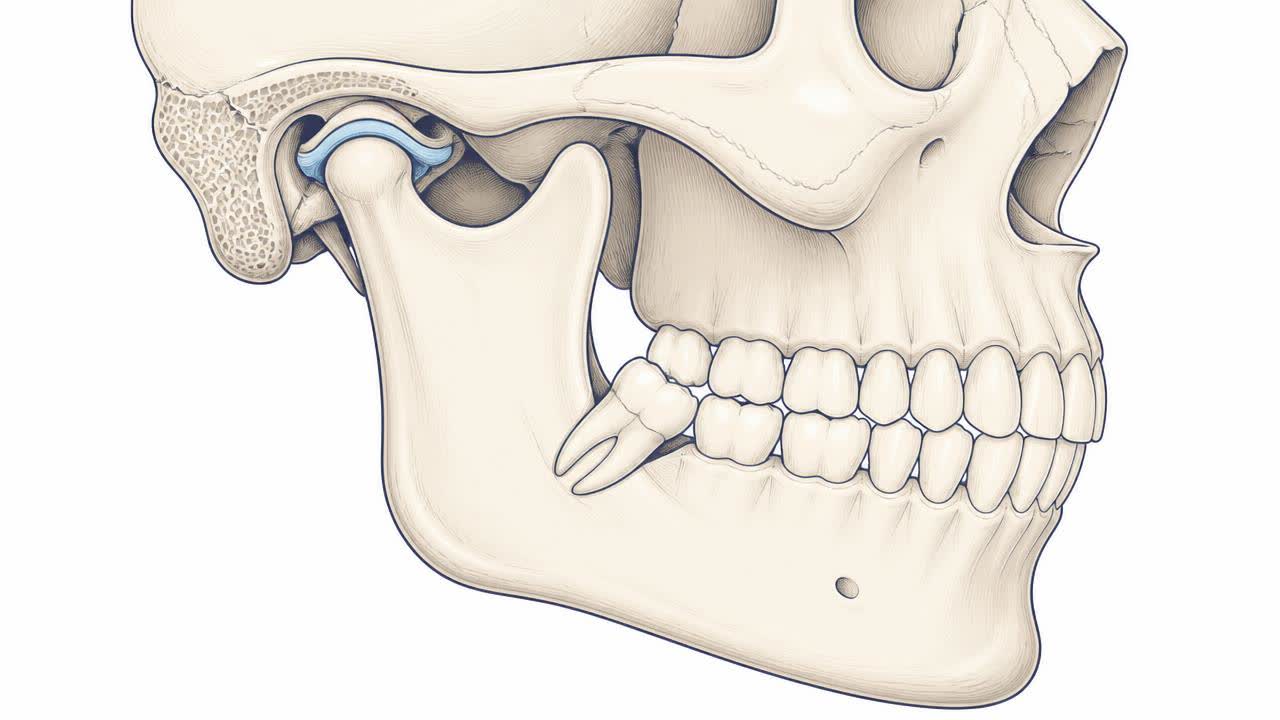
- An impacted wisdom tooth is one that cannot fully erupt into a normal, functional position because there is insufficient space at the back of the jaw, or because it is angled against the neighbouring tooth.
- Recurrent pericoronitis, a gum infection over a partly erupted tooth causing pain and swelling, decay in the wisdom tooth or in the molar immediately in front of it, cyst formation around an impacted tooth, persistent pain, or…
- A cone-beam CT scan shows the precise relationship of the wisdom tooth roots to the inferior alveolar nerve in the lower jaw or the maxillary sinus in the upper jaw, allowing the surgical approach to be planned with confidence…
- Swelling typically peaks around forty-eight hours after surgery and settles gradually over three to five days.
- Dry socket, where the healing blood clot is dislodged prematurely, causing delayed and painful healing, is the most common complication and is reduced significantly by following aftercare instructions closely, particularly…
What impaction means
An impacted wisdom tooth is one that cannot fully erupt into a normal, functional position because there is insufficient space at the back of the jaw, or because it is angled against the neighbouring tooth. Impaction can be partial, with part of the tooth visible through the gum, or complete, with the tooth entirely covered by gum and bone.
When removal is indicated
Recurrent pericoronitis, a gum infection over a partly erupted tooth causing pain and swelling, decay in the wisdom tooth or in the molar immediately in front of it, cyst formation around an impacted tooth, persistent pain, or crowding pressure on neighbouring teeth are the usual indications for removal.
An asymptomatic wisdom tooth that is fully erupted, correctly positioned and easy to keep clean may simply be monitored with periodic review rather than removed, since surgery is only recommended where a clear benefit outweighs the procedure itself.
The procedure
A cone-beam CT scan shows the precise relationship of the wisdom tooth roots to the inferior alveolar nerve in the lower jaw or the maxillary sinus in the upper jaw, allowing the surgical approach to be planned with confidence beforehand. Removal is carried out under local anaesthesia, with sedation available for anxious patients or more complex cases.
Most surgical extractions take twenty to forty minutes per tooth. The gum may need a small incision and, occasionally, removal of a small amount of surrounding bone to allow the tooth to be delivered safely, particularly when it is angled or fully buried.
Possible complications and how they are minimised
Dry socket, where the healing blood clot is dislodged prematurely, causing delayed and painful healing, is the most common complication and is reduced significantly by following aftercare instructions closely, particularly avoiding suction actions such as smoking or straw use.
Temporary altered sensation of the lip, chin or tongue can occur where the tooth roots lie very close to a nerve, though this is uncommon with careful pre-surgical planning using three-dimensional imaging and usually resolves over weeks to months when it does occur.
Recovery
Swelling typically peaks around forty-eight hours after surgery and settles gradually over three to five days. Cold compresses applied intermittently on the first day, a soft diet for the first few days, taking prescribed medication as directed, and avoiding smoking or drinking through a straw all help protect the healing blood clot in the socket.
Sutures, where placed, are usually reviewed and removed after about a week if they are not the dissolvable type. Most people return to normal work or study within two to four days, though full soft tissue healing takes several weeks.
Questions patients ask us
- Will removal affect my other teeth?
- No. A properly planned extraction does not weaken adjacent teeth; leaving a decayed or infected impacted wisdom tooth in place often does affect the tooth in front of it over time.
- Do all four wisdom teeth need to come out together?
- Not necessarily. Some patients have only one or two problematic wisdom teeth removed while healthy, well-positioned ones are monitored, though removing several together under one sedation session is common for convenience.
- How painful is recovery really?
- Discomfort is generally well controlled with prescribed pain relief and peaks in the first two days. Most patients describe it as manageable rather than severe when aftercare instructions are followed.
Sources and further reading
Guidance from professional and public health bodies. Clinical decisions here are made on your own examination and radiographs.
- 1.Clinical parameters of care and patient information — American Association of Oral and Maxillofacial Surgeons
- 2.Guidance on the extraction of wisdom teeth — NICE (UK)
- 3.Oral cancer — risk factors, early detection and prevention — World Health Organization
- 4.Policy statements and oral health definitions — FDI World Dental Federation
- 5.Dental health — conditions, treatments and patient guidance — NHS (UK)
- 6.Systematic reviews of oral and dental interventions — Cochrane Oral Health
- 7.Regulatory framework and dental education standards in India — Dental Council of India
When to see us
Get examined without waiting if any of the following applies to you:
- Swelling that spreads, restricts mouth opening or affects swallowing or breathing
- Numbness, altered sensation, or bleeding that will not stop after surgery
- Jaw locking, an ulcer or lump lasting more than two weeks, or a white or red patch that does not heal
Get a written plan and cost before you commit
If this is what you are dealing with, the next step is a consultation with radiographs — surgery & jaw cases are seen by the specialist who handles that field. You get a written plan and staged cost before anything begins.
reception@dramitsharmahospital.comThis article is general education and does not replace an in-person examination, radiographs or a diagnosis by a qualified dentist.
Clinical terms in this article
Related in Surgery & Jaw
Wisdom Tooth Problems: Symptoms, Impaction and When Removal Is Needed
Why wisdom teeth cause pain and swelling, what impaction means, and how to decide between monitoring and surgical removal.
Jaw Surgery, TMJ Disorders and Facial Trauma
Corrective jaw surgery, temporomandibular joint pain and management of facial injuries by a maxillofacial team.
Laser Periodontal Therapy Procedure Benefits and Recovery
Laser periodontal therapy, including the LANAP protocol, uses targeted wavelength lasers to treat moderate-to-severe periodontitis. This guide covers biological mechanisms, procedural stages, recovery guidelines, evidence-based outcomes, and long-term periodontal maintenance strategies.
Connective Tissue Graft Surgery for Receding Gums
Connective tissue gum graft surgery repairs severe gingival recession by transplanting donor tissue beneath receded gums. This evidence-based guide explains surgical techniques, anatomical principles, recovery timelines, clinical classifications, risks, and postoperative maintenance for optimal root coverage.
Free Gingival Graft Procedure to Thicken Gums
A free gingival graft is a proven periodontal surgical procedure designed to augment thin or deficient attached gum tissue. This comprehensive guide covers anatomical indications, surgical steps, donor and recipient healing phases, complications, and evidence-based post-operative recovery protocols.
Pinhole Surgical Technique for Gum Recession Correction
This comprehensive clinical guide explains the pinhole surgical technique for gum recession correction, detailing the biological mechanism, diagnostic staging, procedural steps, recovery timeline, potential complications, and long-term preventative care for optimal periodontal health.