At a glance
- When the upper and lower jaws are skeletally mismatched in size or position, braces alone cannot fully correct the bite because the underlying bony framework, not just the teeth, is misaligned.
- Clicking or popping sounds from the jaw joint, restricted mouth opening, morning jaw stiffness, and pain near the ear that can radiate to the temple or neck are common presentations of temporomandibular joint dysfunction.
- Fractures of the jaw, cheekbone or bones around the eye socket following accidents, falls or sporting injuries require accurate surgical reduction and internal fixation, usually with small titanium plates and screws, to restore…
- Complex jaw and facial cases are managed by a team that may include the maxillofacial surgeon, orthodontist, general dentist and, where needed, an ENT specialist or physiotherapist, ensuring that functional, aesthetic and…
Orthognathic (corrective jaw) surgery
When the upper and lower jaws are skeletally mismatched in size or position, braces alone cannot fully correct the bite because the underlying bony framework, not just the teeth, is misaligned. Orthognathic surgery repositions one or both jaws to restore a functional bite, improve breathing where airway is affected, and bring facial proportions into balance.
Treatment is planned jointly between the orthodontist and the maxillofacial surgeon, typically involving a phase of braces before surgery to align the teeth within each jaw, the surgical procedure itself under general anaesthesia, and a further phase of braces afterwards to fine-tune the final bite.
TMJ disorders
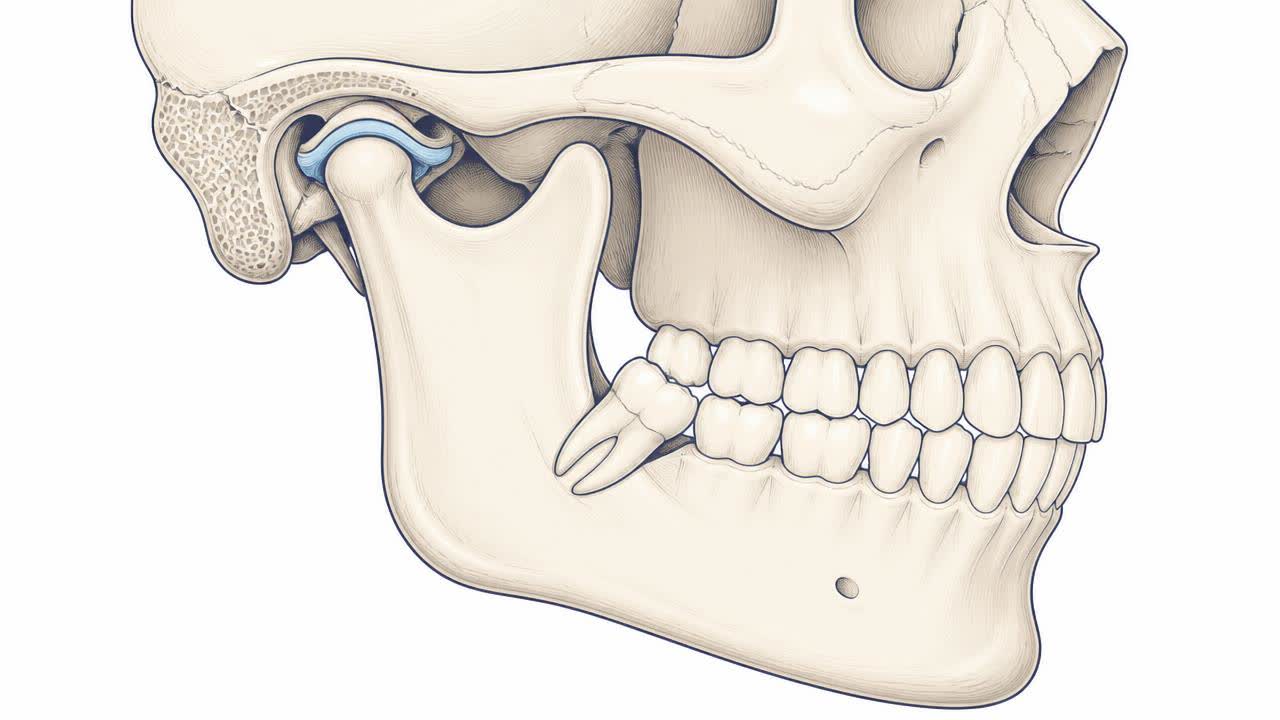
Clicking or popping sounds from the jaw joint, restricted mouth opening, morning jaw stiffness, and pain near the ear that can radiate to the temple or neck are common presentations of temporomandibular joint dysfunction. Stress-related clenching and grinding are frequent contributing factors.
Most cases respond well to conservative, non-surgical care: a custom occlusal splint worn typically at night to reduce joint loading, physiotherapy exercises for the jaw muscles, management of clenching or grinding habits, and correction of any bite discrepancy contributing to the strain. Arthrocentesis, a minor joint-flushing procedure, or open joint surgery is reserved for a small minority of cases that do not settle with conservative measures.
Facial trauma
Fractures of the jaw, cheekbone or bones around the eye socket following accidents, falls or sporting injuries require accurate surgical reduction and internal fixation, usually with small titanium plates and screws, to restore both a functioning bite and the natural contour of the face.
Early treatment, ideally within the first few days of injury, generally gives the best functional and aesthetic outcome, since swelling, scar tissue and bone healing in a displaced position all make later correction more difficult.
The multidisciplinary approach
Complex jaw and facial cases are managed by a team that may include the maxillofacial surgeon, orthodontist, general dentist and, where needed, an ENT specialist or physiotherapist, ensuring that functional, aesthetic and long-term dental health considerations are all addressed together rather than in isolation.
Questions patients ask us
- Is jaw surgery only cosmetic?
- No. It primarily corrects chewing function, speech and, in some cases, airway obstruction during sleep; the resulting change in facial profile is a welcome consequence rather than the sole aim of the procedure.
- How long is recovery after jaw surgery?
- Initial swelling and a soft diet phase typically last two to three weeks, with full bone healing taking several months, during which orthodontic fine-tuning of the bite continues.
- Can TMJ pain go away without surgery?
- Yes, the majority of TMJ disorders improve substantially or resolve with conservative measures such as a splint, physiotherapy and habit management, without ever requiring surgical intervention.
Sources and further reading
Guidance from professional and public health bodies. Clinical decisions here are made on your own examination and radiographs.
- 1.Clinical parameters of care and patient information — American Association of Oral and Maxillofacial Surgeons
- 2.Guidance on the extraction of wisdom teeth — NICE (UK)
- 3.Oral cancer — risk factors, early detection and prevention — World Health Organization
- 4.Policy statements and oral health definitions — FDI World Dental Federation
- 5.Dental health — conditions, treatments and patient guidance — NHS (UK)
- 6.Systematic reviews of oral and dental interventions — Cochrane Oral Health
- 7.Regulatory framework and dental education standards in India — Dental Council of India
When to see us
Get examined without waiting if any of the following applies to you:
- Swelling that spreads, restricts mouth opening or affects swallowing or breathing
- Numbness, altered sensation, or bleeding that will not stop after surgery
- Jaw locking, an ulcer or lump lasting more than two weeks, or a white or red patch that does not heal
Get a written plan and cost before you commit
If this is what you are dealing with, the next step is a consultation with radiographs — surgery & jaw cases are seen by the specialist who handles that field. You get a written plan and staged cost before anything begins.
reception@dramitsharmahospital.comThis article is general education and does not replace an in-person examination, radiographs or a diagnosis by a qualified dentist.
Clinical terms in this article
Related in Surgery & Jaw
Wisdom Tooth Problems: Symptoms, Impaction and When Removal Is Needed
Why wisdom teeth cause pain and swelling, what impaction means, and how to decide between monitoring and surgical removal.
Wisdom Teeth and Impactions
When third molars need removal, what impaction means, and what recovery realistically looks like.
Laser Periodontal Therapy Procedure Benefits and Recovery
Laser periodontal therapy, including the LANAP protocol, uses targeted wavelength lasers to treat moderate-to-severe periodontitis. This guide covers biological mechanisms, procedural stages, recovery guidelines, evidence-based outcomes, and long-term periodontal maintenance strategies.
Connective Tissue Graft Surgery for Receding Gums
Connective tissue gum graft surgery repairs severe gingival recession by transplanting donor tissue beneath receded gums. This evidence-based guide explains surgical techniques, anatomical principles, recovery timelines, clinical classifications, risks, and postoperative maintenance for optimal root coverage.
Free Gingival Graft Procedure to Thicken Gums
A free gingival graft is a proven periodontal surgical procedure designed to augment thin or deficient attached gum tissue. This comprehensive guide covers anatomical indications, surgical steps, donor and recipient healing phases, complications, and evidence-based post-operative recovery protocols.
Pinhole Surgical Technique for Gum Recession Correction
This comprehensive clinical guide explains the pinhole surgical technique for gum recession correction, detailing the biological mechanism, diagnostic staging, procedural steps, recovery timeline, potential complications, and long-term preventative care for optimal periodontal health.