At a glance
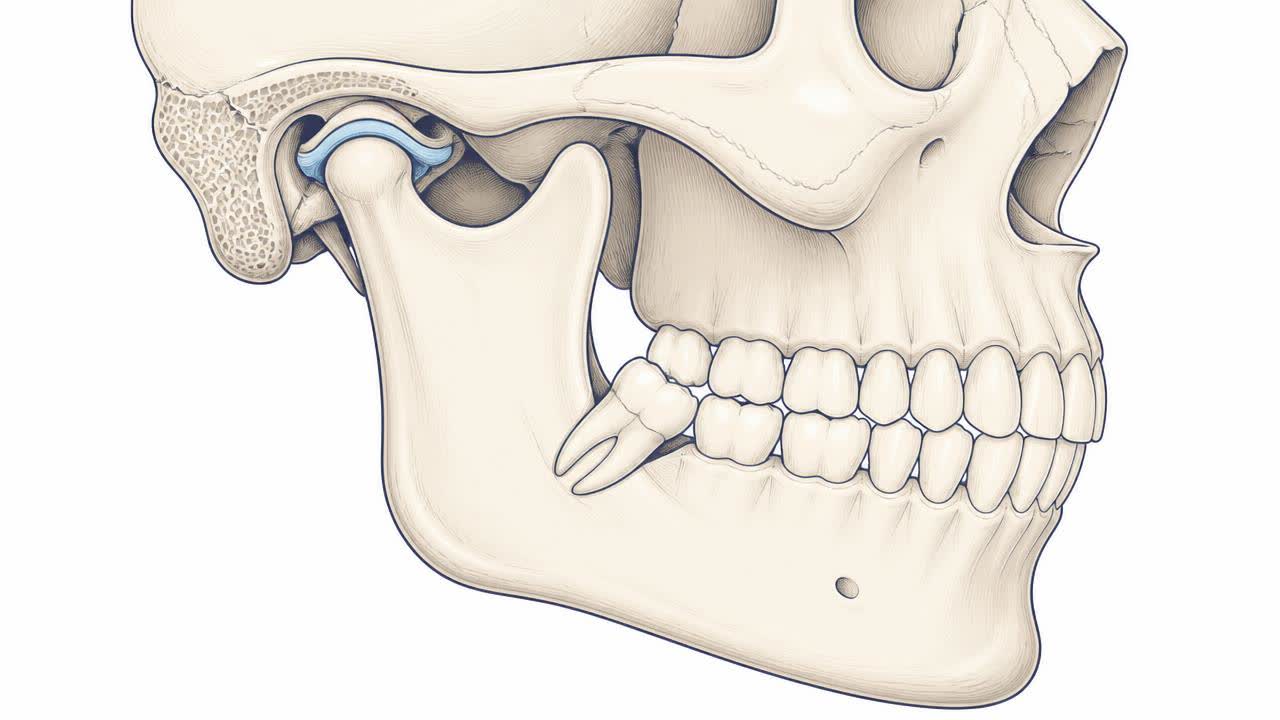
- The temporomandibular joint, or TMJ, connects the lower jaw to the skull on either side of the face, just in front of the ears, and allows the complex movements needed for chewing, speaking, and yawning.
- TMD can arise from a combination of factors including jaw clenching or teeth grinding, often related to stress, an uneven bite, previous jaw injury, arthritis affecting the joint, or habitual behaviours such as nail biting or…
- Common symptoms include pain or tenderness in the jaw joint or surrounding muscles, clicking, popping, or grating sounds when opening or closing the mouth, difficulty or discomfort when chewing, and a sensation of the jaw locking…
- Most cases of TMD respond well to conservative, non-surgical management, including a custom-fitted night guard to reduce the impact of grinding or clenching, physiotherapy exercises to relax and strengthen jaw muscles, stress…
What Is the Temporomandibular Joint
The temporomandibular joint, or TMJ, connects the lower jaw to the skull on either side of the face, just in front of the ears, and allows the complex movements needed for chewing, speaking, and yawning. Temporomandibular disorders, commonly grouped under the term TMD, refer to a range of conditions affecting this joint and the surrounding muscles.
These disorders are relatively common and can range from mild, self-limiting discomfort to chronic pain that significantly affects quality of life, chewing ability, and even sleep due to associated headaches or muscular tension.
Common Causes and Contributing Factors
TMD can arise from a combination of factors including jaw clenching or teeth grinding, often related to stress, an uneven bite, previous jaw injury, arthritis affecting the joint, or habitual behaviours such as nail biting or chewing gum excessively. Poor posture, particularly prolonged forward head posture from extended device use, can also contribute to muscular strain affecting the joint.
In many cases, TMD is multifactorial, meaning several contributing factors combine to produce symptoms, which is why a thorough assessment of habits, bite, stress levels, and joint structure is important for effective, targeted treatment.
Recognising the Symptoms
Common symptoms include pain or tenderness in the jaw joint or surrounding muscles, clicking, popping, or grating sounds when opening or closing the mouth, difficulty or discomfort when chewing, and a sensation of the jaw locking or getting stuck in an open or closed position.
Many people with TMD also experience associated headaches, ear pain or a sensation of fullness in the ears, and neck or shoulder tension, since the muscles involved in jaw movement are closely connected to those of the head and neck region.
Treatment Approaches
Most cases of TMD respond well to conservative, non-surgical management, including a custom-fitted night guard to reduce the impact of grinding or clenching, physiotherapy exercises to relax and strengthen jaw muscles, stress management techniques, and temporary dietary modification to reduce strain on the joint during flare-ups.
For persistent cases unresponsive to conservative measures, additional options may include targeted injections to relax overactive muscles, correction of significant bite discrepancies, or, in a small proportion of cases involving structural joint damage, surgical intervention ranging from minimally invasive arthroscopy to more extensive joint surgery.
Questions patients ask us
- Is jaw clicking always a sign of a serious problem?
- Not necessarily. Jaw clicking without pain or limitation of movement is common and does not always require treatment. However, if clicking is accompanied by pain, locking, or progressively worsening symptoms, it is worth having the joint evaluated by a dentist experienced in TMD management.
- Can stress really cause jaw pain?
- Yes, stress is a well-recognised contributor to TMD, often leading to unconscious jaw clenching or teeth grinding, particularly during sleep. Addressing stress through relaxation techniques, alongside a protective night guard, is often an important part of successful treatment.
- Will I need surgery for my jaw joint pain?
- Most people with TMD improve significantly with conservative treatments such as night guards, physiotherapy, and lifestyle changes, without ever requiring surgery. Surgical options are reserved for a small number of cases involving structural joint damage that has not responded to thorough conservative management.
- How long does it take for TMD symptoms to improve with treatment?
- Many patients notice improvement within a few weeks of starting conservative treatment such as a night guard and physiotherapy, though full resolution can take a few months, particularly if the underlying cause, such as chronic clenching or bite issues, requires more time to address.
Sources and further reading
Guidance from professional and public health bodies. Clinical decisions here are made on your own examination and radiographs.
- 1.Clinical parameters of care and patient information — American Association of Oral and Maxillofacial Surgeons
- 2.Guidance on the extraction of wisdom teeth — NICE (UK)
- 3.Oral cancer — risk factors, early detection and prevention — World Health Organization
- 4.Policy statements and oral health definitions — FDI World Dental Federation
- 5.Dental health — conditions, treatments and patient guidance — NHS (UK)
- 6.Systematic reviews of oral and dental interventions — Cochrane Oral Health
- 7.Regulatory framework and dental education standards in India — Dental Council of India
When to see us
Get examined without waiting if any of the following applies to you:
- Swelling that spreads, restricts mouth opening or affects swallowing or breathing
- Numbness, altered sensation, or bleeding that will not stop after surgery
- Jaw locking, an ulcer or lump lasting more than two weeks, or a white or red patch that does not heal
Get a written plan and cost before you commit
If this is what you are dealing with, the next step is a consultation with radiographs — surgery & jaw cases are seen by the specialist who handles that field. You get a written plan and staged cost before anything begins.
reception@dramitsharmahospital.comThis article is general education and does not replace an in-person examination, radiographs or a diagnosis by a qualified dentist.
Clinical terms in this article
Related in Surgery & Jaw
Wisdom Tooth Problems: Symptoms, Impaction and When Removal Is Needed
Why wisdom teeth cause pain and swelling, what impaction means, and how to decide between monitoring and surgical removal.
Wisdom Teeth and Impactions
When third molars need removal, what impaction means, and what recovery realistically looks like.
Jaw Surgery, TMJ Disorders and Facial Trauma
Corrective jaw surgery, temporomandibular joint pain and management of facial injuries by a maxillofacial team.
Laser Periodontal Therapy Procedure Benefits and Recovery
Laser periodontal therapy, including the LANAP protocol, uses targeted wavelength lasers to treat moderate-to-severe periodontitis. This guide covers biological mechanisms, procedural stages, recovery guidelines, evidence-based outcomes, and long-term periodontal maintenance strategies.
Connective Tissue Graft Surgery for Receding Gums
Connective tissue gum graft surgery repairs severe gingival recession by transplanting donor tissue beneath receded gums. This evidence-based guide explains surgical techniques, anatomical principles, recovery timelines, clinical classifications, risks, and postoperative maintenance for optimal root coverage.
Free Gingival Graft Procedure to Thicken Gums
A free gingival graft is a proven periodontal surgical procedure designed to augment thin or deficient attached gum tissue. This comprehensive guide covers anatomical indications, surgical steps, donor and recipient healing phases, complications, and evidence-based post-operative recovery protocols.