Equipment does not treat patients — clinicians do. But the right technology removes guesswork, shortens treatment and makes outcomes repeatable. Here is what we use and why it matters to you.
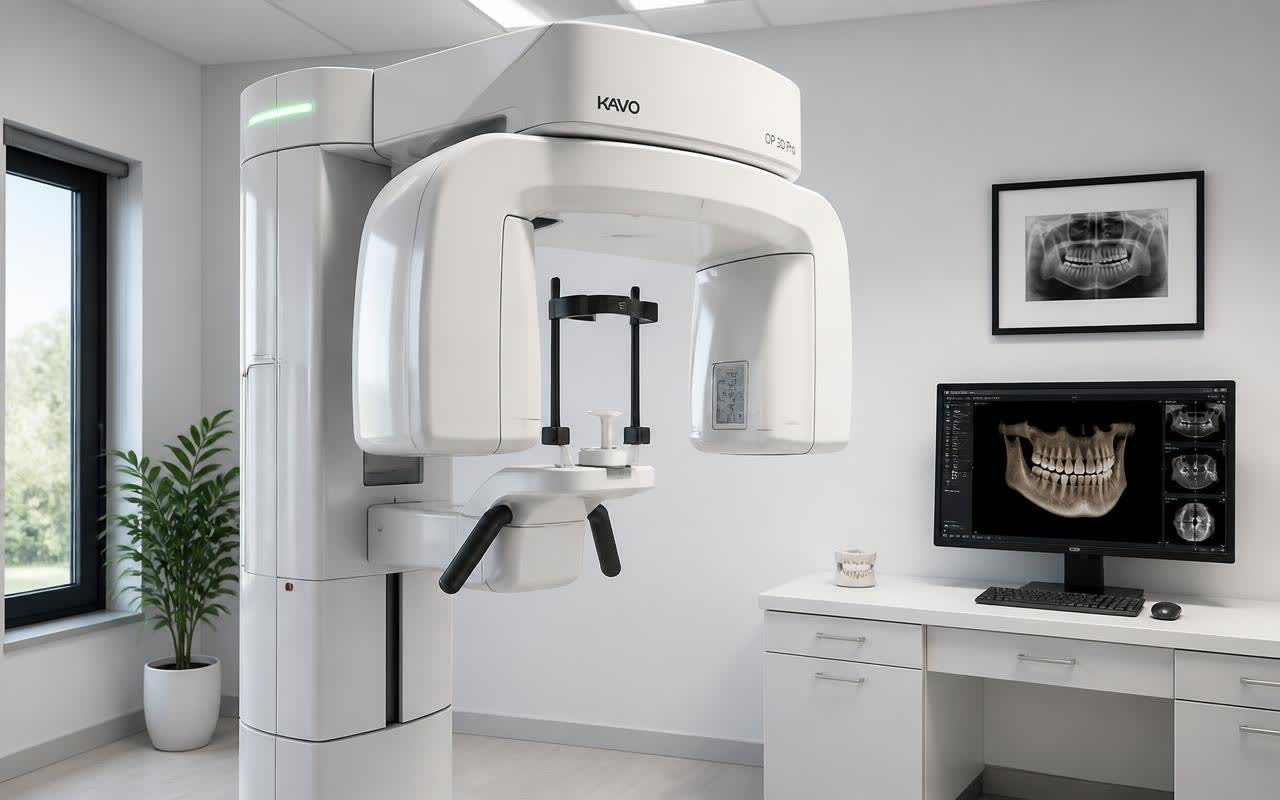
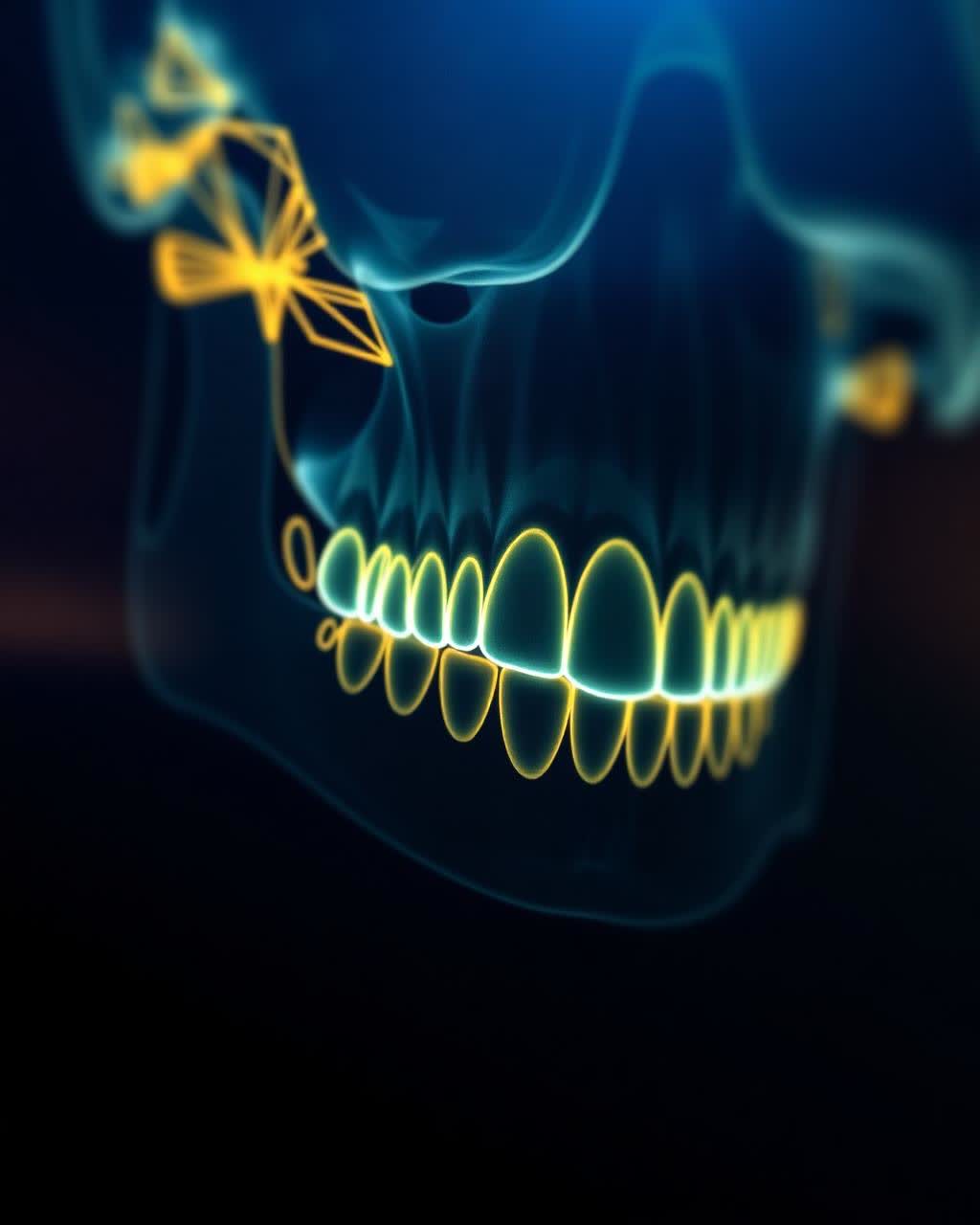
CBCT 3D Imaging
A cone-beam scan that turns your jaw into a three-dimensional model in under a minute.
Why it matters
We can measure bone height and width, locate nerves and sinuses, and plan implant position, angle and depth before surgery instead of during it.
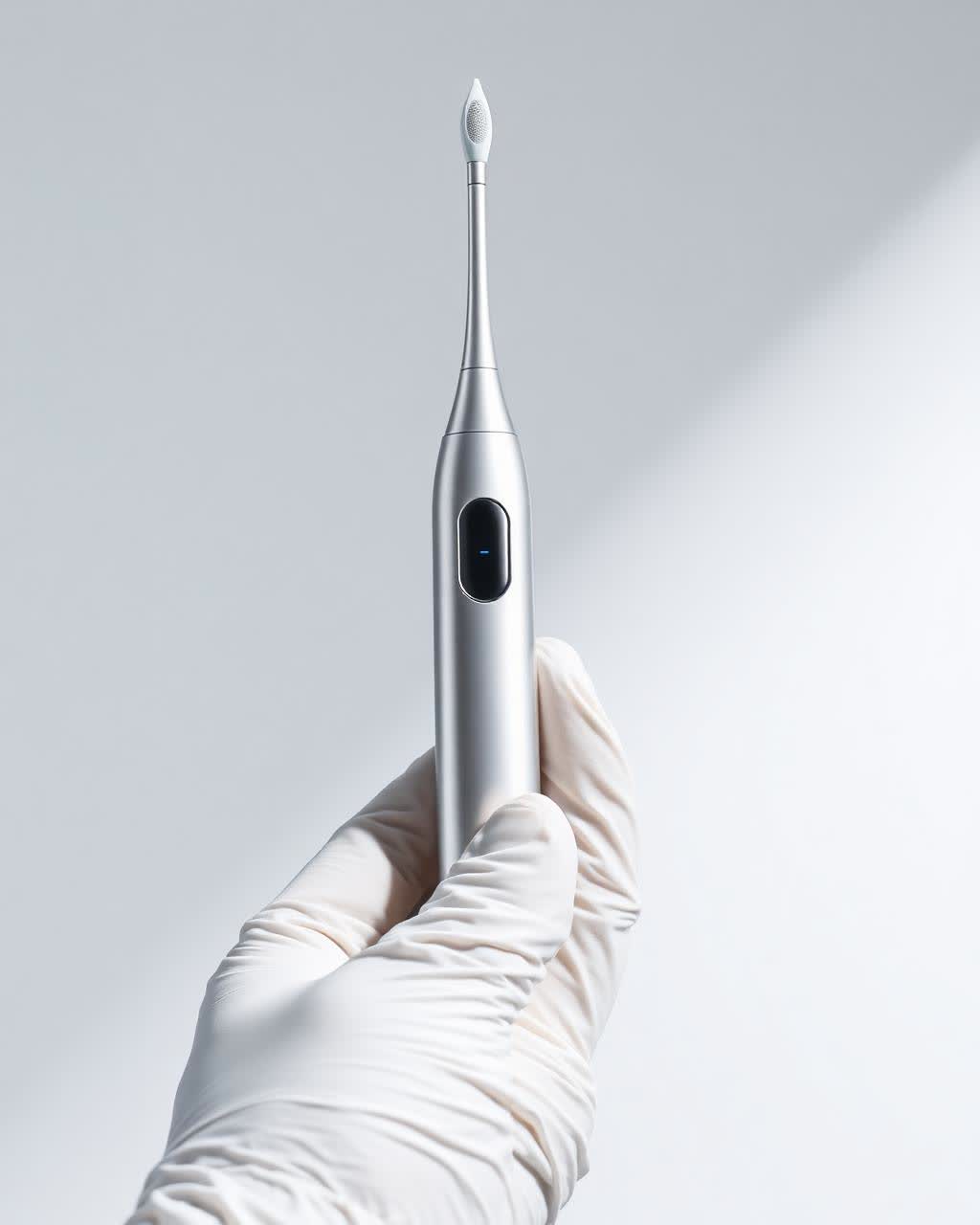
Intraoral Scanner
A digital wand that captures your teeth as a 3D file — no trays, no putty, no gagging.
Why it matters
Digital impressions are more accurate than conventional ones, which means better fitting crowns, aligners and veneers, and fewer adjustment visits.
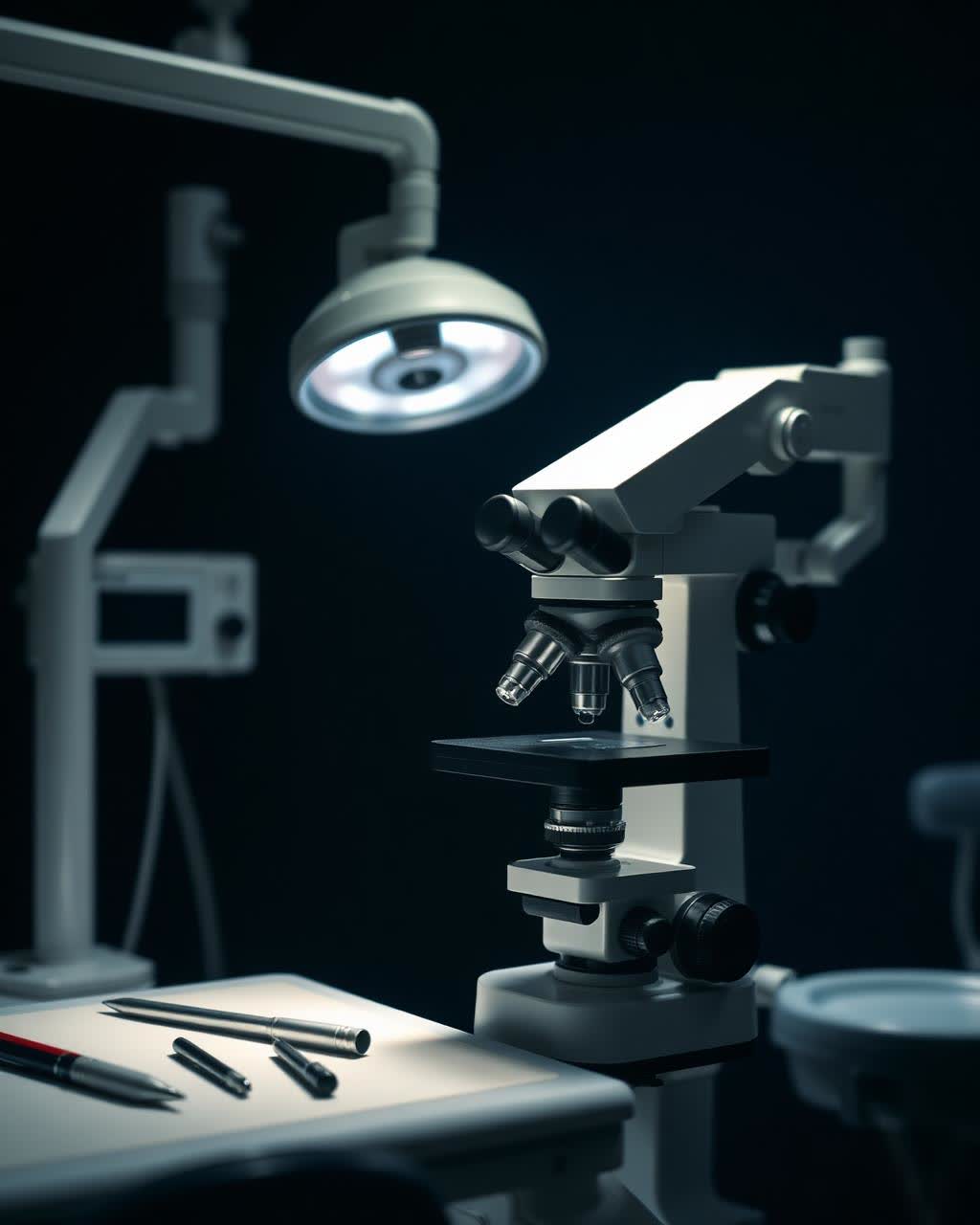
Surgical Microscope
Up to 20x magnification with coaxial illumination.
Why it matters
Missed canals, hairline cracks and fine margins become visible. It is the difference between saving a tooth and losing it in difficult endodontic cases.
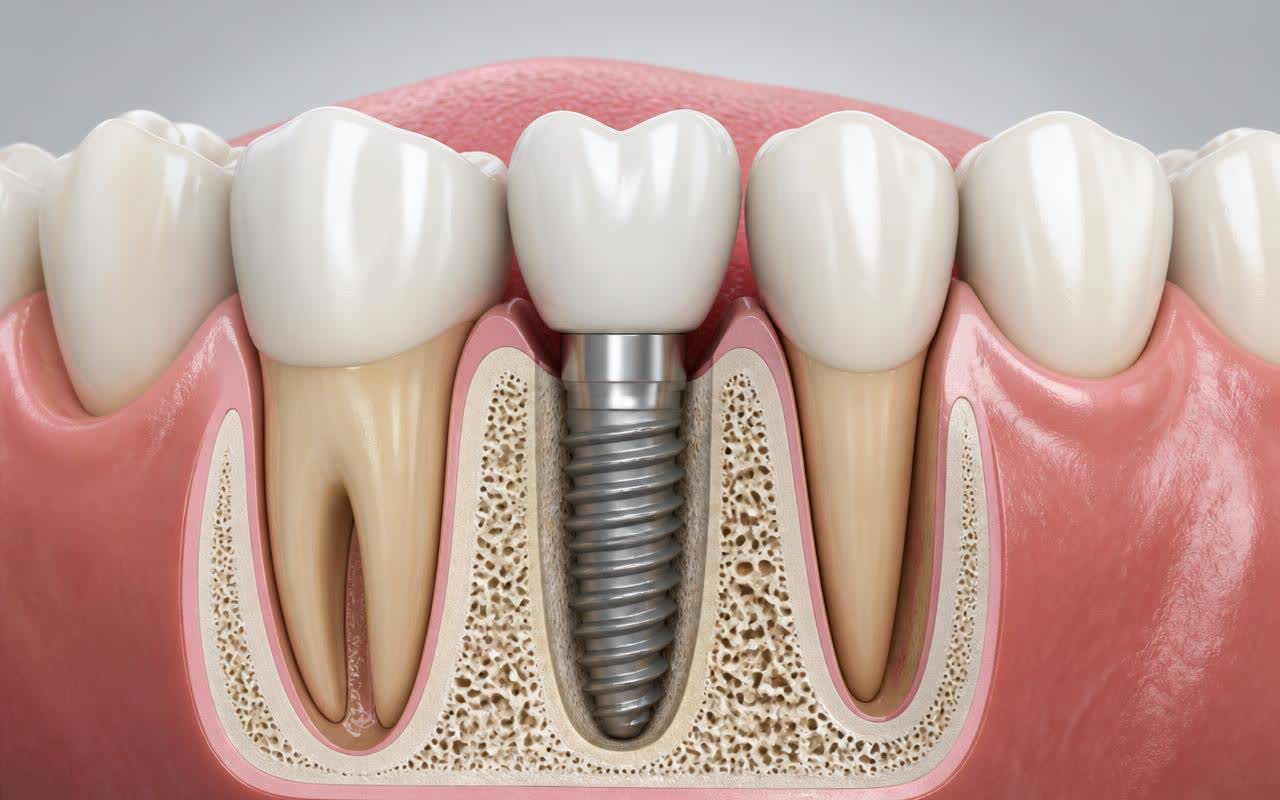
Guided Implant Surgery
Implants are planned in software, then placed through a custom-printed surgical guide.
Why it matters
Placement matches the plan to within a fraction of a millimetre, which shortens surgery, reduces swelling and improves the final aesthetics.
Laser Dentistry
Soft-tissue lasers for gum contouring, frenectomy and periodontal procedures.
Why it matters
Less bleeding, minimal stitching, faster healing and often no need for extensive anaesthesia.
Sterilisation Department
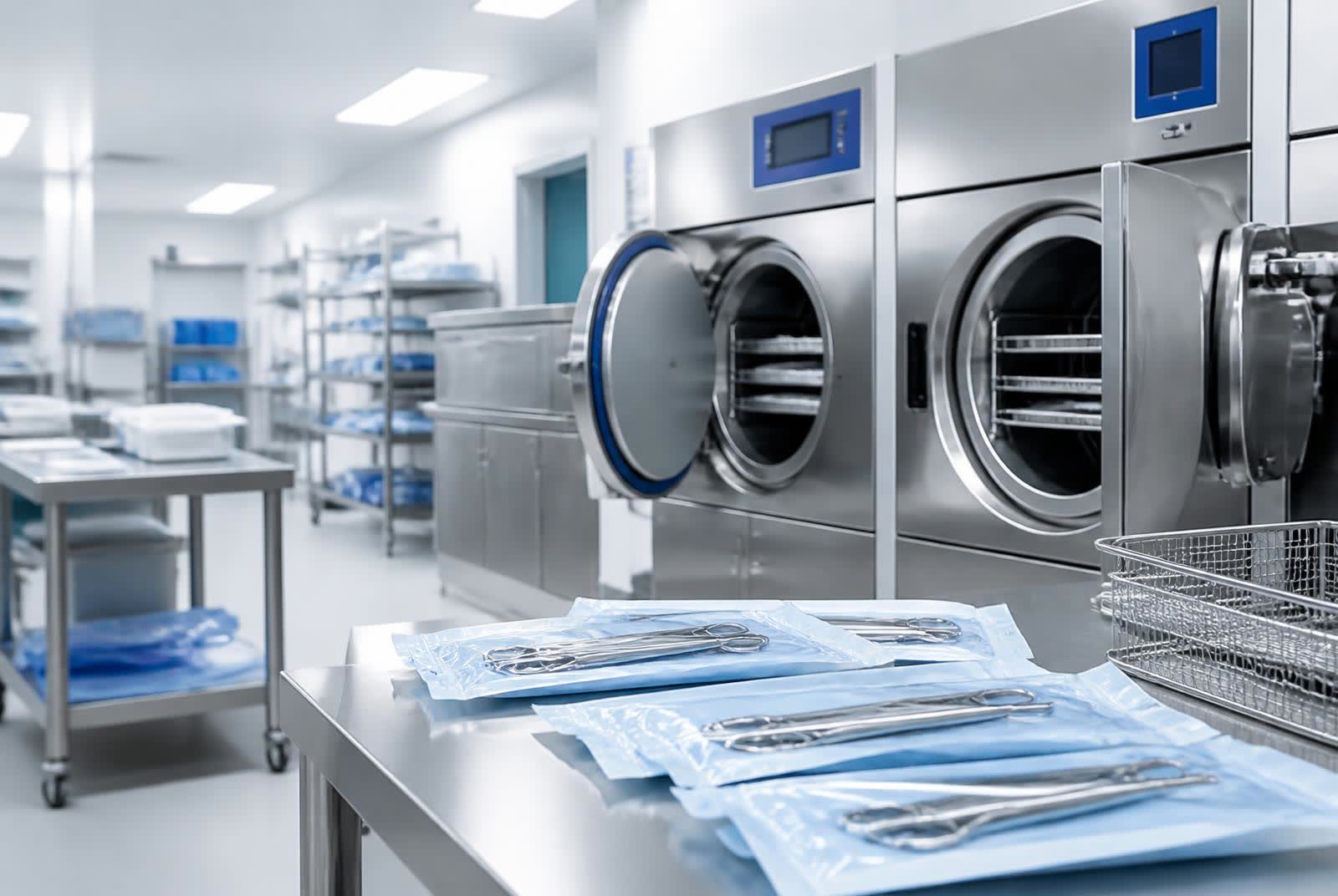
Class B autoclaves, sealed instrument pouches, cycle logs and single-use disposables.
Why it matters
Every instrument that touches you has a traceable sterilisation cycle behind it. This is the least visible investment we make, and the most important.
Explore the hospital
Everything you may want to check before you choose a hospital