At a glance
- Severe unrelenting pain, facial swelling, difficulty opening the mouth or swallowing, bleeding that will not stop, a knocked-out permanent tooth, or trauma to the jaw all require same-day attention rather than a routine…
- For a knocked-out permanent tooth, hold it by the crown, never touch the root, and rinse it gently with milk or saline if it is dirty, without scrubbing it.
- Apply a cold compress to the outside of the face for fifteen to twenty minutes at a time, keep the head elevated even while resting, and avoid applying heat over the area, which can worsen swelling from an active infection.
- Emergency assessment begins with a focused examination and radiographs to identify the source and extent of the problem.
First-hour measures for a knocked-out tooth
For a knocked-out permanent tooth, hold it by the crown, never touch the root, and rinse it gently with milk or saline if it is dirty, without scrubbing it. If possible, place it back into its socket immediately and bite gently on a clean cloth to hold it in place.
If it cannot be replaced in the socket, store it in a container of fresh milk or, failing that, in saliva, and reach a dentist within sixty minutes. This window largely determines whether the tooth can be successfully reimplanted and retained long term, so speed matters more than almost anything else in this situation.
First-hour measures for swelling or pain
Apply a cold compress to the outside of the face for fifteen to twenty minutes at a time, keep the head elevated even while resting, and avoid applying heat over the area, which can worsen swelling from an active infection.
Do not place aspirin or any other tablet directly against the gum in an attempt to relieve pain, as this can burn the soft tissue. Take routine painkillers only in line with the dosing advice of a pharmacist or physician while arranging to be seen.
What we will do on arrival
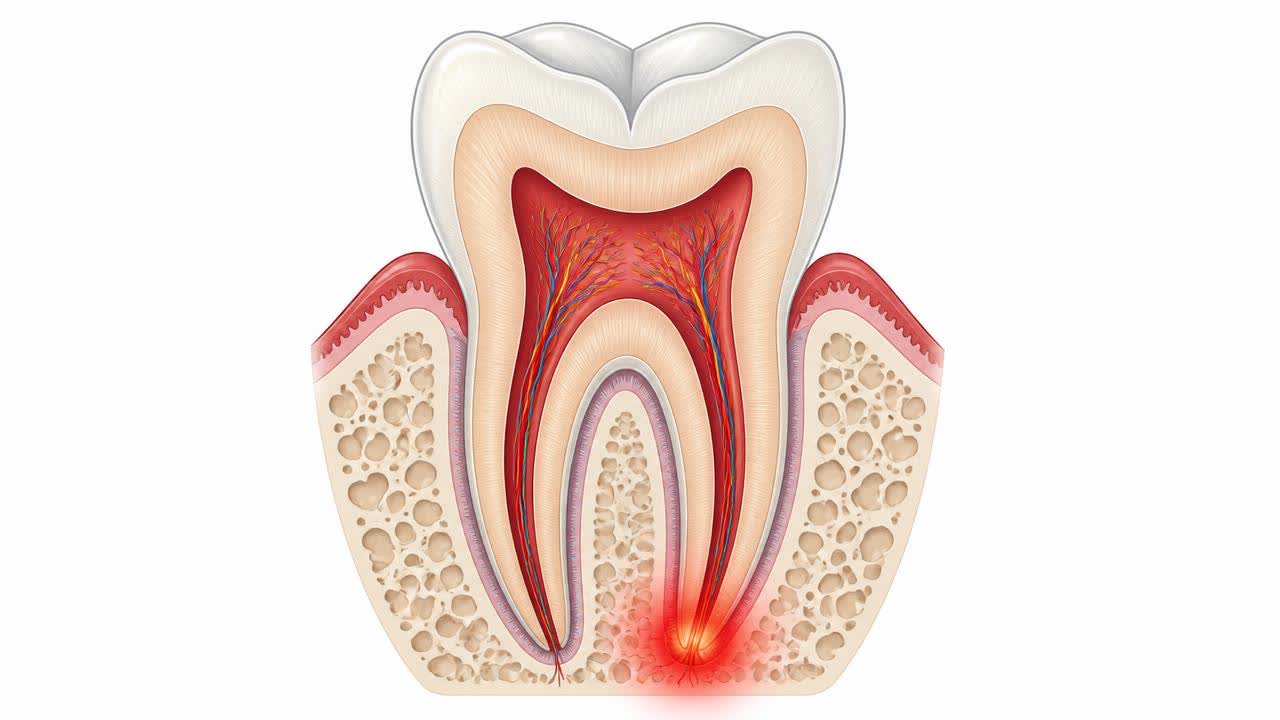
Emergency assessment begins with a focused examination and radiographs to identify the source and extent of the problem. Where infection has caused a collection of pus, drainage is carried out promptly to relieve pressure and pain.
Pain control is provided immediately, and definitive treatment, whether root canal therapy, extraction, splinting of a loosened tooth, or repair of a fracture, is planned once the acute phase has settled sufficiently for precise, comfortable treatment.
What counts as an emergency
Severe unrelenting pain, facial swelling, difficulty opening the mouth or swallowing, bleeding that will not stop, a knocked-out permanent tooth, or trauma to the jaw all require same-day attention rather than a routine appointment booked for another day.
Swelling that spreads towards the eye or under the jaw, especially when accompanied by fever, difficulty breathing or difficulty swallowing, is a medical emergency and should prompt an immediate visit to a hospital emergency department as well as the dental team, since infection of this kind can spread rapidly.
A persistent dull ache that comes and goes is usually not an immediate emergency but should still be assessed promptly, since it often signals a problem that will worsen without treatment.
Questions patients ask us
- Should I wait for the pain to pass?
- Dental pain caused by infection or a cracked tooth does not resolve permanently on its own, even if it goes quiet for a while. Delay usually means the underlying problem grows larger and more expensive to treat.
- Can I take antibiotics instead of seeing a dentist?
- Antibiotics can calm an acute infection temporarily but do not remove its source, such as decay or a dead nerve. The underlying cause still needs definitive dental treatment to prevent the problem returning.
- What should I do if a tooth is chipped but not painful?
- Even a painless chip should be checked soon, since sharp edges can cut the tongue or cheek and the crack may extend deeper than it appears, risking later infection.
Sources and further reading
Guidance from professional and public health bodies. Clinical decisions here are made on your own examination and radiographs.
- 1.Endodontic diagnosis terminology and treatment guidance — American Association of Endodontists
- 2.Guidelines for the management of traumatic dental injuries — International Association of Dental Traumatology
- 3.Antimicrobial prescribing for dental infection — NICE (UK)
- 4.Oral health — fact sheet and global status report — World Health Organization
- 5.Policy statements and oral health definitions — FDI World Dental Federation
- 6.Dental health — conditions, treatments and patient guidance — NHS (UK)
- 7.Systematic reviews of oral and dental interventions — Cochrane Oral Health
- 8.Regulatory framework and dental education standards in India — Dental Council of India
When to see us
Get examined without waiting if any of the following applies to you:
- Facial or neck swelling, difficulty swallowing, opening the mouth or breathing — this is an emergency
- Pain with fever, or swelling that is spreading rather than settling
- A tooth knocked out or pushed out of position after an injury — time matters
- Pain that wakes you at night or does not respond to ordinary painkillers
Get a written plan and cost before you commit
If this is what you are dealing with, the next step is a consultation with radiographs — pain & emergencies cases are seen by the specialist who handles that field. You get a written plan and staged cost before anything begins.
reception@dramitsharmahospital.comThis article is general education and does not replace an in-person examination, radiographs or a diagnosis by a qualified dentist.
Clinical terms in this article
Related in Pain & Emergencies
Tooth Pain and Sensitivity: Causes, Relief and When to See a Dentist
Why teeth hurt or react to hot and cold, the difference between everyday sensitivity and a warning sign, and what treatment usually follows.
Root Canal Treatment Explained
Why a tooth needs root canal therapy, what happens during single-sitting endodontics, and why crowns follow.
Reversible vs Irreversible Pulpitis Symptoms and Treatment Options
Understanding reversible vs irreversible pulpitis is essential when managing dental pain. This guide explains their anatomical causes, diagnostic criteria, clinical symptoms, and evidence-based treatments ranging from conservative restorations to root canal therapy and emergency care.
Differences Between a Tooth Abscess and Gum Abscess
A dental abscess is a localised collection of pus caused by bacterial infection. Distinguishing between a tooth abscess (periapical) and a gum abscess (periodontal) is vital, as their anatomical origins, clinical presentations, diagnostic pathways, and definitive treatments differ fundamentally.
Why Tooth Pain Gets Worse When Lying Down
Experiencing toothache worse lying down typically indicates elevated pulpal or periapical pressure driven by increased cranial blood flow when supine. This guide explains pulpal anatomy, underlying causes, diagnostic pathways, evidence-based treatments, and critical red flags requiring emergency care.
Cracked Tooth Syndrome Symptoms Diagnosis and Repair Options
Cracked tooth syndrome presents with sharp, fleeting pain on chewing and temperature sensitivity caused by incomplete enamel and dentine fractures. Learn about anatomical factors, diagnostic challenges, repair options, recovery protocols, and when urgent dental intervention is necessary.