At a glance
- Peroxide-based gels break down the pigment molecules trapped within the enamel and the underlying dentine layer of the tooth.
- Crowns, veneers and composite fillings do not respond to whitening gel and will not lighten alongside the natural teeth.
- Temporary sensitivity to cold is common during and shortly after a whitening course and usually settles within twenty-four to forty-eight hours of finishing treatment.
- Whitened teeth are not immune to future staining from tea, coffee, red wine, tobacco or turmeric-rich foods.
How whitening works
Peroxide-based gels break down the pigment molecules trapped within the enamel and the underlying dentine layer of the tooth. In-office systems use higher concentrations of peroxide under controlled gum protection and sometimes a curing light, producing visible results within a single appointment.
Custom-made home trays use a lower concentration of gel worn over one to two weeks, giving a gentler but equally effective route to a lighter shade for most people. Many practices combine an initial in-office session with take-home trays to maintain and extend the result.
What whitening will not change
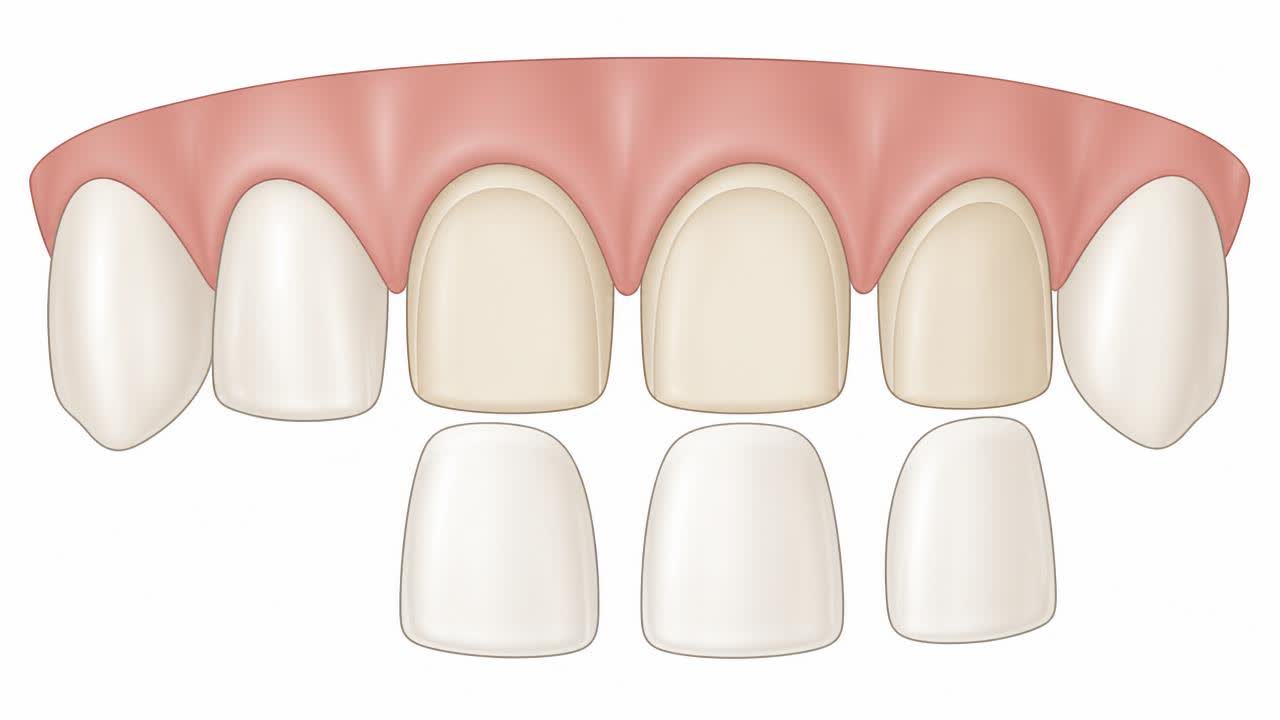
Crowns, veneers and composite fillings do not respond to whitening gel and will not lighten alongside the natural teeth. If these restorations are visible in the smile, whitening the surrounding natural teeth first and then matching new restorations to the lighter shade is the usual approach.
Deep tetracycline staining from childhood antibiotic exposure, fluorosis marks, and a single dark root-treated tooth all respond poorly to conventional whitening and are better managed with veneers, bonding or internal bleaching of the specific tooth.
Sensitivity and safety
Temporary sensitivity to cold is common during and shortly after a whitening course and usually settles within twenty-four to forty-eight hours of finishing treatment. Desensitising gels applied before or after whitening, and spacing out sessions, manage this well for almost everyone.
Whitening should always follow a professional cleaning and a check for untreated decay or exposed root surfaces, since applying peroxide gel over an unhealthy tooth or exposed dentine can cause significant discomfort.
Maintaining the result
Whitened teeth are not immune to future staining from tea, coffee, red wine, tobacco or turmeric-rich foods. A touch-up with home trays every six to twelve months, along with routine cleaning visits, keeps the result looking fresh for years.
Questions patients ask us
- Is whitening safe for enamel?
- Professionally supervised whitening at correct, regulated concentrations does not weaken enamel. Unregulated over-the-counter kits of unknown strength carry a higher risk of gum irritation and enamel damage.
- How white will my teeth become?
- Results vary with starting shade and the cause of discolouration, but most people see an improvement of several shades. A dentist will give a realistic expectation after examining your teeth.
- Can pregnant women have their teeth whitened?
- Elective cosmetic whitening is generally postponed until after pregnancy and breastfeeding as a precaution, even though clear evidence of harm is limited, simply because it is not an essential treatment.
Sources and further reading
Guidance from professional and public health bodies. Clinical decisions here are made on your own examination and radiographs.
- 1.Whitening, bonding and veneers — patient information — American Dental Association
- 2.Guidance on tooth whitening and cosmetic dental treatment — British Dental Association
- 3.Oral health — fact sheet and global status report — World Health Organization
- 4.Policy statements and oral health definitions — FDI World Dental Federation
- 5.Dental health — conditions, treatments and patient guidance — NHS (UK)
- 6.Systematic reviews of oral and dental interventions — Cochrane Oral Health
- 7.Regulatory framework and dental education standards in India — Dental Council of India
When to see us
Get examined without waiting if any of the following applies to you:
- Sensitivity or pain that continues for more than a few days after cosmetic work
- A veneer, crown or bonded restoration that has chipped, debonded or feels high in the bite
- Gum inflammation or dark margins developing at the edge of a restoration
Get a written plan and cost before you commit
If this is what you are dealing with, the next step is a consultation with radiographs — cosmetic & smile design cases are seen by the specialist who handles that field. You get a written plan and staged cost before anything begins.
reception@dramitsharmahospital.comThis article is general education and does not replace an in-person examination, radiographs or a diagnosis by a qualified dentist.
Clinical terms in this article
Related in Cosmetic & Smile Design
Dental Crowns and Bridges: What They Are and When You Need One
How crowns and bridges restore damaged or missing teeth, the materials used, and what the process and aftercare involve.
Teeth Whitening and Tooth Stains: Causes and Treatment Options
Why teeth discolour over time, the difference between surface stains and deeper discolouration, and how professional whitening compares with home options.
Smile Makeover and Digital Smile Design
How veneers, bonding, whitening and gum contouring are combined into one planned cosmetic outcome.
Black Triangles Between Teeth Causes and Treatment
Open gingival embrasures, commonly called black triangles between teeth and gums, occur when the interdental papilla recedes. Explore the anatomical causes, clinical classifications, restorative and orthodontic treatments, and long-term periodontal maintenance strategies.
Internal Tooth Bleaching for Discolored Nonvital Teeth
Internal tooth bleaching after root canal treatment is a conservative endodontic procedure that lightens intrinsically discoloured, non-vital teeth from within the pulp chamber, restoring natural aesthetics without requiring extensive structural removal for crowns or veneers.
Sliding Genioplasty Chin Surgery for Facial Balance Improvement
Sliding genioplasty is an osseous surgical procedure that repositions the mandibular symphysis to improve facial balance and airway competence. This clinical guide outlines surgical techniques, the sliding genioplasty recovery timeline, risks, and evidence-based postoperative management.