At a glance
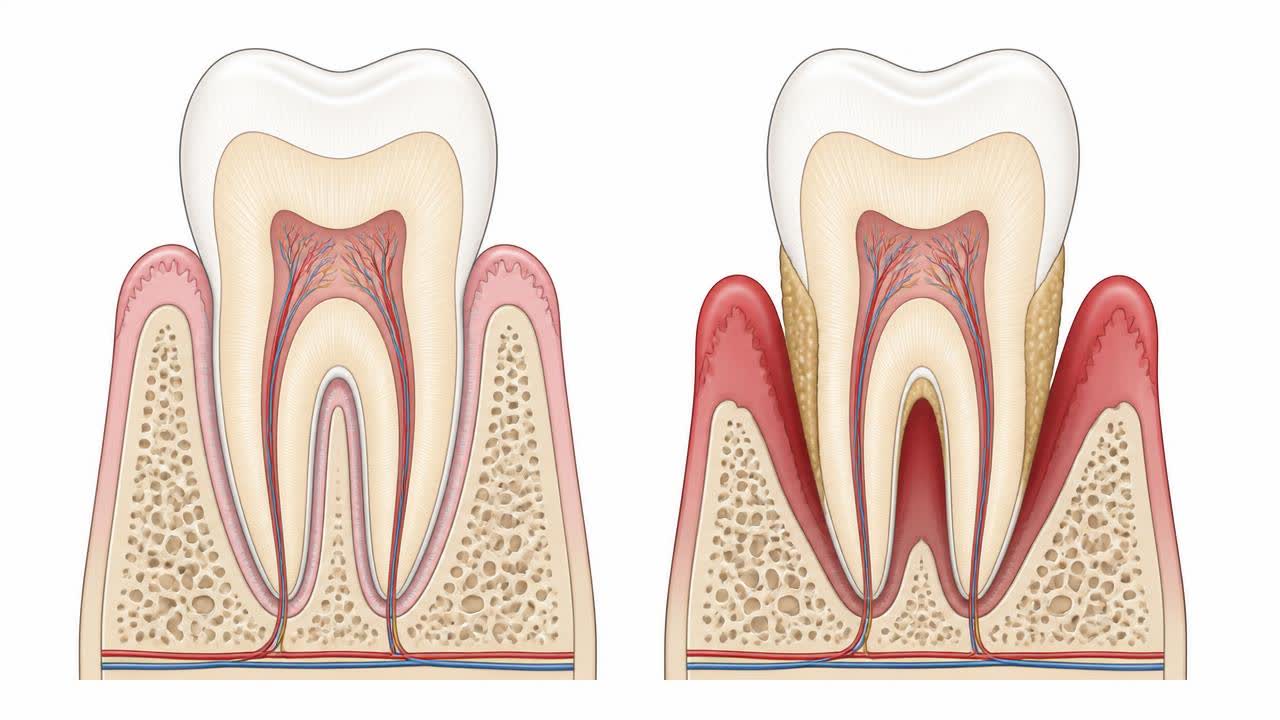
- The periodontium comprises the supporting tissues of the teeth, including the alveolar bone, periodontal ligament, cementum, and the gingiva (gums).
- The primary drivers of pregnancy gingivitis are the dramatic surges in systemic progesterone and oestrogen, which can increase by over tenfold during gestation.
- The hallmark symptom of pregnancy gingivitis is gingival bleeding, most frequently noticed while brushing, flossing, or eating firm foods such as apples.
- Diagnosis begins with a thorough clinical examination using a periodontal probe to assess gingival bleeding and tissue tone.
- The cornerstone of pregnancy gingivitis treatment is non-surgical periodontal debridement, which encompasses professional scaling and polishing to thoroughly remove supra-gingival and sub-gingival dental plaque, calculus…
Anatomy of the Gingiva and Nature of Pregnancy Gingivitis
The periodontium comprises the supporting tissues of the teeth, including the alveolar bone, periodontal ligament, cementum, and the gingiva (gums). Healthy gingiva forms a tight seal around the cervical neck of each tooth through the junctional epithelium, presenting as pale pink, stippled, and resilient tissue that does not bleed on gentle contact. In pregnancy gingivitis, this delicate marginal gingiva and the interdental papillae (the triangular gum tissue between adjacent teeth) undergo pronounced vascular and structural alterations, leading to marked inflammation.
Pregnancy gingivitis is defined as an exaggerated inflammatory reaction of the gingival tissues to dental plaque biofilm, specifically mediated by elevated systemic gestational hormones. It is not an infection caused by pregnancy itself, but rather an altered host immuno-inflammatory response to pre-existing or accumulating microbial deposits. If left unmanaged, the swelling creates pseudopockets—false periodontal pockets formed by enlarged tissue rather than bone loss—which trap further bacteria and accelerate tissue friability.
Diagnostic Assessment, Radiography, and Staging
Diagnosis begins with a thorough clinical examination using a periodontal probe to assess gingival bleeding and tissue tone. The clinician performs a Basic Periodontal Examination (BPE) or comprehensive periodontal charting, gently measuring probing depths around each tooth to differentiate between true attachment loss and inflammatory pseudopockets. Plaque indices and the Gingival Bleeding Index (GBI) are recorded to establish baseline severity and monitor therapeutic progress across trimesters.
Dental radiographs, such as bitewings or periapical films, are safe during pregnancy when clinically necessary to rule out interdental bone loss or apical infection, using modern digital sensors, collimation, and protective thyroid collars where appropriate. Clinicians carefully differential-diagnose pregnancy gingivitis from pre-existing chronic periodontitis, acute necrotising gingivitis, haematological conditions such as leukaemia-induced gingival enlargement, and localized reactive vascular lesions like pyogenic granuloma.
Hormonal Drivers and Systemic Aetiology
The primary drivers of pregnancy gingivitis are the dramatic surges in systemic progesterone and oestrogen, which can increase by over tenfold during gestation. Progesterone enhances microvascular permeability within the gingival capillary network, causing vascular dilatation, hyperaemia (increased blood flow), and fluid transudation into the extravascular connective tissue. This makes the gingival margin exceptionally fragile, swollen, and prone to spontaneous bleeding upon minimal mechanical provocation.
Simultaneously, high hormone concentrations alter the local immune response by suppressing maternal cellular immunity and modulating the chemotaxis and phagocytosis of neutrophils (first-line defence white blood cells). Oestrogen and progesterone can also serve as alternative growth factors for specific anaerobic periodontal bacteria, such as Prevotella intermedia. When combined with dietary cravings, increased snacking, and pregnancy-related nausea that impairs daily brushing, bacterial plaque rapidly accumulates, precipitating aggressive gingival inflammation.
Clinical Signs, Symptoms, and Presentation
The hallmark symptom of pregnancy gingivitis is gingival bleeding, most frequently noticed while brushing, flossing, or eating firm foods such as apples. The gingival margins transition from a healthy coral pink to a bright red or deep purplish hue (erythema). The tissue becomes visibly edematous (swollen), smooth, and glossy, losing its natural stippled appearance, and the interdental papillae frequently appear bulbous or blunted.
Patients often report localized tenderness, a persistent bad taste, halitosis (bad breath), or a sensation of itching and pressure between the teeth. The severity of symptoms typically begins to rise in the first trimester around the second month of gestation, peaks during the third trimester (months seven and eight), and sharply subsides after parturition as hormone levels normalize, provided that underlying dental plaque and calculus have been professionally removed.
Evidence-Based Pregnancy Gingivitis Treatment Protocols
The cornerstone of pregnancy gingivitis treatment is non-surgical periodontal debridement, which encompasses professional scaling and polishing to thoroughly remove supra-gingival and sub-gingival dental plaque, calculus (tartar), and endotoxins. Mechanical disruption of the biofilm removes the primary inflammatory trigger, allowing hyperaemic gingiva to heal. Ultrasonic scalers and precise hand curettes are safe and highly effective when used with gentle technique.
Therapeutic mouthwashes containing chlorhexidine gluconate (alcohol-free) or cetylpyridinium chloride may be prescribed for short-term adjunctive use where severe pain or nausea compromises mechanical brushing. Antibiotics are rarely indicated unless there is an acute spreading infection. Routine non-surgical periodontal therapy is safe during all trimesters of pregnancy, but the second trimester (weeks 14 to 28) is widely regarded as the most comfortable and ideal window for elective periodontal interventions.
What to Expect During a Professional Dental Clean
During a periodontal appointment for pregnancy gingivitis, patient positioning is adapted to safeguard maternal physiology. In the second and third trimesters, prolonged supine positioning is avoided to prevent supine hypotensive syndrome, caused by the gravid uterus compressing the inferior vena cava. The dental chair is kept semi-reclined, or the patient is tilted slightly onto her left side using a small pillow under the right hip.
The dental hygienist or periodontist systematically cleans all tooth surfaces, irrigating the gingival margins with sterile water or mild antiseptic solutions to flush out displaced debris. If gingival tenderness is acute, topical or local anaesthetics without contraindicated additives can be safely administered. The clinician concludes the session by coaching the patient on tailored brushing techniques, ensuring the experience is calm, comfortable, and stress-free.
Post-Treatment Recovery and Home Care Protocols
Following professional scaling, patients may experience mild gingival sensitivity or transient bleeding for 24 to 48 hours as the swollen tissues begin to contract. Over the subsequent 7 to 14 days, tissue oedema resolves significantly, and bleeding on brushing rapidly declines. Patients should brush twice daily for two full minutes using a soft-bristled manual or oscillating-rotating electric toothbrush and a fluoride toothpaste.
Daily interdental cleaning with dental floss or calibrated interdental brushes is crucial, as the interdental papillae are the primary sites of gestational inflammation. For patients experiencing hyperemesis gravidarum (severe morning sickness) or gastric reflux, brushing immediately after vomiting must be avoided, as stomach acids soften enamel; rinsing with water or a solution of sodium bicarbonate (baking soda) neutralises acid and protects teeth before gentle brushing 30 minutes later.
Complications: Pregnancy Epulis and Periodontitis Progression
A recognized localized complication is the development of a pregnancy epulis (pregnancy tumour or pyogenic granuloma), which occurs in up to 5% of pregnant individuals. This is a benign, highly vascular, mushroom-shaped inflammatory lesion that typically arises from the interdental papilla. It bleeds profusely upon contact and may interfere with mastication; while many regress spontaneously postpartum, surgical excision under local anaesthesia is warranted if it causes intractable haemorrhage or pain.
Unresolved pregnancy gingivitis can progress into irreversible periodontitis, characterised by the destruction of the periodontal ligament and alveolar bone resorption. Chronic periodontal infection maintains a persistent reservoir of pro-inflammatory cytokines (such as IL-1, IL-6, and TNF-alpha) and bacteria, which research links to adverse pregnancy outcomes, including preterm delivery and low birth weight. Managing gingival inflammation early prevents long-term tooth mobility and systemic complications.
Prevention, Dietary Care, and Considerations in Indian Populations
Optimal prevention relies on pre-conception dental screening, scheduled professional maintenance visits every three months during gestation, and balanced nutrition rich in vitamins C, D, calcium, and antioxidants to support tissue repair. In India and South Asian communities, specific cultural and dietary habits warrant close clinical attention. The widespread use of areca nut, betel quid (paan), and smokeless tobacco (gutka, khaini) introduces intense chemical trauma and carcinogenic risk, which severely compounds gestational gingival pathology.
Furthermore, prevalent myths regarding the safety of dental care during pregnancy frequently lead to delayed presentation and advanced periodontal neglect in both rural and urban Indian settings. Community health programmes and antenatal clinics must actively promote maternal oral healthcare, reassuring mothers that routine scaling and emergency dental treatments are entirely safe, whilst advising against traditional, abrasive tooth powders that exacerbate gingival ulceration.
Evidence and further reading
International professional consensus from the European Federation of Periodontology (EFP), the American Dental Association (ADA), and the FDI World Dental Federation unequivocally confirms that preventive and therapeutic periodontal treatment during pregnancy is safe, essential, and beneficial. Systematic reviews published in the Journal of Clinical Periodontology and the Cochrane Database of Systematic Reviews demonstrate that mechanical plaque control and scaling effectively arrest gingival inflammation without adverse maternal or foetal effects.
Clinical practice guidelines published by the National Institute for Health and Care Excellence (NICE) emphasise the integration of oral health risk assessments into routine antenatal care pathways. Maintaining meticulous oral hygiene, attending regular periodontal maintenance, and eliminating periodontal infection remains a widely supported global standard for optimizing maternal systemic health and infant developmental outcomes.
Red Flags and When to Seek Urgent Dental Care
While mild gingival bleeding during brushing is expected in pregnancy gingivitis, certain warning signs mandate immediate clinical evaluation by a dentist or oral and maxillofacial specialist. Profuse, spontaneous gingival bleeding that does not stop after direct pressure, severe throbbing pain, sudden or rapid tooth mobility, and the formation of pus (purulent exudate) along the gum margin indicate severe acute infection.
Crucially, any visible facial, submandibular, or periorbital swelling, accompanied by high maternal fever, difficulty swallowing (dysphagia), or restricted mouth opening (trismus), represents a spreading deep-neck space odontogenic infection. These systemic red flags require emergency hospital-level assessment, airway protection, and targeted antibiotic therapy to protect both maternal and foetal wellbeing without delay.
Questions patients ask us
- Is it safe to have dental scaling and cleanings while pregnant?
- Yes, professional dental scaling is entirely safe and strongly recommended during pregnancy. Removing bacterial plaque and calculus prevents the progression of gingival inflammation and eliminates oral infection. While treatment can be performed in any trimester, the second trimester is generally the most comfortable time for routine cleanings.
- Why do my gums bleed so much more during pregnancy?
- Elevated levels of gestational hormones, particularly progesterone and oestrogen, dilate the tiny blood vessels in your gums and make them much more permeable. This causes an exaggerated inflammatory response to normal amounts of dental plaque, leading to swelling, tenderness, and frequent bleeding during brushing or flossing.
- Will pregnancy gingivitis go away after my baby is born?
- Hormone-related gum swelling and bleeding typically decrease significantly within a few weeks to months postpartum as systemic hormone levels normalize. However, this recovery only occurs if underlying bacterial plaque and calculus have been removed; unresolved chronic inflammation can lead to permanent gum and bone damage.
- Can dental X-rays harm my unborn baby?
- Modern diagnostic dental X-rays use extremely low radiation doses directed precisely at the oral cavity. When clinically necessary, they are considered safe during pregnancy. Dental teams use protective thyroid collars and lead aprons when appropriate, ensuring virtually no scatter radiation reaches the abdomen or developing baby.
- What is a pregnancy tumour or pregnancy epulis on the gums?
- A pregnancy tumour (pyogenic granuloma) is a benign, non-cancerous overgrowth of vascular gum tissue triggered by local plaque irritation and hormonal surges. It presents as a deep red, bleeding lump on the gums. Most regress on their own after delivery, but troublesome lesions can be safely removed earlier.
- Can gum disease during pregnancy affect my baby?
- Severe, untreated periodontal disease is associated in clinical research with an increased risk of adverse pregnancy outcomes, such as preterm birth and low birth weight, due to systemic inflammation. Treating and controlling gingivitis early helps maintain maternal health and minimizes systemic bacterial and inflammatory burdens.
- What should I do if brushing makes me gag or vomit?
- Use a toothbrush with a small, compact head, brush slowly with cool water, and focus on steady nasal breathing. If morning sickness causes vomiting, do not brush immediately; rinse with plain water or a sodium bicarbonate solution to neutralise stomach acid, then brush gently 30 minutes later.
- Are local anaesthetics safe for gum treatments during pregnancy?
- Yes, standard dental local anaesthetics, such as lidocaine with appropriate dilution of adrenaline, are safe for use during pregnancy when administered by a dental professional. Effective local anaesthesia prevents procedural pain and reduces maternal stress, which is safer for both mother and baby.
Sources and further reading
Guidance from professional and public health bodies. Clinical decisions here are made on your own examination and radiographs.
- 1.EFP clinical practice guidelines for periodontitis — European Federation of Periodontology
- 2.Classification of periodontal and peri-implant diseases — American Academy of Periodontology
- 3.Prevention and treatment of periodontal diseases in practice — Scottish Dental Clinical Effectiveness Programme
- 4.Oral health — fact sheet and global status report — World Health Organization
- 5.Policy statements and oral health definitions — FDI World Dental Federation
- 6.Dental health — conditions, treatments and patient guidance — NHS (UK)
- 7.Systematic reviews of oral and dental interventions — Cochrane Oral Health
- 8.Regulatory framework and dental education standards in India — Dental Council of India
When to see us
Get examined without waiting if any of the following applies to you:
- Gums that bleed without provocation, or bleeding that has become heavier
- Teeth that feel loose, are drifting, or gaps that are opening up
- Persistent bad breath or taste, gum abscesses, or pus on pressing the gum
Get a written plan and cost before you commit
If this is what you are dealing with, the next step is a consultation with radiographs — gums & prevention cases are seen by the specialist who handles that field. You get a written plan and staged cost before anything begins.
reception@dramitsharmahospital.comThis article is general education and does not replace an in-person examination, radiographs or a diagnosis by a qualified dentist.
Clinical terms in this article
Related in Gums & Prevention
Bleeding Gums and Gum Disease: A Complete Guide
What bleeding gums usually mean, how gingivitis progresses into periodontal disease, and the treatment path from scaling to gum surgery.
Gum Disease: Detection and Treatment
From reversible gingivitis to periodontitis, the warning signs, staged treatment and the link to overall health.
Preventive Dentistry and Home Care
The routine that prevents most dental disease: brushing technique, interdental cleaning, diet and recall visits.
Chronic Bad Breath Caused by Gum Infection
Chronic bad breath, or halitosis, is frequently driven by underlying gum disease. Subgingival bacteria produce volatile sulphur compounds within periodontal pockets. Effective resolution requires professional periodontal debridement, targeted biofilm disruption, and meticulous daily interdental hygiene rather than cosmetic masking.
Loose Permanent Teeth from Advanced Periodontal Disease
Loose teeth from advanced gum disease occur when severe chronic inflammation destroys the supporting alveolar bone and periodontal ligament. With timely periodontal therapy, splinting, and meticulous plaque control, many loose teeth can be stabilised and preserved without extraction.
Furcation Involvement and Bone Loss Between Roots
Furcation involvement describes bone loss between the roots of multi-rooted molars caused by advanced periodontal disease. This clinical guide explains its causes, diagnostic staging, surgical and non-surgical therapies, daily maintenance, and red flag symptoms requiring urgent care.