At a glance
- Persistent bad breath, medically termed halitosis, most commonly originates in the mouth itself, arising from bacteria breaking down food particles, dead cells and proteins on the tongue, between teeth and along the gum line.
- The back of the tongue is a major reservoir for odour-causing bacteria, as its rough surface easily traps food debris and dead cells.
- Dry mouth, whether from mouth breathing, certain medications, or reduced saliva production, removes an important natural cleansing mechanism and allows bacteria to flourish, worsening breath odour.
- Effective management begins with thorough oral hygiene, including brushing the tongue or using a tongue scraper daily alongside brushing teeth and cleaning between them.
What Causes Bad Breath
Persistent bad breath, medically termed halitosis, most commonly originates in the mouth itself, arising from bacteria breaking down food particles, dead cells and proteins on the tongue, between teeth and along the gum line. This process releases sulphur compounds that produce an unpleasant odour, and it is often worse in the morning after hours without saliva flow to wash bacteria away.
While temporary bad breath after eating strongly flavoured foods like garlic or onions is normal and expected, chronic halitosis that persists despite normal oral hygiene usually points towards an underlying issue requiring specific attention rather than simply more frequent brushing.
The Role of the Tongue and Gum Disease
The back of the tongue is a major reservoir for odour-causing bacteria, as its rough surface easily traps food debris and dead cells. Many patients focus entirely on brushing their teeth while neglecting tongue cleaning, missing a significant contributor to persistent breath odour.
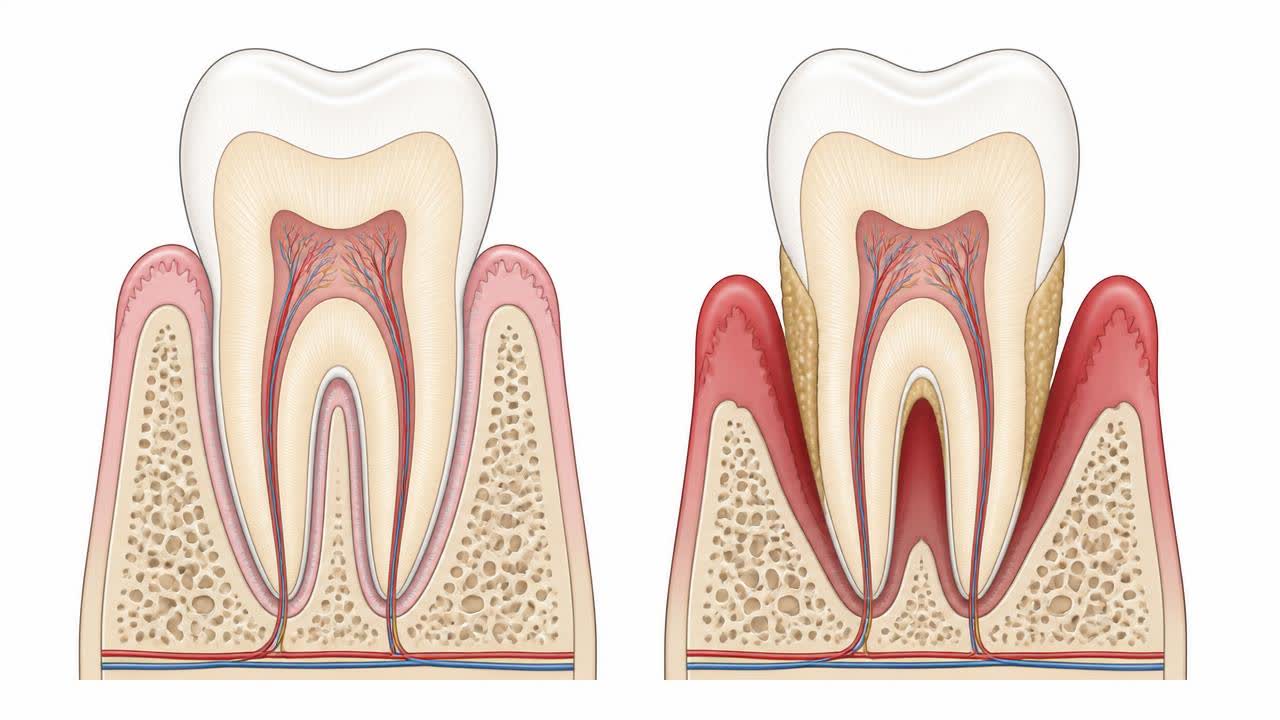
Gum disease is another leading cause, since periodontal pockets harbour bacteria that produce foul-smelling compounds as they break down tissue and food debris. In these cases, bad breath will typically not improve with mouthwash alone and requires treatment of the underlying gum condition to resolve properly.
Other Contributing Factors
Dry mouth, whether from mouth breathing, certain medications, or reduced saliva production, removes an important natural cleansing mechanism and allows bacteria to flourish, worsening breath odour. Tobacco and gutka use are particularly strong contributors, both through direct odour and through the gum disease and dry mouth they cause.
Less commonly, chronic sinus issues, tonsil stones, or digestive conditions can contribute to bad breath originating from beyond the mouth itself. Untreated tooth decay and old, poorly fitting restorations that trap food can also be a localised but significant source of persistent odour.
Practical Solutions
Effective management begins with thorough oral hygiene, including brushing the tongue or using a tongue scraper daily alongside brushing teeth and cleaning between them. Staying well hydrated supports healthy saliva flow, and reducing sugary snacks limits the fuel available for odour-producing bacteria.
If bad breath persists despite good home care, a dental examination can identify whether gum disease, decay, or another oral cause is responsible, allowing targeted treatment. Addressing tobacco use and, where appropriate, referral for evaluation of non-dental causes ensures the problem is tackled comprehensively rather than masked temporarily with mints or mouthwash.
Questions patients ask us
- Will mouthwash alone fix my bad breath?
- Mouthwash can mask odour temporarily, but if the underlying cause is gum disease, tongue bacteria or tooth decay, it will not resolve the problem on its own. Identifying and treating the actual cause gives far more lasting results than relying on mouthwash alone.
- Why is my breath worse in the morning?
- Saliva production naturally decreases during sleep, reducing the mouth's ability to wash away bacteria overnight. This allows odour-causing compounds to build up, which is why morning breath is common even in people with good oral hygiene.
- Does tongue cleaning really make a difference?
- Yes, the tongue surface harbours a significant amount of the bacteria responsible for bad breath. Adding daily tongue cleaning with a scraper or your toothbrush alongside regular brushing and flossing often produces a noticeable improvement in breath freshness.
- Can bad breath be a sign of a serious health problem?
- In most cases bad breath relates to oral causes such as gum disease or dry mouth, but persistent halitosis that does not respond to good oral hygiene can occasionally indicate sinus, digestive or other systemic issues, warranting broader evaluation alongside dental assessment.
Sources and further reading
Guidance from professional and public health bodies. Clinical decisions here are made on your own examination and radiographs.
- 1.EFP clinical practice guidelines for periodontitis — European Federation of Periodontology
- 2.Classification of periodontal and peri-implant diseases — American Academy of Periodontology
- 3.Prevention and treatment of periodontal diseases in practice — Scottish Dental Clinical Effectiveness Programme
- 4.Oral health — fact sheet and global status report — World Health Organization
- 5.Policy statements and oral health definitions — FDI World Dental Federation
- 6.Dental health — conditions, treatments and patient guidance — NHS (UK)
- 7.Systematic reviews of oral and dental interventions — Cochrane Oral Health
- 8.Regulatory framework and dental education standards in India — Dental Council of India
When to see us
Get examined without waiting if any of the following applies to you:
- Gums that bleed without provocation, or bleeding that has become heavier
- Teeth that feel loose, are drifting, or gaps that are opening up
- Persistent bad breath or taste, gum abscesses, or pus on pressing the gum
Get a written plan and cost before you commit
If this is what you are dealing with, the next step is a consultation with radiographs — gums & prevention cases are seen by the specialist who handles that field. You get a written plan and staged cost before anything begins.
reception@dramitsharmahospital.comThis article is general education and does not replace an in-person examination, radiographs or a diagnosis by a qualified dentist.
Clinical terms in this article
Related in Gums & Prevention
Bleeding Gums and Gum Disease: A Complete Guide
What bleeding gums usually mean, how gingivitis progresses into periodontal disease, and the treatment path from scaling to gum surgery.
Gum Disease: Detection and Treatment
From reversible gingivitis to periodontitis, the warning signs, staged treatment and the link to overall health.
Preventive Dentistry and Home Care
The routine that prevents most dental disease: brushing technique, interdental cleaning, diet and recall visits.
Chronic Bad Breath Caused by Gum Infection
Chronic bad breath, or halitosis, is frequently driven by underlying gum disease. Subgingival bacteria produce volatile sulphur compounds within periodontal pockets. Effective resolution requires professional periodontal debridement, targeted biofilm disruption, and meticulous daily interdental hygiene rather than cosmetic masking.
Loose Permanent Teeth from Advanced Periodontal Disease
Loose teeth from advanced gum disease occur when severe chronic inflammation destroys the supporting alveolar bone and periodontal ligament. With timely periodontal therapy, splinting, and meticulous plaque control, many loose teeth can be stabilised and preserved without extraction.
Furcation Involvement and Bone Loss Between Roots
Furcation involvement describes bone loss between the roots of multi-rooted molars caused by advanced periodontal disease. This clinical guide explains its causes, diagnostic staging, surgical and non-surgical therapies, daily maintenance, and red flag symptoms requiring urgent care.