At a glance
- Smokeless tobacco products, including gutka, khaini and paan masala, remain widely used across many parts of India, often perceived incorrectly as a safer alternative to smoking.
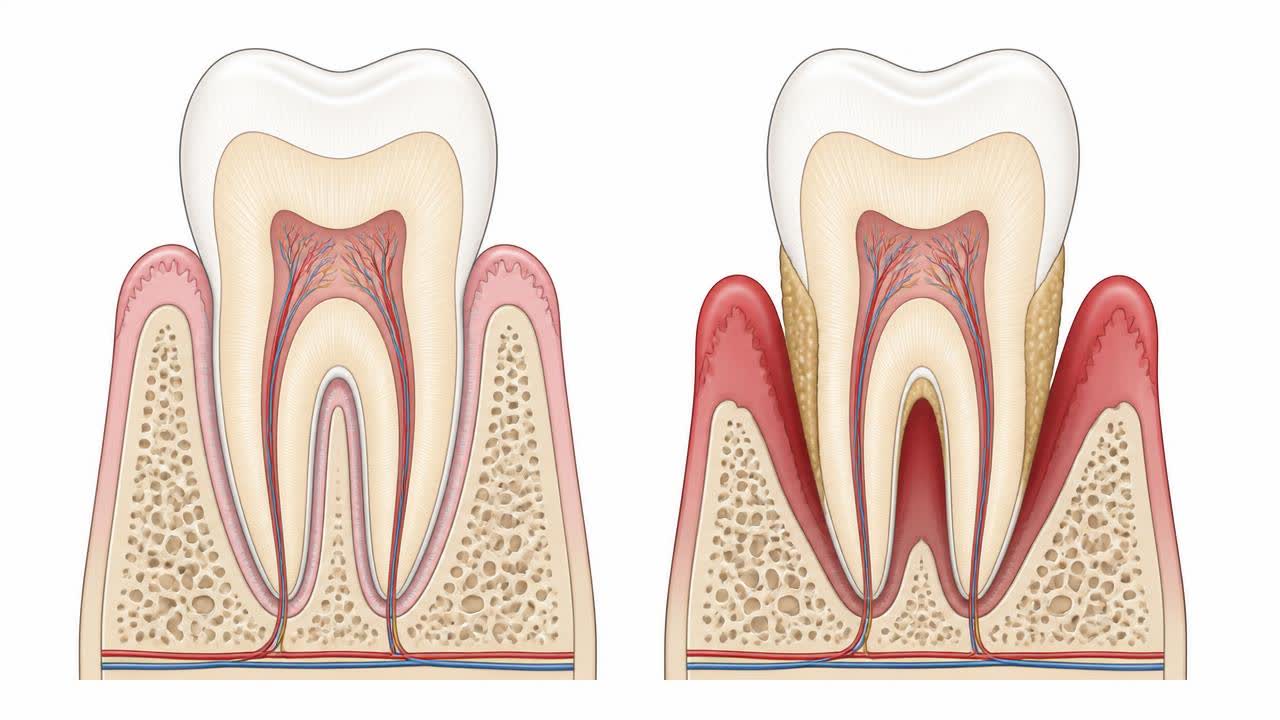
- Tobacco use, in any form, significantly worsens gum disease by impairing blood flow to the gums, which reduces the tissue's ability to fight infection and heal properly.
- One of the most serious concerns associated with gutka and areca nut use is oral submucous fibrosis, a condition in which the tissues inside the mouth become progressively stiff and fibrous, leading to difficulty opening the…
- Quitting tobacco and gutka is genuinely challenging given their addictive nature, but the oral health benefits begin relatively quickly, including improved gum healing and reduced further risk of serious complications.
The Scope of the Problem
Smokeless tobacco products, including gutka, khaini and paan masala, remain widely used across many parts of India, often perceived incorrectly as a safer alternative to smoking. In reality, these products deliver high concentrations of harmful chemicals directly to the oral tissues, causing damage that is frequently more localised and severe in the mouth than smoking alone.
In our clinical experience in Jaipur, we regularly see the oral health consequences of these habits, ranging from staining and gum disease to more serious precancerous and cancerous changes, underscoring why addressing tobacco use is such an important part of comprehensive dental care in this region.
Effects on Gums and Teeth
Tobacco use, in any form, significantly worsens gum disease by impairing blood flow to the gums, which reduces the tissue's ability to fight infection and heal properly. Smokers and gutka users often have more severe periodontitis, deeper pockets and greater bone loss compared with non-users, even with similar plaque levels.
Staining of the teeth, particularly with paan and gutka, can be pronounced and difficult to remove with regular brushing, often requiring professional cleaning or cosmetic treatment to address. Bad breath is also a very common and persistent complaint among regular users of these products.
Support for Quitting
Quitting tobacco and gutka is genuinely challenging given their addictive nature, but the oral health benefits begin relatively quickly, including improved gum healing and reduced further risk of serious complications. We encourage open, non-judgemental discussion about tobacco use during consultations, as this allows us to provide relevant advice and referral where appropriate.
Support options include counselling, nicotine replacement therapies where relevant, and connecting patients with dedicated tobacco cessation services. Even gradual reduction represents meaningful progress, and we are happy to discuss practical strategies suited to each patient's specific habits and circumstances during their visit.
Oral Submucous Fibrosis and Cancer Risk
One of the most serious concerns associated with gutka and areca nut use is oral submucous fibrosis, a condition in which the tissues inside the mouth become progressively stiff and fibrous, leading to difficulty opening the mouth fully, burning sensations while eating spicy food, and reduced tongue mobility. This condition is considered precancerous and requires careful ongoing monitoring.
Tobacco use in all its forms, combined with areca nut, substantially increases the risk of oral cancer, which frequently presents as a non-healing ulcer, a white or red patch, or a lump in the mouth. Regular oral examinations allow early detection of such changes, when treatment outcomes are considerably more favourable.
Questions patients ask us
- Is gutka safer than smoking for oral health?
- No, gutka and other smokeless tobacco products are not a safer alternative. They deliver concentrated harmful substances directly to oral tissues and are strongly linked to gum disease, oral submucous fibrosis and oral cancer, often causing more localised damage within the mouth than smoking.
- Can the damage from tobacco use be reversed after quitting?
- Some effects, such as staining and early gum inflammation, can improve significantly after quitting and with professional dental care. However, more advanced changes such as oral submucous fibrosis or significant bone loss from gum disease are generally not fully reversible, which highlights the value of quitting as early as possible.
- What are the early warning signs of oral cancer to watch for?
- Warning signs include a mouth ulcer that does not heal within two to three weeks, unexplained white or red patches, a persistent lump, difficulty swallowing, or numbness in the mouth or lips. Any of these symptoms should prompt prompt dental or medical evaluation.
- Will my dentist judge me for using tobacco or gutka?
- Our aim is to support your health, not to judge your habits. Being open about tobacco or gutka use helps us monitor your oral tissues appropriately and offer relevant advice or referral for cessation support tailored to your situation.
Sources and further reading
Guidance from professional and public health bodies. Clinical decisions here are made on your own examination and radiographs.
- 1.EFP clinical practice guidelines for periodontitis — European Federation of Periodontology
- 2.Classification of periodontal and peri-implant diseases — American Academy of Periodontology
- 3.Prevention and treatment of periodontal diseases in practice — Scottish Dental Clinical Effectiveness Programme
- 4.Oral health — fact sheet and global status report — World Health Organization
- 5.Policy statements and oral health definitions — FDI World Dental Federation
- 6.Dental health — conditions, treatments and patient guidance — NHS (UK)
- 7.Systematic reviews of oral and dental interventions — Cochrane Oral Health
- 8.Regulatory framework and dental education standards in India — Dental Council of India
When to see us
Get examined without waiting if any of the following applies to you:
- Gums that bleed without provocation, or bleeding that has become heavier
- Teeth that feel loose, are drifting, or gaps that are opening up
- Persistent bad breath or taste, gum abscesses, or pus on pressing the gum
Get a written plan and cost before you commit
If this is what you are dealing with, the next step is a consultation with radiographs — gums & prevention cases are seen by the specialist who handles that field. You get a written plan and staged cost before anything begins.
reception@dramitsharmahospital.comThis article is general education and does not replace an in-person examination, radiographs or a diagnosis by a qualified dentist.
Clinical terms in this article
Related in Gums & Prevention
Bleeding Gums and Gum Disease: A Complete Guide
What bleeding gums usually mean, how gingivitis progresses into periodontal disease, and the treatment path from scaling to gum surgery.
Gum Disease: Detection and Treatment
From reversible gingivitis to periodontitis, the warning signs, staged treatment and the link to overall health.
Preventive Dentistry and Home Care
The routine that prevents most dental disease: brushing technique, interdental cleaning, diet and recall visits.
Chronic Bad Breath Caused by Gum Infection
Chronic bad breath, or halitosis, is frequently driven by underlying gum disease. Subgingival bacteria produce volatile sulphur compounds within periodontal pockets. Effective resolution requires professional periodontal debridement, targeted biofilm disruption, and meticulous daily interdental hygiene rather than cosmetic masking.
Loose Permanent Teeth from Advanced Periodontal Disease
Loose teeth from advanced gum disease occur when severe chronic inflammation destroys the supporting alveolar bone and periodontal ligament. With timely periodontal therapy, splinting, and meticulous plaque control, many loose teeth can be stabilised and preserved without extraction.
Furcation Involvement and Bone Loss Between Roots
Furcation involvement describes bone loss between the roots of multi-rooted molars caused by advanced periodontal disease. This clinical guide explains its causes, diagnostic staging, surgical and non-surgical therapies, daily maintenance, and red flag symptoms requiring urgent care.