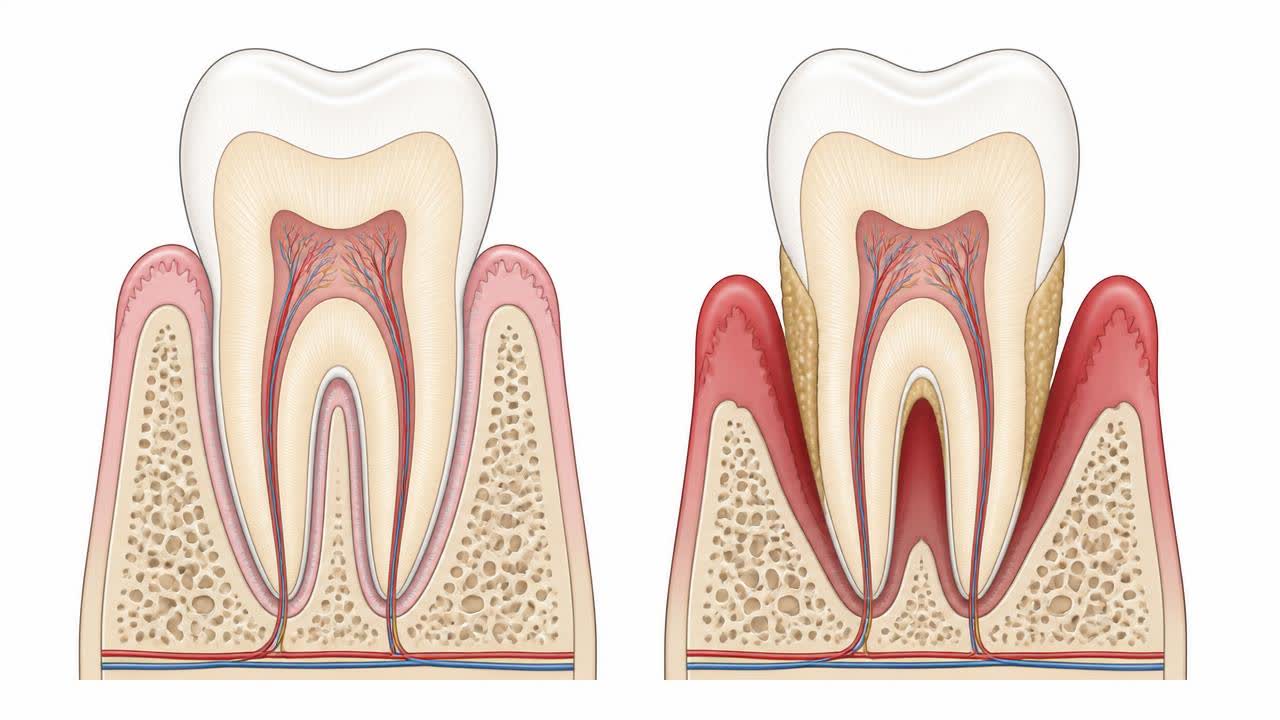
At a glance
- Plaque is a soft, sticky, and virtually invisible film of bacteria that constantly forms on your teeth.
- Tartar, also known as calculus, is what happens when plaque remains on your teeth for too long and absorbs minerals from your saliva, hardening into a calcified deposit.
- Preventing tartar is all about effectively managing plaque before it has a chance to harden.
- Even with an excellent home routine, some tartar buildup is inevitable for most people.
- Understanding the difference between plaque and tartar gives you the knowledge to take control of your oral health.
The Nature of Plaque
Plaque is a soft, sticky, and virtually invisible film of bacteria that constantly forms on your teeth. It is the primary cause of tooth decay and gum disease. When you eat, especially sugary or starchy foods, the bacteria in plaque convert these remnants into acids that attack your enamel. If not removed through daily brushing and flossing, plaque accumulates and hardens, creating a persistent threat to your long-term oral health.
The process of plaque formation is continuous, which is why your daily oral hygiene routine is so critical. You cannot prevent plaque from forming entirely, but you can control it through regular, effective cleaning. Failing to remove plaque daily allows it to thrive and harden into tartar, a much more serious problem that requires professional intervention. Consistent effort is your most effective defence against this persistent and harmful bacterial film.
When Plaque Becomes Tartar
Tartar, also known as calculus, is what happens when plaque remains on your teeth for too long and absorbs minerals from your saliva, hardening into a calcified deposit. Unlike plaque, which you can easily remove yourself with a toothbrush and floss, tartar is firmly attached to your teeth and cannot be removed at home. It is porous and provides an even better surface for more plaque to accumulate, accelerating the cycle of damage.
Once tartar has formed, it acts like a magnet for more plaque, which in turn leads to more tartar. This cycle can quickly escalate, leading to gum inflammation, bleeding, and eventually more serious issues like periodontitis. The presence of tartar is a clear sign that professional dental cleaning is required to remove these deposits and restore your teeth and gums to a healthy state. Do not ignore the early warning signs.
Prevention is Possible
Preventing tartar is all about effectively managing plaque before it has a chance to harden. Brushing twice a day for two minutes with a fluoride toothpaste is your first and most important step. Equally critical is daily interdental cleaning—whether with floss, interdental brushes, or a water flosser—to remove plaque from the tight spaces between your teeth. By being diligent, you can prevent the vast majority of tartar buildup.
Your diet also plays a significant role in plaque and tartar formation. Reducing your intake of sugary and starchy snacks limits the food supply for the bacteria in your mouth, which in turn reduces the amount of acid they produce and the speed at which plaque accumulates. Choosing healthier, fibrous foods can help clean your teeth naturally, supporting your efforts to keep plaque under control throughout the day and night.
The Role of Professionals
Even with an excellent home routine, some tartar buildup is inevitable for most people. This is why regular professional dental cleanings at Dr. Amit Sharma Super Speciality Dental Hospital are so essential. Our team can remove hardened tartar deposits that you cannot reach, preventing further damage to your gums and teeth. These check-ups are also an opportunity to identify any areas where your cleaning routine might need improvement.
Do not wait until you see visible tartar or experience gum bleeding before scheduling your next check-up. Regular visits are a proactive way to maintain your health and avoid more invasive and costly treatments in the future. By working together, we can monitor your oral hygiene and provide the support and guidance you need to keep your smile healthy, strong, and beautiful for many, many years to come.
Empower Your Smile
Understanding the difference between plaque and tartar gives you the knowledge to take control of your oral health. You are the one who makes the difference every day with your brush and floss. Embrace this role and take pride in your consistent efforts. When you do, you are not just cleaning your teeth; you are investing in your long-term well-being, comfort, and the lasting health of your smile.
If you have any questions about your own dental health, or if you suspect you might have tartar buildup that needs professional removal, please contact us. We are here to help you understand your mouth better and provide the care that you need to thrive. Together, we can keep your mouth free from the damage of plaque and tartar, ensuring a lifetime of confidence and great oral health.
Questions patients ask us
- What is the difference between plaque and tartar?
- Plaque is a soft, sticky film of bacteria that you can remove with daily brushing and flossing. Tartar (calculus) is hardened, calcified plaque that is firmly attached to your teeth. Once plaque turns into tartar, you cannot remove it at home; you need professional dental cleaning to get rid of it.
- How fast does tartar form?
- The speed at which plaque hardens into tartar varies from person to person, depending on your diet, saliva composition, and the quality of your oral hygiene. For some, it can start to harden within just twenty-four to forty-eight hours if plaque is left undisturbed on the teeth. Regular, effective cleaning is essential.
- Can I remove tartar myself?
- No, you cannot safely remove tartar at home. Trying to scrape it off yourself can easily damage your teeth and gums, causing permanent harm. Only dental professionals have the correct tools and training to safely remove tartar deposits from your teeth without causing damage to your delicate gum tissue or tooth surfaces.
- Why do I get tartar if I brush?
- Even with diligent brushing, some areas—especially between teeth or near the gum line—can be missed or not cleaned thoroughly enough to prevent plaque from building up. If you have any plaque left behind, it can eventually mineralise into tartar. Regular professional cleanings are the necessary final step in your total oral health routine.
Sources and further reading
Guidance from professional and public health bodies. Clinical decisions here are made on your own examination and radiographs.
- 1.EFP clinical practice guidelines for periodontitis — European Federation of Periodontology
- 2.Classification of periodontal and peri-implant diseases — American Academy of Periodontology
- 3.Prevention and treatment of periodontal diseases in practice — Scottish Dental Clinical Effectiveness Programme
- 4.Oral health — fact sheet and global status report — World Health Organization
- 5.Policy statements and oral health definitions — FDI World Dental Federation
- 6.Dental health — conditions, treatments and patient guidance — NHS (UK)
- 7.Systematic reviews of oral and dental interventions — Cochrane Oral Health
- 8.Regulatory framework and dental education standards in India — Dental Council of India
When to see us
Get examined without waiting if any of the following applies to you:
- Gums that bleed without provocation, or bleeding that has become heavier
- Teeth that feel loose, are drifting, or gaps that are opening up
- Persistent bad breath or taste, gum abscesses, or pus on pressing the gum
Get a written plan and cost before you commit
If this is what you are dealing with, the next step is a consultation with radiographs — gums & prevention cases are seen by the specialist who handles that field. You get a written plan and staged cost before anything begins.
reception@dramitsharmahospital.comThis article is general education and does not replace an in-person examination, radiographs or a diagnosis by a qualified dentist.
Clinical terms in this article
Related in Gums & Prevention
Bleeding Gums and Gum Disease: A Complete Guide
What bleeding gums usually mean, how gingivitis progresses into periodontal disease, and the treatment path from scaling to gum surgery.
Gum Disease: Detection and Treatment
From reversible gingivitis to periodontitis, the warning signs, staged treatment and the link to overall health.
Preventive Dentistry and Home Care
The routine that prevents most dental disease: brushing technique, interdental cleaning, diet and recall visits.
Chronic Bad Breath Caused by Gum Infection
Chronic bad breath, or halitosis, is frequently driven by underlying gum disease. Subgingival bacteria produce volatile sulphur compounds within periodontal pockets. Effective resolution requires professional periodontal debridement, targeted biofilm disruption, and meticulous daily interdental hygiene rather than cosmetic masking.
Loose Permanent Teeth from Advanced Periodontal Disease
Loose teeth from advanced gum disease occur when severe chronic inflammation destroys the supporting alveolar bone and periodontal ligament. With timely periodontal therapy, splinting, and meticulous plaque control, many loose teeth can be stabilised and preserved without extraction.
Furcation Involvement and Bone Loss Between Roots
Furcation involvement describes bone loss between the roots of multi-rooted molars caused by advanced periodontal disease. This clinical guide explains its causes, diagnostic staging, surgical and non-surgical therapies, daily maintenance, and red flag symptoms requiring urgent care.