At a glance
- Pregnancy gingivitis is a condition caused by the significant hormonal fluctuations during pregnancy.
- Symptoms often appear in the first trimester and can persist throughout pregnancy.
- The best way to manage pregnancy gingivitis is through a combination of meticulous daily home care and regular professional cleanings.
- Maintaining good oral health is important for your overall health throughout your pregnancy.
- Once your baby is born, your hormone levels will begin to shift back, and in most cases, the gum sensitivity and inflammation will resolve naturally.
What is Pregnancy Gingivitis?
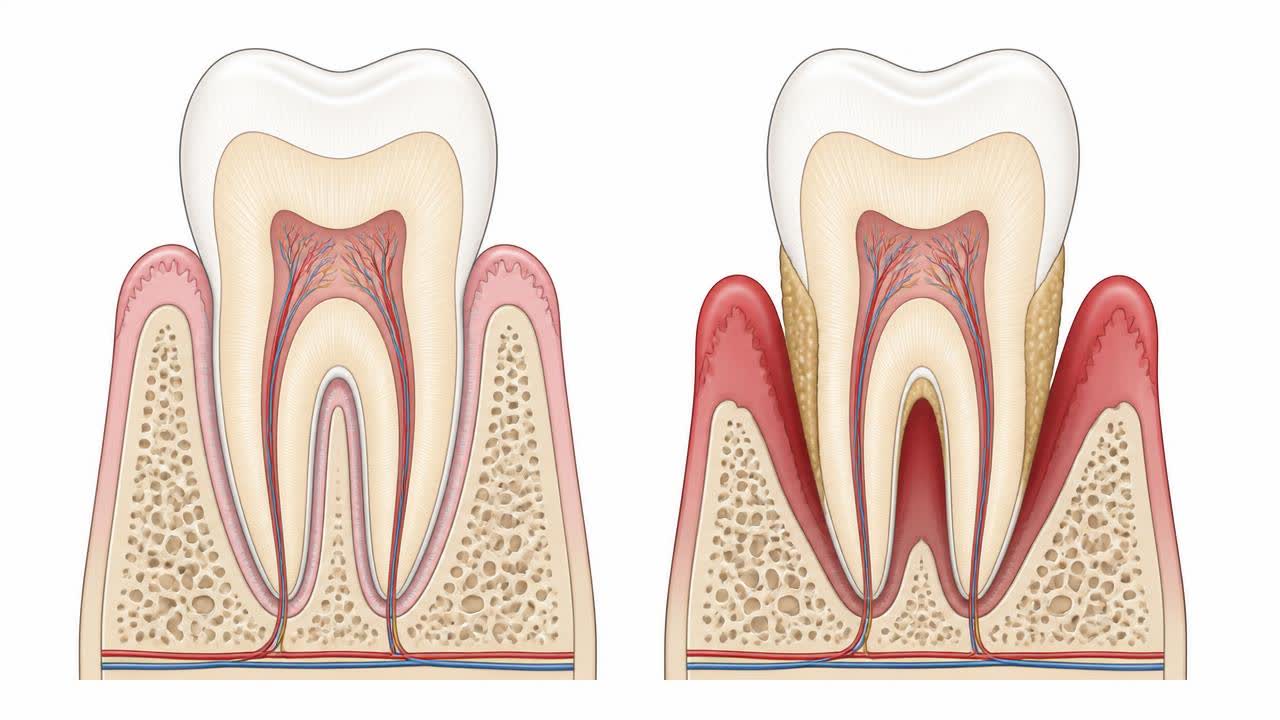
Pregnancy gingivitis is a condition caused by the significant hormonal fluctuations during pregnancy. These hormonal shifts change the way your gums respond to the bacteria that are normally present in your mouth, often making them more sensitive, red, and prone to bleeding. This is very common, and it is a perfectly manageable condition with the right professional dental support and home care.
At Dr. Amit Sharma Super Speciality Dental Hospital, we are dedicated to helping you navigate these changes with confidence. We understand how important it is to keep your mouth healthy for both you and your baby. Our team provides gentle, effective, and safe care, ensuring that any inflammation is managed promptly so that your comfort and health are maintained throughout your pregnancy.
Recognising the Early Symptoms
Symptoms often appear in the first trimester and can persist throughout pregnancy. You might notice your gums looking more swollen or tender than usual, and you may find that they bleed when you brush or floss. Sometimes, a small, benign growth known as a 'pregnancy tumour' can appear on the gum line, but this is usually harmless and often disappears on its own after your baby is born.
If you notice these changes, don't worry, but do reach out to us. We will provide a thorough assessment to ensure everything is on the right track. Early and consistent professional care is the best way to keep your gums healthy, reduce your discomfort, and ensure you have a comfortable and problem-free experience during your pregnancy.
Managing Your Oral Health
The best way to manage pregnancy gingivitis is through a combination of meticulous daily home care and regular professional cleanings. This includes brushing twice daily, flossing every single day, and staying on top of your scheduled dental check-ups. We will teach you the gentlest, most effective ways to keep your gums clean without further irritating them during this time of increased sensitivity.
Our clinic is committed to providing a calm, stress-free environment for expectant mothers. We prioritise your comfort, ensuring all our treatments are safe and tailored to your needs. If you have any concerns or need advice on your home routine, our team is always here to help. We are dedicated to your comfort and your long-term wellness during this special time.
The Importance of Care
Maintaining good oral health is important for your overall health throughout your pregnancy. Chronic, untreated inflammation can potentially have impacts on other aspects of your health, making professional periodontal care a crucial part of your prenatal wellness routine. We work with you to ensure that any gum inflammation remains controlled, protecting your comfort and safeguarding your long-term periodontal health for years to come.
At Dr. Amit Sharma Super Speciality Dental Hospital, we provide expert care designed specifically for the needs of our pregnant patients. We are here to address all your questions and concerns in a compassionate, welcoming way. If you are pregnant and have noticed changes in your gums, reach out to us today. We are here to support you in maintaining your beautiful, healthy smile.
Looking After Your Smile Long-Term
Once your baby is born, your hormone levels will begin to shift back, and in most cases, the gum sensitivity and inflammation will resolve naturally. However, keeping up with your professional maintenance and consistent home care will ensure that your gums remain in the best possible condition, providing a healthy foundation for the long term. Your focus on your dental health now is a gift to your long-term well-being.
We are here to support you at every stage, including before, during, and after your pregnancy. If you have any questions or are ready to schedule a professional cleaning, please contact our helpline today. We are always happy to help our patients and are committed to providing the expert, compassionate care that your family deserves. Let us help you maintain your beautiful, healthy smile.
Questions patients ask us
- Is it safe to visit the dentist while pregnant?
- Yes, it is perfectly safe and highly recommended to visit us while you are pregnant. In fact, maintaining good oral health is a vital part of your overall prenatal care. We use completely safe, non-invasive procedures and are dedicated to ensuring your comfort throughout every visit.
- Will pregnancy gingivitis go away on its own?
- Yes, in most cases, the swelling and sensitivity will naturally resolve once your baby is born and your hormone levels return to normal. However, professional dental care during your pregnancy is still very important to prevent the inflammation from leading to more serious, long-term dental issues.
- What is a 'pregnancy tumour'?
- A pregnancy tumour is a small, benign (non-cancerous) swelling that can grow on your gum line due to hormonal changes. While they might look concerning, they are typically harmless, painless, and usually fade away after the baby is born. We can monitor them during your regular check-ups.
- How can I brush effectively if my gums are tender?
- We recommend using an ultra-soft-bristled brush and very gentle, circular motions. Focus on being thorough rather than vigorous. We can demonstrate the best, most comfortable technique for you during your next visit and provide advice on the best products for your sensitive gums.
Sources and further reading
Guidance from professional and public health bodies. Clinical decisions here are made on your own examination and radiographs.
- 1.EFP clinical practice guidelines for periodontitis — European Federation of Periodontology
- 2.Classification of periodontal and peri-implant diseases — American Academy of Periodontology
- 3.Prevention and treatment of periodontal diseases in practice — Scottish Dental Clinical Effectiveness Programme
- 4.Oral health — fact sheet and global status report — World Health Organization
- 5.Policy statements and oral health definitions — FDI World Dental Federation
- 6.Dental health — conditions, treatments and patient guidance — NHS (UK)
- 7.Systematic reviews of oral and dental interventions — Cochrane Oral Health
- 8.Regulatory framework and dental education standards in India — Dental Council of India
When to see us
Get examined without waiting if any of the following applies to you:
- Gums that bleed without provocation, or bleeding that has become heavier
- Teeth that feel loose, are drifting, or gaps that are opening up
- Persistent bad breath or taste, gum abscesses, or pus on pressing the gum
Get a written plan and cost before you commit
If this is what you are dealing with, the next step is a consultation with radiographs — gums & prevention cases are seen by the specialist who handles that field. You get a written plan and staged cost before anything begins.
reception@dramitsharmahospital.comThis article is general education and does not replace an in-person examination, radiographs or a diagnosis by a qualified dentist.
Clinical terms in this article
Related in Gums & Prevention
Bleeding Gums and Gum Disease: A Complete Guide
What bleeding gums usually mean, how gingivitis progresses into periodontal disease, and the treatment path from scaling to gum surgery.
Gum Disease: Detection and Treatment
From reversible gingivitis to periodontitis, the warning signs, staged treatment and the link to overall health.
Preventive Dentistry and Home Care
The routine that prevents most dental disease: brushing technique, interdental cleaning, diet and recall visits.
Chronic Bad Breath Caused by Gum Infection
Chronic bad breath, or halitosis, is frequently driven by underlying gum disease. Subgingival bacteria produce volatile sulphur compounds within periodontal pockets. Effective resolution requires professional periodontal debridement, targeted biofilm disruption, and meticulous daily interdental hygiene rather than cosmetic masking.
Loose Permanent Teeth from Advanced Periodontal Disease
Loose teeth from advanced gum disease occur when severe chronic inflammation destroys the supporting alveolar bone and periodontal ligament. With timely periodontal therapy, splinting, and meticulous plaque control, many loose teeth can be stabilised and preserved without extraction.
Furcation Involvement and Bone Loss Between Roots
Furcation involvement describes bone loss between the roots of multi-rooted molars caused by advanced periodontal disease. This clinical guide explains its causes, diagnostic staging, surgical and non-surgical therapies, daily maintenance, and red flag symptoms requiring urgent care.