At a glance
- Pregnancy induces profound physiological changes throughout the body, and the oral cavity is no exception.
- The primary aetiological driver of pregnancy-related oral disease remains the presence of microbial plaque; systemic hormones do not cause disease independently, but rather intensify the host tissue response.
- Pregnancy gingivitis is the most prevalent oral manifestation, typically emerging in the first trimester, peaking during the second or third, and gradually resolving post-partum if plaque is controlled.
- A rigorous clinical examination begins with a comprehensive medical history, noting gestational age, obstetric complications, and systemic symptoms.
- Planning dental work while pregnant requires careful consideration of gestational stages to maximise patient comfort and safety.
Oral Anatomy and Physiological Changes During Gestation
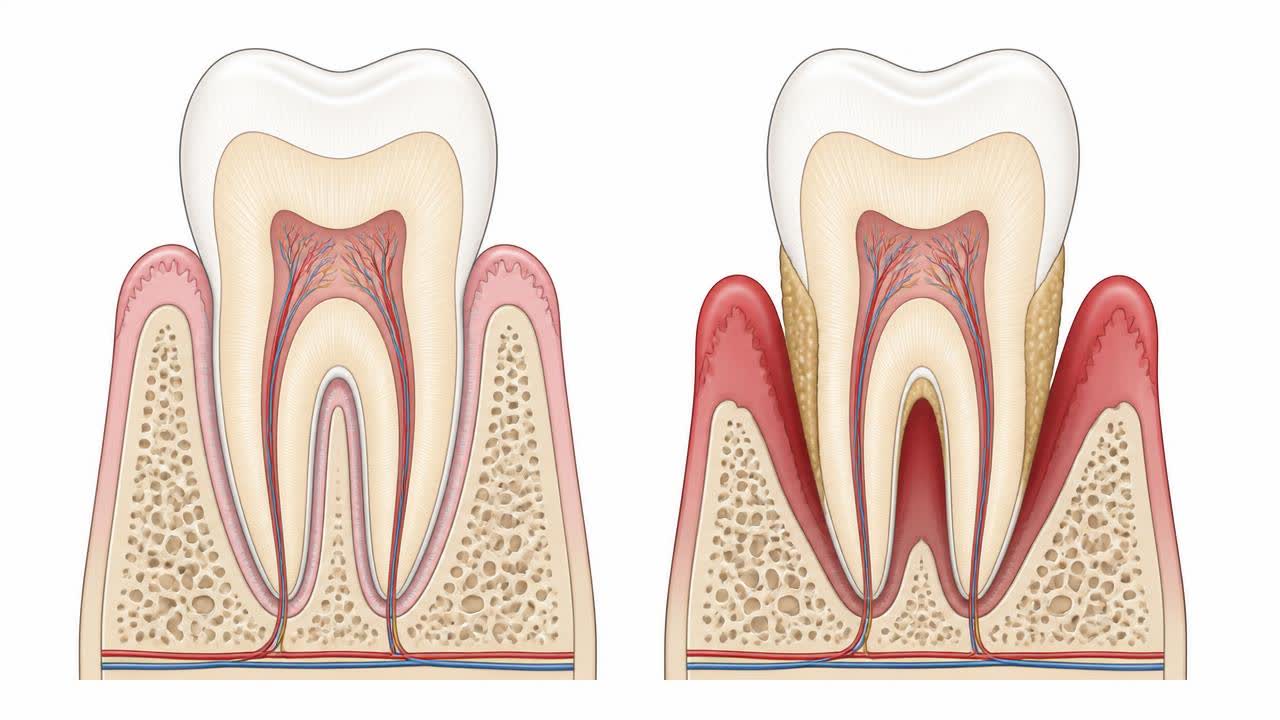
Pregnancy induces profound physiological changes throughout the body, and the oral cavity is no exception. The periodontium—the specialised apparatus comprising the gingiva (gums), periodontal ligament, cementum, and alveolar bone that anchors teeth—is exquisitely sensitive to systemic endocrine fluctuations. During gestation, circulating levels of progesterone and oestrogen increase markedly. Progesterone causes vascular dilation and increases microvascular permeability within the gingival tissues, predisposing them to hyperaemia (increased blood flow) and oedema (swelling). Consequently, the gingiva exhibits an exaggerated inflammatory response to even minimal amounts of dental biofilm, commonly known as bacterial plaque.
These hormonal alterations also alter the composition of the subgingival microbiome and modify the maternal immune response. Cell-mediated immunity is naturally downregulated to maintain foetal tolerance, which simultaneously diminishes the maternal capacity to suppress periodontal pathogens such as Porphyromonas gingivalis and Prevotella intermedia. As a result, the marginal gingiva and interdental papillae (the triangular gum tissue between teeth) can become friable, erythematous (red), and prone to bleeding upon light mechanical provocation, such as routine toothbrushing or flossing. Understanding these physiological adaptations highlights why maintaining optimal oral hygiene and seeking professional care is essential throughout pregnancy.
Diagnostic Assessment and Radiation Safety
A rigorous clinical examination begins with a comprehensive medical history, noting gestational age, obstetric complications, and systemic symptoms. Dentists employ the Basic Periodontal Examination (BPE) or comprehensive periodontal charting using a light-force periodontal probe to assess probing depths, bleeding on probing, and subgingival calculus deposits. Clinicians also inspect all soft tissues, evaluating mucosal integrity, salivary flow, and structural lesions. Differential diagnosis is crucial: clinicians must distinguish benign pregnancy gingivitis from severe periodontitis, leukaemia-associated gingival enlargement, nutritional scorbutic gingivitis, or medication-induced hyperplasia.
A common area of patient anxiety involves diagnostic dental radiographs. Contemporary clinical consensus confirms that diagnostic dental imaging is safe during all stages of pregnancy when clinically justified. Standard periapical and bitewing radiographs utilise extremely low doses of collimated radiation directed away from the abdominal cavity. When combined with modern digital sensors, high-speed receptors, and lead-equivalent apron shielding with thyroid collars, foetal exposure to scatter radiation is virtually non-existent and falls well below any threshold known to cause adverse teratogenic or developmental effects. Deferring essential diagnostic imaging risks missing acute infections that pose far greater hazards to maternal and foetal health.
Clinical Manifestations: From Gingivitis to Pyogenic Granuloma
Pregnancy gingivitis is the most prevalent oral manifestation, typically emerging in the first trimester, peaking during the second or third, and gradually resolving post-partum if plaque is controlled. Patients frequently observe spontaneous bleeding, generalised tenderness, marginal swelling, and persistent halitosis (bad breath). The gingiva may alter in colour from a healthy stippled pale pink to an angry deep red or violaceous hue. If pre-existing chronic periodontitis was present prior to conception, the hormonal milieu can accelerate clinical attachment loss and alveolar bone resorption, presenting as deepened periodontal pockets, gingival recession, or unexplained tooth mobility.
Another distinct clinical presentation is the pregnancy epulis, also known as a pyogenic granuloma or pregnancy tumour. Despite its alarming name, this lesion is entirely benign. It presents as a discrete, pedunculated (stalked) or sessile (broad-based), vascular nodule that typically arises from the interdental papilla. These lesions bleed profusely upon mastication or probing, cause functional discomfort, and can interfere with proper occlusion (the bite). Additionally, altered salivary dynamics may result in either ptyalism (excessive salivation) or xerostomia (dry mouth), the latter of which compromises the protective antimicrobial and buffering capacity of saliva.
Timing Dental Work While Pregnant Across Trimesters
Planning dental work while pregnant requires careful consideration of gestational stages to maximise patient comfort and safety. Routine preventive care—such as scale and polish procedures, oral hygiene instructions, and examinations—is entirely safe across all trimesters. However, the second trimester (weeks 14 through 27) is universally recognised as the optimal window for performing elective restorations, routine periodontal debridement, and non-emergent dental work. During this period, foetal organogenesis is complete, the risk of morning sickness has generally subsided, and maternal physical comfort remains relatively unimpaired.
The first trimester is the critical period for organ development, leading clinicians to typically avoid extensive elective procedures, though urgent interventions for acute pain or infection are never delayed. In the late third trimester, prolonged dental appointments can become physically arduous. Furthermore, clinicians must guard against supine hypotensive syndrome, wherein the gravid uterus compresses the inferior vena cava when the patient lies flat, causing a rapid drop in maternal blood pressure, dizziness, and reduced uteroplacental perfusion. Clinicians mitigate this by angling the dental chair semi-upright or placing a small wedge or pillow under the patient's right hip to tilt the pelvis towards the left.
What Happens During a Pregnancy Dental Cleaning Appointment
A routine professional cleaning during pregnancy begins with a comfortable seating position adjusted to your gestational stage. The dental hygienist or dentist first performs an extra-oral and intra-oral assessment to identify areas of inflammation, plaque accumulation, and hard calculus (tartar). Using ultrasonic scalers or precision hand curettes, the clinician systematically removes supra-gingival (above the gum) and sub-gingival (below the gum) deposits. Ultrasonic instruments emit high-frequency vibrations coupled with water lavage to dislodge calculus and flush out bacterial endotoxins from inflamed pockets with minimal pressure.
Because inflamed gingival tissues are vascular and tender, the cleaning is executed with deliberate gentleness. The clinician may use topical local anaesthetic gels on sensitive gum margins to ensure complete comfort without requiring injections. Following debridement, teeth are gently polished with a fine prophylactic paste to remove residual extrinsic stains and smooth the enamel surface, making it harder for new biofilm to adhere. The clinician concludes by delivering tailored oral hygiene coaching, demonstrating bespoke flossing techniques or interdental brush sizing suited to your specific anatomical spaces and current tissue tone.
Pharmacological Safety: Anaesthesia, Analgesics, and Antimicrobials
Delivering pain-free dental work while pregnant is vital, as unmanaged pain and maternal stress release endogenous catecholamines that can adversely affect placental blood flow. Local anaesthetics containing 2% lignocaine (lidocaine) with 1:100,000 adrenaline (epinephrine) are safe for use during pregnancy. Adrenaline serves as a local vasoconstrictor, keeping the anaesthetic localised, prolonging analgesia, and reducing systemic absorption. Clinicians employ aspiration techniques to ensure intravascular injection is strictly avoided, delivering the minimum effective dose necessary for profound local comfort.
Prescription medications must be selected with strict adherence to safety profiles. Paracetamol is the first-line analgesic of choice for managing dental pain during pregnancy. Non-steroidal anti-inflammatory drugs (NSAIDs) such as ibuprofen should be avoided, particularly in the third trimester, due to the risk of premature closure of the foetal ductus arteriosus and impaired renal function. When bacterial odontogenic infections necessitate systemic antimicrobial therapy, beta-lactam antibiotics like amoxicillin, cephalosporins, or clindamycin are generally safe choices, whereas tetracyclines are strictly contraindicated due to irreversible intrinsic staining of developing foetal dentition and skeletal growth suppression.
Evidence and further reading
Major international health authorities and professional dental associations demonstrate clear consensus regarding maternal oral healthcare. The American Dental Association (ADA), the American College of Obstetricians and Gynecologists (ACOG), the European Federation of Periodontology (EFP), and the World Health Organization (WHO) consistently affirm that preventive, diagnostic, and therapeutic dental procedures are safe throughout all trimesters of pregnancy. Guidelines published by the National Institute for Health and Care Excellence (NICE) in the United Kingdom similarly recommend that pregnant women attend routine dental check-ups, noting that avoiding care poses documented hazards to maternal health.
Systematic reviews published in mainstream journals, such as the Journal of Clinical Periodontology and the Journal of the American Dental Association (JADA), consistently demonstrate that professional mechanical plaque removal and non-surgical periodontal therapy successfully resolve gestational gingival inflammation without inducing adverse obstetric events. Clinicians and patients are encouraged to consult resources and consensus statements from the European Federation of Periodontology, the British Society of Periodontology and Implantology, and national maternal oral health clinical guidelines for detailed, evidence-based recommendations.
Causes, Hormonal Shifts, and Modifiable Risk Factors
The primary aetiological driver of pregnancy-related oral disease remains the presence of microbial plaque; systemic hormones do not cause disease independently, but rather intensify the host tissue response. Elevated progesterone facilitates the transudation of fluid into the gingival sulcus (the natural pocket between tooth and gum), enriching gingival crevicular fluid with nutrients that selective anaerobes metabolise. In addition, hyperemesis gravidarum (severe nausea and vomiting) and gastro-oesophageal reflux expose the coronal enamel and exposed dentine to gastric hydrochloric acid, precipitating dental erosion and reducing intra-oral pH. This acidic environment favours the proliferation of cariogenic (cavity-causing) organisms such as Streptococcus mutans.
Lifestyle and dietary modifications also heighten risk. Frequent snacking on refined carbohydrates to combat nausea provides sustained substrate for bacterial fermentation, accelerating tooth decay. In various global populations, including communities across South Asia, traditional practices such as the consumption of paan (betel leaf preparations), areca nut, and gutka present compounded hazards. Betel quid accelerates periodontal breakdown, stains tooth structure, and introduces potent chemical irritants to already fragile mucosal tissues. Furthermore, variable dietary access and iron or folate deficiencies can impair mucosal repair, underscoring the necessity of addressing both systemic and behavioural factors during clinical evaluation.
Home Maintenance, Diet, and Managing Gastric Reflux
Effective daily biofilm removal at home forms the cornerstone of gestational oral health. Patients should brush twice daily using a soft-bristled manual or oscillating-power toothbrush with standard fluoridated toothpaste (at least 1350–1450 ppm fluoride) to reinforce enamel against demineralisation. Cleaning interdentally once per day with dental floss or interdental brushes is critical, as toothbrush bristles cannot access the tight proximal spaces where pregnancy gingivitis typically begins. If gums bleed, patients must not stop cleaning; bleeding reflects underlying inflammation that resolves only with meticulous, sustained plaque removal.
For patients experiencing morning sickness, vomiting, or acid reflux, specific post-emesis protocols are crucial to prevent severe enamel erosion. Brushing immediately after vomiting must be avoided because the gastric acid temporarily softens the outer enamel layer; mechanical scrubbing at this moment causes accelerated tooth wear. Instead, patients should immediately rinse with plain water or a solution containing half a teaspoon of sodium bicarbonate (baking soda) dissolved in a cup of water to neutralise intra-oral acidity. Waiting at least 30 to 60 minutes before brushing allows saliva to naturally remineralise the softened tooth surfaces.
Potential Complications and Red Flag Symptoms
Untreated oral disease during gestation is not merely a localised inconvenience; sustained maternal periodontal inflammation has been investigated as an independent risk factor for systemic adverse pregnancy outcomes. Periodontal pathogens and their inflammatory by-products (such as prostaglandins and interleukin-6) can potentially enter the systemic bloodstream, triggering a cascade that has been associated with preterm delivery, low birth weight, and pre-eclampsia. While routine professional debridement substantially reduces local bacterial load and maternal inflammation, proactive management remains the safest standard of care.
Patients must be fully informed of red flag symptoms that warrant immediate, emergency dental evaluation rather than waiting for post-partum care. These include rapid or spreading facial, submandibular, or periorbital swelling; difficulty swallowing (dysphagia) or breathing; elevated body temperature and chills indicative of systemic sepsis; sudden severe throbbing pain unmanaged by standard paracetamol; and persistent, uncontrollable gingival haemorrhage. Acute dental abscesses and spreading fascial space infections are medical emergencies requiring immediate clinical drainage and targeted antimicrobial intervention to safeguard both mother and foetus.
Questions patients ask us
- Is it safe to receive routine dental work while pregnant?
- Yes. Routine dental work, including dental cleanings, examinations, fillings, and emergency interventions, is completely safe and clinically recommended throughout pregnancy. Treating active infections and controlling plaque protects maternal health and prevents oral bacteria from causing systemic complications.
- Can I have local anaesthetic during dental procedures while pregnant?
- Yes. Local anaesthetics such as lignocaine with adrenaline are considered safe during pregnancy. Effective local anaesthesia prevents maternal pain and physical stress, which is beneficial for both the mother and developing foetus. Always inform your dentist about your pregnancy so they select appropriate dosages.
- Are dental X-rays safe during pregnancy?
- Yes, diagnostic dental X-rays are safe. Modern digital radiography produces extremely low radiation doses focused solely on the mouth. When combined with abdominal lead aprons and thyroid shields, radiation exposure to the pelvic region and foetus is virtually undetectable.
- What is a pregnancy tumour or epulis, and will it go away?
- A pregnancy epulis (pyogenic granuloma) is a completely benign, vascular growth on the gum tissue triggered by hormonal changes and plaque. It is not cancerous. Many regress spontaneously post-partum; however, if it interferes with eating, bleeds excessively, or causes pain, it can be safely excised under local anaesthesia.
- Why do my gums bleed so much more now that I am pregnant?
- Elevated pregnancy hormones—especially progesterone—increase blood flow to the gums and exaggerate the tissue's inflammatory reaction to dental plaque. Even tiny amounts of bacteria can cause redness, swelling, and bleeding. Regular brushing, flossing, and professional cleanings effectively manage this inflammation.
- How should I care for my teeth if I have frequent morning sickness?
- Do not brush your teeth immediately after vomiting, as stomach acid temporarily softens enamel, and brushing can scrub it away. Instead, rinse your mouth with water or a solution of water and half a teaspoon of baking soda to neutralise the acid. Wait 30 to 60 minutes before gentle brushing.
- Can untreated gum disease affect my pregnancy?
- Yes. Research suggests that chronic, untreated periodontal disease is linked to higher risks of adverse outcomes, including preterm birth and low birth weight. Periodontal bacteria and inflammatory molecules can enter the bloodstream, reinforcing the importance of keeping gums healthy through professional care.
- Should I postpone elective cosmetic treatments like teeth whitening?
- Yes. Purely elective cosmetic procedures, such as non-urgent professional teeth whitening, veneers, or non-essential cosmetic bonding, should be postponed until after delivery. While essential health-maintaining treatments proceed as normal, delaying cosmetic procedures avoids unnecessary chemical exposures and prolonged chair times.
Sources and further reading
Guidance from professional and public health bodies. Clinical decisions here are made on your own examination and radiographs.
- 1.EFP clinical practice guidelines for periodontitis — European Federation of Periodontology
- 2.Classification of periodontal and peri-implant diseases — American Academy of Periodontology
- 3.Prevention and treatment of periodontal diseases in practice — Scottish Dental Clinical Effectiveness Programme
- 4.Oral health — fact sheet and global status report — World Health Organization
- 5.Policy statements and oral health definitions — FDI World Dental Federation
- 6.Dental health — conditions, treatments and patient guidance — NHS (UK)
- 7.Systematic reviews of oral and dental interventions — Cochrane Oral Health
- 8.Regulatory framework and dental education standards in India — Dental Council of India
When to see us
Get examined without waiting if any of the following applies to you:
- Gums that bleed without provocation, or bleeding that has become heavier
- Teeth that feel loose, are drifting, or gaps that are opening up
- Persistent bad breath or taste, gum abscesses, or pus on pressing the gum
Get a written plan and cost before you commit
If this is what you are dealing with, the next step is a consultation with radiographs — gums & prevention cases are seen by the specialist who handles that field. You get a written plan and staged cost before anything begins.
reception@dramitsharmahospital.comThis article is general education and does not replace an in-person examination, radiographs or a diagnosis by a qualified dentist.
Clinical terms in this article
Related in Gums & Prevention
Bleeding Gums and Gum Disease: A Complete Guide
What bleeding gums usually mean, how gingivitis progresses into periodontal disease, and the treatment path from scaling to gum surgery.
Gum Disease: Detection and Treatment
From reversible gingivitis to periodontitis, the warning signs, staged treatment and the link to overall health.
Preventive Dentistry and Home Care
The routine that prevents most dental disease: brushing technique, interdental cleaning, diet and recall visits.
Chronic Bad Breath Caused by Gum Infection
Chronic bad breath, or halitosis, is frequently driven by underlying gum disease. Subgingival bacteria produce volatile sulphur compounds within periodontal pockets. Effective resolution requires professional periodontal debridement, targeted biofilm disruption, and meticulous daily interdental hygiene rather than cosmetic masking.
Loose Permanent Teeth from Advanced Periodontal Disease
Loose teeth from advanced gum disease occur when severe chronic inflammation destroys the supporting alveolar bone and periodontal ligament. With timely periodontal therapy, splinting, and meticulous plaque control, many loose teeth can be stabilised and preserved without extraction.
Furcation Involvement and Bone Loss Between Roots
Furcation involvement describes bone loss between the roots of multi-rooted molars caused by advanced periodontal disease. This clinical guide explains its causes, diagnostic staging, surgical and non-surgical therapies, daily maintenance, and red flag symptoms requiring urgent care.