At a glance
- Lip incompetence refers to an anatomical or functional condition where the upper and lower lips fail to achieve a relaxed, effortless seal when the mandible is at rest.
- The aetiology of lip incompetence is multifactorial, typically stemming from a combination of skeletal discrepancies, malocclusion, and neuromuscular adaptations.
- Clinically, lip incompetence presents with a visible interlabial gap exceeding three to four millimetres when the patient's facial muscles are completely relaxed.
- A comprehensive diagnostic assessment begins with a standardized clinical examination of the patient in the natural head position with the mandible in its physiological rest posture.
- Lip incompetence is broadly categorized based on the underlying aetiological origin: dental, skeletal, muscular, or airway-induced.
Understanding Lip Incompetence and Perioral Anatomy
Lip incompetence refers to an anatomical or functional condition where the upper and lower lips fail to achieve a relaxed, effortless seal when the mandible is at rest. Under normal physiological conditions, an individual maintains a gentle, passive contact between the vermilion borders of the lips while breathing through the nose. When lip incompetence is present, maintaining this closure requires active contraction of the perioral muscles, most notably the orbicularis oris and the mentalis muscles. Without this conscious muscular effort, an interlabial gap remains visible, exposing the incisal edges of the maxillary anterior teeth and the underlying labial gingival tissues.
The perioral complex relies on a delicate balance between the dental arches, underlying facial skeleton, and surrounding soft tissues. The orbicularis oris muscle forms a sphincter around the oral cavity, supported by the levator and depressor muscle groups that insert into the modiolus at the labial commissures. When the underlying hard tissues project too far forward or the vertical dimensions of the jaws are excessively elongated, this muscular sling becomes stretched beyond its physiological resting posture. Consequently, the lips remain parted, altering the natural bio-mechanical forces exerted by the cheeks and tongue, which can lead to further dentofacial changes.
Diagnostic Evaluation and Clinical Assessment
A comprehensive diagnostic assessment begins with a standardized clinical examination of the patient in the natural head position with the mandible in its physiological rest posture. The clinician measures the interlabial distance in millimetres and evaluates the vertical proportions of the face, specifically the ratio of the upper facial third to the lower facial third. Dynamic assessments follow, where the clinician observes the degree of mentalis recruitment, upper lip elevation, and vermilion inversion during speech, swallowing, and deliberate lip closure to differentiate between true structural incompetence and functional posturing.
Radiographic and three-dimensional imaging plays an indispensable role in establishing the definitive treatment plan. Lateral cephalometric radiographs allow the orthodontist to quantify skeletal divergence, maxillary-mandibular relationships, incisor inclination, and soft-tissue thickness. Where airway compromise is suspected, cone-beam computed tomography (CBCT) or nasoendoscopy by an ear, nose, and throat (ENT) surgeon assesses the patency of the pharyngeal and nasal airways. Differential diagnosis must systematically rule out localized neurological deficits, facial nerve paresis, and soft-tissue contractures from prior trauma or submucous fibrosis.
Step-by-Step Clinical Journey: From Assessment to Alignment
The treatment pathway begins with comprehensive record taking, including digital intraoral scanning, extraoral photographic profile analysis, and cephalometric tracing. If nasal resistance or hypertrophic tonsillar tissue is identified, the patient is first referred for otorhinolaryngological clearance to restore an unobstructed nasal airway. Once nasal breathing is viable, the orthodontist formulates a biomechanical plan detailing anchorage requirements, extraction patterns if necessary, and target incisor torque to achieve predictable soft-tissue support.
Active treatment proceeds with appliance bonding and progressive archwire sequencing to align the arches, followed by space closure mechanics using elastomeric chains, closing loops, or temporary anchorage devices (TADs) to maximize anterior retraction. Throughout this movement phase, the patient initiates targeted myofunctional exercises to rebuild orbicularis oris tone. Upon completion of active tooth movement, appliances are debonded, stable retention protocols are established, and the clinician evaluates the passive resting seal to confirm complete elimination of mentalis strain.
Aetiology: Skeletal, Dental, and Soft-Tissue Causes
The aetiology of lip incompetence is multifactorial, typically stemming from a combination of skeletal discrepancies, malocclusion, and neuromuscular adaptations. A primary skeletal driver is vertical maxillary excess, commonly known as a long face pattern, wherein excessive downward growth of the upper jaw prevents the upper and lower lips from approximating comfortably. Similarly, severe sagittal discrepancies, such as skeletal Class II relationships with retrognathic mandibles, create an extensive horizontal distance between the upper and lower incisors, known as increased overjet, making natural lip approximation physically challenging.
Dental misalignments represent another common cause, particularly bimaxillary protrusion, where both the upper and lower anterior teeth are proclined and positioned forward relative to the basal bone. This condition is frequently encountered across various populations, including individuals of South Asian ancestry. Furthermore, chronic upper airway obstruction caused by hypertrophic adenoids, nasal septal deviation, or allergic rhinitis forces habitual mouth breathing. This altered respiratory mode depresses the resting posture of the tongue and mandible, weakening perioral muscle tonicity and leading to secondary soft-tissue shortening.
Clinical Presentation and Secondary Symptoms
Clinically, lip incompetence presents with a visible interlabial gap exceeding three to four millimetres when the patient's facial muscles are completely relaxed. When the individual attempts to bring the lips together, pronounced strain appears over the chin, presenting as dimpling or a pitted texture of the skin. This appearance, clinically referred to as mentalis strain or 'peau d'orange', occurs because the mentalis muscle must hyperactivate to elevate the lower lip upward over the prominent upper front teeth, altering facial aesthetics and creating chronic muscular tension.
The constant separation of the lips creates notable secondary oral health complications. Evaporation of the protective salivary film leaves the anterior oral mucosa and labial gingiva persistently desiccated. This chronic drying accelerates plaque accumulation, predisposing the individual to localized marginal gingivitis, halitosis, and an elevated risk of enamel demineralisation or cervical caries. In patients who consume high-carbohydrate diets or habituated substances such as areca nut or paan, this loss of salivary clearance and mucosal hydration can exacerbate soft-tissue inflammation and increase susceptibility to periodontal breakdown.
Classifications and Clinical Severity Grading
Lip incompetence is broadly categorized based on the underlying aetiological origin: dental, skeletal, muscular, or airway-induced. Dental incompetence occurs when the skeletal base is relatively well-aligned, but severe proclination of the anterior teeth mechanically pushes the lips apart. Skeletal incompetence involves disproportionate craniofacial growth, such as hyperdivergent skeletal patterns or severe retrognathia, where the bony bases themselves are positioned too far apart for the overlying soft tissues to bridge without significant tension.
From a clinical severity perspective, grading typically reflects the interlabial gap at rest and the magnitude of functional compensation required for closure. Mild incompetence exhibits an interlabial gap of one to three millimetres with subtle mentalis contraction upon closure. Moderate incompetence features a gap of four to six millimetres with distinct chin dimpling and visible mucosal desiccation. Severe incompetence presents with a gap exceeding six millimetres, marked craniofacial dysmorphology, inability to maintain seal during sleep, and profound anterior gingival hyperaemia secondary to chronic open-mouth posturing.
Lip Incompetence Treatment Modalities: Comparing Clinical Approaches
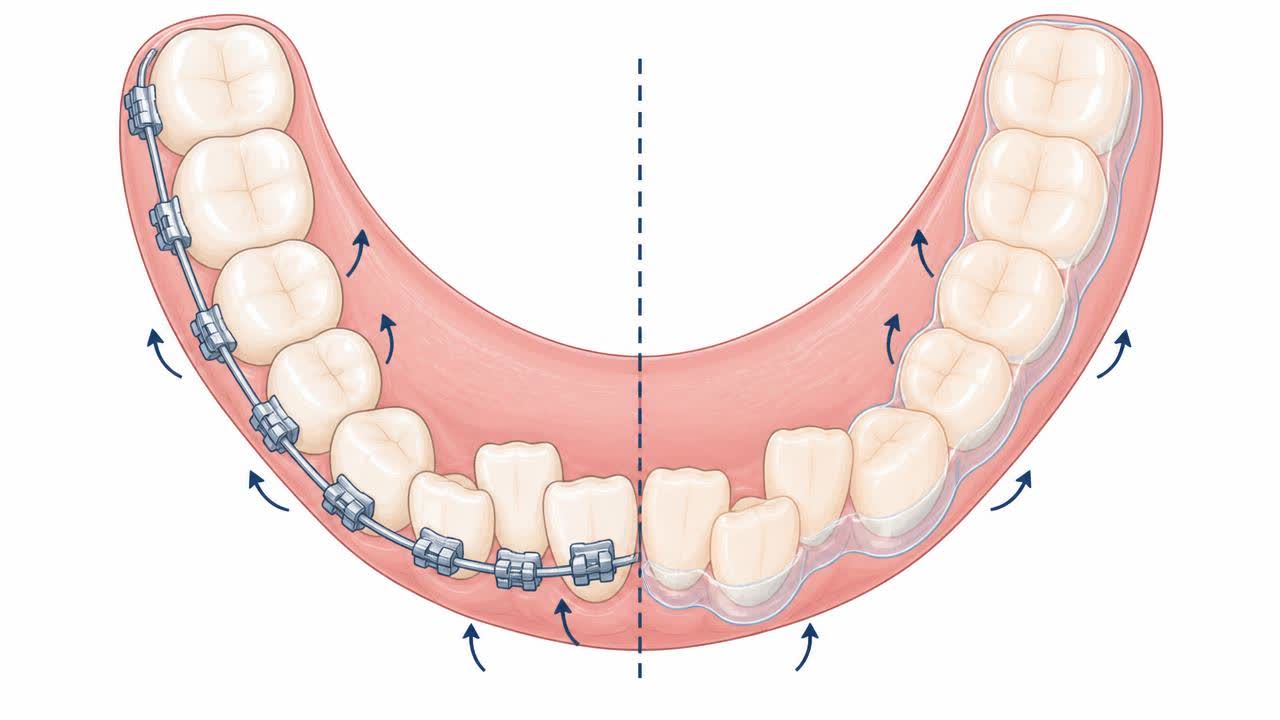
Effective lip incompetence treatment requires addressing the specific underlying cause rather than merely managing the visual symptom. In purely dental presentations, fixed orthodontic appliances or clear aligners are used to retract and upright the proclined anterior teeth, thereby removing the physical barrier that prevents effortless lip closure. In cases of severe bimaxillary protrusion, the extraction of premolars is frequently indicated to provide sufficient arch space for anterior retraction, allowing the soft tissues of the upper and lower lips to drape naturally over the dentition.
When severe skeletal discrepancies predominate, combined orthodontic and orthognathic surgical intervention becomes the gold standard. Procedures such as a Le Fort I maxillary impaction reduce vertical maxillary excess, allowing the mandible to autorotate upward and forward, which dramatically diminishes the interlabial gap. Simultaneously, orofacial myofunctional therapy (OMT) is integrated to retrain hypotonic perioral musculature, correct aberrant swallowing patterns, and re-establish a subconscious nasal breathing habit, ensuring long-term neuromuscular adaptation following structural mechanical repositioning.
Complications, Myofunctional Relapse, and Management
The most critical complication following lip incompetence treatment is relapse of the open resting posture due to unaddressed functional habits. If a patient continues habitual mouth breathing or tongue-thrust swallowing post-orthodontics, the constant outward biomechanical pressure from the tongue will slowly destabilize incisor alignment, causing secondary reopening of the interlabial gap. Managing this requires persistent myofunctional re-education, tongue posture appliance therapy, and rigid adherence to orthodontic retention regimens, including both fixed lingual wires and vacuum-formed removable retainers.
Other clinical challenges include localized gingival recession or external apical root resorption associated with extensive orthodontic retraction of anterior teeth through narrow cortical plates. Careful biomechanical planning with controlled, light forces and continuous periodontal monitoring minimizes these risks. In surgical cases, transient neurosensory disturbances of the mental or infraorbital nerves can occur, which are managed with neurotrophic support, close monitoring, and patience as nerve regeneration progresses over several months.
Evidence and further reading
The contemporary management of lip incompetence is strongly grounded in multidisciplinary consensus from global orthodontic and maxillofacial societies. Organizations such as the British Orthodontic Society, the American Association of Orthodontists, and the European Orthodontic Society emphasize that achieving a competent lip seal is critical not merely for facial harmony, but for preserving periodontal health, preventing incisor trauma, and ensuring stable respiratory function. Clinical literature consistently shows that soft-tissue drape directly dictates the boundaries of stable tooth movement.
Peer-reviewed studies published in the *American Journal of Orthodontics and Dentofacial Orthopedics*, *The Angle Orthodontist*, and the *International Journal of Oral and Maxillofacial Surgery* highlight the synergistic value of combining mechanical alignment with myofunctional rehabilitation. Research confirms that failing to address underlying airway obstruction or aberrant resting muscular posture significantly increases the rate of post-treatment orthodontic relapse. Consequently, clinical guidelines from mainstream bodies advocate for early screening of mouth breathing in paediatric patients to guide facial growth interceptively.
Long-Term Maintenance, Prevention, and Red Flags
Long-term stability requires continuous maintenance of both hard-tissue alignment and soft-tissue neuromuscular tone. Patients must adhere strictly to their prescribed retainer protocols, wearing removable retainers nightly to prevent minor dental shifting that could compromise the labial seal. Routine dental reviews every six months remain essential to monitor gingival health, particularly in the anterior sextant where previous mucosal drying may have left residual gingival vulnerability. Daily hydration, saline nasal rinses for allergen management, and conscious lip posture awareness reinforce functional stability.
Patients should seek prompt clinical re-evaluation if they identify warning signs of functional or structural deterioration. Red flag symptoms include sudden-onset unilateral facial drooping or inability to close one side of the mouth, which indicates neurological pathology rather than dentofacial malocclusion. Other urgent concerns include persistent nocturnal choking, loud disruptive snoring accompanied by daytime somnolence suggesting obstructive sleep apnoea, or rapid shifting of the bite accompanied by acute temporomandibular joint pain and limited mandibular opening.
Questions patients ask us
- Can lip incompetence resolve on its own without treatment?
- Spontaneous resolution is rare once childhood facial growth is complete. In young children, mild incompetence related to transitional dental stages may improve as permanent teeth erupt and facial structures mature. However, if the condition is caused by skeletal disharmony, severe tooth protrusion, or chronic airway obstruction, definitive orthodontic, surgical, or myofunctional intervention is required to achieve a natural resting seal.
- How does braces or orthodontic alignment fix an open lip posture?
- Orthodontic appliances retract and upright protruding front teeth that physically push the lips apart. By moving the incisors back into their ideal positions within the jawbone, braces reduce horizontal prominence (overjet), allowing the upper and lower lips to rest together comfortably without muscular strain.
- Is surgery always required for lip incompetence?
- No, surgery is not always necessary. Orthognathic surgery is reserved for severe skeletal discrepancies, such as significant vertical maxillary excess or extreme lower jaw retrusion. Many cases caused primarily by dental alignment issues, incisor protrusion, or minor muscular weakness are successfully resolved using orthodontic alignment, extractions when indicated, and myofunctional therapy alone.
- What is the role of myofunctional therapy in treating an unsealed lip posture?
- Orofacial myofunctional therapy involves targeted exercises that retrain the tongue, lips, and facial muscles. It strengthens the orbicularis oris muscle, corrects improper swallowing patterns, and helps establish habitual nasal breathing. When combined with orthodontic treatment, myofunctional therapy significantly reduces the risk of post-treatment relapse and ensures long-term muscular stability.
- Can mouth breathing cause lip incompetence, or does lip incompetence cause mouth breathing?
- The relationship is bidirectional. Chronic nasal obstruction forces mouth breathing, which lowers resting tongue posture and leads to hypotonic, parted lips. Conversely, anatomical lip incompetence leaves the oral cavity exposed, making mouth breathing the path of least resistance. Comprehensive treatment must address both the physical airway and the dental-skeletal structures.
- Does lip incompetence cause damage to teeth and gums?
- Yes. Continuous separation of the lips dries out the saliva protecting the front teeth and gums. Saliva is crucial for neutralizing acid and washing away bacteria. Chronic oral dryness leads to anterior marginal gingivitis, accelerated plaque and tartar buildup, halitosis, and an increased risk of localized enamel demineralisation and dental decay.
- How long does lip incompetence treatment typically take?
- The duration depends on the underlying cause and chosen treatment modality. Purely orthodontic alignment generally requires 18 to 24 months. Complex cases involving orthognathic surgery may take two to three years, including pre-surgical and post-surgical orthodontics. Myofunctional therapy exercises are typically performed concurrently for several months to reinforce proper muscle memory.
- Can adults be treated successfully for lip incompetence?
- Yes, adults can be treated very successfully. While adult treatment cannot rely on natural skeletal growth modification, significant improvements in lip competence are routinely achieved through adult orthodontics, clear aligners, restorative care, orthognathic surgery when indicated, and adult myofunctional therapy to retrain chronic perioral resting habits.
Sources and further reading
Guidance from professional and public health bodies. Clinical decisions here are made on your own examination and radiographs.
- 1.Orthodontic treatment and retention — patient resources — American Association of Orthodontists
- 2.Patient information leaflets on appliances and retention — British Orthodontic Society
- 3.Oral health — fact sheet and global status report — World Health Organization
- 4.Policy statements and oral health definitions — FDI World Dental Federation
- 5.Dental health — conditions, treatments and patient guidance — NHS (UK)
- 6.Systematic reviews of oral and dental interventions — Cochrane Oral Health
- 7.Regulatory framework and dental education standards in India — Dental Council of India
When to see us
Get examined without waiting if any of the following applies to you:
- A broken bracket, poking wire or appliance causing ulceration
- A tooth that becomes painful, loose or discoloured during treatment
- Jaw joint pain, locking or a bite that has changed suddenly
Get a written plan and cost before you commit
If this is what you are dealing with, the next step is a consultation with radiographs — orthodontics cases are seen by the specialist who handles that field. You get a written plan and staged cost before anything begins.
reception@dramitsharmahospital.comThis article is general education and does not replace an in-person examination, radiographs or a diagnosis by a qualified dentist.
Clinical terms in this article
Related in Orthodontics
Aligners and Braces: Choosing the Right Option
Metal, ceramic and clear aligner treatment compared, duration, visibility, cost and suitability.
Tooth Extraction for Braces or Severe Crowding Issues
Orthodontic extractions involve the planned removal of select teeth to resolve severe crowding, correct bimaxillary protrusion, and balance dentoalveolar proportions. This clinical guide details diagnostic indications, extraction patterns, procedural steps, recovery, risks, and evidence-based non-extraction alternatives.
Maxillary Osteotomy for Open Bite Alignment and Correction
Maxillary osteotomy for open bite corrects severe vertical skeletal discrepancies through surgical repositioning of the upper jaw. Combined with orthodontics, this procedure restores chewing function, improves speech articulation, and ensures long-term occlusal and facial stability.
Surgically Assisted Rapid Palatal Expansion for Adult Palate Widening
Surgically assisted rapid palatal expansion (SARPE) is a combined orthodontic and surgical treatment designed to correct severe transverse maxillary deficiency in skeletally mature adults, widening the narrow upper jaw to restore functional occlusion, stability, and airway volume.
Surgical Exposure and Bracket Bonding for Impacted Canine Teeth
This clinical guide details impacted canine exposure surgery and bracket bonding. It explains anatomical causes, CBCT diagnostic pathways, open versus closed surgical techniques, orthodontic traction mechanisms, recovery protocols, and evidence-based strategies to manage complications.
Overbite vs Overjet: Key Differences and Correction Methods
This clinical guide clarifies the distinction between overbite (vertical overlap) and overjet (horizontal protrusion). It examines their aetiology, diagnostic pathways, classification, and evidence-based orthodontic and surgical correction methods across paediatric and adult populations.