At a glance
- For teenagers, feeling confident in their appearance is a huge part of their daily life.
- The biggest responsibility for teenagers using clear aligners is consistency.
- Just like for adult patients, teenage aligner treatment is planned using advanced 3D digital imaging.
- Starting orthodontic treatment as a teenager, when the jaw is still developing, can often lead to better long-term results.
- At our clinic, we believe in a team approach.
Why Teens Love Clear Aligners
For teenagers, feeling confident in their appearance is a huge part of their daily life. Clear aligners are virtually invisible, which means they can straighten their teeth without the aesthetic concerns often associated with traditional metal braces. This gives them the freedom to smile, speak, and socialise with total confidence throughout their entire orthodontic journey, which is a major benefit for many teens.
Additionally, the removability of aligners is a big plus. It makes it easy to maintain an excellent oral hygiene routine, as they can brush and floss their teeth normally. There are no dietary restrictions, so they can still enjoy their favourite foods without worrying about damaging wires or brackets. It’s an orthodontic solution that fits perfectly into the busy, active lives of today's teenagers.
Advanced Treatment Planning
Just like for adult patients, teenage aligner treatment is planned using advanced 3D digital imaging. We capture a detailed scan of the teen’s teeth and use this to design a precise, step-by-step roadmap to their ideal smile. This allows us to plan for the unique growth and development that happens during teenage years, ensuring the correction is safe, effective, and perfectly timed.
This detailed planning makes the entire process predictable and efficient. Teens can see the final goal in the digital simulation, which is a great motivator. They can follow their progress at every stage as they switch to their next set of trays, watching their smile improve week by week. It is a modern, engaging way to approach orthodontic treatment that feels tailored just for them.
The Benefits of Early Correction
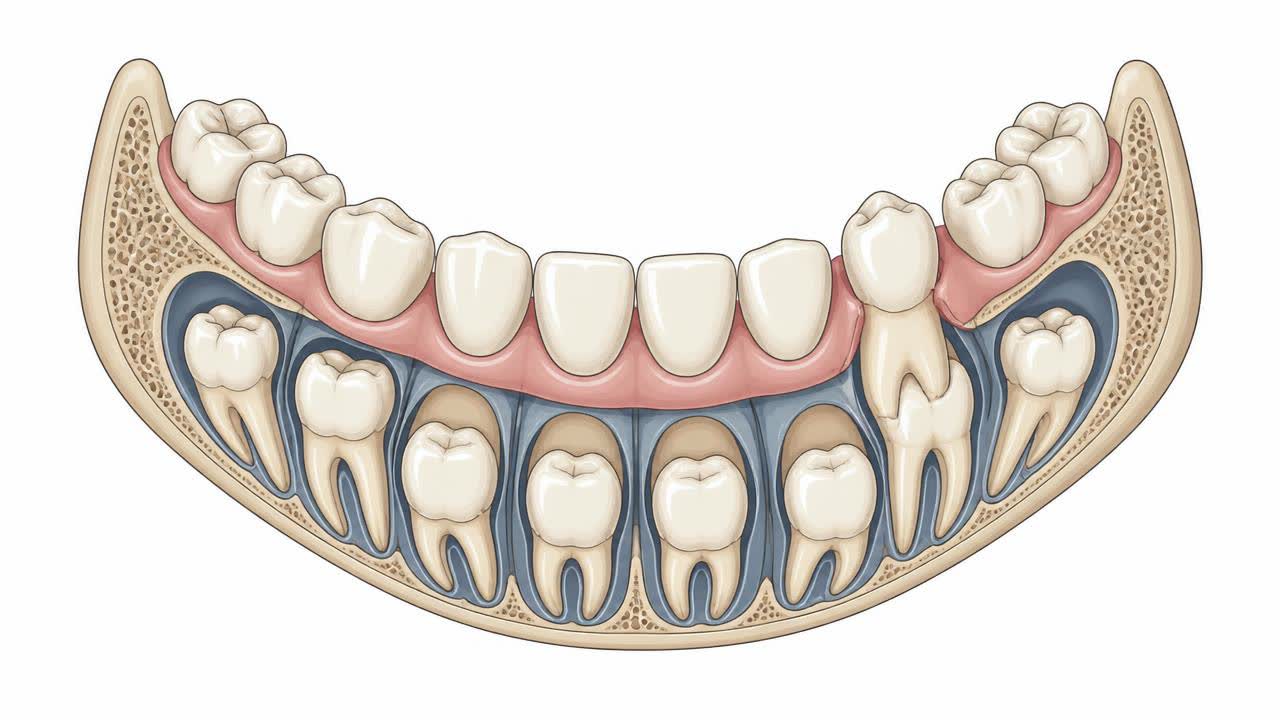
Starting orthodontic treatment as a teenager, when the jaw is still developing, can often lead to better long-term results. It is the perfect time to fix issues like crowding, spacing, or bite problems before they become more complex or lead to further dental issues in adulthood. Aligners are not just for aesthetics; they are a vital investment in a teenager's long-term oral health.
By choosing clear aligners, teens aren't just getting a straighter smile; they are setting themselves up for better oral hygiene and a more comfortable, functional bite that will benefit them for their whole lives. We are proud to work with families to help teenagers get the best possible start, providing them with a treatment that they feel good about and results they will love.
Partnering for Success
At our clinic, we believe in a team approach. We work together with the teenager and their parents to ensure the treatment is successful, comfortable, and well-managed. We provide all the support, advice, and regular check-ups needed to keep everything on schedule and ensure the final results are exactly what we planned together.
It is a privilege to play a part in a teenager's growth and confidence-building. By providing a modern, discreet, and effective solution, we help them transition to adulthood with a beautiful, healthy, and radiant smile. We are here for you at every stage, and we look forward to helping you achieve your orthodontic goals with the high-quality, compassionate care we are known for.
Ensuring Compliance for Results
The biggest responsibility for teenagers using clear aligners is consistency. Because they are removable, they need to be worn for at least 22 hours per day to be effective. For some teens, this requires a bit of extra discipline, but many quickly find it becomes a simple part of their daily routine, especially when they start seeing the positive changes in their smile.
We offer features such as compliance indicators on the aligners, which help us monitor how much they are being worn. Our team at Dr. Amit Sharma Super Speciality Dental Hospital works closely with our teenage patients and their parents to ensure they stay on track and understand the importance of following their treatment plan, helping them take pride in their progress.
Questions patients ask us
- Are clear aligners really as effective as braces for teens?
- Yes, clear aligners are extremely effective for a wide range of teenage orthodontic cases. They can achieve the same, and often even better, results than traditional braces, all while being nearly invisible and more convenient.
- What happens if my teenager forgets to wear their aligners?
- Compliance is the key to success. If they are worn inconsistently, progress will be delayed and the teeth won't move as planned. We work closely with our teenage patients to encourage consistency and keep them on track.
- Can teens eat whatever they want with aligners?
- Yes! Because the aligners are removable, there are no dietary restrictions. Teens can take them out to eat and drink normally, then just brush and floss before putting them back in, making it so much easier than braces.
- How much supervision do parents need to provide?
- Most teenagers are very responsible with their aligners once they see the results. However, parents should just help them maintain their regular wear schedule and ensure they are keeping up with their appointments and cleaning routines.
Sources and further reading
Guidance from professional and public health bodies. Clinical decisions here are made on your own examination and radiographs.
- 1.Best practice policies and clinical recommendations — American Academy of Pediatric Dentistry
- 2.Delivering better oral health — an evidence-based toolkit — Public Health England / OHID
- 3.Oral health — fact sheet and global status report — World Health Organization
- 4.Policy statements and oral health definitions — FDI World Dental Federation
- 5.Dental health — conditions, treatments and patient guidance — NHS (UK)
- 6.Systematic reviews of oral and dental interventions — Cochrane Oral Health
- 7.Regulatory framework and dental education standards in India — Dental Council of India
When to see us
Get examined without waiting if any of the following applies to you:
- Facial swelling, fever or refusal to eat or drink in a child — seek same-day care
- Dental injury to a child's tooth, especially if it is displaced or knocked out
- A dark or discoloured tooth, or a lump on the gum above a tooth
Get a written plan and cost before you commit
If this is what you are dealing with, the next step is a consultation with radiographs — children's dentistry cases are seen by the specialist who handles that field. You get a written plan and staged cost before anything begins.
reception@dramitsharmahospital.comThis article is general education and does not replace an in-person examination, radiographs or a diagnosis by a qualified dentist.
Clinical terms in this article
Related in Children's Dentistry
Children's Dental Care by Age
First visit timing, fluoride and sealants, why milk teeth matter, and managing dental anxiety in children.
Pulpotomy vs Pulpectomy in Baby Teeth Explained
This clinical guide clarifies the differences between a pulpotomy and a pulpectomy in primary teeth. Learn about deciduous pulp anatomy, diagnostic criteria, clinical steps, restorative crowns, post-operative care, and when emergency dental attention is necessary.
Regenerative Endodontics for Immature Teeth with Pulp Necrosis
A regenerative endodontic procedure restores vascularity and tissue vitality to immature permanent teeth affected by pulp necrosis. This evidence-based guide details diagnostic protocols, biologically based revascularisation steps, treatment comparisons, recovery expectations, and long-term tooth preservation strategies.
Apexification Procedure for Immature Permanent Teeth in Children
An apexification procedure is a specialised dental intervention designed to treat non-vital, immature permanent teeth in children. It creates a calcified apical barrier, enabling effective root canal obturation while preserving the natural tooth within the developing jaw.
Apexogenesis Procedure to Preserve Pulp Vitality in Children
Apexogenesis is a vital pulp therapy that preserves living pulp tissue in immature permanent teeth of children. By maintaining vascularity, it enables continued root lengthening, dentinal wall thickening, and natural apical closure following traumatic injury or deep decay.
Palatal Expanders for Children: How Rapid Palatal Expansion Works
A clinical guide to rapid palatal expansion in children. Learn how a palate expander for kids corrects transverse maxillary constriction, posterior crossbites, and severe crowding before midpalatal suture fusion during natural skeletal development.