At a glance
- Obstructive sleep apnoea is a serious medical condition where breathing repeatedly stops and starts during sleep.
- Oral appliance therapy has emerged as a gold-standard treatment for mild to moderate obstructive sleep apnoea cases.
- Diagnosing sleep apnoea requires a collaborative approach involving detailed clinical histories and objective sleep study data.
- Successful management of obstructive sleep apnoea relies heavily on seamless communication between the dentist, physician, and other healthcare professionals.
- Long-term care is vital for anyone using dental appliances for sleep apnoea.
Understanding Sleep Apnoea
Obstructive sleep apnoea is a serious medical condition where breathing repeatedly stops and starts during sleep. This occurs because the throat muscles intermittently relax and block the airway. As dentists observe the oral cavity regularly, they are uniquely positioned to spot signs of potential airway obstruction during routine examinations. Early identification is crucial for preventing long-term cardiovascular and neurological health complications associated with chronic sleep deprivation.
Patients often report persistent daytime fatigue, morning headaches, or loud snoring, which are classic indicators of this disorder. The clinical focus shifts toward assessing the anatomy of the soft palate, tonsils, and the tongue position relative to the airway. By working alongside sleep physicians, the dental team can integrate effective screening tools, ensuring patients receive timely diagnostics and comprehensive care tailored to their specific physiological needs.
Diagnosis and Assessment
Diagnosing sleep apnoea requires a collaborative approach involving detailed clinical histories and objective sleep study data. Dentists often use standardised questionnaires to screen for symptoms, such as excessive daytime sleepiness or reported snoring intensity. These initial assessments help identify individuals who would benefit most from advanced diagnostic evaluations, such as polysomnography, conducted by specialists in a sleep laboratory environment to confirm the presence of airway collapse.
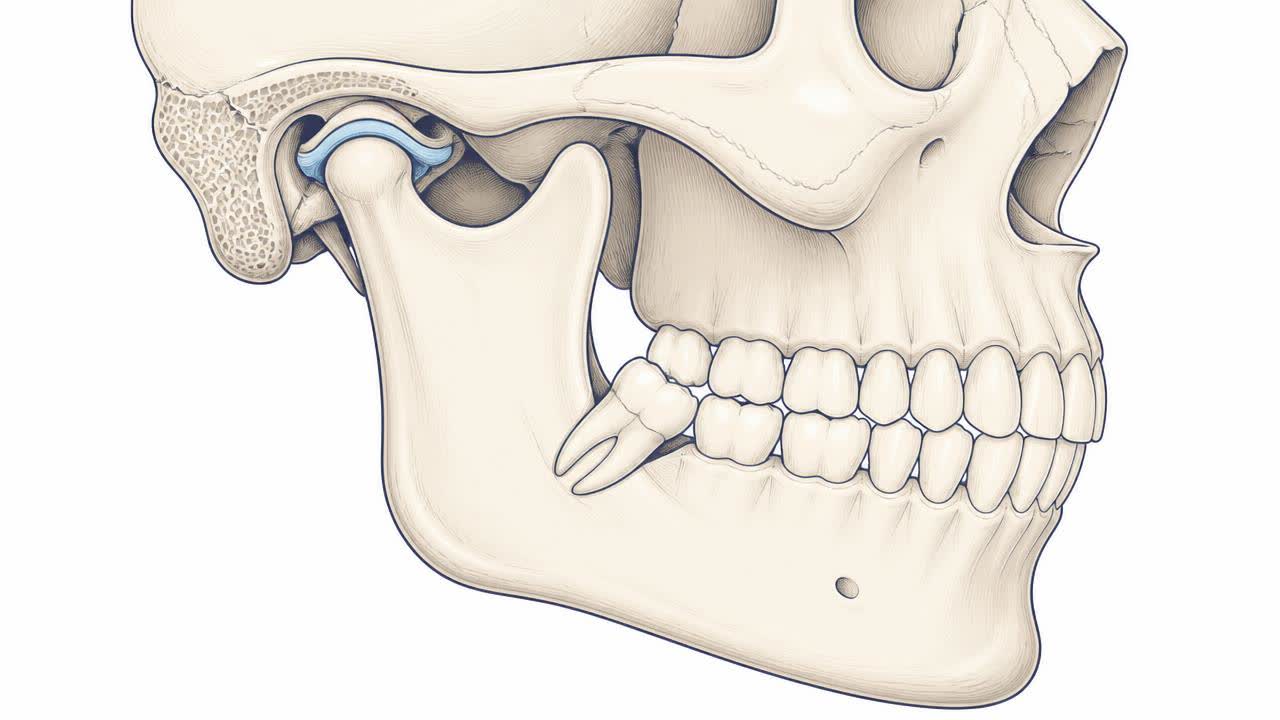
Once a diagnosis is confirmed, the dentist performs a thorough examination of the oral environment, including the evaluation of the teeth, gums, and jaw alignment. This process ensures that the chosen oral appliance will not cause excessive strain on the temporomandibular joints or lead to dental shifting. Careful planning and regular clinical reviews are essential to maintain the structural integrity of the bite while effectively managing the respiratory condition.
The Role of Oral Appliances
Oral appliance therapy has emerged as a gold-standard treatment for mild to moderate obstructive sleep apnoea cases. These devices work by repositioning the lower jaw forward, which effectively opens the airway space behind the tongue. By maintaining this improved posture throughout the night, the devices prevent the collapse of soft tissues, allowing for continuous, unobstructed airflow that significantly improves the overall quality of rest for the patient.
Custom-fitted appliances offer distinct advantages over standard alternatives by providing precise adjustments that maximise comfort and efficacy. Patients typically find these devices easier to wear consistently compared to traditional continuous positive airway pressure machines. Regular follow-up appointments allow the dental team to monitor the patient's progress, adjust the device settings for optimal airway management, and ensure the long-term health of the jaw joints and dental structures.
Collaboration with Specialists
Successful management of obstructive sleep apnoea relies heavily on seamless communication between the dentist, physician, and other healthcare professionals. The dental team ensures that the oral appliance treatment is coordinated with the patient's existing medical management plans, such as weight management or dietary changes. This multi-disciplinary strategy addresses the complexity of sleep disorders, leading to improved health outcomes and a better quality of life for all patients involved.
Sharing data between dental and medical practices allows for a more holistic view of the patient’s health trajectory. If an oral appliance proves insufficient, the dentist can promptly refer the patient for alternative therapies, including surgical interventions or advanced sleep medicine protocols. This coordinated effort prevents delays in care and ensures that the patient’s airway remains clear, reducing the risks of serious health events that result from prolonged nocturnal oxygen deprivation.
Long-term Maintenance
Long-term care is vital for anyone using dental appliances for sleep apnoea. These devices undergo significant wear and tear due to nightly use, requiring regular inspection for signs of fatigue or damage. The dental team provides guidance on daily cleaning protocols, which are essential for preventing bacterial buildup and maintaining oral hygiene. Periodic professional cleaning and structural assessments guarantee that the device continues to function as intended for long-term health.
Patients are encouraged to maintain a schedule of periodic check-ups to assess the ongoing effectiveness of the appliance. During these visits, the dentist evaluates the stability of the bite, the health of the gingival tissues, and the comfort of the temporomandibular joints. Adjusting the device over time allows for flexibility as the patient’s anatomy or weight changes, ensuring that the airway support remains consistent, comfortable, and highly effective for years.
Questions patients ask us
- Can a dentist diagnose sleep apnoea?
- While dentists can identify signs and symptoms during routine check-ups, a formal diagnosis of obstructive sleep apnoea must be made by a medical sleep specialist. The specialist uses clinical evaluations and often a sleep study, known as polysomnography, to confirm the condition and determine the appropriate medical treatment pathway for the patient.
- Are oral appliances comfortable for nightly use?
- Most patients find custom-fitted oral appliances quite comfortable after a brief adjustment period. Because they are designed specifically for your mouth, they provide a stable and secure fit. Many users report that these devices feel significantly less intrusive than traditional breathing machines, making them a popular long-term choice for managing mild to moderate sleep apnoea.
- How does an appliance keep the airway open?
- These devices function primarily through mandibular advancement, which involves gently moving the lower jaw forward. This movement pulls the tongue and soft palate tissues away from the back of the throat. By widening the space in the airway, the appliance prevents the collapse of these structures, allowing air to flow freely during the sleep cycle.
- Do I still need a sleep study if I use a device?
- Yes, a sleep study is essential before and after the application of an oral device. The initial study confirms the diagnosis and severity of your condition, while a follow-up study assesses the effectiveness of the appliance in reducing apnoea events. This data is critical to ensuring your health is being protected and the treatment works.
Sources and further reading
Guidance from professional and public health bodies. Clinical decisions here are made on your own examination and radiographs.
- 1.Clinical parameters of care and patient information — American Association of Oral and Maxillofacial Surgeons
- 2.Guidance on the extraction of wisdom teeth — NICE (UK)
- 3.Oral cancer — risk factors, early detection and prevention — World Health Organization
- 4.Policy statements and oral health definitions — FDI World Dental Federation
- 5.Dental health — conditions, treatments and patient guidance — NHS (UK)
- 6.Systematic reviews of oral and dental interventions — Cochrane Oral Health
- 7.Regulatory framework and dental education standards in India — Dental Council of India
When to see us
Get examined without waiting if any of the following applies to you:
- Swelling that spreads, restricts mouth opening or affects swallowing or breathing
- Numbness, altered sensation, or bleeding that will not stop after surgery
- Jaw locking, an ulcer or lump lasting more than two weeks, or a white or red patch that does not heal
Get a written plan and cost before you commit
If this is what you are dealing with, the next step is a consultation with radiographs — surgery & jaw cases are seen by the specialist who handles that field. You get a written plan and staged cost before anything begins.
reception@dramitsharmahospital.comThis article is general education and does not replace an in-person examination, radiographs or a diagnosis by a qualified dentist.
Clinical terms in this article
Related in Surgery & Jaw
Wisdom Tooth Problems: Symptoms, Impaction and When Removal Is Needed
Why wisdom teeth cause pain and swelling, what impaction means, and how to decide between monitoring and surgical removal.
Wisdom Teeth and Impactions
When third molars need removal, what impaction means, and what recovery realistically looks like.
Jaw Surgery, TMJ Disorders and Facial Trauma
Corrective jaw surgery, temporomandibular joint pain and management of facial injuries by a maxillofacial team.
Laser Periodontal Therapy Procedure Benefits and Recovery
Laser periodontal therapy, including the LANAP protocol, uses targeted wavelength lasers to treat moderate-to-severe periodontitis. This guide covers biological mechanisms, procedural stages, recovery guidelines, evidence-based outcomes, and long-term periodontal maintenance strategies.
Connective Tissue Graft Surgery for Receding Gums
Connective tissue gum graft surgery repairs severe gingival recession by transplanting donor tissue beneath receded gums. This evidence-based guide explains surgical techniques, anatomical principles, recovery timelines, clinical classifications, risks, and postoperative maintenance for optimal root coverage.
Free Gingival Graft Procedure to Thicken Gums
A free gingival graft is a proven periodontal surgical procedure designed to augment thin or deficient attached gum tissue. This comprehensive guide covers anatomical indications, surgical steps, donor and recipient healing phases, complications, and evidence-based post-operative recovery protocols.