At a glance
- Snoring is more than just a nuisance; it is often a sign of an airway issue that dentists are uniquely equipped to address.
- The mechanism behind snoring appliances relies on mandibular advancement.
- Selecting a custom-fitted appliance over a retail option is critical for success and safety.
- Regular dental visits are an essential component of snoring appliance therapy.
- A snoring appliance is most effective when integrated into a broader healthy lifestyle.
The Dental Approach to Snoring
Snoring is more than just a nuisance; it is often a sign of an airway issue that dentists are uniquely equipped to address. By examining the anatomy of the throat and mouth, a dentist can determine if a snoring appliance is a suitable intervention. These devices are designed to reposition the jaw, creating a more open pathway for air to move freely, thereby reducing the turbulent sounds associated with obstructive, restricted nighttime breathing patterns.
While many over-the-counter options exist, a professional dental snoring appliance provides a superior level of safety and customisation. These devices are constructed from high-quality, durable materials that are tailored to the patient’s specific dental architecture. By consulting with a dentist, patients receive an assessment that prioritises their long-term oral health, ensuring that the device effectively manages snoring while protecting the delicate balance of the jaw joints and surrounding oral tissues.
How Appliances Improve Airflow
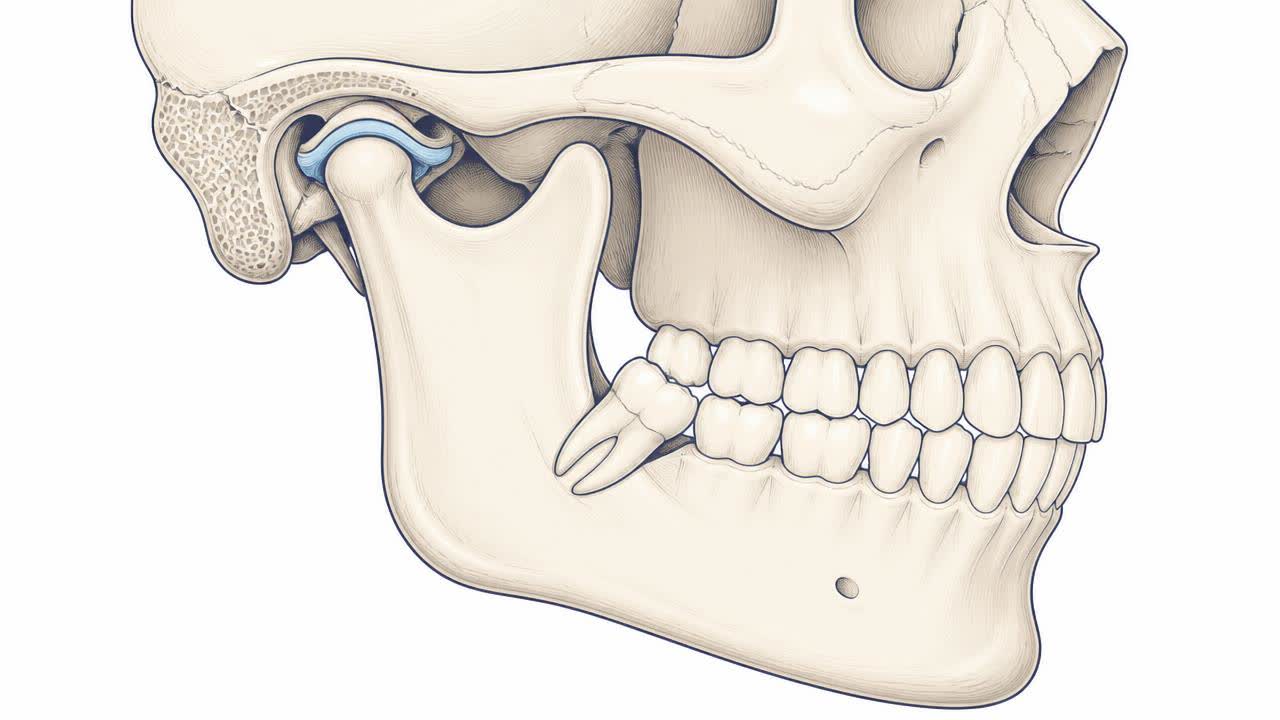
The mechanism behind snoring appliances relies on mandibular advancement. When the lower jaw is held slightly forward, the tongue is prevented from falling back against the throat, which is a primary cause of airway narrowing. By maintaining this forward position, the soft tissues in the pharynx remain taut, preventing the vibration that creates the snoring sound. This simple adjustment makes a substantial difference in air movement, fostering much quieter and more restful nights.
These appliances are engineered to hold the jaw in a fixed, yet comfortable position throughout the night. By keeping the airway open and stable, the body receives consistent oxygen, which is critical for overall health. Patients often report that not only is their snoring significantly reduced, but they also wake up feeling more refreshed and alert. This positive outcome is directly linked to the enhanced stability provided by the precisely fitted dental snoring device.
Custom-Fit Versus Retail Options
Selecting a custom-fitted appliance over a retail option is critical for success and safety. Retail versions often lack the precision needed for a proper fit, which can lead to discomfort, jaw pain, or even bite misalignment over time. A dentist takes accurate impressions to create a device that fits securely, ensuring that pressure is evenly distributed across the teeth rather than focused on sensitive spots, which protects the long-term integrity of the dental structure.
Furthermore, professional appliances are adjustable. As the patient’s needs evolve, the dental team can fine-tune the device to ensure optimal performance. This flexibility is rarely available with mass-produced alternatives. By investing in a professionally managed snoring appliance, patients benefit from continuous oversight, ensuring that their health is monitored and the device remains effective, comfortable, and safe to use as part of their long-term health and wellness routine.
The Importance of Regular Check-ups
Regular dental visits are an essential component of snoring appliance therapy. These check-ups allow the dentist to ensure that the device is still fitting correctly and that there are no adverse effects on the patient’s teeth or jaw joints. The dentist will also assess the overall condition of the appliance itself, looking for signs of wear and tear, and performing any necessary adjustments to ensure it continues to function at its highest potential.
During these appointments, the dental team also reviews the patient’s progress and experiences with the device. If there are any concerns or if the snoring persists, the dentist can evaluate the situation and provide appropriate guidance or modifications. This ongoing commitment to care ensures that the patient’s needs are met, that any issues are caught early, and that the treatment remains a reliable and effective solution for managing snoring issues successfully.
Integrating into Healthy Lifestyle
A snoring appliance is most effective when integrated into a broader healthy lifestyle. While the device addresses the physical obstruction during sleep, other factors like weight management, avoiding alcohol before bed, and sleeping on one’s side can further enhance results. The dental team often provides comprehensive advice to help patients achieve the best possible outcomes, supporting their journey towards better health and more restorative, peaceful sleep environments for everyone in the home.
By adopting these positive lifestyle habits alongside consistent use of the snoring appliance, patients often experience significant improvements in their overall well-being. The dentist’s role extends beyond just providing the device; it includes educating patients on how to maximise their comfort and health. This holistic perspective ensures that patients are empowered to take control of their sleep health, leading to lasting improvements in their energy levels, focus, and overall quality of daily life.
Questions patients ask us
- What makes a dental appliance better than a store-bought one?
- A dental appliance is custom-crafted to fit your unique anatomy, ensuring comfort and efficacy that store-bought options simply cannot match. Professional oversight means your dentist can adjust the device to protect your jaw joints and bite, reducing the risk of complications while providing a secure, stable fit that is designed for safe, long-term use.
- Are these appliances permanent?
- The device itself is a removable appliance designed for nightly use. While it is a durable tool for managing your snoring, it is not a permanent surgical alteration. It is a flexible, effective intervention that you wear only while sleeping, providing a non-invasive way to keep your airway clear and reduce snoring for better sleep quality.
- Can I still use the device if I have missing teeth?
- Yes, many patients with some missing teeth can still benefit from a snoring appliance. Your dentist will conduct a thorough assessment to determine the best design to ensure the device remains secure and effective. In some cases, partial dentures or implants may be taken into account during the planning process to create a stable, comfortable fit.
- How long does it take to see results?
- Many patients experience a noticeable reduction in snoring from the very first night of using their custom-fitted appliance. While it may take a few days to fully adjust to the sensation, the functional benefits for your airway and sleep quality are typically immediate. Consistent nightly use is the most important factor in achieving long-term success.
Sources and further reading
Guidance from professional and public health bodies. Clinical decisions here are made on your own examination and radiographs.
- 1.Clinical parameters of care and patient information — American Association of Oral and Maxillofacial Surgeons
- 2.Guidance on the extraction of wisdom teeth — NICE (UK)
- 3.Oral cancer — risk factors, early detection and prevention — World Health Organization
- 4.Policy statements and oral health definitions — FDI World Dental Federation
- 5.Dental health — conditions, treatments and patient guidance — NHS (UK)
- 6.Systematic reviews of oral and dental interventions — Cochrane Oral Health
- 7.Regulatory framework and dental education standards in India — Dental Council of India
When to see us
Get examined without waiting if any of the following applies to you:
- Swelling that spreads, restricts mouth opening or affects swallowing or breathing
- Numbness, altered sensation, or bleeding that will not stop after surgery
- Jaw locking, an ulcer or lump lasting more than two weeks, or a white or red patch that does not heal
Get a written plan and cost before you commit
If this is what you are dealing with, the next step is a consultation with radiographs — surgery & jaw cases are seen by the specialist who handles that field. You get a written plan and staged cost before anything begins.
reception@dramitsharmahospital.comThis article is general education and does not replace an in-person examination, radiographs or a diagnosis by a qualified dentist.
Clinical terms in this article
Related in Surgery & Jaw
Wisdom Tooth Problems: Symptoms, Impaction and When Removal Is Needed
Why wisdom teeth cause pain and swelling, what impaction means, and how to decide between monitoring and surgical removal.
Wisdom Teeth and Impactions
When third molars need removal, what impaction means, and what recovery realistically looks like.
Jaw Surgery, TMJ Disorders and Facial Trauma
Corrective jaw surgery, temporomandibular joint pain and management of facial injuries by a maxillofacial team.
Laser Periodontal Therapy Procedure Benefits and Recovery
Laser periodontal therapy, including the LANAP protocol, uses targeted wavelength lasers to treat moderate-to-severe periodontitis. This guide covers biological mechanisms, procedural stages, recovery guidelines, evidence-based outcomes, and long-term periodontal maintenance strategies.
Connective Tissue Graft Surgery for Receding Gums
Connective tissue gum graft surgery repairs severe gingival recession by transplanting donor tissue beneath receded gums. This evidence-based guide explains surgical techniques, anatomical principles, recovery timelines, clinical classifications, risks, and postoperative maintenance for optimal root coverage.
Free Gingival Graft Procedure to Thicken Gums
A free gingival graft is a proven periodontal surgical procedure designed to augment thin or deficient attached gum tissue. This comprehensive guide covers anatomical indications, surgical steps, donor and recipient healing phases, complications, and evidence-based post-operative recovery protocols.