At a glance
- The anatomical architecture between adjacent teeth presents a unique ecological niche known as the interdental or interproximal space.
- The primary cause of interdental tissue destruction is the sustained presence of a pathogenic biofilm adjacent to the gingival margin.
- Patients suffering from inadequate interdental cleaning typically present with localized signs of gingival inflammation.
- Selecting the correct interproximal hygiene tool requires classifying the anatomical space between the teeth, clinically termed the embrasure.
- When evaluating the clinical choice of water flosser vs interdental brush, clinicians examine the distinct physical mechanism each device uses to disrupt the microbial biofilm.
Interdental Anatomy and the Plaque Biofilm Challenge
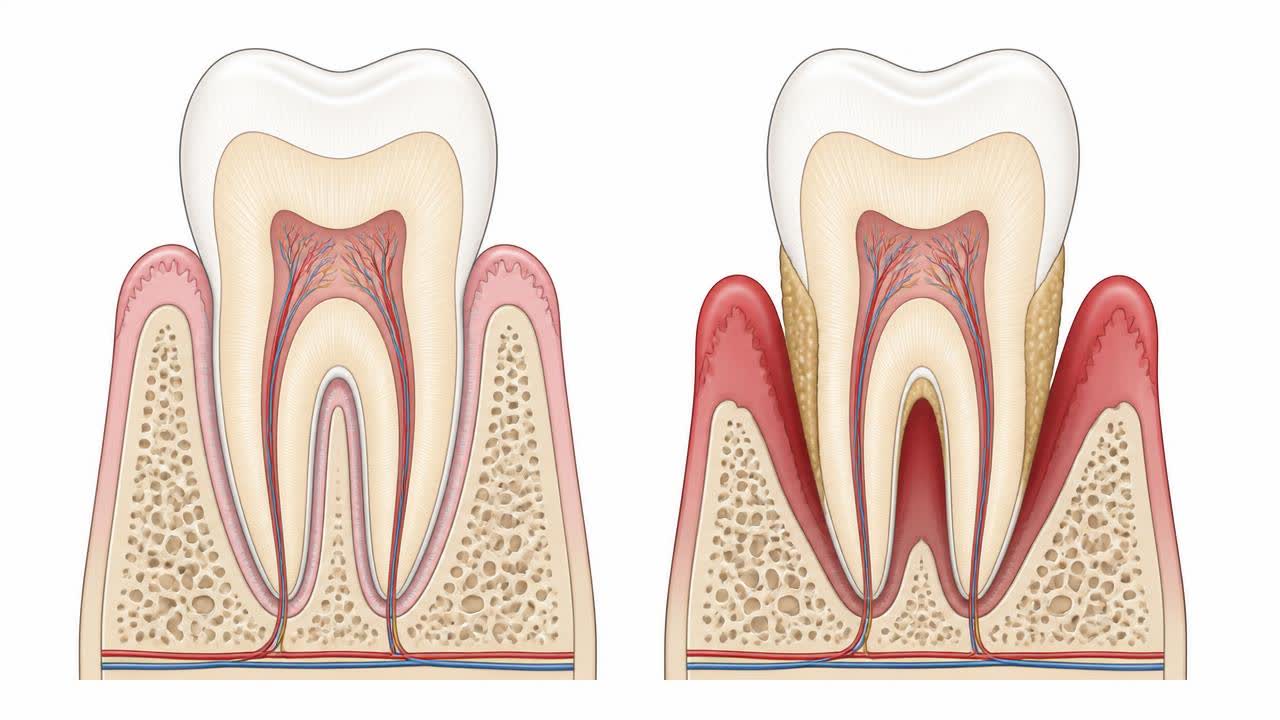
The anatomical architecture between adjacent teeth presents a unique ecological niche known as the interdental or interproximal space. In a healthy periodontium, this space is completely occupied by the gingival papilla, which forms a concave valley beneath the contact point known as the col. Because the non-keratinised epithelium of the col is particularly vulnerable to microbial penetration and mechanical irritation, this area represents the primary initiation site for chronic inflammatory periodontal diseases, including gingivitis and periodontitis.
Standard manual or powered toothbrushes clean the buccal, lingual, and occlusal surfaces of teeth effectively but fail to penetrate the contact points where adjacent teeth meet. Consequently, undisturbed microbial plaque accumulates within the interdental embrasure. Left undisturbed, this polymicrobial biofilm undergoes a shift from predominantly Gram-positive commensal bacteria to pathogenic, anaerobic, Gram-negative species. This microbial succession releases endotoxins, proteolytic enzymes, and metabolic by-products that trigger host immune responses, leading to microvascular permeability, tissue destruction, and progressive loss of alveolar bone support.
Clinical Presentation and Diagnostic Identification
Patients suffering from inadequate interdental cleaning typically present with localized signs of gingival inflammation. Early stages manifest as erythema (redness), edema (swelling), and loss of the firm, stippled texture of the interdental papilla. Bleeding on brushing, persistent halitosis (bad breath), unpleasant tastes, and recurrent food impaction between meals are frequent subjective complaints. As the disease advances to periodontitis, patients may note gradual gingival recession, the appearance of 'black triangles' (loss of papilla height), progressive tooth mobility, or shifting of teeth due to underlying alveolar bone resorption.
Dentists and periodontists diagnose interdental pathology through comprehensive visual inspection and standardized periodontal screening methods, such as the Basic Periodontal Examination (BPE) or comprehensive six-point full-mouth pocket charting. A calibrated periodontal probe measures probing depths, bleeding on probing (an objective biomarker of active inflammation), and clinical attachment loss. Diagnostic dental radiographs, such as bitewing or periapical views, are utilized to assess interproximal crestal bone height and detect subgingival calculus deposits or defective restoration margins.
Classifying Interproximal Spaces and Embrasure Types
Selecting the correct interproximal hygiene tool requires classifying the anatomical space between the teeth, clinically termed the embrasure. The classification described by Tarnow and colleagues categorises interdental spaces into three primary types based on the presence of the interdental papilla. In a Type I embrasure, the interdental papilla completely fills the space beneath the tooth contact point, leaving no visible gap. This tight anatomy is typical of adolescents and young adults with intact periodontal health and no clinical attachment loss.
In a Type II embrasure, there is slight to moderate recession of the interdental papilla, creating a small open triangle through which light or saliva can pass. In a Type III embrasure, extensive loss or total absence of the interdental papilla occurs, exposing the root trunk and root concavities. The optimal interproximal cleaning strategy changes dynamically across these categories; tools designed for tight Type I spaces perform poorly in open Type III spaces, where broad brush profiles or targeted hydrokinetic irrigation become clinically mandatory.
Comparing Interdental Brushes and Water Flossers
When evaluating the clinical choice of water flosser vs interdental brush, clinicians examine the distinct physical mechanism each device uses to disrupt the microbial biofilm. An interdental brush (IDB) relies on direct mechanical friction. The cylindrical or conical bristles sweep across the curved root surfaces and the central col area, physically dislodging sticky biofilm matrices and soft debris with high precision. Numerous clinical trials demonstrate that when sized correctly, interdental brushes provide superior plaque removal and greater reductions in bleeding scores compared to traditional string floss.
Conversely, an oral irrigator or water flosser operates through hydrokinetic energy. By directing a pressurized, pulsating stream of water (or antimicrobial solution) into the interproximal zone, it creates alternating phases of compression and decompression. This hydraulic action flushes out non-adherent bacteria, cellular debris, and cytotoxic inflammatory cytokines from deep within periodontal pockets and beneath contact points. While it disrupts biofilm architecture, it delivers less direct mechanical friction than a brush bristle on firmly adherent biofilm, though it accesses areas that brushes cannot navigate.
Clinical utility frequently diverges based on individual patient dexterity, anatomical complexity, and oral prostheses. Interdental brushes remain the gold standard first-line recommendation for open embrasures (Types II and III). However, for individuals with fixed orthodontic appliances, dental implant superstructures, wide bridge pontics, physical limitations such as rheumatoid arthritis or tremors, or tight Type I embrasures where wire brushes cause soft-tissue trauma, the water flosser represents an exceptionally valuable, tissue-friendly alternative.
Step-by-Step Clinical Technique for Interdental Brushes
Maximising the therapeutic benefit of an interdental brush depends entirely on correct sizing and technique. A dental professional should measure the patient's interdental spaces, often prescribing two or three different color-coded brush diameters to match varying gap sizes across the dental arches. The brush wire must never be forced between tightly spaced teeth; doing so can scratch the root cementum, puncture the gingival papilla, or bend the core wire, diminishing its cleaning efficacy.
To use the brush, place the tip at a 90-degree angle to the long axis of the tooth at the gingival margin. Gently ease the bristles through the space with a slight angling motion matching the natural contour of the papilla until the tip emerges on the lingual or palatal aspect. Move the brush horizontally back and forth once or twice without applying twisting or rotational forces. Remove the brush, rinse the bristles under running water to clear dislodged plaque, and proceed systematically around the arch without using toothpaste, which can be overly abrasive.
Step-by-Step Clinical Technique for Water Flossers
Achieving therapeutic plaque and debris clearance with an oral irrigator requires a methodical approach to prevent water splashing and ensure thorough pocket irrigation. Fill the reservoir with lukewarm water to minimize dentine sensitivity, especially if root surfaces are exposed. If prescribed by a dental clinician, a diluted chlorhexidine or essential oil antimicrobial rinse may be incorporated. Select an appropriate nozzle tip—standard jet tips for general use, specialized soft-tipped subgingival nozzles for deep pockets, or tufted tips for orthodontic brackets.
Lean over the sink and place the nozzle into the mouth before powering on the unit to contain the spray. Set the pressure dial to a low or medium setting initially to allow gingival tissues to adapt. Hold the tip at a 90-degree angle to the tooth surface, approximately two millimeters away from the gingival margin. Follow the scalloped contour of the gum line slowly, pausing briefly (approximately two to three seconds) at each interproximal contact point on both the buccal and lingual surfaces throughout the entire dentition.
Aftercare, Normal Sensations, and Complication Management
When initiating an effective interproximal hygiene regimen, mild gingival bleeding and slight transient tenderness are normal occurrences during the first one to two weeks. This bleeding reflects pre-existing micro-ulcerations within the pocket epithelium caused by chronic inflammation, rather than tissue injury from the device itself. As biofilm is consistently disrupted, the gingival tissue undergoes resolution: micro-ulcerations heal, edema subsides, and bleeding progressively decreases within seven to fourteen days of daily adherence.
Complications usually stem from improper technique or inappropriate device selection. Forcing an oversized interdental brush can result in mechanical lacerations of the gingiva, cleft formation, or irreversible blunting of the papilla. Conversely, using excessive pressure settings on a water flosser against severely inflamed, fragile tissues could theoretically cause localized soft-tissue trauma or introduce bacteria into deeper fascial spaces in severely immunocompromised individuals. Brushes should be replaced when bristles fray (typically weekly), and water reservoirs must be cleaned and dried regularly to prevent fungal or biofilm colonisation.
Evidence and further reading
The consensus among major international periodontal authorities—including the European Federation of Periodontology (EFP), the American Academy of Periodontology (AAP), and the British Society of Periodontology and Implant Dentistry (BSP)—is that toothbrushing alone is insufficient for the prevention and management of periodontal diseases. Systematic reviews published in the Cochrane Database of Systematic Reviews and the Journal of Clinical Periodontology consistently confirm that interdental brushes are the most effective home-care device for interproximal plaque removal and gingival inflammation reduction in open embrasures.
Clinical trials evaluated within American Dental Association (ADA) and EFP S3-level clinical practice guidelines indicate that while interdental brushes hold the highest level of evidence for interproximal mechanical debridement, water flossers offer a validated, highly beneficial adjunctive modality. Oral irrigators show strong efficacy for reducing clinical parameters of inflammation, bleeding on probing, and pro-inflammatory mediators, particularly among patients unable to use brushes effectively or those with complex fixed prosthodontics and implants. Routine consultation with a registered dental professional ensures device choices are tailored to individual anatomy and risk profiles.
Aetiology and Risk Factors for Interdental Disease
The primary cause of interdental tissue destruction is the sustained presence of a pathogenic biofilm adjacent to the gingival margin. However, the severity and progression rate of interproximal disease depend heavily on systemic, behavioral, and local anatomical risk factors. Poorly controlled diabetes mellitus markedly impairs neutrophil function and microvascular perfusion, accelerating periodontal breakdown. Similarly, systemic inflammatory burdens and genetic predispositions modulate the individual immune response, turning a mild plaque accumulation into rapidly progressive periodontitis with profound interproximal attachment loss.
In many populations, particularly across South Asia and among diaspora communities, habits such as the consumption of smokeless tobacco, gutka, khaini, and betel quid (paan) with areca nut drastically compound this risk. The chemical constituents cause localized mucosal irritation, cytotoxicity to periodontal ligament fibroblasts, and suppress vascular defense mechanisms, masking classic inflammatory signs like bleeding. Furthermore, local physical factors, such as crowded or malaligned teeth, overhanging restorations, and root concavities, create inaccessible niches that shield bacterial colonies from routine oral hygiene efforts.
Long-Term Periodontal Maintenance and Red Flag Symptoms
Long-term stability of the periodontium requires lifelong daily interdental disruption combined with regular professional dental prophylaxis and supportive periodontal therapy (SPT). Plaque biofilm begins reorganising within hours of removal; therefore, interproximal cleaning must be performed at least once every twenty-four hours, ideally before nocturnal toothbrushing to allow fluoridated toothpaste active ingredients uninterrupted access to interproximal surfaces.
While routine maintenance can be managed at home, patients must recognize clinical red flags that require urgent professional evaluation. These include spontaneous, unprovoked gingival haemorrhage, rapid swelling of the gums or facial tissues, severe throbbing pain, sudden development of marked tooth mobility, purulent discharge (pus) emanating from the gingival margin, or localized lymphadenopathy. Such signs may indicate an acute periodontal abscess or a spreading odontogenic infection that cannot be resolved through self-care alone.
Questions patients ask us
- Which is better: a water flosser or an interdental brush?
- Clinical evidence demonstrates that interdental brushes are generally more effective at mechanical plaque removal where space allows (Type II and III embrasures). However, water flossers are exceptionally helpful for individuals with tight spaces, braces, dental implants, bridge work, or reduced manual dexterity. Many dental professionals recommend a combined approach tailored to your specific oral anatomy.
- Can a water flosser replace string flossing and interdental brushing entirely?
- A water flosser can replace traditional string floss if you struggle with dexterity or have extensive dental work. However, it relies on hydrokinetic pressure rather than physical bristle friction. If you have open gaps between your teeth, an interdental brush remains the gold standard for scraping off sticky biofilm, making complete replacement dependent on your individual gum anatomy.
- Why do my gums bleed when I start using an interdental brush?
- Initial bleeding indicates active underlying inflammation and micro-ulcerations within the gum lining caused by accumulated bacterial plaque. With gentle, daily use of correctly sized brushes, the bacterial load decreases, allowing the tissue to heal. Bleeding typically resolves within seven to fourteen days. If bleeding persists beyond two weeks, consult your dentist.
- How do I know what size interdental brush to use?
- Interdental brushes range from ultra-fine (0.4 mm wire) to wide diameters. The brush should fit snugly into the space without forcing the central wire against the teeth or gums. Most individuals require two to three different sizes across their mouth. Your dentist or dental hygienist can measure your spaces and prescribe the appropriate sizes.
- Are water flossers safe to use around dental implants?
- Yes, water flossers are safe and highly beneficial around dental implants. Unlike metal instruments that can scratch titanium surfaces, a water flosser safely flushes bacteria and food particles from underneath implant crowns and along the peri-implant mucosa without disrupting the delicate soft-tissue seal when used on low-to-medium pressure settings.
- Can interdental brushes create black triangles between my teeth?
- Properly sized interdental brushes do not cause gum recession or black triangles. When chronically inflamed, swollen gums begin to heal through proper cleaning, the edema subsides, revealing the true underlying contour of the gum and bone. Forcing an oversized brush into a tight space, however, can cause physical trauma and should be avoided.
- How often should I replace my interdental brushes?
- Interdental brushes should generally be replaced every 7 to 14 days, or sooner if the bristles become bent, splayed, or the central wire loses its rigidity. Using a worn brush significantly reduces its plaque-removal efficacy and increases the risk of the wire scratching the root surface or snapping during use.
- Is a water flosser safe if I have advanced periodontitis?
- Water flossers are safe and effective for patients with periodontitis when used as directed by a clinician. They help flush cytotoxic by-products and loose subgingival bacteria out of deep pockets. However, they cannot remove hardened subgingival calculus, which requires professional scaling and root surface debridement by a dental professional.
Sources and further reading
Guidance from professional and public health bodies. Clinical decisions here are made on your own examination and radiographs.
- 1.EFP clinical practice guidelines for periodontitis — European Federation of Periodontology
- 2.Classification of periodontal and peri-implant diseases — American Academy of Periodontology
- 3.Prevention and treatment of periodontal diseases in practice — Scottish Dental Clinical Effectiveness Programme
- 4.Oral health — fact sheet and global status report — World Health Organization
- 5.Policy statements and oral health definitions — FDI World Dental Federation
- 6.Dental health — conditions, treatments and patient guidance — NHS (UK)
- 7.Systematic reviews of oral and dental interventions — Cochrane Oral Health
- 8.Regulatory framework and dental education standards in India — Dental Council of India
When to see us
Get examined without waiting if any of the following applies to you:
- Gums that bleed without provocation, or bleeding that has become heavier
- Teeth that feel loose, are drifting, or gaps that are opening up
- Persistent bad breath or taste, gum abscesses, or pus on pressing the gum
Get a written plan and cost before you commit
If this is what you are dealing with, the next step is a consultation with radiographs — gums & prevention cases are seen by the specialist who handles that field. You get a written plan and staged cost before anything begins.
reception@dramitsharmahospital.comThis article is general education and does not replace an in-person examination, radiographs or a diagnosis by a qualified dentist.
Clinical terms in this article
Related in Gums & Prevention
Bleeding Gums and Gum Disease: A Complete Guide
What bleeding gums usually mean, how gingivitis progresses into periodontal disease, and the treatment path from scaling to gum surgery.
Gum Disease: Detection and Treatment
From reversible gingivitis to periodontitis, the warning signs, staged treatment and the link to overall health.
Preventive Dentistry and Home Care
The routine that prevents most dental disease: brushing technique, interdental cleaning, diet and recall visits.
Chronic Bad Breath Caused by Gum Infection
Chronic bad breath, or halitosis, is frequently driven by underlying gum disease. Subgingival bacteria produce volatile sulphur compounds within periodontal pockets. Effective resolution requires professional periodontal debridement, targeted biofilm disruption, and meticulous daily interdental hygiene rather than cosmetic masking.
Loose Permanent Teeth from Advanced Periodontal Disease
Loose teeth from advanced gum disease occur when severe chronic inflammation destroys the supporting alveolar bone and periodontal ligament. With timely periodontal therapy, splinting, and meticulous plaque control, many loose teeth can be stabilised and preserved without extraction.
Furcation Involvement and Bone Loss Between Roots
Furcation involvement describes bone loss between the roots of multi-rooted molars caused by advanced periodontal disease. This clinical guide explains its causes, diagnostic staging, surgical and non-surgical therapies, daily maintenance, and red flag symptoms requiring urgent care.