At a glance
- Many patients approach us just weeks before their wedding hoping for a complete smile transformation, but the more involved treatments such as veneers, orthodontics, or gum recontouring require adequate healing and adjustment…
- If your wedding is only a few weeks away, in-office teeth whitening, composite bonding for chipped or gapped teeth, and gum contouring for excess gum tissue are among the quickest cosmetic treatments, often completed within one…
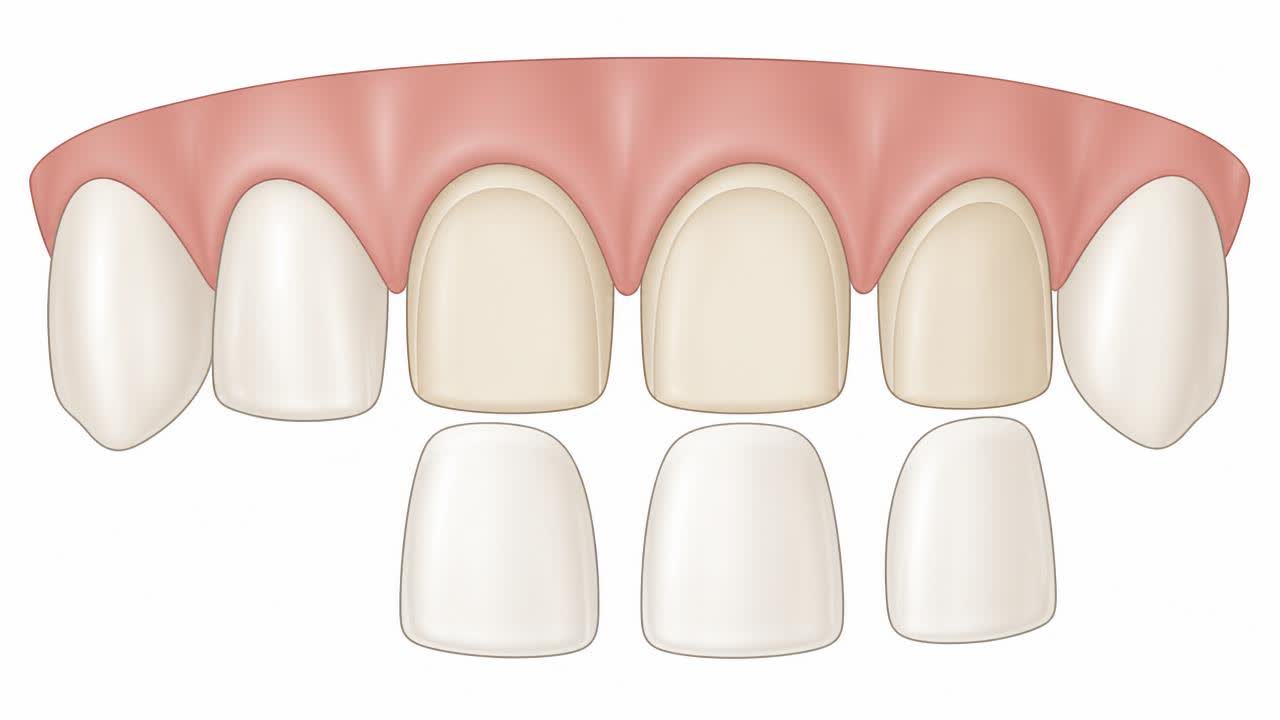
- Porcelain or E-max veneers, orthodontic gap closure, or more involved gum surgery need to be started months in advance, since laboratory fabrication time, healing periods, and the need for a settling-in period after final…
- Many wedding smile makeovers combine several treatments, such as gum contouring followed by whitening and finished with composite bonding for chipped edges, sequenced in the correct order to achieve a cohesive final look.
Why Early Planning Matters
Many patients approach us just weeks before their wedding hoping for a complete smile transformation, but the more involved treatments such as veneers, orthodontics, or gum recontouring require adequate healing and adjustment time to look and feel their best. Starting the process at least three to six months ahead gives far more flexibility and better results than a rushed timeline.
Early planning also allows time for a proper consultation and, where relevant, a digital smile design or mock-up stage, so you and your dentist can agree on the desired outcome well before any irreversible treatment steps begin, reducing the risk of last-minute disappointment.
Fast Options for Tight Timelines
If your wedding is only a few weeks away, in-office teeth whitening, composite bonding for chipped or gapped teeth, and gum contouring for excess gum tissue are among the quickest cosmetic treatments, often completed within one or two appointments with minimal recovery time.
We recommend scheduling these closer treatments about one to two weeks before the wedding, allowing any mild sensitivity from whitening or tenderness from gum contouring to settle fully before the big day, rather than having any treatment done in the final few days.
Planning Longer Treatments Well Ahead
Porcelain or E-max veneers, orthodontic gap closure, or more involved gum surgery need to be started months in advance, since laboratory fabrication time, healing periods, and the need for a settling-in period after final placement all add to the overall timeline. Attempting to compress these into a short window increases the risk of a rushed or less satisfactory result.
For orthodontic corrections specifically, even a few months of clear aligner treatment can meaningfully improve minor spacing or crowding before a wedding, but this requires early consultation to assess whether your specific case is realistic to complete comfortably within your available timeframe.
Building a Realistic Combined Plan
Many wedding smile makeovers combine several treatments, such as gum contouring followed by whitening and finished with composite bonding for chipped edges, sequenced in the correct order to achieve a cohesive final look. Your dentist will map out this sequence with target dates working backwards from your wedding day.
We always build in a buffer period before the wedding for any final touch-ups or unexpected adjustments, since even well-planned treatment occasionally needs a small refinement, and having this buffer avoids unnecessary stress in the final days before your celebration.
Questions patients ask us
- How far in advance should I start a wedding smile makeover?
- For simple treatments like whitening or bonding, a few weeks is sufficient, but for veneers, orthodontics or more involved gum procedures, we recommend starting at least three to six months ahead to allow proper planning, healing and any adjustments.
- Can I get veneers just before my wedding?
- It is possible if timed correctly, but we recommend having veneers placed at least two to three weeks before the wedding so any minor bite adjustments or sensitivity have time to settle, and so you feel fully comfortable with your new smile beforehand.
- What is the quickest way to improve my smile before an event?
- In-office whitening combined with composite bonding for any chips or small gaps is generally the fastest combination, often achievable within one to two appointments close to the event date.
- Should I get dental work done during mehendi or sangeet week?
- We advise against scheduling any new dental treatment during the final few days of wedding festivities, since even minor procedures can cause temporary sensitivity or swelling, and it is best to have treatments completed and settled well before this busy period begins.
Sources and further reading
Guidance from professional and public health bodies. Clinical decisions here are made on your own examination and radiographs.
- 1.Whitening, bonding and veneers — patient information — American Dental Association
- 2.Guidance on tooth whitening and cosmetic dental treatment — British Dental Association
- 3.Oral health — fact sheet and global status report — World Health Organization
- 4.Policy statements and oral health definitions — FDI World Dental Federation
- 5.Dental health — conditions, treatments and patient guidance — NHS (UK)
- 6.Systematic reviews of oral and dental interventions — Cochrane Oral Health
- 7.Regulatory framework and dental education standards in India — Dental Council of India
When to see us
Get examined without waiting if any of the following applies to you:
- Sensitivity or pain that continues for more than a few days after cosmetic work
- A veneer, crown or bonded restoration that has chipped, debonded or feels high in the bite
- Gum inflammation or dark margins developing at the edge of a restoration
Get a written plan and cost before you commit
If this is what you are dealing with, the next step is a consultation with radiographs — cosmetic & smile design cases are seen by the specialist who handles that field. You get a written plan and staged cost before anything begins.
reception@dramitsharmahospital.comThis article is general education and does not replace an in-person examination, radiographs or a diagnosis by a qualified dentist.
Clinical terms in this article
Related in Cosmetic & Smile Design
Dental Crowns and Bridges: What They Are and When You Need One
How crowns and bridges restore damaged or missing teeth, the materials used, and what the process and aftercare involve.
Teeth Whitening and Tooth Stains: Causes and Treatment Options
Why teeth discolour over time, the difference between surface stains and deeper discolouration, and how professional whitening compares with home options.
Smile Makeover and Digital Smile Design
How veneers, bonding, whitening and gum contouring are combined into one planned cosmetic outcome.
Teeth Whitening: What Actually Works
In-office versus home whitening, realistic expectations, sensitivity management and what whitening cannot fix.
Black Triangles Between Teeth Causes and Treatment
Open gingival embrasures, commonly called black triangles between teeth and gums, occur when the interdental papilla recedes. Explore the anatomical causes, clinical classifications, restorative and orthodontic treatments, and long-term periodontal maintenance strategies.
Internal Tooth Bleaching for Discolored Nonvital Teeth
Internal tooth bleaching after root canal treatment is a conservative endodontic procedure that lightens intrinsically discoloured, non-vital teeth from within the pulp chamber, restoring natural aesthetics without requiring extensive structural removal for crowns or veneers.