At a glance
- Digital Smile Design, often shortened to DSD, is a structured photographic and video protocol that allows your dentist to analyse your face, lips and teeth together rather than looking at teeth in isolation.
- Once the digital analysis is complete, the proposed tooth shapes are used to create a wax-up or 3D printed model of your future smile.
- Patients considering veneers, crowns, or a combination of whitening, orthodontics and restorative work benefit most, since DSD coordinates multiple treatments around one agreed final result rather than treating each tooth as a…
- Digital Smile Design is a planning and communication tool, not a guarantee of an identical clinical outcome, since gum tissue, tooth material and lighting in the mouth behave differently from a screen image.
What Digital Smile Design Involves
Digital Smile Design, often shortened to DSD, is a structured photographic and video protocol that allows your dentist to analyse your face, lips and teeth together rather than looking at teeth in isolation. High resolution photographs are taken from several angles while you speak and smile naturally, capturing how your teeth relate to your lips, gums and facial features.
These images are imported into specialised software where reference lines are drawn to check symmetry, midline position, tooth proportion and the amount of tooth visible at rest and during a full smile. This analysis reveals issues that are easy to miss on a simple mirror check, such as a tilted midline or uneven gum levels that affect how balanced a smile appears.
At our Jaipur hospital, we find this stage particularly valuable for patients travelling from other cities who want fewer follow-up visits, since many decisions about shape and length are finalised digitally before any drilling or preparation of teeth takes place.
From Digital Plan to Mock-Up
Once the digital analysis is complete, the proposed tooth shapes are used to create a wax-up or 3D printed model of your future smile. This model is then used to fabricate a temporary mock-up that can be placed directly in your mouth, often without any tooth preparation, so you can see and feel an approximation of the final result.
Trying the mock-up lets you assess how the new tooth length feels against your lower lip, how it looks when you laugh, and whether the shape suits your face. Many patients ask for small adjustments at this stage, such as slightly rounder edges or a touch more length, which is far easier to change on a temporary model than after final veneers or crowns are cemented.
This step also helps manage expectations honestly. If a desired outcome is not achievable given your bite or existing tooth position, we can explain this clearly using the mock-up rather than after irreversible treatment has started.
Who Benefits Most from This Approach
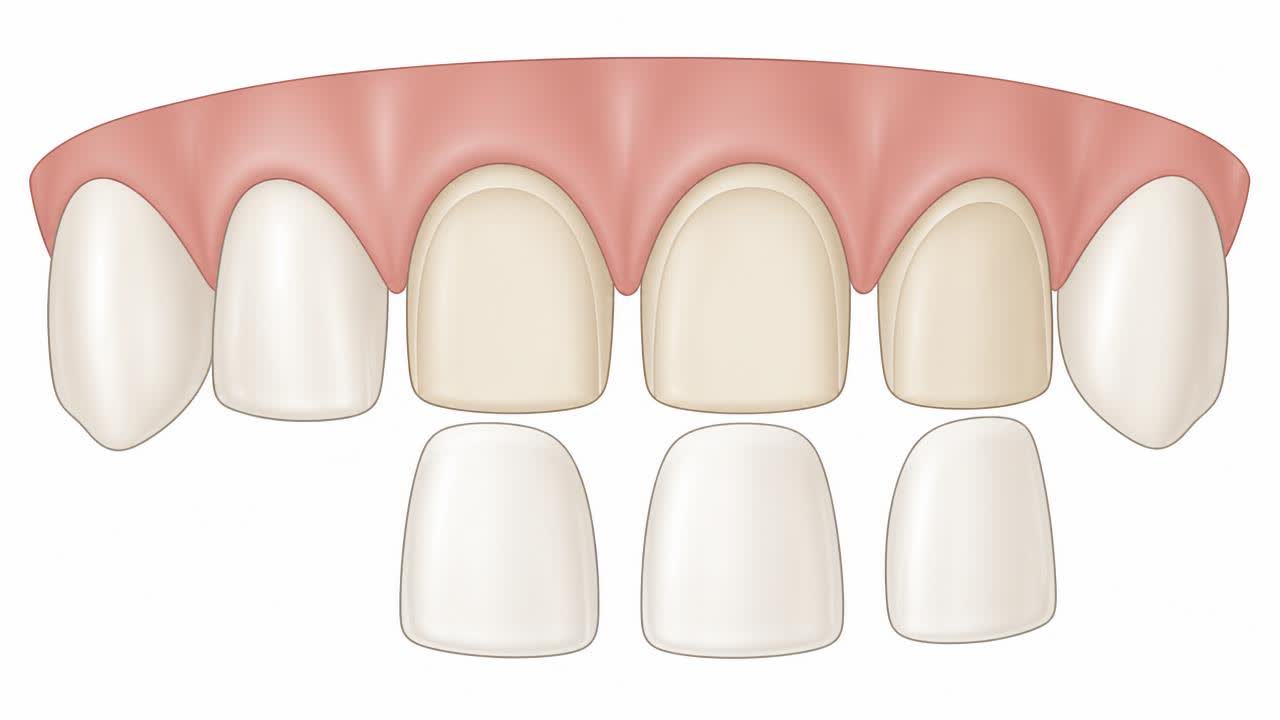
Patients considering veneers, crowns, or a combination of whitening, orthodontics and restorative work benefit most, since DSD coordinates multiple treatments around one agreed final result rather than treating each tooth as a separate decision. It is especially useful when several front teeth need to be addressed together for a uniform appearance.
It is also helpful for patients who have struggled to describe what they want verbally. Seeing options on screen and then in a physical mock-up removes much of the guesswork and reduces the chance of disappointment after the definitive restorations are placed.
Limitations to Understand
Digital Smile Design is a planning and communication tool, not a guarantee of an identical clinical outcome, since gum tissue, tooth material and lighting in the mouth behave differently from a screen image. Your dentist will explain where small variations are likely, particularly in translucency and colour blending with natural teeth.
The process also requires an additional planning visit or two compared with going straight to treatment, which suits patients who value certainty over speed. For straightforward single-tooth repairs, a full digital workflow may not be necessary, and your dentist will advise honestly if a simpler approach is more appropriate for your case.
Questions patients ask us
- Does Digital Smile Design cost extra?
- It is usually included as part of a comprehensive smile makeover consultation rather than charged separately, though this depends on the complexity of your case. We will explain what is included before you commit to any planning or treatment.
- Can I request changes after seeing the digital design?
- Yes, this is the entire purpose of the process. You can request adjustments to tooth length, shape, or symmetry at the digital stage and again when trying the physical mock-up before any permanent work begins.
- How many appointments does the planning stage take?
- Most patients need one appointment for photographs and measurements and a second to try the mock-up in the mouth, though complex cases involving orthodontics or gum recontouring may need additional planning visits.
- Is this suitable if I only want to fix one chipped tooth?
- For a single tooth, we can usually match shade and shape by eye using photographs of your other teeth as reference, and full digital smile design is generally reserved for multi-tooth cosmetic cases.
Sources and further reading
Guidance from professional and public health bodies. Clinical decisions here are made on your own examination and radiographs.
- 1.Whitening, bonding and veneers — patient information — American Dental Association
- 2.Guidance on tooth whitening and cosmetic dental treatment — British Dental Association
- 3.Oral health — fact sheet and global status report — World Health Organization
- 4.Policy statements and oral health definitions — FDI World Dental Federation
- 5.Dental health — conditions, treatments and patient guidance — NHS (UK)
- 6.Systematic reviews of oral and dental interventions — Cochrane Oral Health
- 7.Regulatory framework and dental education standards in India — Dental Council of India
When to see us
Get examined without waiting if any of the following applies to you:
- Sensitivity or pain that continues for more than a few days after cosmetic work
- A veneer, crown or bonded restoration that has chipped, debonded or feels high in the bite
- Gum inflammation or dark margins developing at the edge of a restoration
Get a written plan and cost before you commit
If this is what you are dealing with, the next step is a consultation with radiographs — cosmetic & smile design cases are seen by the specialist who handles that field. You get a written plan and staged cost before anything begins.
reception@dramitsharmahospital.comThis article is general education and does not replace an in-person examination, radiographs or a diagnosis by a qualified dentist.
Clinical terms in this article
Related in Cosmetic & Smile Design
Dental Crowns and Bridges: What They Are and When You Need One
How crowns and bridges restore damaged or missing teeth, the materials used, and what the process and aftercare involve.
Teeth Whitening and Tooth Stains: Causes and Treatment Options
Why teeth discolour over time, the difference between surface stains and deeper discolouration, and how professional whitening compares with home options.
Smile Makeover and Digital Smile Design
How veneers, bonding, whitening and gum contouring are combined into one planned cosmetic outcome.
Teeth Whitening: What Actually Works
In-office versus home whitening, realistic expectations, sensitivity management and what whitening cannot fix.
Black Triangles Between Teeth Causes and Treatment
Open gingival embrasures, commonly called black triangles between teeth and gums, occur when the interdental papilla recedes. Explore the anatomical causes, clinical classifications, restorative and orthodontic treatments, and long-term periodontal maintenance strategies.
Internal Tooth Bleaching for Discolored Nonvital Teeth
Internal tooth bleaching after root canal treatment is a conservative endodontic procedure that lightens intrinsically discoloured, non-vital teeth from within the pulp chamber, restoring natural aesthetics without requiring extensive structural removal for crowns or veneers.