At a glance
- In-office whitening uses a higher concentration bleaching gel than over-the-counter or home kits, applied directly to the teeth after the gums and soft tissues have been carefully isolated with a protective barrier.
- Most patients see a noticeable improvement of several shades in a single session, though the exact result depends on your starting tooth colour and the cause of discolouration.
- Temporary sensitivity to cold is common for a day or two after in-office whitening and usually resolves on its own.
- Results from in-office whitening typically last from six months to two years depending on your diet and habits, with tea, coffee, turmeric-heavy food, red wine and tobacco being the main contributors to relapse.
How In-Office Whitening Differs
In-office whitening uses a higher concentration bleaching gel than over-the-counter or home kits, applied directly to the teeth after the gums and soft tissues have been carefully isolated with a protective barrier. This isolation step is important because higher strength gel can irritate soft tissue if it makes contact, and having a trained clinician manage this reduces that risk significantly compared with unsupervised application.
The procedure typically takes sixty to ninety minutes, with the gel applied in cycles and sometimes activated with a special light, though the light's role is mainly to keep the gel at an effective temperature rather than being essential to the chemical whitening reaction itself.
Safety and Sensitivity Management
Temporary sensitivity to cold is common for a day or two after in-office whitening and usually resolves on its own. We often recommend a desensitising toothpaste in the days before and after treatment to reduce this effect, and we assess your teeth for any exposed root surfaces or cracks beforehand, since these areas are more likely to feel sensitive.
Whitening is not recommended during pregnancy or breastfeeding as a precaution, and it is not advisable for patients with active gum disease or untreated decay, since the gel can aggravate these conditions. We complete a full check and any necessary treatment first.
What Results to Expect
Most patients see a noticeable improvement of several shades in a single session, though the exact result depends on your starting tooth colour and the cause of discolouration. Yellowish staining from ageing or food and drink responds well, while grey discolouration from certain medications taken in childhood, such as tetracycline, tends to respond more slowly and may need repeated sessions or a combined approach with veneers.
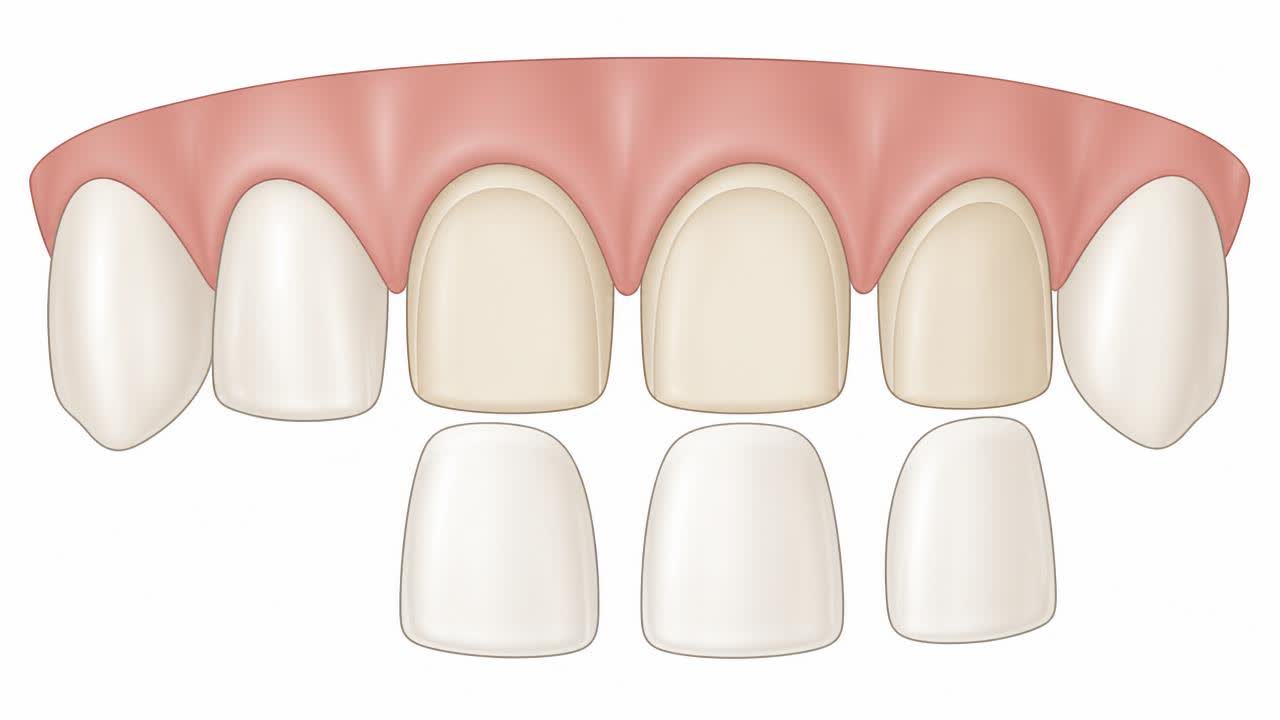
Whitening only affects natural tooth enamel and will not change the colour of existing crowns, veneers or fillings, so if you have visible restorations on your front teeth, we discuss this beforehand so the final appearance remains even rather than mismatched.
Maintaining Your Results
Results from in-office whitening typically last from six months to two years depending on your diet and habits, with tea, coffee, turmeric-heavy food, red wine and tobacco being the main contributors to relapse. Using a straw for coloured beverages and rinsing with water afterwards can help extend the result.
Many patients choose to combine an in-office session with a set of custom take-home trays for periodic top-up whitening every few months, which tends to maintain the brighter shade more consistently than relying on repeated in-office visits alone.
Questions patients ask us
- How white will my teeth get?
- Results vary by individual, but many patients see an improvement of several shades on a standard shade guide after one session. Your dentist will assess your starting shade and explain a realistic outcome for your specific teeth before beginning.
- Is in-office whitening safe for enamel?
- Yes, when performed by a trained dentist using properly regulated gel concentrations and correct application time, whitening does not damage enamel. Safety depends heavily on correct professional technique and pre-treatment assessment.
- How soon before a wedding should I get whitening done?
- We recommend having whitening completed at least one to two weeks before the event, both to allow any mild sensitivity to settle and to leave time for a top-up session if needed.
- Can I eat and drink normally afterwards?
- We advise avoiding strongly coloured foods and drinks such as tea, coffee, cola and turmeric-rich dishes for around 48 hours after treatment, since the tooth surface is temporarily more porous and prone to staining during this window.
Sources and further reading
Guidance from professional and public health bodies. Clinical decisions here are made on your own examination and radiographs.
- 1.Whitening, bonding and veneers — patient information — American Dental Association
- 2.Guidance on tooth whitening and cosmetic dental treatment — British Dental Association
- 3.Oral health — fact sheet and global status report — World Health Organization
- 4.Policy statements and oral health definitions — FDI World Dental Federation
- 5.Dental health — conditions, treatments and patient guidance — NHS (UK)
- 6.Systematic reviews of oral and dental interventions — Cochrane Oral Health
- 7.Regulatory framework and dental education standards in India — Dental Council of India
When to see us
Get examined without waiting if any of the following applies to you:
- Sensitivity or pain that continues for more than a few days after cosmetic work
- A veneer, crown or bonded restoration that has chipped, debonded or feels high in the bite
- Gum inflammation or dark margins developing at the edge of a restoration
Get a written plan and cost before you commit
If this is what you are dealing with, the next step is a consultation with radiographs — cosmetic & smile design cases are seen by the specialist who handles that field. You get a written plan and staged cost before anything begins.
reception@dramitsharmahospital.comThis article is general education and does not replace an in-person examination, radiographs or a diagnosis by a qualified dentist.
Clinical terms in this article
Related in Cosmetic & Smile Design
Dental Crowns and Bridges: What They Are and When You Need One
How crowns and bridges restore damaged or missing teeth, the materials used, and what the process and aftercare involve.
Teeth Whitening and Tooth Stains: Causes and Treatment Options
Why teeth discolour over time, the difference between surface stains and deeper discolouration, and how professional whitening compares with home options.
Smile Makeover and Digital Smile Design
How veneers, bonding, whitening and gum contouring are combined into one planned cosmetic outcome.
Teeth Whitening: What Actually Works
In-office versus home whitening, realistic expectations, sensitivity management and what whitening cannot fix.
Black Triangles Between Teeth Causes and Treatment
Open gingival embrasures, commonly called black triangles between teeth and gums, occur when the interdental papilla recedes. Explore the anatomical causes, clinical classifications, restorative and orthodontic treatments, and long-term periodontal maintenance strategies.
Internal Tooth Bleaching for Discolored Nonvital Teeth
Internal tooth bleaching after root canal treatment is a conservative endodontic procedure that lightens intrinsically discoloured, non-vital teeth from within the pulp chamber, restoring natural aesthetics without requiring extensive structural removal for crowns or veneers.