At a glance
- The dental midline is the imaginary line that runs vertically between your two upper central front teeth.
- Several factors can cause a midline shift, including genetics, missing teeth, tooth crowding, or even habits such as thumb-sucking in childhood.
- The approach to correcting a midline deviation depends on the severity of the misalignment.
- Achieving a corrected midline can have a profound impact on your overall appearance.
- Every patient has different needs, and at Dr.
What is a Dental Midline?
The dental midline is the imaginary line that runs vertically between your two upper central front teeth. Ideally, this line should align perfectly with the centre of your face, specifically the middle of your nose and your philtrum, which is the vertical groove above your upper lip. When this line is centred, it creates a sense of balance and harmony in your smile.
In many people, the dental midline may be slightly shifted to the left or right, or it may not align with the facial midline. While a minor deviation might go unnoticed by most, a significant discrepancy can make your smile appear tilted or unbalanced. Correcting this is a common goal in modern cosmetic dentistry and can significantly improve the overall aesthetics of your face.
Causes of Midline Deviation
Several factors can cause a midline shift, including genetics, missing teeth, tooth crowding, or even habits such as thumb-sucking in childhood. Sometimes, a previous dental treatment that did not properly account for the midline can also lead to an aesthetic imbalance. Understanding the cause is the first step, as it helps us determine the best strategy for your individual correction.
At Dr. Amit Sharma Super Speciality Dental Hospital, we begin with a thorough examination and 3D assessment to determine the root cause of your midline issue. Whether it is a skeletal concern, a dental arch issue, or simply a matter of tooth position, we develop a tailored treatment plan that addresses the underlying cause to achieve the most stable and beautiful results.
Treatment Options for Correction
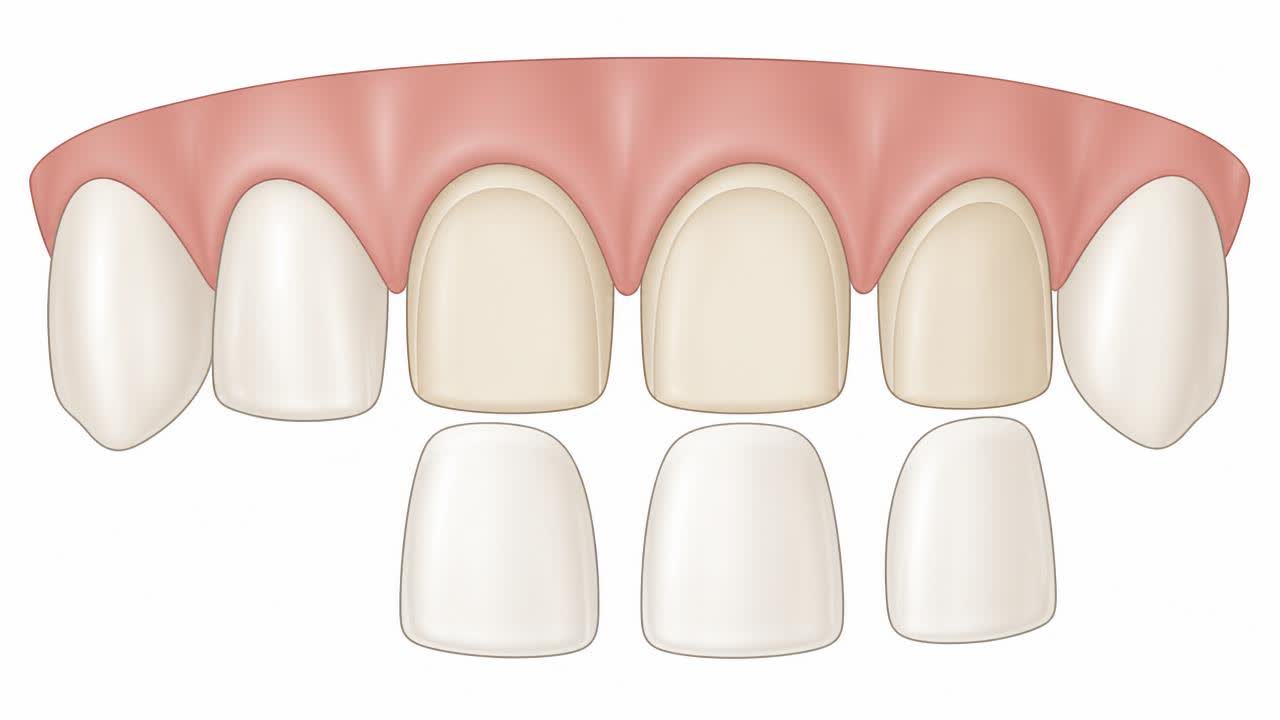
The approach to correcting a midline deviation depends on the severity of the misalignment. For mild cases, cosmetic procedures such as porcelain veneers or composite bonding can be used to reshape the teeth, creating the optical illusion of a perfectly centred smile. These treatments are excellent for patients who want a quick, transformative improvement without undergoing lengthy orthodontic procedures.
For more complex cases, or where the bite is also affected, we might recommend orthodontic treatment, such as clear aligners or braces. This approach gradually moves your teeth into their correct, centred position, ensuring the best long-term results for both your bite and your appearance. We will discuss the best options for your specific situation during your consultation, ensuring you have a clear understanding of the path ahead.
The Aesthetic Impact of Symmetry
Achieving a corrected midline can have a profound impact on your overall appearance. Even a small adjustment in tooth position can create a sense of order and balance that makes your smile feel more natural and appealing. When your teeth are properly aligned with your facial features, it draws attention to your smile in a positive way, boosting your confidence.
Our goal is not just to fix the position of the teeth but to ensure the final result complements your entire face. We consider your lip shape, the amount of gum you show, and your overall facial profile. By ensuring the midline is correctly positioned, we create a focal point for your smile that is both attractive and perfectly in tune with your unique facial anatomy.
Personalised Treatment Planning
Every patient has different needs, and at Dr. Amit Sharma Super Speciality Dental Hospital, we pride ourselves on our personalised approach. We use advanced digital design software to simulate the outcome of different midline correction methods, allowing you to see the potential change before we begin treatment. This ensures that you are comfortable with the plan and confident in the predicted results.
Whether you choose cosmetic reshaping or orthodontic realignment, our experienced team is committed to delivering excellence. We combine the latest technology with precise clinical care to ensure your smile transformation is successful and satisfying. If you feel your smile is not quite centred, we invite you to discuss your options with us and start your journey toward a perfectly balanced, beautiful smile.
Questions patients ask us
- Is it necessary to correct a midline shift?
- It is not always medically necessary, but many patients choose to correct it for aesthetic reasons. A well-aligned midline is a key component of a balanced, attractive smile. If your misalignment is minor, you may not need complex treatment, while more pronounced shifts might benefit from correction.
- What is the fastest way to fix a midline?
- If the shift is minor and related to the shape or size of your front teeth, porcelain veneers or composite bonding can often provide an immediate, effective correction. This is generally much faster than orthodontic treatment, although it is best suited for specific cases where tooth position is the primary concern.
- Will fixing my midline change my bite?
- It depends on the method used. Cosmetic procedures like veneers or bonding primarily focus on appearance and usually do not change your bite. If your midline shift is related to your bite or jaw alignment, we may suggest orthodontic treatment to ensure that the correction is stable and promotes healthy function.
- How can I tell if my midline is off?
- You can check by looking at your smile in a mirror. The vertical space between your two upper central incisors should align with the centre of your face, right under the middle of your nose. If it seems noticeably tilted or skewed to one side, you may have a midline deviation.
Sources and further reading
Guidance from professional and public health bodies. Clinical decisions here are made on your own examination and radiographs.
- 1.Whitening, bonding and veneers — patient information — American Dental Association
- 2.Guidance on tooth whitening and cosmetic dental treatment — British Dental Association
- 3.Oral health — fact sheet and global status report — World Health Organization
- 4.Policy statements and oral health definitions — FDI World Dental Federation
- 5.Dental health — conditions, treatments and patient guidance — NHS (UK)
- 6.Systematic reviews of oral and dental interventions — Cochrane Oral Health
- 7.Regulatory framework and dental education standards in India — Dental Council of India
When to see us
Get examined without waiting if any of the following applies to you:
- Sensitivity or pain that continues for more than a few days after cosmetic work
- A veneer, crown or bonded restoration that has chipped, debonded or feels high in the bite
- Gum inflammation or dark margins developing at the edge of a restoration
Get a written plan and cost before you commit
If this is what you are dealing with, the next step is a consultation with radiographs — cosmetic & smile design cases are seen by the specialist who handles that field. You get a written plan and staged cost before anything begins.
reception@dramitsharmahospital.comThis article is general education and does not replace an in-person examination, radiographs or a diagnosis by a qualified dentist.
Clinical terms in this article
Related in Cosmetic & Smile Design
Dental Crowns and Bridges: What They Are and When You Need One
How crowns and bridges restore damaged or missing teeth, the materials used, and what the process and aftercare involve.
Teeth Whitening and Tooth Stains: Causes and Treatment Options
Why teeth discolour over time, the difference between surface stains and deeper discolouration, and how professional whitening compares with home options.
Smile Makeover and Digital Smile Design
How veneers, bonding, whitening and gum contouring are combined into one planned cosmetic outcome.
Teeth Whitening: What Actually Works
In-office versus home whitening, realistic expectations, sensitivity management and what whitening cannot fix.
Black Triangles Between Teeth Causes and Treatment
Open gingival embrasures, commonly called black triangles between teeth and gums, occur when the interdental papilla recedes. Explore the anatomical causes, clinical classifications, restorative and orthodontic treatments, and long-term periodontal maintenance strategies.
Internal Tooth Bleaching for Discolored Nonvital Teeth
Internal tooth bleaching after root canal treatment is a conservative endodontic procedure that lightens intrinsically discoloured, non-vital teeth from within the pulp chamber, restoring natural aesthetics without requiring extensive structural removal for crowns or veneers.