At a glance
- When a tooth suffers significant damage, the first priority is determining if the remaining natural root structure can support a crown.
- Root canal treatment involves removing the infected or inflamed pulp from inside the tooth, cleaning the canals, and sealing them to prevent further infection.
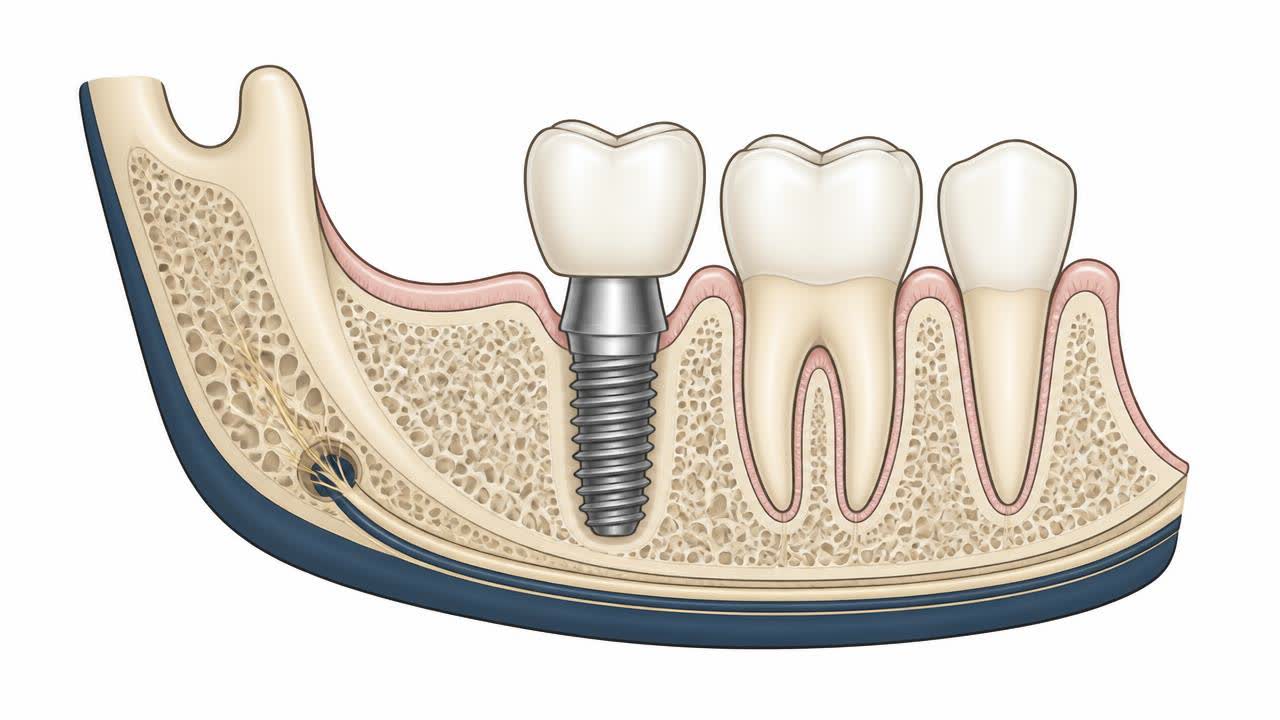
- Dental implants are titanium posts surgically placed into the jawbone to act as artificial roots.
- Long-term success is the most important factor in your decision.
- Deciding between these treatments is a significant step that should not be rushed.
Assessing Tooth Structural Integrity
When a tooth suffers significant damage, the first priority is determining if the remaining natural root structure can support a crown. A dentist will take digital radiographs to evaluate the health of the bone and the extent of the fracture below the gum line. If the damage is limited to the crown, root canal therapy followed by a robust post and core restoration might be a viable, conservative option.
However, if the fracture extends deep into the root or if there is significant decay that compromises the foundation, saving the tooth may result in a poor long-term prognosis. In such instances, attempting to salvage a failing tooth can lead to persistent inflammation and unnecessary expense. Our clinical team at Dr. Amit Sharma Super Speciality Dental Hospital carefully reviews your specific dental anatomy before recommending either a root canal or an extraction with implant replacement.
The Root Canal Pathway
Root canal treatment involves removing the infected or inflamed pulp from inside the tooth, cleaning the canals, and sealing them to prevent further infection. This procedure allows you to keep your natural tooth structure, which is generally preferred if the tooth remains structurally sound. Once the root canal is finished, a crown is typically placed to protect the tooth from further fracturing during daily chewing functions.
The success rate of modern root canal therapy is very high, provided there is sufficient tooth structure remaining. Patients often appreciate the comfort of keeping their own natural teeth. However, if the tooth is severely weakened, it may still fracture later. Regular reviews at our Jaipur clinic help ensure your root canal treatment remains stable and that the tooth continues to serve you well for many years to come.
The Dental Implant Pathway
Dental implants are titanium posts surgically placed into the jawbone to act as artificial roots. If a tooth is deemed non-restorable, an implant provides a stable, independent foundation for a replacement crown. Unlike a root canal, an implant cannot decay, which removes the risk of future cavities in that specific tooth. This makes them a predictable, long-term solution for patients who have lost confidence in their natural teeth.
The procedure involves a healing period for the implant to integrate with the jawbone before the crown is attached. While the initial investment might be higher than a root canal, the durability and reliability of implants often make them a more cost-effective choice over a lifetime. We ensure every implant procedure is planned with precision to restore both the aesthetics and the full functional capabilities of your original smile.
Consulting Our Specialists
Deciding between these treatments is a significant step that should not be rushed. At Dr. Amit Sharma Super Speciality Dental Hospital, we conduct a comprehensive evaluation including 3D imaging to provide you with a clear picture of your options. We take the time to explain the clinical reasoning behind our recommendations, ensuring you feel fully informed, comfortable, and confident in your final choice.
Our helpline 9314403502 is available if you have questions after your initial consultation or wish to book an appointment to discuss your broken tooth. We are dedicated to providing ethical, evidence-based care tailored to your unique needs in Jaipur. Whether you choose to save your tooth or opt for a modern implant, our priority is your long-term comfort and the restoration of a healthy, beautiful, and functional smile.
Comparing Long-term Prognosis
Long-term success is the most important factor in your decision. While saving a tooth with a root canal is a desirable goal, it is only recommended if the tooth has a high likelihood of lasting for years. If the long-term prognosis is uncertain, an implant might offer a more secure and predictable outcome. We weigh these factors based on your oral hygiene, bone density, and general health.
Both options require diligent daily cleaning and regular professional check-ups to remain successful. A root-filled tooth can still develop gum disease or secondary decay, while an implant can be affected by peri-implantitis if not maintained properly. Our team provides personalised advice to help you manage your dental health effectively, ensuring that your choice supports your long-term comfort, oral health, and functional well-being for many decades.
Questions patients ask us
- Is a dental implant always better than a root canal?
- Not necessarily. A root canal is often the first choice if your natural tooth can be effectively restored. An implant is usually recommended when the tooth is too damaged or has a poor long-term prognosis, ensuring a more stable and reliable long-term solution for your dental health.
- How long does a root canal procedure take?
- A root canal procedure typically requires one or two visits, depending on the complexity of the tooth's root system. The goal is to ensure the infection is fully removed and the canals are properly sealed before placing a final crown to restore the tooth's strength.
- Do dental implants feel like natural teeth?
- Yes, once fully integrated and fitted with a crown, dental implants feel and function very much like natural teeth. They are anchored securely into the jawbone, providing the stability needed for comfortable eating, speaking, and smiling with complete confidence in your everyday life.
- Will I need bone grafting for an implant?
- If the bone density around the site of your missing tooth has decreased, a bone graft may be necessary to provide a stable foundation for the implant. Our specialists will assess your bone levels using 3D imaging to determine if this extra step is required for success.
Sources and further reading
Guidance from professional and public health bodies. Clinical decisions here are made on your own examination and radiographs.
- 1.ITI Treatment Guide series and consensus statements — International Team for Implantology (ITI)
- 2.Consensus reports on implant dentistry — European Association for Osseointegration
- 3.Prosthodontic and edentulous-care patient guidance — American College of Prosthodontists
- 4.Oral health — fact sheet and global status report — World Health Organization
- 5.Policy statements and oral health definitions — FDI World Dental Federation
- 6.Dental health — conditions, treatments and patient guidance — NHS (UK)
- 7.Systematic reviews of oral and dental interventions — Cochrane Oral Health
- 8.Regulatory framework and dental education standards in India — Dental Council of India
When to see us
Get examined without waiting if any of the following applies to you:
- Pain, looseness or pus around an implant or a fixed bridge
- A crown, bridge or denture that has fractured or come away
- Gum swelling that keeps returning around the same restoration
Get a written plan and cost before you commit
If this is what you are dealing with, the next step is a consultation with radiographs — implants & missing teeth cases are seen by the specialist who handles that field. You get a written plan and staged cost before anything begins.
reception@dramitsharmahospital.comThis article is general education and does not replace an in-person examination, radiographs or a diagnosis by a qualified dentist.
Clinical terms in this article
Related in Implants & Missing Teeth
Missing Teeth: Comparing Dentures, Bridges and Implant Options
What happens if a missing tooth is left unreplaced, and how dentures, bridges and implants compare on comfort, longevity and bone health.
Dental Implants: A Complete Guide
How titanium implants replace missing teeth, who qualifies, the step-by-step timeline and how long they last.
Full Mouth Rehabilitation
Rebuilding a worn, collapsed or heavily damaged dentition with a sequenced, whole-mouth treatment plan.
Peri-Implant Mucositis Symptoms and Early Intervention
Peri-implant mucositis is a plaque-induced, reversible inflammatory lesion affecting the soft tissues surrounding a dental implant without bone loss. Prompt professional debridement, risk-factor modification, and meticulous biofilm control prevent progression to irreversible peri-implantitis.
Peri-Implantitis Symptoms Bone Loss and Implant Salvage
Peri-implantitis is an inflammatory condition causing progressive marginal bone loss around dental implants. Early detection, thorough decontamination, and advanced surgical salvage techniques can arrest bone destruction, resolve inflammation, and preserve implant stability.
Root Canal Retreatment vs Tooth Extraction and Implant
This clinical guide evaluates root canal retreatment versus tooth extraction and dental implant placement. Learn about biological tooth preservation, anatomical considerations, procedural steps, longevity, recovery expectations, and diagnostic criteria to make an informed oral healthcare decision.