At a glance
- Tooth decay is a process, not a sudden event.
- Remineralisation happens when minerals like calcium, phosphate, and fluoride are incorporated back into the weakened areas of your enamel.
- Your daily habits are the primary driver of remineralisation.
- Regular check-ups at Dr.
- Understanding the potential for remineralisation gives you a clear and powerful reason to maintain your dental routine.
The Decay Process
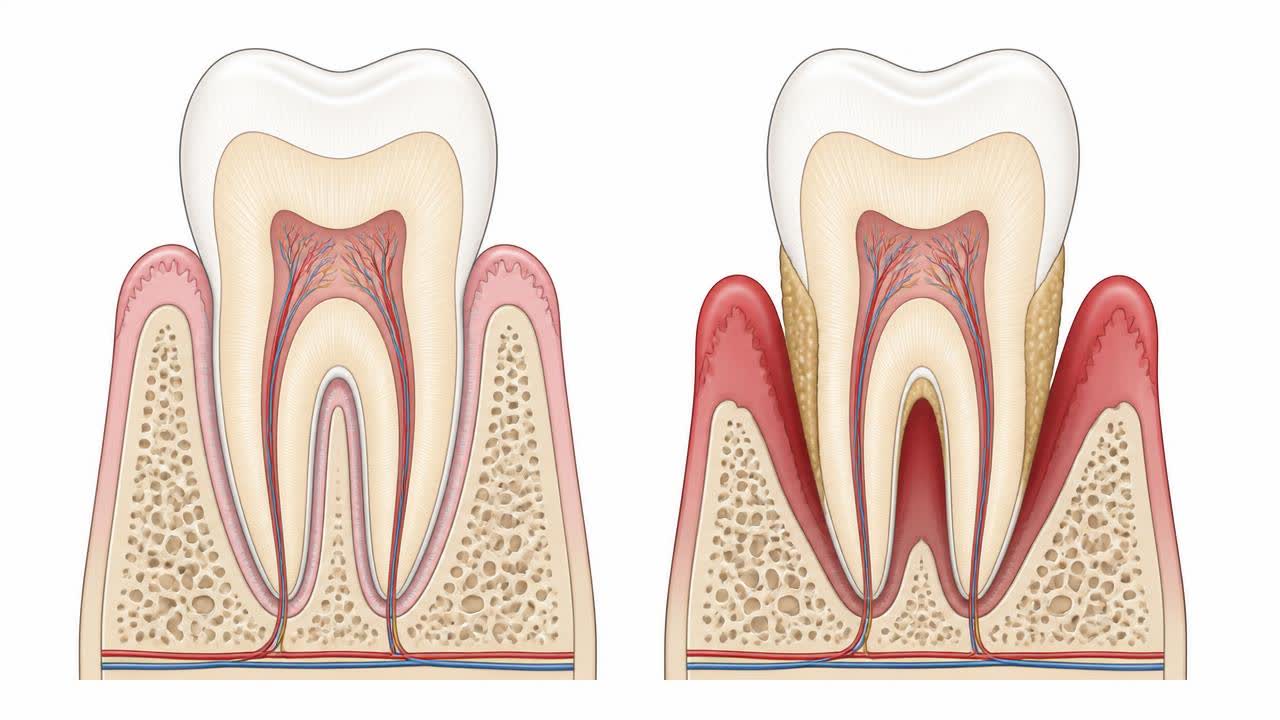
Tooth decay is a process, not a sudden event. It begins when bacteria in plaque produce acids that start to strip away minerals from the surface of your enamel, a process known as demineralisation. If this continues unchecked, the enamel structure becomes weaker and weaker until a small hole—or cavity—finally forms. This stage requires a professional filling to repair, which is why catching the process in its early phase is so important.
In the very earliest stages, however, your teeth are still in a state of flux. They are constantly losing and regaining minerals through your saliva, diet, and oral hygiene products. If you can shift the balance in favour of regaining minerals—a process called remineralisation—you can actually 'heal' the earliest spots of decay and stop the formation of a permanent cavity before it ever happens. This is the goal of true preventive dentistry.
How Remineralisation Works
Remineralisation happens when minerals like calcium, phosphate, and fluoride are incorporated back into the weakened areas of your enamel. Fluoride is particularly important here, as it integrates into the enamel structure, forming a new, stronger, and more acid-resistant material that is better at defending your teeth against future attacks. It is like repairing a small crack in your pavement before it grows into a massive pothole.
By providing your teeth with regular, concentrated sources of fluoride through your toothpaste and, if necessary, professional treatments, you give your body the tools it needs to repair these early spots of damage. Combined with a diet low in sugary and acidic foods, and effective daily plaque removal, you create an environment where your teeth can naturally rebuild and strengthen themselves against the daily challenges they face.
The Role of Your Routine
Your daily habits are the primary driver of remineralisation. Brushing twice a day with a fluoride toothpaste ensures that your teeth have regular access to this essential mineral, keeping your enamel strong and providing the opportunity for repair. Cleaning between your teeth with floss or interdental brushes removes the plaque that is constantly producing the acid in the first place, allowing the remineralisation process to take hold.
If you miss brushing or flossing, you allow the acid to continue stripping minerals away, completely overwhelming the repair process. The key is consistency. When you make your oral hygiene a non-negotiable daily priority, you create the best possible conditions for your teeth to maintain their structural integrity. It’s an empowering approach that puts you in the driver’s seat of your own dental health, helping you keep your teeth healthy for a lifetime.
Professional Support
Regular check-ups at Dr. Amit Sharma Super Speciality Dental Hospital are critical for detecting these early, reversible spots of decay. We can identify areas that are starting to demineralise—often through visual examination or X-rays—and provide advice on how to stop them before they worsen. In some cases, we may recommend extra professional fluoride treatments or even specific home-care products to speed up the repair process.
We are here to support your success in preserving your natural teeth. By monitoring your oral health and identifying these early opportunities for intervention, we help you save time, money, and the discomfort of more invasive treatments later on. Our goal is to ensure you stay ahead of the decay process, protecting your smile and maintaining your oral health through every stage of your life. Contact us today if you have any questions or concerns.
Empower Your Smile
Understanding the potential for remineralisation gives you a clear and powerful reason to maintain your dental routine. Every time you brush or floss, you are helping to defend, repair, and strengthen your teeth. It’s a simple, proactive habit that provides massive, long-term rewards for your oral health, comfort, and confidence. Take pride in your efforts and stay committed to the daily actions that ensure a healthy, vibrant, and beautiful smile.
If you feel that your teeth are sensitive or if you are concerned about potential decay, please contact us. We are here to help you evaluate your dental health and provide the guidance, support, and professional care you need to thrive. Together, we can prevent and reverse early decay, ensuring that you maintain strong, healthy teeth for many, many years to come. Let’s keep your smile in the absolute best condition together.
Questions patients ask us
- Can all cavities be reversed?
- No, only the very earliest stages of decay—the 'demineralisation' phase where minerals have been lost but the enamel is still intact—can be reversed. Once a cavity has penetrated the enamel into the dentin, a professional filling is required. This is why early detection is absolutely vital for preserving your teeth.
- How can I help my teeth remineralise?
- The best way is to maintain an excellent daily routine: brush twice a day with fluoride toothpaste and clean between your teeth every day. Also, limit your intake of sugar and acidic drinks, as these provide the fuel for the bacteria that strip minerals away from your tooth enamel.
- Does fluoride make a big difference?
- Yes, fluoride is essential for remineralisation. It integrates into your enamel, making it stronger and more resistant to future acid attacks. It is the most effective ingredient for reversing the earliest stages of decay and ensuring that your teeth stay healthy, strong, and resilient against everyday challenges.
- Are there special products for this?
- If we identify early spots of decay, we may recommend professional fluoride treatments, high-strength fluoride toothpaste, or other specific home-care products that are formulated to accelerate the repair process. During your check-up, we will provide you with a personalised plan to help your teeth re-harden and stay healthy.
Sources and further reading
Guidance from professional and public health bodies. Clinical decisions here are made on your own examination and radiographs.
- 1.EFP clinical practice guidelines for periodontitis — European Federation of Periodontology
- 2.Classification of periodontal and peri-implant diseases — American Academy of Periodontology
- 3.Prevention and treatment of periodontal diseases in practice — Scottish Dental Clinical Effectiveness Programme
- 4.Oral health — fact sheet and global status report — World Health Organization
- 5.Policy statements and oral health definitions — FDI World Dental Federation
- 6.Dental health — conditions, treatments and patient guidance — NHS (UK)
- 7.Systematic reviews of oral and dental interventions — Cochrane Oral Health
- 8.Regulatory framework and dental education standards in India — Dental Council of India
When to see us
Get examined without waiting if any of the following applies to you:
- Gums that bleed without provocation, or bleeding that has become heavier
- Teeth that feel loose, are drifting, or gaps that are opening up
- Persistent bad breath or taste, gum abscesses, or pus on pressing the gum
Get a written plan and cost before you commit
If this is what you are dealing with, the next step is a consultation with radiographs — gums & prevention cases are seen by the specialist who handles that field. You get a written plan and staged cost before anything begins.
reception@dramitsharmahospital.comThis article is general education and does not replace an in-person examination, radiographs or a diagnosis by a qualified dentist.
Clinical terms in this article
Related in Gums & Prevention
Bleeding Gums and Gum Disease: A Complete Guide
What bleeding gums usually mean, how gingivitis progresses into periodontal disease, and the treatment path from scaling to gum surgery.
Gum Disease: Detection and Treatment
From reversible gingivitis to periodontitis, the warning signs, staged treatment and the link to overall health.
Preventive Dentistry and Home Care
The routine that prevents most dental disease: brushing technique, interdental cleaning, diet and recall visits.
Chronic Bad Breath Caused by Gum Infection
Chronic bad breath, or halitosis, is frequently driven by underlying gum disease. Subgingival bacteria produce volatile sulphur compounds within periodontal pockets. Effective resolution requires professional periodontal debridement, targeted biofilm disruption, and meticulous daily interdental hygiene rather than cosmetic masking.
Loose Permanent Teeth from Advanced Periodontal Disease
Loose teeth from advanced gum disease occur when severe chronic inflammation destroys the supporting alveolar bone and periodontal ligament. With timely periodontal therapy, splinting, and meticulous plaque control, many loose teeth can be stabilised and preserved without extraction.
Furcation Involvement and Bone Loss Between Roots
Furcation involvement describes bone loss between the roots of multi-rooted molars caused by advanced periodontal disease. This clinical guide explains its causes, diagnostic staging, surgical and non-surgical therapies, daily maintenance, and red flag symptoms requiring urgent care.