At a glance
- Peri-implantitis is an inflammatory condition that affects the gum tissue and bone surrounding a dental implant.
- The primary cause of peri-implantitis is poor oral hygiene.
- Daily oral hygiene is your strongest defence against peri-implantitis.
- Regular professional cleanings are non-negotiable for implant patients.
- Taking care of your dental implant is a lifelong commitment, but it is one that pays off in comfort and function.
What is Peri-Implantitis?
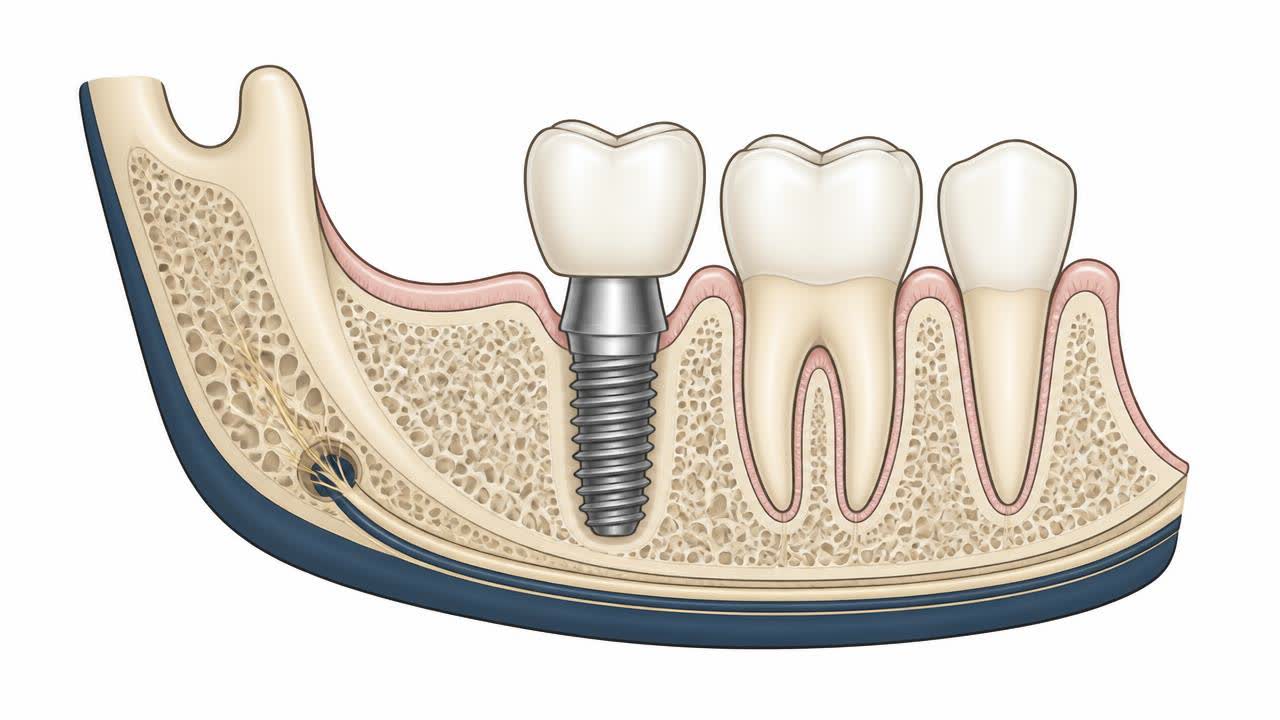
Peri-implantitis is an inflammatory condition that affects the gum tissue and bone surrounding a dental implant. It is similar to periodontitis, which affects natural teeth, and is caused by the accumulation of bacterial plaque. If left unmanaged, the infection can progress and damage the bone that supports the implant, potentially leading to its failure. Recognising this condition early is key to maintaining your implant long-term.
Healthy implant sites should have firm, pink, and non-bleeding gum tissue. Signs of peri-implantitis may include red, swollen, or bleeding gums, persistent bad breath, or even a noticeable loosening of the implant. Because implants do not have the same nerve supply as natural teeth, you might not feel pain during the early stages, making regular professional dental screenings absolutely essential for early detection.
Professional Monitoring and Cleaning
Regular professional cleanings are non-negotiable for implant patients. During these appointments, our hygienists use specialised, non-metallic tools to clean around the implant crown. These tools are designed to safely remove plaque and calculus without scratching the implant surface. Regular check-ups also allow us to monitor the gum health and take X-rays to verify that the bone around the implant remains strong and healthy.
If we detect any signs of early inflammation, we can intervene immediately. Treatment might include professional cleaning, the use of targeted antimicrobial agents, or adjustments to your home care routine. The goal of professional care is to keep your implant site in a pristine, healthy state, preventing problems before they become serious. Consistent, proactive maintenance is the hallmark of long-term implant success.
Commitment to Long-Term Health
Taking care of your dental implant is a lifelong commitment, but it is one that pays off in comfort and function. By understanding the signs of peri-implantitis and practising diligent daily care, you can enjoy the benefits of your implant for decades. We are here to support you with professional guidance, expert care, and the tools you need to maintain a healthy and stable implant site.
Should you ever notice any changes in the area around your implant, such as tenderness or bleeding, please contact us immediately for an evaluation. Early detection is the best way to ensure that any issues are addressed quickly and effectively. By partnering with our team, you are prioritising your dental health and ensuring that your smile remains healthy, strong, and beautiful for years to come.
Common Causes and Risk Factors
The primary cause of peri-implantitis is poor oral hygiene. If plaque is not consistently removed from around the implant, bacteria can colonise the area, leading to chronic inflammation. Other factors, such as smoking, uncontrolled diabetes, and a history of gum disease, can significantly increase your risk. Understanding these personal risk factors allows you to take proactive steps to better protect your dental investment.
Another factor can be the presence of residual dental cement. If excess cement was not completely removed when the implant crown was placed, it can create a rough surface under the gums that traps bacteria. This is why meticulous clinical work during the initial placement and restoration phase is so important. By minimising these risk factors, we create the best environment for your implant to remain healthy and stable.
The Role of Daily Maintenance
Daily oral hygiene is your strongest defence against peri-implantitis. You must treat your implant with the same care as your natural teeth, if not more. This means brushing twice a day with a soft-bristled toothbrush and using interdental aids like floss or special brushes to clean the spaces between your teeth. Cleaning around the base of the implant is vital for removing plaque and food particles.
Using an antimicrobial mouthwash may also be recommended by your dentist to help manage the bacterial load. The goal is to keep the area as clean as possible so that bacteria do not have a chance to form biofilms. By dedicating a few minutes each day to thorough cleaning, you can effectively manage the health of your gums and ensure the long-term success of your dental implant.
Questions patients ask us
- What are the early warning signs of peri-implantitis?
- Early signs include red, swollen, or bleeding gums around the implant site. You might also notice bad breath or a bad taste. Because implants do not have nerves, the infection can be painless, so it is crucial to attend regular dental check-ups for professional assessment.
- How can I prevent peri-implantitis at home?
- The best prevention is excellent daily hygiene. Brush twice a day with a soft brush and clean thoroughly between teeth using floss or interdental brushes. Do not smoke, as this significantly increases your risk. Regular check-ups with your dentist are also vital for early detection.
- Can peri-implantitis be treated successfully?
- Yes, especially when caught early. Treatment often involves a professional deep cleaning of the implant surface and the surrounding area. In more advanced cases, your dentist may recommend additional therapies or treatments to eliminate the infection and restore the health of the gum tissue.
- Do I need special tools to clean my implants?
- Yes, using the right tools makes a difference. Your dentist will recommend soft brushes, floss, and potentially interdental brushes or a water flosser that are safe to use around implants. These tools help remove plaque effectively without damaging the surface of your implant crown.
Sources and further reading
Guidance from professional and public health bodies. Clinical decisions here are made on your own examination and radiographs.
- 1.ITI Treatment Guide series and consensus statements — International Team for Implantology (ITI)
- 2.Consensus reports on implant dentistry — European Association for Osseointegration
- 3.Prosthodontic and edentulous-care patient guidance — American College of Prosthodontists
- 4.Oral health — fact sheet and global status report — World Health Organization
- 5.Policy statements and oral health definitions — FDI World Dental Federation
- 6.Dental health — conditions, treatments and patient guidance — NHS (UK)
- 7.Systematic reviews of oral and dental interventions — Cochrane Oral Health
- 8.Regulatory framework and dental education standards in India — Dental Council of India
When to see us
Get examined without waiting if any of the following applies to you:
- Pain, looseness or pus around an implant or a fixed bridge
- A crown, bridge or denture that has fractured or come away
- Gum swelling that keeps returning around the same restoration
Get a written plan and cost before you commit
If this is what you are dealing with, the next step is a consultation with radiographs — implants & missing teeth cases are seen by the specialist who handles that field. You get a written plan and staged cost before anything begins.
reception@dramitsharmahospital.comThis article is general education and does not replace an in-person examination, radiographs or a diagnosis by a qualified dentist.
Clinical terms in this article
Related in Implants & Missing Teeth
Missing Teeth: Comparing Dentures, Bridges and Implant Options
What happens if a missing tooth is left unreplaced, and how dentures, bridges and implants compare on comfort, longevity and bone health.
Dental Implants: A Complete Guide
How titanium implants replace missing teeth, who qualifies, the step-by-step timeline and how long they last.
Full Mouth Rehabilitation
Rebuilding a worn, collapsed or heavily damaged dentition with a sequenced, whole-mouth treatment plan.
Peri-Implant Mucositis Symptoms and Early Intervention
Peri-implant mucositis is a plaque-induced, reversible inflammatory lesion affecting the soft tissues surrounding a dental implant without bone loss. Prompt professional debridement, risk-factor modification, and meticulous biofilm control prevent progression to irreversible peri-implantitis.
Peri-Implantitis Symptoms Bone Loss and Implant Salvage
Peri-implantitis is an inflammatory condition causing progressive marginal bone loss around dental implants. Early detection, thorough decontamination, and advanced surgical salvage techniques can arrest bone destruction, resolve inflammation, and preserve implant stability.
Root Canal Retreatment vs Tooth Extraction and Implant
This clinical guide evaluates root canal retreatment versus tooth extraction and dental implant placement. Learn about biological tooth preservation, anatomical considerations, procedural steps, longevity, recovery expectations, and diagnostic criteria to make an informed oral healthcare decision.