At a glance
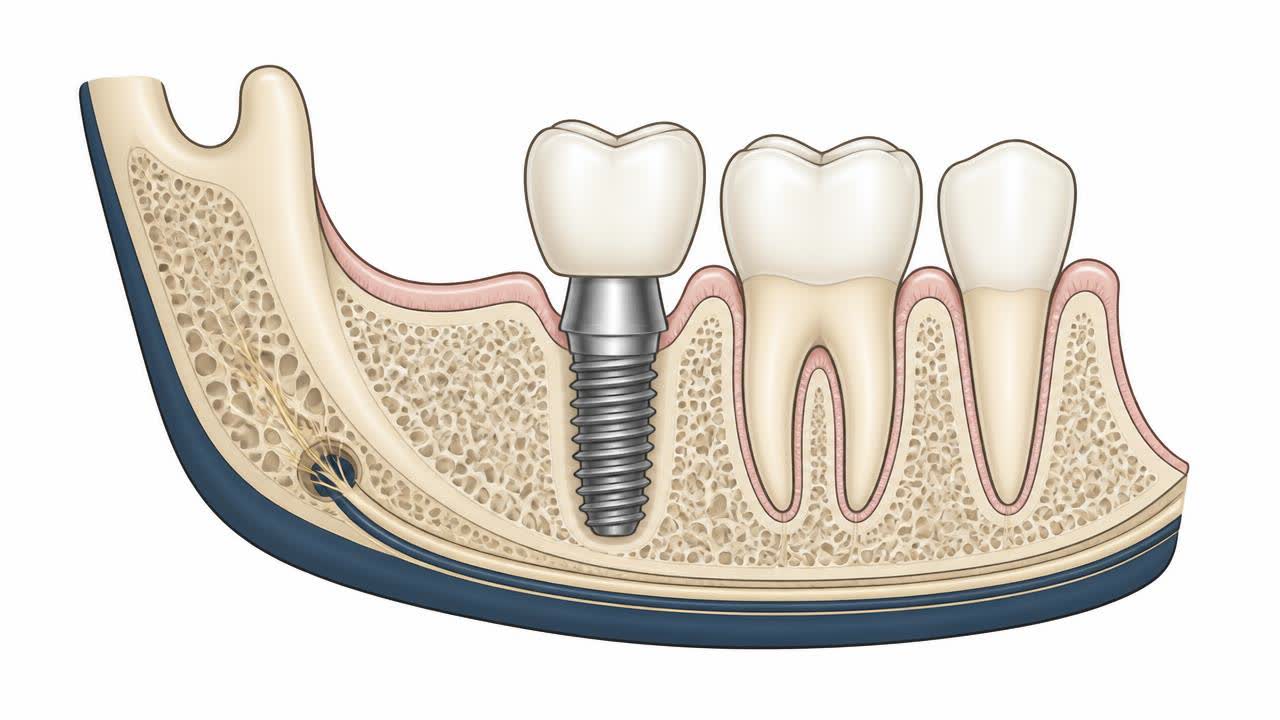
- Your dental implants might be artificial, but they exist within a living environment.
- The foundation of implant care is brushing twice daily.
- Brushing alone is not enough to keep your implant clean.
- Even with perfect home care, professional dental visits are essential.
- Your dental implant is a significant investment in your health, function, and confidence.
Daily Brushing Techniques
The foundation of implant care is brushing twice daily. Use a soft-bristled toothbrush, either manual or electric, to clean all surfaces of the implant crown. Spend extra time around the gumline where the crown meets the gum tissue, as this is where plaque tends to accumulate most frequently. Gentle, circular motions will effectively remove debris without irritating the delicate gum tissue around the implant.
An electric toothbrush is often recommended for its superior ability to vibrate away plaque, making it easier to maintain a high standard of cleaning, especially if you have manual dexterity challenges. Ensure you brush for at least two minutes, covering all areas of your mouth. Remember that a clean mouth is the cornerstone of healthy implants and a long-lasting, beautiful smile.
Cleaning Between the Teeth
Brushing alone is not enough to keep your implant clean. You must also clean between the teeth and specifically around the implant where a brush cannot reach. Interdental brushes are highly effective for this purpose; they come in various sizes to fit the gaps around your implant. Gently cleaning these spaces daily will prevent plaque from accumulating in hard-to-reach areas.
Flossing is also vital. You can use traditional dental floss or a specialized floss designed for implants, which has a thicker, spongy segment for better cleaning. A water flosser is another excellent tool that can flush out debris from around the implant and stimulate the gum tissue. Using these tools daily will significantly reduce the risk of gum inflammation around your restoration.
The Role of Professional Care
Even with perfect home care, professional dental visits are essential. During these appointments, our hygiene team performs a thorough, professional cleaning using specialised, non-scratching instruments that gently remove plaque and tartar from around your implant. We can reach areas that are impossible to clean at home, ensuring your implant site is completely free of harmful bacteria.
Regular check-ups also include clinical assessments and periodic X-rays to ensure the bone supporting the implant remains strong and healthy. If we notice any early signs of irritation or inflammation, we can address them immediately before they become a problem. By partnering with us, you ensure your implant remains in peak condition for many years to come.
Commitment to Your Smile
Your dental implant is a significant investment in your health, function, and confidence. Taking the time to care for it properly is an essential part of your self-care routine. It does not take long to perform these cleaning steps each day, but the results are invaluable. You are ensuring that your smile remains healthy, strong, and beautiful for the rest of your life.
We are here to help you succeed in maintaining your implant. If you have questions about which tools work best for your specific restoration or if you would like a demonstration of cleaning techniques, please let us know. We are your partners in maintaining your oral health and are dedicated to helping you protect your beautiful new smile.
The Importance of Routine Maintenance
Your dental implants might be artificial, but they exist within a living environment. The health of your gums and the underlying bone is directly impacted by how well you manage your oral hygiene. Consistent cleaning is the single most important factor in preventing infections like peri-implantitis. A clean implant site remains healthy, stable, and strong, allowing you to enjoy your restoration for many years.
Neglecting your implant can lead to the build-up of bacterial plaque, which acts just as it does on natural teeth, causing irritation and potential bone loss. By integrating simple, effective cleaning habits into your daily routine, you can prevent these issues entirely. We are committed to providing you with the knowledge and tools you need to master your implant care at home.
Questions patients ask us
- What is the best way to clean my implant?
- The best approach combines daily brushing with a soft brush and thorough interdental cleaning using tools like interdental brushes, floss, or a water flosser. Regular professional cleanings at our clinic are also essential for reaching areas you cannot clean at home and monitoring your overall gum health.
- Can I use a regular toothbrush?
- Yes, but it must have soft bristles. Hard-bristled brushes can be abrasive and may cause gum recession around the implant or even damage the crown surface. An electric toothbrush is also a great option as it is very effective at removing plaque while remaining gentle on your gum tissue.
- How often should I have my implants professionally cleaned?
- We recommend professional cleaning every three to six months, depending on your individual needs and risk factors. These regular check-ups allow us to perform a thorough clean, assess your gum health, and ensure your implant remains stable, protecting your investment for the long term.
- Are water flossers safe for implants?
- Yes, they are safe and very effective for cleaning around implants. They help flush away food particles and plaque from the areas between teeth and at the gumline. They are a wonderful addition to your daily care routine and can make cleaning much easier, especially for those with complex restorations.
Sources and further reading
Guidance from professional and public health bodies. Clinical decisions here are made on your own examination and radiographs.
- 1.ITI Treatment Guide series and consensus statements — International Team for Implantology (ITI)
- 2.Consensus reports on implant dentistry — European Association for Osseointegration
- 3.Prosthodontic and edentulous-care patient guidance — American College of Prosthodontists
- 4.Oral health — fact sheet and global status report — World Health Organization
- 5.Policy statements and oral health definitions — FDI World Dental Federation
- 6.Dental health — conditions, treatments and patient guidance — NHS (UK)
- 7.Systematic reviews of oral and dental interventions — Cochrane Oral Health
- 8.Regulatory framework and dental education standards in India — Dental Council of India
When to see us
Get examined without waiting if any of the following applies to you:
- Pain, looseness or pus around an implant or a fixed bridge
- A crown, bridge or denture that has fractured or come away
- Gum swelling that keeps returning around the same restoration
Get a written plan and cost before you commit
If this is what you are dealing with, the next step is a consultation with radiographs — implants & missing teeth cases are seen by the specialist who handles that field. You get a written plan and staged cost before anything begins.
reception@dramitsharmahospital.comThis article is general education and does not replace an in-person examination, radiographs or a diagnosis by a qualified dentist.
Clinical terms in this article
Related in Implants & Missing Teeth
Missing Teeth: Comparing Dentures, Bridges and Implant Options
What happens if a missing tooth is left unreplaced, and how dentures, bridges and implants compare on comfort, longevity and bone health.
Dental Implants: A Complete Guide
How titanium implants replace missing teeth, who qualifies, the step-by-step timeline and how long they last.
Full Mouth Rehabilitation
Rebuilding a worn, collapsed or heavily damaged dentition with a sequenced, whole-mouth treatment plan.
Peri-Implant Mucositis Symptoms and Early Intervention
Peri-implant mucositis is a plaque-induced, reversible inflammatory lesion affecting the soft tissues surrounding a dental implant without bone loss. Prompt professional debridement, risk-factor modification, and meticulous biofilm control prevent progression to irreversible peri-implantitis.
Peri-Implantitis Symptoms Bone Loss and Implant Salvage
Peri-implantitis is an inflammatory condition causing progressive marginal bone loss around dental implants. Early detection, thorough decontamination, and advanced surgical salvage techniques can arrest bone destruction, resolve inflammation, and preserve implant stability.
Root Canal Retreatment vs Tooth Extraction and Implant
This clinical guide evaluates root canal retreatment versus tooth extraction and dental implant placement. Learn about biological tooth preservation, anatomical considerations, procedural steps, longevity, recovery expectations, and diagnostic criteria to make an informed oral healthcare decision.