At a glance
- If your dental implant feels loose, it is important not to panic, but you must treat the situation seriously.
- The most frequent cause of a 'loose' implant is a loose screw.
- When you report a loose implant, our first step is to perform a detailed clinical evaluation.
- If we find that the crown or abutment was loose, we will secure it properly.
- You are an active partner in the health of your dental implants.
Understanding the Sensation of Loosening
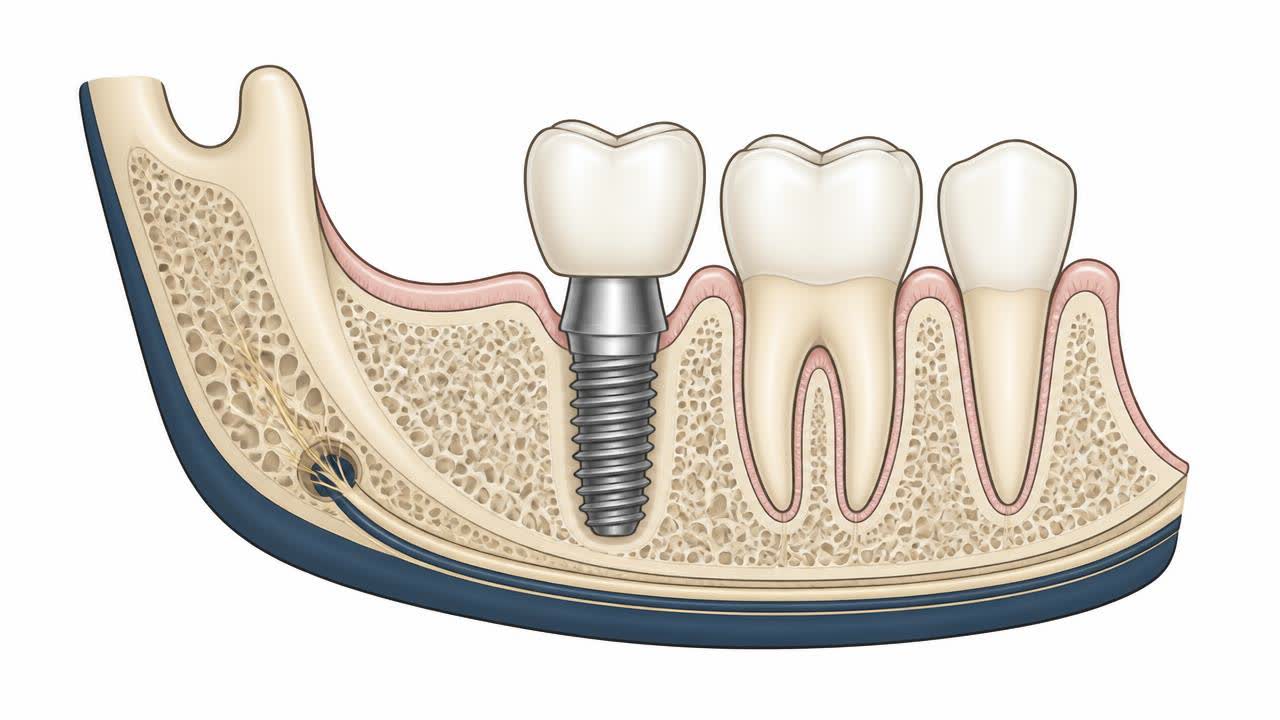
If your dental implant feels loose, it is important not to panic, but you must treat the situation seriously. It is often not the implant itself that is moving, but the crown or the connecting abutment. Over time, the small screws that hold these components together can sometimes work themselves loose due to regular biting and chewing forces, creating a feeling of movement that mimics a loose implant.
However, it is also possible that the implant itself has lost its stability in the bone. This is a more significant issue that requires immediate clinical intervention. Regardless of the cause, the sensation of movement is a sign that your restoration needs attention. You should contact our clinic promptly so we can perform an examination and determine exactly what is happening in your mouth.
The Importance of Professional Assessment
When you report a loose implant, our first step is to perform a detailed clinical evaluation. We will use a combination of physical examination, gentle manipulation of the restoration, and X-rays to assess the integrity of both the crown and the implant itself. X-rays are especially helpful because they allow us to see the bone level around the implant and confirm if it remains securely anchored.
By identifying the root cause, we can choose the right solution. If it is just a loose screw, the fix is often quick and painless. If the issue is related to the bone or gum tissue, we will discuss the best path forward to stabilise the situation. Either way, catching the problem early is always the best way to ensure the best possible outcome for your dental health.
Common Causes of Movement
The most frequent cause of a 'loose' implant is a loose screw. The abutment screw or the crown screw can sometimes loosen, especially if your bite is heavy or if you have a habit of grinding your teeth. This is usually a straightforward problem to fix. We can easily access the screw, tighten it properly, or even replace it if necessary to restore your full comfort and confidence.
Another, less common cause involves bone loss around the implant due to chronic infection or severe inflammation, known as peri-implantitis. If the supporting bone structure is compromised, the implant may indeed become mobile. This is a more complex situation that requires a thorough evaluation and a structured treatment plan to address the underlying infection and restore the health of the bone and gum tissues.
Fixing and Preventing Future Issues
If we find that the crown or abutment was loose, we will secure it properly. In some cases, we might need to adjust your bite to prevent excessive force from acting on the implant, which can help prevent the same issue from occurring again. We may also recommend a night guard if you are a habitual grinder, protecting your implants while you sleep and significantly extending their lifespan.
If the issue was related to bone or gum health, we will guide you on how to strengthen your daily cleaning routine and may suggest more frequent professional monitoring. Our goal is to ensure your implant remains stable and secure for the long term. By working together, we can identify any risk factors and take proactive steps to protect your smile for many years.
Your Role in Long-Term Care
You are an active partner in the health of your dental implants. By being aware of how your restoration feels and acting quickly if anything seems 'off,' you can prevent small issues from developing into significant problems. We value your communication and are here to support you with any concerns you may have, ensuring your dental experience remains positive and comfortable.
We encourage you to maintain your scheduled check-ups, even if you feel everything is perfectly fine. These visits are essential for us to catch subtle signs of wear or movement before you even notice them. By taking this proactive approach, you ensure your implant continues to provide you with the function and confidence you deserve in your daily life.
Questions patients ask us
- What should I do if my implant feels loose?
- Contact our clinic immediately for a professional evaluation. Do not attempt to tighten it yourself. We need to determine if it is the crown, the abutment, or the implant itself that is loose, as each requires a different approach. Getting a professional look is the best way to handle this.
- Is a loose screw a serious problem?
- A loose screw is generally a common and easily fixable issue. It is often caused by normal wear or heavy bite forces. If addressed promptly, we can tighten or replace the screw, and your implant will function as normal again. It is a manageable issue, not a cause for panic.
- Can a loose implant be saved?
- If the implant is loose because of bone loss or infection, saving it depends on the severity of the damage. We will assess the bone level and the extent of any infection. If caught early, it is often possible to address the issue and restore stability to the implant.
- How can I prevent my implant from becoming loose?
- You can prevent many issues by attending your regular dental check-ups, keeping up with excellent daily hygiene, and addressing any habit of grinding or clenching your teeth. We may recommend a night guard if you grind your teeth to protect your restoration from excessive forces during your sleep.
Sources and further reading
Guidance from professional and public health bodies. Clinical decisions here are made on your own examination and radiographs.
- 1.ITI Treatment Guide series and consensus statements — International Team for Implantology (ITI)
- 2.Consensus reports on implant dentistry — European Association for Osseointegration
- 3.Prosthodontic and edentulous-care patient guidance — American College of Prosthodontists
- 4.Oral health — fact sheet and global status report — World Health Organization
- 5.Policy statements and oral health definitions — FDI World Dental Federation
- 6.Dental health — conditions, treatments and patient guidance — NHS (UK)
- 7.Systematic reviews of oral and dental interventions — Cochrane Oral Health
- 8.Regulatory framework and dental education standards in India — Dental Council of India
When to see us
Get examined without waiting if any of the following applies to you:
- Pain, looseness or pus around an implant or a fixed bridge
- A crown, bridge or denture that has fractured or come away
- Gum swelling that keeps returning around the same restoration
Get a written plan and cost before you commit
If this is what you are dealing with, the next step is a consultation with radiographs — implants & missing teeth cases are seen by the specialist who handles that field. You get a written plan and staged cost before anything begins.
reception@dramitsharmahospital.comThis article is general education and does not replace an in-person examination, radiographs or a diagnosis by a qualified dentist.
Clinical terms in this article
Related in Implants & Missing Teeth
Missing Teeth: Comparing Dentures, Bridges and Implant Options
What happens if a missing tooth is left unreplaced, and how dentures, bridges and implants compare on comfort, longevity and bone health.
Dental Implants: A Complete Guide
How titanium implants replace missing teeth, who qualifies, the step-by-step timeline and how long they last.
Full Mouth Rehabilitation
Rebuilding a worn, collapsed or heavily damaged dentition with a sequenced, whole-mouth treatment plan.
Peri-Implant Mucositis Symptoms and Early Intervention
Peri-implant mucositis is a plaque-induced, reversible inflammatory lesion affecting the soft tissues surrounding a dental implant without bone loss. Prompt professional debridement, risk-factor modification, and meticulous biofilm control prevent progression to irreversible peri-implantitis.
Peri-Implantitis Symptoms Bone Loss and Implant Salvage
Peri-implantitis is an inflammatory condition causing progressive marginal bone loss around dental implants. Early detection, thorough decontamination, and advanced surgical salvage techniques can arrest bone destruction, resolve inflammation, and preserve implant stability.
Root Canal Retreatment vs Tooth Extraction and Implant
This clinical guide evaluates root canal retreatment versus tooth extraction and dental implant placement. Learn about biological tooth preservation, anatomical considerations, procedural steps, longevity, recovery expectations, and diagnostic criteria to make an informed oral healthcare decision.