At a glance
- Dental implants are designed to be a permanent, long-term replacement for missing teeth.
- Your commitment to daily hygiene is the single most important factor in the success and longevity of your implant.
- Professional dental check-ups are essential for long-term success.
- Your lifestyle choices play a significant role in the longevity of your implant.
- A dental implant is a significant, life-changing investment.
The Potential for a Lifetime Solution
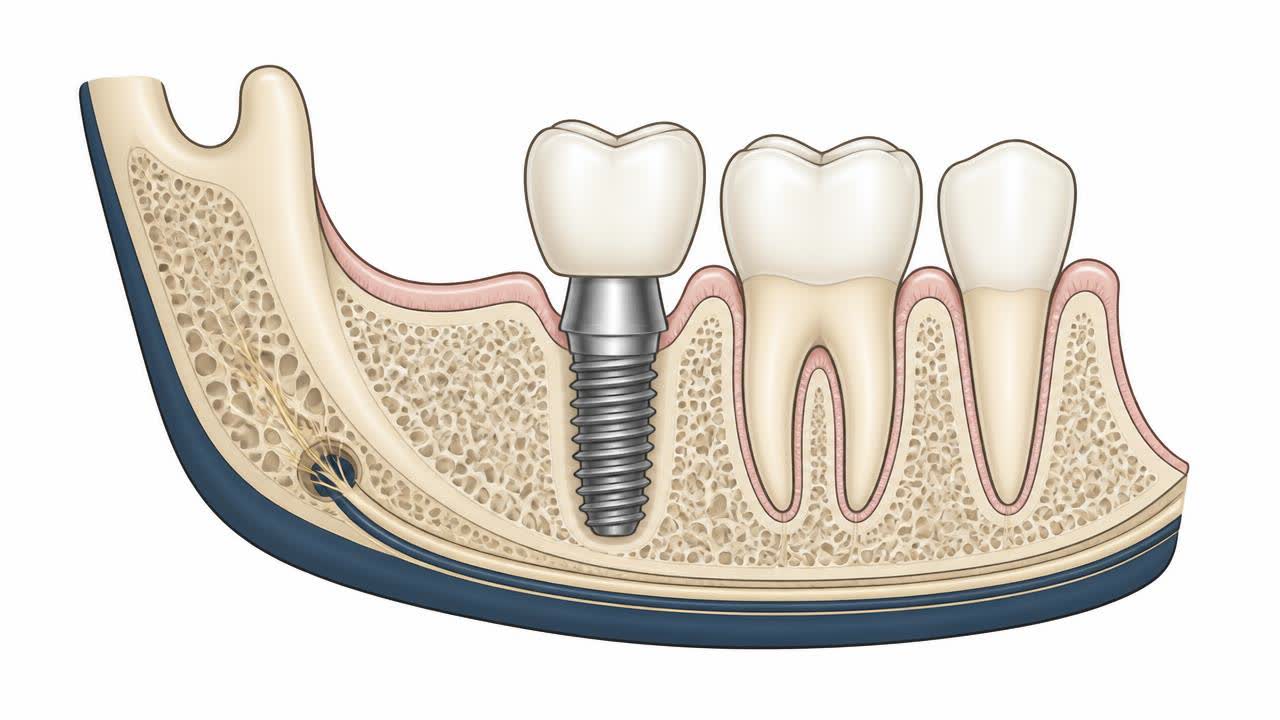
Dental implants are designed to be a permanent, long-term replacement for missing teeth. Unlike traditional bridges or dentures, which may need to be replaced every several years, an implant can potentially last a lifetime. This is because they fuse directly with your jawbone, becoming a stable, integrated part of your mouth that mimics the function and feel of your natural tooth roots.
However, while the implant itself may last a lifetime, the final restoration attached to it—the crown or bridge—may require replacement due to normal wear and tear. The longevity of your dental implant is significantly influenced by your personal habits, your oral hygiene, and your commitment to professional care. By understanding these factors, you can take active steps to ensure your implant serves you for as long as possible.
Impact of Your Lifestyle
Your lifestyle choices play a significant role in the longevity of your implant. Smoking is highly detrimental, as it impairs the blood flow needed to maintain healthy bone and gums, significantly increasing the risk of implant failure. If you smoke, quitting is one of the most beneficial things you can do for your oral and overall systemic health, and it will directly impact the lifespan of your implants.
Other factors, like your overall systemic health and your dietary habits, also matter. Maintaining a balanced diet helps your body maintain strong bone tissue, while avoiding habits like using your teeth to open packages or bite hard objects protects the crown from unnecessary stress. Small, conscious choices in your daily life can help preserve the integrity and function of your dental implants for a lifetime.
Your Commitment to Success
A dental implant is a significant, life-changing investment. While they are built to last, they are not 'set and forget' devices. They require consistent care and attention to remain healthy and strong. By understanding how your habits and your professional care routines contribute to their lifespan, you can feel confident in the investment you have made for your long-term health and your beautiful smile.
We are your partners in this journey. If you are committed to maintaining your implants, we are here to provide the expertise and professional care you need. Regular check-ups are the perfect time to ask questions or get tips on how to keep your smile at its best. Together, we can ensure your implant serves you well for many years to come.
The Role of Oral Hygiene
Your commitment to daily hygiene is the single most important factor in the success and longevity of your implant. Just like natural teeth, implants are susceptible to bacterial plaque build-up. If this plaque is not consistently removed, it can lead to gum infections and bone loss around the implant. A healthy gum and bone environment is crucial for maintaining the structural stability of your dental implant for decades.
Brushing, flossing, and cleaning between your teeth with the appropriate tools are essential daily tasks. We will teach you the most effective techniques for your specific implant restoration. By keeping the area around your implant clean and healthy, you protect the bone support, which is what keeps your implant securely in place. Your consistency is the greatest insurance for the long life of your implant.
Regular Professional Maintenance
Professional dental check-ups are essential for long-term success. During these appointments, we monitor the health of your gum tissue and check the bone level around the implant using X-rays. We can also perform a deep, gentle cleaning of the implant surface, removing plaque and tartar buildup that even the best home care can miss. This proactive care helps us identify and resolve issues early.
If you have any habits that affect your bite, such as grinding or clenching, we can also check for signs of wear and tear on your crown. We can adjust your bite or provide a protective appliance if necessary. By catching any potential issues early, we prevent them from becoming serious and keep your dental implant functioning perfectly for many years to come.
Questions patients ask us
- Can a dental implant really last a lifetime?
- Yes, they are designed to be a permanent solution and have the potential to last a lifetime. While the crown might eventually need replacement due to normal wear, the implant itself is intended to be a long-term, stable foundation for your replacement tooth, provided it is well-cared for.
- What factors can shorten the lifespan of an implant?
- Poor oral hygiene, smoking, and untreated gum disease are primary factors that can lead to infections and bone loss, potentially compromising the implant. Excessive biting forces from grinding or clenching can also cause wear and tear on the crown and add stress to the implant itself.
- Does the type of crown affect the implant's lifespan?
- The material and quality of the crown play a role in how well it withstands daily function. A well-designed, high-quality crown will resist wear and protect the underlying implant abutment. We use premium materials to ensure that your restoration is as durable and long-lasting as possible.
- How can I tell if my implant is still in good condition?
- You can monitor your implant by keeping an eye out for any discomfort, bleeding gums, or visible changes around the area. However, the best way to know is through regular professional dental check-ups, where we can assess the gum health and verify the bone support using clinical tools and X-rays.
Sources and further reading
Guidance from professional and public health bodies. Clinical decisions here are made on your own examination and radiographs.
- 1.ITI Treatment Guide series and consensus statements — International Team for Implantology (ITI)
- 2.Consensus reports on implant dentistry — European Association for Osseointegration
- 3.Prosthodontic and edentulous-care patient guidance — American College of Prosthodontists
- 4.Oral health — fact sheet and global status report — World Health Organization
- 5.Policy statements and oral health definitions — FDI World Dental Federation
- 6.Dental health — conditions, treatments and patient guidance — NHS (UK)
- 7.Systematic reviews of oral and dental interventions — Cochrane Oral Health
- 8.Regulatory framework and dental education standards in India — Dental Council of India
When to see us
Get examined without waiting if any of the following applies to you:
- Pain, looseness or pus around an implant or a fixed bridge
- A crown, bridge or denture that has fractured or come away
- Gum swelling that keeps returning around the same restoration
Get a written plan and cost before you commit
If this is what you are dealing with, the next step is a consultation with radiographs — implants & missing teeth cases are seen by the specialist who handles that field. You get a written plan and staged cost before anything begins.
reception@dramitsharmahospital.comThis article is general education and does not replace an in-person examination, radiographs or a diagnosis by a qualified dentist.
Clinical terms in this article
Related in Implants & Missing Teeth
Missing Teeth: Comparing Dentures, Bridges and Implant Options
What happens if a missing tooth is left unreplaced, and how dentures, bridges and implants compare on comfort, longevity and bone health.
Dental Implants: A Complete Guide
How titanium implants replace missing teeth, who qualifies, the step-by-step timeline and how long they last.
Full Mouth Rehabilitation
Rebuilding a worn, collapsed or heavily damaged dentition with a sequenced, whole-mouth treatment plan.
Peri-Implant Mucositis Symptoms and Early Intervention
Peri-implant mucositis is a plaque-induced, reversible inflammatory lesion affecting the soft tissues surrounding a dental implant without bone loss. Prompt professional debridement, risk-factor modification, and meticulous biofilm control prevent progression to irreversible peri-implantitis.
Peri-Implantitis Symptoms Bone Loss and Implant Salvage
Peri-implantitis is an inflammatory condition causing progressive marginal bone loss around dental implants. Early detection, thorough decontamination, and advanced surgical salvage techniques can arrest bone destruction, resolve inflammation, and preserve implant stability.
Root Canal Retreatment vs Tooth Extraction and Implant
This clinical guide evaluates root canal retreatment versus tooth extraction and dental implant placement. Learn about biological tooth preservation, anatomical considerations, procedural steps, longevity, recovery expectations, and diagnostic criteria to make an informed oral healthcare decision.