At a glance
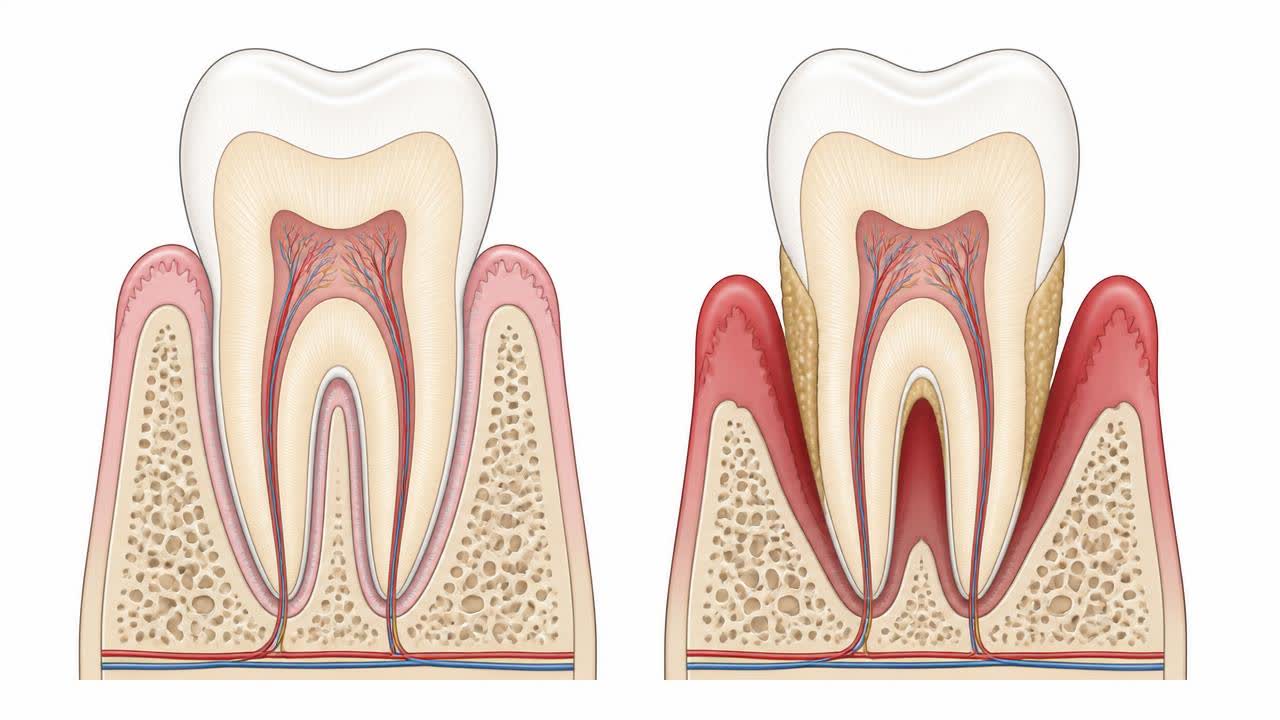
- The periodontium comprises the specialized tissues that surround and support the teeth: the gingiva (gums), periodontal ligament, cementum, and alveolar bone.
- The biological relationship between periodontal infection and cardiovascular pathology operates primarily through two mechanisms: direct bacteremia and indirect systemic inflammation.
- Periodontal disease is frequently painless in its early and moderate stages, leading many patients with cardiovascular disease to overlook active destruction.
- Accurate diagnosis of periodontal status in cardiac patients requires a comprehensive clinical and radiographic assessment.
- The global standard for categorising periodontal conditions is the 2018 Classification Framework established by the European Federation of Periodontology (EFP) and the American Academy of Periodontology (AAP).
Anatomy and the Oral-Cardiovascular Link
The periodontium comprises the specialized tissues that surround and support the teeth: the gingiva (gums), periodontal ligament, cementum, and alveolar bone. In a healthy oral cavity, the gingival epithelium forms a tight biological seal around the neck of each tooth, protecting deeper systemic structures from oral microflora. When pathogenic bacteria accumulate in subgingival plaque, this protective barrier breaks down, resulting in chronic inflammation and ulceration of the pocket epithelium. This creates a direct vascular pathway between the oral biofilm and the bloodstream.
Understanding the gum disease and heart disease connection begins with this vascular interface. The surface area of ulcerated pocket epithelium in moderate to severe periodontitis can equal the size of an adult palm. Through this extensive, highly vascularised wound, oral microorganisms and pro-inflammatory mediators continuously enter the systemic circulation. For individuals with underlying cardiovascular conditions—such as coronary artery disease, heart failure, or prosthetic valves—this chronic bacterial seeding poses distinct physiological challenges that require careful multidisciplinary management.
Diagnostic Evaluation and Pre-Operative Cardiac Assessment
Accurate diagnosis of periodontal status in cardiac patients requires a comprehensive clinical and radiographic assessment. The dental clinician performs detailed periodontal probing using a calibrated periodontal probe to record probing pocket depths, clinical attachment loss, bleeding on probing (BOP), and furcation involvement across all teeth. Radiographic evaluation, utilizing intraoral periapical radiographs or panoramic views, assesses the pattern and severity of alveolar bone resorption. Cone-beam computed tomography (CBCT) is reserved for complex structural reconstructions or implant evaluations.
Before commencing invasive periodontal therapy, the dental team must conduct a thorough medical risk stratification. This includes evaluating the patient's baseline cardiovascular stability, recent blood pressure readings, history of myocardial infarction, presence of stents or prosthetic valves, and current pharmacological regimens. For patients taking oral anticoagulants (such as warfarin) or direct oral anticoagulants (DOACs like apixaban or rivaroxaban), coordination with the patient's cardiologist or general practitioner ensures that international normalised ratio (INR) levels or medication timings are appropriately assessed to balance bleeding risks against thrombotic events.
Biological Mechanisms: Why Gum Disease Affects the Heart
The biological relationship between periodontal infection and cardiovascular pathology operates primarily through two mechanisms: direct bacteremia and indirect systemic inflammation. Keystone periodontal pathogens, notably Porphyromonas gingivalis, Treponema denticola, and Tannerella forsythia, regularly enter the bloodstream during chewing, brushing, and professional dental procedures. Research demonstrates that Porphyromonas gingivalis can directly invade endothelial cells lining the coronary arteries, promoting platelet aggregation, impaired nitric oxide production, and the formation of atheromatous plaques.
Simultaneously, local periodontal inflammation triggers a systemic inflammatory cascade. The liver responds to circulating cytokines—such as interleukin-1 beta (IL-1β), interleukin-6 (IL-6), and tumour necrosis factor-alpha (TNF-α)—by upregulating acute-phase reactants, particularly high-sensitivity C-reactive protein (hs-CRP) and fibrinogen. Elevated hs-CRP is an established independent predictor of adverse cardiovascular events, including myocardial infarction and stroke. Furthermore, shared risk factors such as smoking, diabetes mellitus, poor diet, and the use of smokeless tobacco products like gutka and paan amplify both tissue destruction in the mouth and arterial endothelial injury.
Clinical Signs and Symptoms in Cardiovascular Patients
Periodontal disease is frequently painless in its early and moderate stages, leading many patients with cardiovascular disease to overlook active destruction. Early signs include gingival erythema (redness), oedema (swelling), and bleeding during routine brushing or flossing (gingivitis). As the condition advances to periodontitis, patients may notice persistent halitosis (bad breath), gingival recession causing teeth to appear longer, sensitivity around the root surfaces, and localized dull aching. In advanced stages, mobile teeth, drifting, altering dental occlusion, or spontaneous bleeding from the gums become apparent.
In cardiac patients, systemic symptoms can occasionally overlap. Individuals experiencing chronic lethargy or low-grade malaise may attribute these feelings entirely to heart failure or antihypertensive medications, when a chronic oral bacterial burden is contributing to overall systemic fatigue. Furthermore, patients taking calcium channel blockers (such as amlodipine or nifedipine) for hypertension may develop drug-influenced gingival enlargement, characterized by fibrotic, swollen gum tissue that creates pseudopockets, making plaque removal difficult and accelerating localized inflammation.
Staging and Classification of Periodontal Disease
The global standard for categorising periodontal conditions is the 2018 Classification Framework established by the European Federation of Periodontology (EFP) and the American Academy of Periodontology (AAP). This system characterises periodontitis through a multi-dimensional matrix of 'Stages' (severity and complexity of management) and 'Grades' (rate of progression and systemic impact). Stage I represents initial periodontitis with minor attachment loss, Stage II denotes moderate disease, Stage III indicates severe periodontitis with potential for tooth loss, and Stage IV reflects advanced disease with extensive loss of dentition and masticatory dysfunction.
Grading evaluates the biological rate of progression from Grade A (slow) to Grade C (rapid). Cardiovascular disease and its common comorbidities directly influence this assessment. For example, a patient with poorly controlled systemic inflammation, tobacco habits, or diabetes is automatically categorised under Grade C due to impaired host immune response and accelerated bone loss. Applying this classification allows the clinical team to tailor the frequency, depth, and safety protocols of non-surgical and surgical interventions to the patient's precise risk profile.
Periodontal Treatment Modalities and Cardiac Considerations
The primary objective of periodontal therapy is to eliminate bacterial biofilms, reduce periodontal pocket depths, arrest tissue destruction, and restore periodontal health. First-line therapy universally consists of non-surgical periodontal instrumentation, historically termed scaling and root planing (SRP), now referred to as subgingival instrumentation or debridement. Ultrasonic scalers and hand curettes are used to decontaminate root surfaces. In cardiac patients, non-surgical treatment is strongly favoured as it produces minimal tissue trauma and effectively reduces systemic inflammatory markers like hs-CRP without requiring invasive surgical procedures.
Surgical interventions, including open flap debridement, regenerative bone grafting, or resective osseous surgery, are reserved for persistent deep pockets (typically ≥6 mm) that do not resolve following non-surgical therapy. When planning surgical procedures for cardiovascular patients, clinicians must carefully manage intraoperative haemostasis, stress-induced hypertensive episodes, and procedure duration. The use of local anaesthetics containing vasoconstrictors (such as adrenaline/epinephrine) is carefully titrated; while low doses are generally safe and necessary for effective local haemostasis, excessive administration is avoided in patients with unstable arrhythmias or severe ischaemic disease.
Step-by-Step Clinical Procedure: What to Expect
A typical periodontal treatment course for a cardiac patient begins with pre-procedural stabilization. Vital signs, including blood pressure and pulse, are measured before treatment begins. If the patient has specific high-risk cardiac conditions warranting antibiotic prophylaxis (per international cardiological guidelines for infective endocarditis), the prescribed antibiotic is confirmed to have been taken 30 to 60 minutes prior. An antiseptic mouthwash, such as 0.2% chlorhexidine gluconate, is often administered chairside for one minute prior to instrumentation to reduce the bacterial load within aerosol spray and transient bacteremia.
Local anaesthesia is carefully administered using appropriate agents to ensure absolute patient comfort and minimize endogenous catecholamine release caused by pain. The clinician systematically debrides the tooth and root surfaces using ultrasonic instruments operating with water irrigation, followed by fine hand curettes to meticulously clear subgingival calculus and bacterial endotoxins. The appointment is paced to avoid physical or emotional exhaustion. Following instrumentation, the treated sites are gently irrigated, local haemostatic agents are applied if required, and post-operative instructions are delivered alongside a schedule for supportive periodontal maintenance.
Post-Treatment Recovery, Bleeding Management, and Aftercare
Following non-surgical periodontal debridement, mild gingival tenderness, thermal sensitivity, and minor oozing are normal and typically subside within 48 to 72 hours. Patients taking antiplatelet agents (e.g., aspirin, clopidogrel) or anticoagulants must be explicitly instructed on post-operative haemostasis. Minor blood staining of saliva is common and should not be confused with active haemorrhage. Patients are advised to avoid vigorous rinsing, spitting, drinking through straws, or consuming very hot food and drinks on the day of treatment, as these actions disrupt fragile blood clots.
If localized bleeding occurs, patients should apply continuous, firm pressure to the area using a damp, clean gauze swab or a moistened black tea bag (which contains natural astringent tannins) for 20 to 30 minutes while sitting upright. Normal oral hygiene should be maintained in untreated areas, while treated regions should be cleaned gently using an ultra-soft post-surgical toothbrush or prescribed antiseptic rinses. Analgesia should be chosen carefully: paracetamol is generally preferred, whereas non-steroidal anti-inflammatory drugs (NSAIDs) such as ibuprofen are often avoided due to potential interactions with cardiovascular and anticoagulant medications.
Complications and Special Precautions for Heart Patients
Managing patients with cardiovascular disease requires specific vigilance regarding two primary complications: unchecked haemorrhage and systemic bacteremia leading to infective endocarditis (IE). In patients receiving anticoagulant therapy, standard international guidelines (such as those from the Scottish Dental Clinical Effectiveness Programme) generally advise against discontinuing medications for routine non-surgical periodontal procedures, as the risk of a thromboembolic stroke far outweighs the risk of localized oral bleeding, which can be managed with local measures such as tranexamic acid rinses, collagen plugs, and sutures.
Infective endocarditis is a rare but life-threatening infection of the cardiac endothelium or prosthetic heart valves. While routine daily activities like mastication cause low-grade bacteremia, invasive dental procedures involving manipulation of the gingival tissues carry an acute bacteremic risk. Antibiotic prophylaxis is strictly indicated for specific high-risk cohorts—such as individuals with prosthetic valves, prosthetic material used for valve repair, previous IE, or certain congenital heart diseases—as defined by local clinical guidance (e.g., AHA, ESC, or NICE guidelines where indicated). Any sudden fever, chills, or malaise post-treatment warrants immediate medical evaluation.
Evidence and further reading
Major international health authorities and scientific bodies, including the European Federation of Periodontology (EFP), the American Academy of Periodontology (AAP), the American Heart Association (AHA), and the World Health Organization (WHO), recognise a significant independent association between periodontitis and atherosclerotic cardiovascular disease. Consensus reports published in the *Journal of Clinical Periodontology* and *Circulation* confirm that moderate-to-severe periodontitis independently contributes to systemic inflammation and endothelial dysfunction.
Cochrane systematic reviews and studies in the *Journal of the American Dental Association (JADA)* indicate that successful periodontal debridement consistently reduces systemic inflammatory markers, notably serum hs-CRP and IL-6, while improving surrogate markers of vascular endothelial function. Professional guidance from the National Institute for Health and Care Excellence (NICE) and the European Society of Cardiology (ESC) provides standardized frameworks regarding the management of patients on antiplatelet or anticoagulant medications and clear parameters for infective endocarditis prophylaxis during invasive oral procedures.
Long-Term Maintenance, Prevention, and Lifestyle Modifications
Long-term stability of periodontal health directly supports cardiovascular wellness by keeping systemic inflammatory levels low. Supportive Periodontal Therapy (SPT)—comprising professional cleaning, re-evaluation of pocket depths, and personalised plaque control—must be scheduled at regular intervals, typically every three to four months for cardiac patients with a history of periodontitis. Daily plaque removal using interdental brushes, dental floss, and electric toothbrushes is the foundation of preventing recurrent inflammation and preserving alveolar bone.
Lifestyle modifications yield dual benefits for oral and vascular health. Smoking cessation and abstaining from smokeless tobacco preparations (such as paan, khaini, and areca nut mixtures) eliminate major contributors to microvascular damage, periodontitis progression, and oral premalignancy. Adopting a heart-healthy diet rich in antioxidants, fibrous vegetables, and whole grains, while limiting refined sugars, helps control systemic oxidative stress and reduces both atherogenesis and the cariogenic/periodontal bacterial burden. Regular collaborative communication between the dental clinician and cardiologist ensures long-term systemic stability.
Questions patients ask us
- What is the exact link between gum disease and heart disease?
- The connection involves both direct bacterial transfer and indirect inflammation. Bacteria from diseased gums enter the bloodstream and can colonise arterial walls, while the body's inflammatory response raises systemic proteins like C-reactive protein (CRP), which contributes to arterial stiffening and plaque formation.
- Should I stop my blood thinners before having periodontal treatment?
- No, you should never stop taking prescribed blood thinners or antiplatelet drugs without explicit instruction from your cardiologist or dental surgeon. Routine non-surgical gum treatments can usually be performed safely while on blood thinners using local haemostatic measures to control bleeding.
- Do I need prophylactic antibiotics before my dental appointment?
- Prophylactic antibiotics are only recommended for specific high-risk cardiac patients, such as those with artificial heart valves, a history of infective endocarditis, or particular congenital heart defects. Your dental team will review your medical history and follow established cardiological guidelines.
- Can treating my gum disease reduce my risk of a heart attack?
- Periodontal treatment significantly lowers systemic inflammation and reduces circulating bacterial levels, which improves endothelial blood vessel function. While treating periodontitis is not a standalone cure for heart disease, it is an essential component of overall cardiovascular risk management.
- Is the adrenaline in dental local anaesthetic safe for heart patients?
- Yes, when used in controlled, minimal amounts by a dental professional. The small concentration of adrenaline helps constrict local blood vessels, reducing bleeding and prolonging pain relief, which prevents your body from producing large amounts of its own stress hormones due to discomfort.
- Why are my gums swelling after starting my blood pressure medication?
- Certain calcium channel blockers used for hypertension (such as amlodipine or nifedipine) can cause drug-induced gingival enlargement. Maintaining meticulous oral hygiene and having regular professional cleanings helps manage this swelling, though severe cases may require consultation with your doctor to adjust medications.
- How does using smokeless tobacco like gutka or paan affect my heart and gums?
- Smokeless tobacco contains nicotine and toxic chemical compounds that constrict blood vessels, mask early gum bleeding, accelerate jawbone loss, and directly elevate blood pressure and heart rate. Quitting is critical to protect both your cardiovascular and periodontal health.
- What symptoms after gum treatment require immediate medical attention?
- Seek urgent medical care if you experience persistent, heavy oral bleeding that does not stop after 30 minutes of firm pressure, sudden chest pain, shortness of breath, an irregular heartbeat, or high fever and chills in the days following your procedure.
Sources and further reading
Guidance from professional and public health bodies. Clinical decisions here are made on your own examination and radiographs.
- 1.EFP clinical practice guidelines for periodontitis — European Federation of Periodontology
- 2.Classification of periodontal and peri-implant diseases — American Academy of Periodontology
- 3.Prevention and treatment of periodontal diseases in practice — Scottish Dental Clinical Effectiveness Programme
- 4.Oral health — fact sheet and global status report — World Health Organization
- 5.Policy statements and oral health definitions — FDI World Dental Federation
- 6.Dental health — conditions, treatments and patient guidance — NHS (UK)
- 7.Systematic reviews of oral and dental interventions — Cochrane Oral Health
- 8.Regulatory framework and dental education standards in India — Dental Council of India
When to see us
Get examined without waiting if any of the following applies to you:
- Gums that bleed without provocation, or bleeding that has become heavier
- Teeth that feel loose, are drifting, or gaps that are opening up
- Persistent bad breath or taste, gum abscesses, or pus on pressing the gum
Get a written plan and cost before you commit
If this is what you are dealing with, the next step is a consultation with radiographs — gums & prevention cases are seen by the specialist who handles that field. You get a written plan and staged cost before anything begins.
reception@dramitsharmahospital.comThis article is general education and does not replace an in-person examination, radiographs or a diagnosis by a qualified dentist.
Clinical terms in this article
Related in Gums & Prevention
Bleeding Gums and Gum Disease: A Complete Guide
What bleeding gums usually mean, how gingivitis progresses into periodontal disease, and the treatment path from scaling to gum surgery.
Gum Disease: Detection and Treatment
From reversible gingivitis to periodontitis, the warning signs, staged treatment and the link to overall health.
Preventive Dentistry and Home Care
The routine that prevents most dental disease: brushing technique, interdental cleaning, diet and recall visits.
Chronic Bad Breath Caused by Gum Infection
Chronic bad breath, or halitosis, is frequently driven by underlying gum disease. Subgingival bacteria produce volatile sulphur compounds within periodontal pockets. Effective resolution requires professional periodontal debridement, targeted biofilm disruption, and meticulous daily interdental hygiene rather than cosmetic masking.
Loose Permanent Teeth from Advanced Periodontal Disease
Loose teeth from advanced gum disease occur when severe chronic inflammation destroys the supporting alveolar bone and periodontal ligament. With timely periodontal therapy, splinting, and meticulous plaque control, many loose teeth can be stabilised and preserved without extraction.
Furcation Involvement and Bone Loss Between Roots
Furcation involvement describes bone loss between the roots of multi-rooted molars caused by advanced periodontal disease. This clinical guide explains its causes, diagnostic staging, surgical and non-surgical therapies, daily maintenance, and red flag symptoms requiring urgent care.