At a glance
- Extrinsic stains sit on the outer enamel surface and come from external substances such as tea, coffee, turmeric, red gravies, tobacco and paan, which are extremely common dietary and cultural habits in India.
- For many patients with surface staining, a thorough professional cleaning and polishing session removes a significant amount of discolouration before any whitening is even considered, since it clears away tartar and pigmented…
- Fluorosis marks, tetracycline banding, and single dark teeth from old trauma often do not lighten fully with standard whitening gel, since the discolouration lies deep within the tooth or in a pattern that whitening affects…
- Reducing frequency of strongly pigmented foods and drinks, rinsing with water after consuming them, and using a straw where practical all help slow future staining.
Extrinsic Versus Intrinsic Staining
Extrinsic stains sit on the outer enamel surface and come from external substances such as tea, coffee, turmeric, red gravies, tobacco and paan, which are extremely common dietary and cultural habits in India. These stains are generally removable with professional cleaning, polishing, or whitening treatments since they have not penetrated the tooth structure itself.
Intrinsic discolouration develops within the tooth structure and includes causes such as ageing, where enamel naturally thins and yellower dentin shows through, medication exposure like tetracycline taken during childhood tooth development, excess fluoride causing fluorosis, or trauma to a tooth that causes internal bleeding and a grey or brown tinge over time.
Professional Cleaning as a First Step
For many patients with surface staining, a thorough professional cleaning and polishing session removes a significant amount of discolouration before any whitening is even considered, since it clears away tartar and pigmented biofilm that regular brushing cannot fully remove. We usually recommend this as the starting point during a cosmetic consultation.
If staining persists after cleaning, this confirms the discolouration involves the enamel or deeper tooth structure, and we move on to discuss whitening or restorative options depending on severity.
When Whitening Is Not Enough
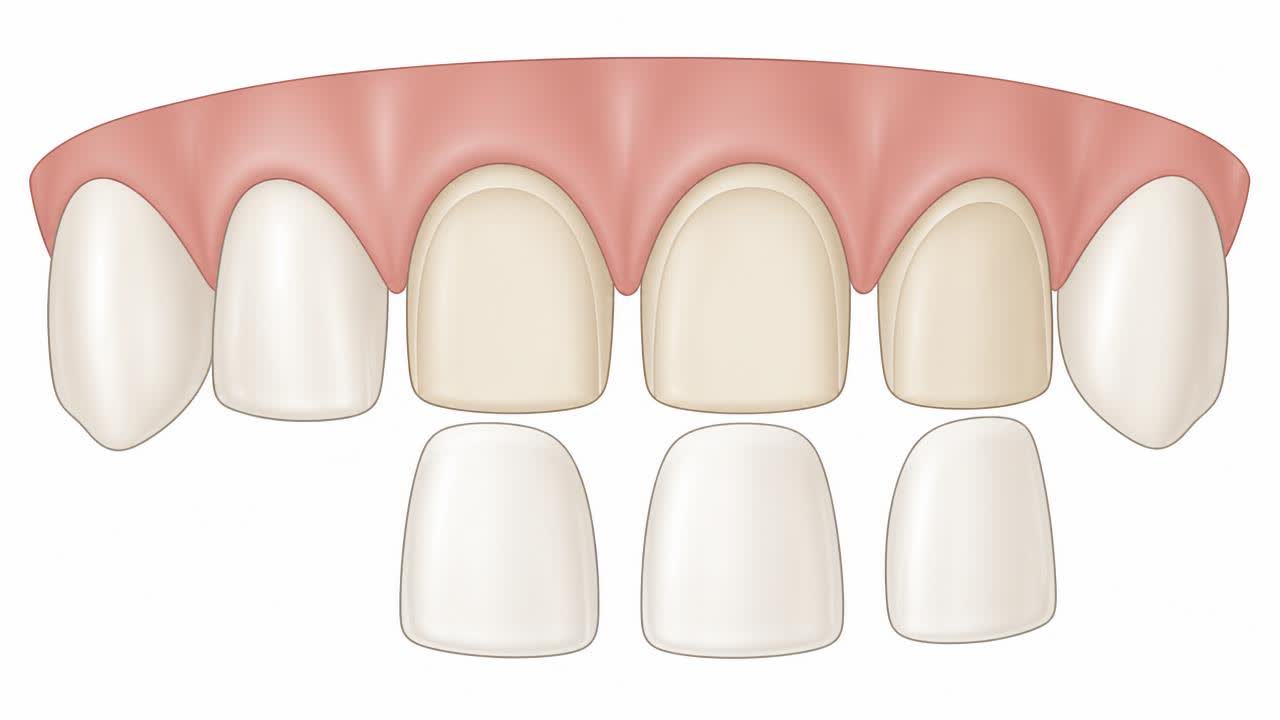
Fluorosis marks, tetracycline banding, and single dark teeth from old trauma often do not lighten fully with standard whitening gel, since the discolouration lies deep within the tooth or in a pattern that whitening affects unevenly. In these cases, targeted approaches such as microabrasion for surface enamel defects, internal bleaching for a single darkened tooth with a root canal, or composite or porcelain veneers for more extensive cases tend to give better and more predictable results.
We assess the pattern, depth and cause of discolouration carefully during your consultation, sometimes using magnification and photographs under consistent lighting, before recommending a specific pathway rather than assuming whitening alone will solve every type of stain.
Preventing Further Staining
Reducing frequency of strongly pigmented foods and drinks, rinsing with water after consuming them, and using a straw where practical all help slow future staining. Quitting tobacco and paan use benefits not only tooth colour but also gum and overall oral health significantly.
Routine six-monthly cleaning appointments are one of the most effective and low-cost ways to keep surface staining under control long term, catching build-up early before it becomes deeply embedded in the enamel surface texture.
Questions patients ask us
- Will professional cleaning alone whiten my teeth?
- Cleaning removes surface stains and plaque but does not change the natural underlying shade of your enamel. It often makes teeth look noticeably brighter by removing built-up discolouration, but true whitening beyond your natural shade requires a bleaching treatment.
- Can fluorosis white spots be treated?
- Yes, mild fluorosis marks often respond well to a technique called microabrasion, which gently removes a very thin surface layer of affected enamel, and in some cases this can be combined with whitening or a small composite touch-up for a more even result.
- Why has one of my front teeth turned grey?
- A single grey or dark tooth usually indicates internal changes following an old injury or unnoticed nerve damage, sometimes with no root canal ever performed. This needs an X-ray and clinical assessment to determine the exact cause and appropriate treatment.
- Does paan and tobacco staining come off completely?
- Long-term paan and tobacco staining can often be significantly reduced with professional cleaning and polishing, though very heavy or long-standing staining may leave some residual discolouration that requires whitening or restorative options for a fully even result.
Sources and further reading
Guidance from professional and public health bodies. Clinical decisions here are made on your own examination and radiographs.
- 1.Whitening, bonding and veneers — patient information — American Dental Association
- 2.Guidance on tooth whitening and cosmetic dental treatment — British Dental Association
- 3.Oral health — fact sheet and global status report — World Health Organization
- 4.Policy statements and oral health definitions — FDI World Dental Federation
- 5.Dental health — conditions, treatments and patient guidance — NHS (UK)
- 6.Systematic reviews of oral and dental interventions — Cochrane Oral Health
- 7.Regulatory framework and dental education standards in India — Dental Council of India
When to see us
Get examined without waiting if any of the following applies to you:
- Sensitivity or pain that continues for more than a few days after cosmetic work
- A veneer, crown or bonded restoration that has chipped, debonded or feels high in the bite
- Gum inflammation or dark margins developing at the edge of a restoration
Get a written plan and cost before you commit
If this is what you are dealing with, the next step is a consultation with radiographs — cosmetic & smile design cases are seen by the specialist who handles that field. You get a written plan and staged cost before anything begins.
reception@dramitsharmahospital.comThis article is general education and does not replace an in-person examination, radiographs or a diagnosis by a qualified dentist.
Clinical terms in this article
Related in Cosmetic & Smile Design
Dental Crowns and Bridges: What They Are and When You Need One
How crowns and bridges restore damaged or missing teeth, the materials used, and what the process and aftercare involve.
Teeth Whitening and Tooth Stains: Causes and Treatment Options
Why teeth discolour over time, the difference between surface stains and deeper discolouration, and how professional whitening compares with home options.
Smile Makeover and Digital Smile Design
How veneers, bonding, whitening and gum contouring are combined into one planned cosmetic outcome.
Teeth Whitening: What Actually Works
In-office versus home whitening, realistic expectations, sensitivity management and what whitening cannot fix.
Black Triangles Between Teeth Causes and Treatment
Open gingival embrasures, commonly called black triangles between teeth and gums, occur when the interdental papilla recedes. Explore the anatomical causes, clinical classifications, restorative and orthodontic treatments, and long-term periodontal maintenance strategies.
Internal Tooth Bleaching for Discolored Nonvital Teeth
Internal tooth bleaching after root canal treatment is a conservative endodontic procedure that lightens intrinsically discoloured, non-vital teeth from within the pulp chamber, restoring natural aesthetics without requiring extensive structural removal for crowns or veneers.