At a glance
- Orofacial pain presents a complex diagnostic challenge because the structures of the mouth, jaws, and face share overlapping neurological pathways.
- Odontogenic toothaches are most commonly triggered by bacterial invasion of the enamel and dentine secondary to dental caries, deep restorations, coronal fractures, or advancing periodontal disease.
- A typical inflammatory toothache produces symptoms directly correlated with mechanical or thermal provocation.
- Differentiating between pulpal inflammation and neuropathic disorders demands a structured, evidence-based diagnostic protocol.
- Modern pain management relies on standardised systems to categorise orofacial complaints accurately.
Understanding Orofacial Pain: Anatomy of the Dental Pulp and Trigeminal Nerve
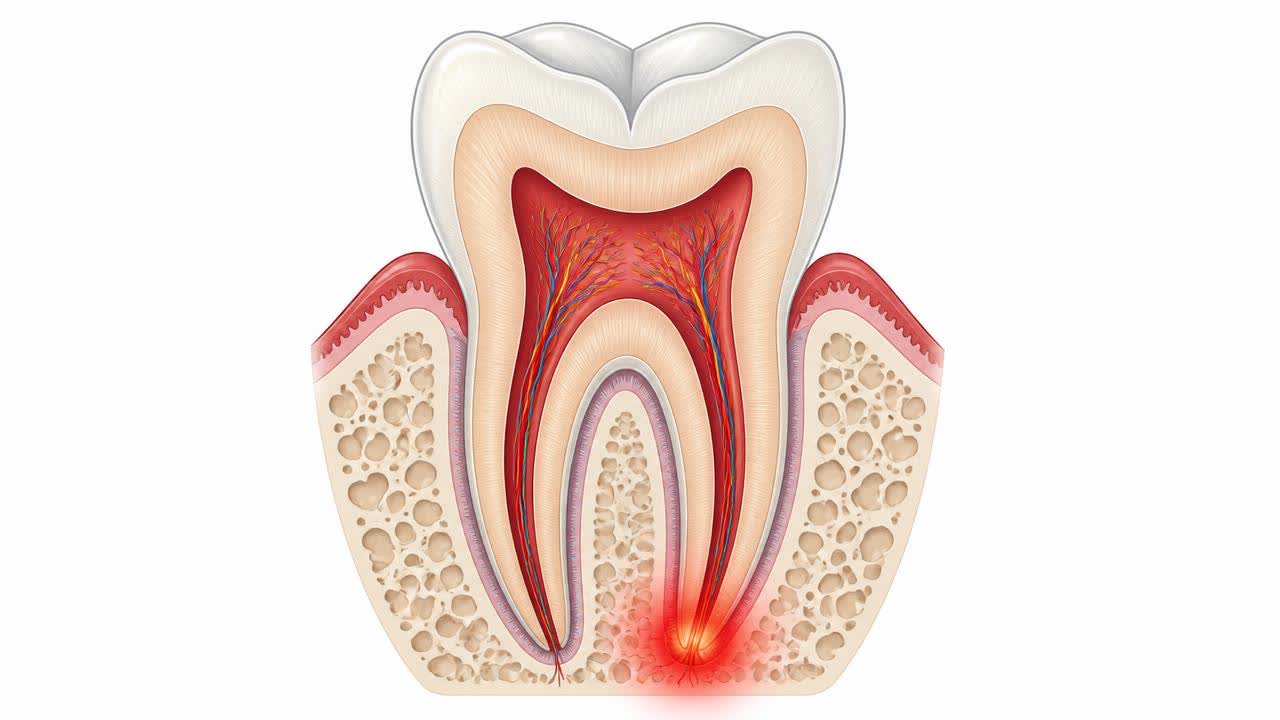
Orofacial pain presents a complex diagnostic challenge because the structures of the mouth, jaws, and face share overlapping neurological pathways. To understand the distinction between common dental discomfort and nerve-mediated conditions, one must examine the peripheral nerve supply. The teeth and surrounding periodontium receive their sensory innervation primarily from the maxillary and mandibular branches of the fifth cranial nerve, known as the trigeminal nerve. Inside each tooth lies the dental pulp, a highly vascularised, densely innervated connective tissue containing unmyelinated C-fibres and myelinated A-delta fibres that convey noxious stimuli as acute, sharp, or dull aching sensations.
When pain arises from the dental pulp or periodontal ligament, it is classified as odontogenic pain. Conversely, neuropathic orofacial pain originates from a primary lesion or dysfunction within the nervous system itself rather than structural breakdown of a tooth. In neuropathic conditions, sensory pathways generate aberrant signals due to peripheral nerve injury, central sensitisation, or neurovascular compression. Because both sources transmit signals along the same trigeminal nerve pathways to the brainstem sensory nuclei, patients often struggle to differentiate true tooth decay from complex neural firing, leading to the clinical dilemma of nerve pain vs toothache.
Symptom Comparison: Recognising the Key Clinical Differences
A typical inflammatory toothache produces symptoms directly correlated with mechanical or thermal provocation. In reversible pulpitis, hot, cold, or sweet stimuli elicit a sharp pain that resolves rapidly once the stimulus is removed. As the condition advances to irreversible pulpitis, the pain lingers long after thermal contact, transforms into a spontaneous, deep, throbbing ache, and frequently disturbs sleep. Pain on biting or mastication indicates that the inflammatory process has extended past the root apex into the periodontal ligament space.
Neuropathic pain presents with fundamentally different characteristics. Trigeminal neuralgia typically presents as sudden, unilateral, electric shock-like paroxysms of severe pain that last from a fraction of a second to two minutes. These paroxysms are often triggered by non-painful, light mechanical contact—such as washing the face, shaving, speaking, or a gentle breeze. Persistent neuropathic pain conditions, including persistent idiopathic facial pain (formerly termed atypical odontalgia), present as a continuous, dull, burning, or aching sensation localised to an edentulous area or an anatomically normal tooth, showing no true clinical response to thermal stimulation.
Underlying Causes: Why Dental and Neuropathic Pain Occur
Odontogenic toothaches are most commonly triggered by bacterial invasion of the enamel and dentine secondary to dental caries, deep restorations, coronal fractures, or advancing periodontal disease. When oral bacteria penetrate the dentinal tubules, they incite an inflammatory response within the dental pulp, termed pulpitis. If left untreated, this inflammatory process causes tissue necrosis, bacterial colonisation of the root canal system, and subsequent apical periodontitis, which produces noticeable throbbing and tenderness when biting on the affected tooth.
In contrast, neuropathic orofacial pain emerges from distinct non-dental pathologies. Conditions such as classical trigeminal neuralgia often result from microvascular compression of the trigeminal nerve root entry zone in the posterior cranial fossa. Post-traumatic trigeminal neuropathic pain arises following direct mechanical trauma, such as complex surgical extractions, dental implant placement, or facial fractures. Systemic factors, including post-herpetic neuralgia following shingles or neuropathies linked to nutritional deficiencies and diabetes, also play a role. Furthermore, in regions where the consumption of betel quid, paan, or gutka is prevalent, chronic mucosal changes and underlying oral submucous fibrosis can complicate regional tissue health, masking or exacerbating underlying neural pain.
Diagnostic Pathways: How Clinicians Differentiate Pulp Pain from Nerve Pain
Differentiating between pulpal inflammation and neuropathic disorders demands a structured, evidence-based diagnostic protocol. The clinical evaluation begins with a detailed pain history, assessing onset, quality, duration, and aggravating factors. The clinician then performs intraoral visual inspection, tooth palpation, and axial and lateral percussion tests. Thermal testing, employing refrigerated endodontic spray, and electric pulp testing are fundamental in assessing the vascular and neural vitality of suspected teeth. Normal teeth respond with a transient sensation, whereas irreversibly inflamed pulps show prolonged, exaggerated responses, and necrotic pulps do not respond at all.
Diagnostic imaging is vital in ruling out odontogenic disease. Periapical radiographs and small-field-of-view cone-beam computed tomography (CBCT) allow three-dimensional visualization of bone loss, hidden caries, periapical radiolucencies, and root fractures. If extensive dental examinations, vitality tests, and high-resolution imaging reveal no structural or apical abnormalities corresponding to the patient's pain, diagnostic local anaesthetic blocks are often administered. A selective ligament or nerve block that fails to abolish the chronic pain strongly suggests a non-odontogenic or centrally mediated neuropathic origin rather than a peripheral tooth pathology.
Classifications of Neuropathic and Odontogenic Pain
Modern pain management relies on standardised systems to categorise orofacial complaints accurately. The International Classification of Orofacial Pain (ICOP) provides a comprehensive framework that separates dentoalveolar pain from neuropathic conditions. Under this classification, pulpal pain is divided into reversible, irreversible, and necrotic states, alongside apical periodontitis. This structural taxonomy ensures that dental treatment is reserved solely for verified pulpal and periodontal breakdown.
For non-odontogenic disorders, the ICOP categorises trigeminal neuropathic pain into episodic forms, such as classical or secondary trigeminal neuralgia, and continuous forms. Continuous presentations include post-traumatic trigeminal neuropathic pain, trigeminal post-herpetic neuralgia, and persistent idiopathic facial pain (PIFP). PIFP is characterised by persistent, daily, poorly localised facial or intraoral pain without clinical neurological deficits or demonstrable dental disease, helping clinicians avoid misdiagnosing neurovascular or neuropathic states as localized tooth decay.
Evidence-Based Treatment Modalities Compared
The management strategies for odontogenic versus neuropathic pain are entirely distinct, and applying dental treatments to neuropathic conditions frequently worsens patient outcomes. True odontogenic pain requires definitive dental interventions to eradicate bacterial infection and pulpal inflammation. Depending on the pulpal status, treatments include direct coronal restorations, non-surgical root canal therapy (endodontic treatment), periodontal debridement, or tooth extraction. Standard analgesics such as non-steroidal anti-inflammatory drugs (NSAIDs) or paracetamol provide effective short-term relief during acute inflammatory phases.
Conversely, neuropathic orofacial pain does not respond to conventional dental therapy, antibiotics, or standard non-opioid analgesics. Trigeminal neuralgia is primarily managed pharmacologically using voltage-gated sodium channel blockers, with carbamazepine and oxcarbazepine serving as first-line therapies. For continuous neuropathic pains and persistent idiopathic facial pain, clinical guidelines recommend gabapentinoids (such as gabapentin or pregabalin), tricyclic antidepressants (such as amitriptyline), or serotonin-noradrenaline reuptake inhibitors (SNRIs). Refractory trigeminal neuralgia may necessitate neurosurgical evaluation for microvascular decompression or stereotactic radiosurgery.
The Diagnostic and Specialist Consultation: What to Expect Step by Step
When you attend an appointment for unresolved facial or dental discomfort, the clinical team follows a rigorous sequence to ensure accurate diagnosis. First, the clinician conducts a comprehensive pain mapping interview, noting pain descriptors, spatial distribution across trigeminal dermatomes, and daily fluctuations. This is followed by a thorough extraoral examination to check for muscular tenderness, temporomandibular joint dysfunction, and superficial trigger zones across the face.
Next, a detailed intraoral examination assesses soft tissues, restorations, periodontal probing depths, and tooth mobility. Quantitative sensory testing (QST) may be used to evaluate sensations of light touch, pinprick, and temperature changes across affected and unaffected mucosal sites, identifying signs of allodynia (pain from non-painful stimuli) or hyperalgesia. If initial findings point away from localized tooth pathology, the patient is referred to an oral medicine specialist, orofacial pain consultant, or neurologist for advanced neuroimaging, such as dedicated brain and cranial nerve magnetic resonance imaging (MRI).
Managing Treatment Trajectories, Side Effects, and Ongoing Care
Following definitive endodontic treatment or extraction for a confirmed toothache, acute inflammatory pain typically subsides within three to seven days as surrounding tissues heal. Mild postoperative soreness is normal and easily managed with brief courses of simple analgesics. In contrast, managing neuropathic orofacial pain is an ongoing process focused on pain reduction, restoration of daily functioning, and enhancing quality of life rather than providing an immediate surgical cure.
Pharmacotherapy for neuropathic pain requires careful dosage titration under close medical supervision to achieve therapeutic benefit while monitoring for adverse effects. Neuromodulatory medications may cause dizziness, somnolence, cognitive slowing, gastrointestinal disturbances, or hepatic enzyme alterations, requiring routine blood monitoring. Patients must be reassured that finding an optimal medication balance can take several weeks, and maintaining open communication with the multidisciplinary care team is central to long-term symptom stability.
Complications of Misdiagnosis and Chronic Pain Pathways
One of the most concerning complications in orofacial pain management is the diagnostic cascade resulting from mistaken identity. When neuropathic pain presents as localized tooth discomfort, patients often undergo repeated, unnecessary dental procedures, including replacement of fillings, multiple root canal treatments, apicoectomies, and ultimately surgical extractions. Tragically, irreversible procedures do not relieve neuropathic pain; instead, peripheral surgical trauma can exacerbate central sensitisation and worsen the underlying neuropathic condition.
Central sensitisation represents an altered neurological state where repeated nociceptive and traumatic inputs increase the excitability of neurons within the central nervous system. This causes persistent amplification of pain signals, extending the pain distribution across wider areas of the face and neck. Chronic, unmanaged pain also places a heavy burden on mental well-being, contributing to sleep fragmentation, anxiety, and depression. Preventing this cascade requires conservative, multidisciplinary assessment whenever dental findings fail to explain the patient's pain profile.
Evidence and further reading
International professional organisations provide established guidance on distinguishing odontogenic from non-odontogenic pain. The International Association for the Study of Pain (IASP) and the International Headache Society (IHS) have collaborated with orofacial pain associations to establish the International Classification of Orofacial Pain (ICOP), setting clear diagnostic thresholds for trigeminal neuropathies and dental pulpal conditions. Guidelines from the American Association of Endodontists (AAE) stress the importance of thorough pulp vitality assessments and conservative diagnostics to prevent unnecessary root canal treatments.
Clinical guidance published by the National Institute for Health and Care Excellence (NICE) outlines the pharmacological pathways for neuropathic conditions, recommending structured evaluations before considering invasive measures. Ongoing research in major publications, such as the Journal of Endodontics, the International Journal of Oral and Maxillofacial Surgery, and the Journal of the American Dental Association, consistently highlights the need for multidisciplinary collaboration between general dental practitioners, endodontists, oral medicine specialists, and neurologists to manage complex facial pain safely and effectively.
Red Flag Symptoms and When to Seek Immediate Care
Certain clinical presentations demand urgent medical or dental evaluation to rule out life-threatening systemic conditions, deep facial space infections, or central nervous system disorders. A dental infection can rapidly escalate into a spreading cellulitis or Ludwig's angina. Patients must seek emergency care if they develop severe facial or submandibular swelling, difficulty swallowing (dysphagia), difficulty breathing (dyspnoea), trismus (inability to open the mouth), high fever, or systemic lethargy.
Similarly, specific neurological and vascular red flags warrant rapid evaluation by a medical specialist. New-onset, severe, unilateral temporal pain, scalp tenderness, and visual disturbances in individuals over 50 years old are classical signs of giant cell (temporal) arteritis, a medical emergency that risks permanent vision loss. Neurological warning signs include accompanying cranial nerve deficits, motor weakness, numbness affecting extra-trigeminal regions, unexplained sensory loss, or progressive changes in speech and balance. Intraoral non-healing ulcers or indurated swellings, especially in users of paan, gutka, or tobacco, require immediate assessment to exclude oral malignancy.
Questions patients ask us
- How can I tell if my toothache is actually nerve pain?
- A common toothache is typically provoked or worsened by thermal stimuli like hot or cold drinks, produces localized throbbing, and reveals visible decay, crack lines, or gum inflammation on dental assessment. Neuropathic pain often feels like spontaneous electric shocks, burning, or a persistent dull ache in structurally healthy teeth, and can be triggered by light touch, facial movement, or cold air on the cheek.
- Why didn't my root canal treatment relieve my toothache?
- If a tooth was properly treated with endodontic therapy and shows no radiological or clinical signs of persistent infection, the ongoing pain may be non-odontogenic. Conditions such as persistent idiopathic facial pain or neuropathic trigeminal pain mimic toothaches closely. Because these conditions originate in the nervous system rather than the tooth itself, cleaning the root canals does not resolve the discomfort.
- Can stress or clenching make trigeminal nerve pain worse?
- Yes. While psychological stress and bruxism (jaw clenching or tooth grinding) do not directly cause classical trigeminal neuralgia, they can heighten central nervous system sensitivity and increase masticatory muscle tension. This muscular strain can aggravate facial nerve pathways, leading to heightened pain perception and more frequent symptom flare-ups in individuals with underlying orofacial neuropathies.
- Does a diagnostic local anaesthetic injection always prove the pain source?
- A diagnostic local anaesthetic injection provides valuable clues, but its results must be interpreted carefully. In true odontogenic pain, an effective nerve block completely numbs the offending tooth and immediately eliminates the ache. In neuropathic or centrally maintained pain conditions, the pain may persist despite full local anaesthesia, indicating that the source is situated higher along the nerve pathway.
- Are antibiotics effective against neuropathic facial pain?
- No. Antibiotics are strictly indicated for active bacterial infections, such as dentoalveolar abscesses or spreading cellulitis. Neuropathic facial pain stems from structural, compressive, or functional disturbances within peripheral nerves or the central nervous system. Antibiotics have no effect on neural signaling pathways and will not relieve neuropathic pain.
- Can chewing paan, gutka, or tobacco cause nerve-related facial pain?
- Chronic use of paan, gutka, and smokeless tobacco causes progressive oral mucosal damage and oral submucous fibrosis, leading to tissue stiffness, chronic inflammation, and altered local nerve sensitivity. While these substances do not directly cause conditions like classical trigeminal neuralgia, the accompanying tissue trauma, burning sensations, and accelerated dental wear can complicate diagnosis and aggravate regional pain.
- What specialist should I consult if my dentist cannot find a cause for my pain?
- If your general dental practitioner finds no structural, pulpal, or periodontal explanation for your symptoms, you should seek referral to an oral medicine specialist, an orofacial pain specialist, or a neurologist. These professionals specialise in diagnosing complex cranial nerve conditions, atypical facial pain, and non-odontogenic disorders.
- Will extracting a painful tooth cure neuropathic orofacial pain?
- Extracting a tooth to treat neuropathic pain is strongly discouraged and typically ineffective. Because the underlying issue lies within the nerve pathways rather than the tooth, removing the tooth leaves the aberrant nerve firing unchanged. Furthermore, surgical trauma from an extraction can induce further peripheral nerve injury, potentially worsening the pain.
Sources and further reading
Guidance from professional and public health bodies. Clinical decisions here are made on your own examination and radiographs.
- 1.Endodontic diagnosis terminology and treatment guidance — American Association of Endodontists
- 2.Guidelines for the management of traumatic dental injuries — International Association of Dental Traumatology
- 3.Antimicrobial prescribing for dental infection — NICE (UK)
- 4.Oral health — fact sheet and global status report — World Health Organization
- 5.Policy statements and oral health definitions — FDI World Dental Federation
- 6.Dental health — conditions, treatments and patient guidance — NHS (UK)
- 7.Systematic reviews of oral and dental interventions — Cochrane Oral Health
- 8.Regulatory framework and dental education standards in India — Dental Council of India
When to see us
Get examined without waiting if any of the following applies to you:
- Facial or neck swelling, difficulty swallowing, opening the mouth or breathing — this is an emergency
- Pain with fever, or swelling that is spreading rather than settling
- A tooth knocked out or pushed out of position after an injury — time matters
- Pain that wakes you at night or does not respond to ordinary painkillers
Get a written plan and cost before you commit
If this is what you are dealing with, the next step is a consultation with radiographs — pain & emergencies cases are seen by the specialist who handles that field. You get a written plan and staged cost before anything begins.
reception@dramitsharmahospital.comThis article is general education and does not replace an in-person examination, radiographs or a diagnosis by a qualified dentist.
Clinical terms in this article
Related in Pain & Emergencies
Tooth Pain and Sensitivity: Causes, Relief and When to See a Dentist
Why teeth hurt or react to hot and cold, the difference between everyday sensitivity and a warning sign, and what treatment usually follows.
Root Canal Treatment Explained
Why a tooth needs root canal therapy, what happens during single-sitting endodontics, and why crowns follow.
Tooth Pain and Dental Emergencies
How to identify a genuine dental emergency, what to do in the first hour, and when to call the hospital immediately.
Reversible vs Irreversible Pulpitis Symptoms and Treatment Options
Understanding reversible vs irreversible pulpitis is essential when managing dental pain. This guide explains their anatomical causes, diagnostic criteria, clinical symptoms, and evidence-based treatments ranging from conservative restorations to root canal therapy and emergency care.
Differences Between a Tooth Abscess and Gum Abscess
A dental abscess is a localised collection of pus caused by bacterial infection. Distinguishing between a tooth abscess (periapical) and a gum abscess (periodontal) is vital, as their anatomical origins, clinical presentations, diagnostic pathways, and definitive treatments differ fundamentally.
Why Tooth Pain Gets Worse When Lying Down
Experiencing toothache worse lying down typically indicates elevated pulpal or periapical pressure driven by increased cranial blood flow when supine. This guide explains pulpal anatomy, underlying causes, diagnostic pathways, evidence-based treatments, and critical red flags requiring emergency care.