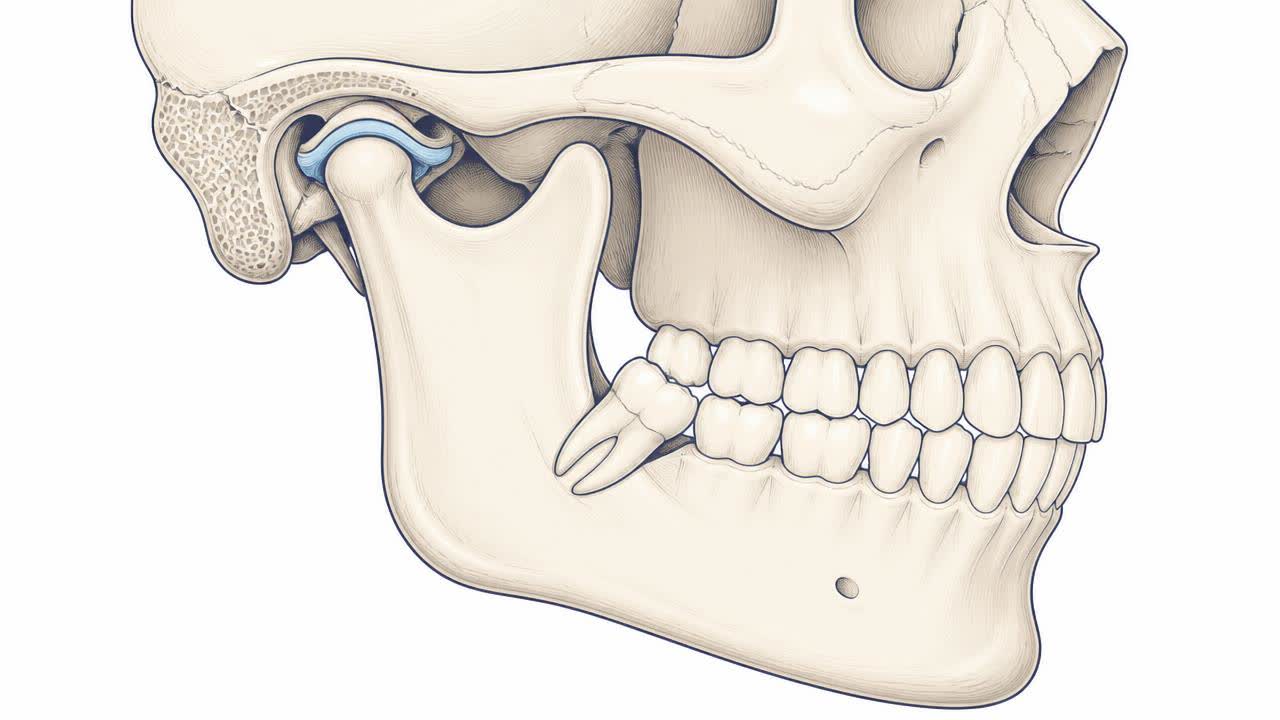
At a glance
- Mandibular advancement devices are specially designed dental appliances that help manage snoring and obstructive sleep apnoea.
- Customisation is the most important factor in the success of mandibular advancement therapy.
- Not everyone is a candidate for a mandibular advancement device.
- Adjusting to a new oral appliance usually takes a few weeks of consistent use.
- Long-term monitoring of patients using mandibular advancement devices is standard practice to ensure both comfort and efficacy.
What are Mandibular Advancement Devices?
Mandibular advancement devices are specially designed dental appliances that help manage snoring and obstructive sleep apnoea. These custom-made devices fit comfortably over the upper and lower teeth, holding the lower jaw in a slightly forward position. By shifting the jaw, the device pulls the tongue forward and prevents the soft tissues of the throat from collapsing, which significantly helps in maintaining an open, clear airway throughout the entire night.
The design of these devices focuses on providing a stable yet adjustable structure that supports the patient’s anatomy. Because each mouth is unique, the device must be custom-fabricated by dental professionals to ensure comfort and effectiveness. When worn correctly, it encourages natural breathing patterns and reduces the vibration of tissues that causes loud snoring, leading to deeper, more restorative sleep for the patient and their partners alike.
Benefits of Customisation
Customisation is the most important factor in the success of mandibular advancement therapy. Off-the-shelf devices often fail to provide the necessary precision, which can lead to discomfort or poor airway management. A professional dental assessment includes taking impressions or digital scans of the teeth and jaw. This ensures that the appliance is perfectly adapted to the patient’s bite, distributing pressure evenly to prevent soreness and tooth movement.
Furthermore, professional customisation allows for fine-tuning the amount of jaw advancement required. As the patient progresses, the dental team can adjust the device to achieve the best balance between comfort and airway opening. This tailored approach increases patient compliance, as the device becomes a natural part of the nightly routine rather than a source of irritation, ensuring consistent use and sustained therapeutic benefits over a long duration.
Suitability and Diagnosis
Not everyone is a candidate for a mandibular advancement device. A thorough clinical evaluation by a dentist or sleep medicine professional is required to determine if the jaw structure and teeth can support the device. Patients with certain temporomandibular joint disorders or severe dental issues may need alternative treatments. The dentist will assess the health of the teeth, gums, and joints to ensure no negative impact occurs with long-term wear.
Patients with mild to moderate obstructive sleep apnoea often see the best results with these appliances. The clinical team considers the patient’s overall health history and anatomy before recommending the device. By identifying contraindications early, dentists can avoid potential complications and guide patients towards the most effective path for their specific needs, ensuring the safety of the jaw joints and dental structures while effectively managing the underlying sleep disorder.
The Adaptation Process
Adjusting to a new oral appliance usually takes a few weeks of consistent use. During the initial period, patients might experience mild jaw soreness or increased saliva production as the mouth becomes accustomed to the presence of the device. These symptoms are generally temporary and subside as the jaw muscles adapt to the forward position. Clear communication with the dental team during this phase helps in making necessary minor adjustments for comfort.
Establishing a nightly routine is crucial for successful therapy. Patients are advised to clean their device daily with appropriate solutions and store it correctly when not in use. Regular follow-up appointments allow the dentist to track the patient's adaptation, monitor the health of the teeth and joints, and provide professional guidance on cleaning and maintenance. Consistent use is the key to experiencing the full health benefits and improved sleep quality provided by the device.
Long-term Monitoring
Long-term monitoring of patients using mandibular advancement devices is standard practice to ensure both comfort and efficacy. Regular dental examinations ensure that the bite remains stable and that there are no signs of dental shifting or joint strain. The dentist will evaluate the integrity of the device, checking for any wear or components that may need replacement or re-calibration, guaranteeing that the therapy remains safe and effective for years.
Additionally, periodic assessment of the sleep disorder itself is important to ensure the device is still providing the needed level of airway protection. If the patient experiences a return of symptoms, the dentist can make necessary adjustments or suggest alternative interventions. This proactive approach to dental and sleep health preserves the patient's well-being, fostering a long-term relationship built on clinical expertise, consistent care, and a shared goal of achieving excellent sleep health.
Questions patients ask us
- How does the device stop snoring?
- Snoring is often caused by the vibration of soft tissues when the airway becomes partially blocked. By moving the lower jaw forward, the device tightens these tissues and opens the airway space. This reduces resistance to airflow, preventing the vibrations that produce the loud, disruptive sound of snoring during sleep cycles.
- Will I need to wear this every night?
- Yes, for the device to be effective, it must be worn consistently every night. Obstructive sleep apnoea and chronic snoring are persistent conditions that require ongoing management. Regular nightly use ensures your airway remains open, protecting your health and ensuring you continue to receive the restorative sleep your body needs every single day.
- Can the device damage my teeth?
- When custom-fitted and monitored by a dental professional, the risk of damage is minimal. Your dentist designs the device to distribute pressure safely across your teeth and dental structures. Periodic check-ups allow the team to monitor for any signs of tooth movement or bite changes, ensuring your oral health remains perfectly protected throughout the treatment.
- Is it difficult to speak while wearing the device?
- The device is intended for use only while sleeping, so speaking clearly while wearing it is not required. It is normal to feel some initial strangeness, but since it is removed in the morning, it does not interfere with daily communication or eating. Most patients quickly adjust to the sensation and find it entirely manageable.
Sources and further reading
Guidance from professional and public health bodies. Clinical decisions here are made on your own examination and radiographs.
- 1.Clinical parameters of care and patient information — American Association of Oral and Maxillofacial Surgeons
- 2.Guidance on the extraction of wisdom teeth — NICE (UK)
- 3.Oral cancer — risk factors, early detection and prevention — World Health Organization
- 4.Policy statements and oral health definitions — FDI World Dental Federation
- 5.Dental health — conditions, treatments and patient guidance — NHS (UK)
- 6.Systematic reviews of oral and dental interventions — Cochrane Oral Health
- 7.Regulatory framework and dental education standards in India — Dental Council of India
When to see us
Get examined without waiting if any of the following applies to you:
- Swelling that spreads, restricts mouth opening or affects swallowing or breathing
- Numbness, altered sensation, or bleeding that will not stop after surgery
- Jaw locking, an ulcer or lump lasting more than two weeks, or a white or red patch that does not heal
Get a written plan and cost before you commit
If this is what you are dealing with, the next step is a consultation with radiographs — surgery & jaw cases are seen by the specialist who handles that field. You get a written plan and staged cost before anything begins.
reception@dramitsharmahospital.comThis article is general education and does not replace an in-person examination, radiographs or a diagnosis by a qualified dentist.
Clinical terms in this article
Related in Surgery & Jaw
Wisdom Tooth Problems: Symptoms, Impaction and When Removal Is Needed
Why wisdom teeth cause pain and swelling, what impaction means, and how to decide between monitoring and surgical removal.
Wisdom Teeth and Impactions
When third molars need removal, what impaction means, and what recovery realistically looks like.
Jaw Surgery, TMJ Disorders and Facial Trauma
Corrective jaw surgery, temporomandibular joint pain and management of facial injuries by a maxillofacial team.
Laser Periodontal Therapy Procedure Benefits and Recovery
Laser periodontal therapy, including the LANAP protocol, uses targeted wavelength lasers to treat moderate-to-severe periodontitis. This guide covers biological mechanisms, procedural stages, recovery guidelines, evidence-based outcomes, and long-term periodontal maintenance strategies.
Connective Tissue Graft Surgery for Receding Gums
Connective tissue gum graft surgery repairs severe gingival recession by transplanting donor tissue beneath receded gums. This evidence-based guide explains surgical techniques, anatomical principles, recovery timelines, clinical classifications, risks, and postoperative maintenance for optimal root coverage.
Free Gingival Graft Procedure to Thicken Gums
A free gingival graft is a proven periodontal surgical procedure designed to augment thin or deficient attached gum tissue. This comprehensive guide covers anatomical indications, surgical steps, donor and recipient healing phases, complications, and evidence-based post-operative recovery protocols.