At a glance
- Dental implants have a remarkably high success rate, often exceeding 95% over many years.
- Smoking is one of the most significant risk factors for dental implant failure.
- Systemic conditions like uncontrolled diabetes can also impact the success of your dental implants.
- Perhaps the most preventable cause of late implant failure is the lack of proper maintenance.
- While the thought of implant failure can be concerning, it is important to remember that most implants are incredibly successful when patients are well-selected, treated with precision, and maintained properly.
Understanding Implant Success and Failure
Dental implants have a remarkably high success rate, often exceeding 95% over many years. However, no medical procedure is completely without risk. Understanding why an implant might fail is the first step toward taking the necessary precautions to prevent it. Failure can occur early, shortly after surgery, or late, years after the implant has been in place, depending on the underlying factors.
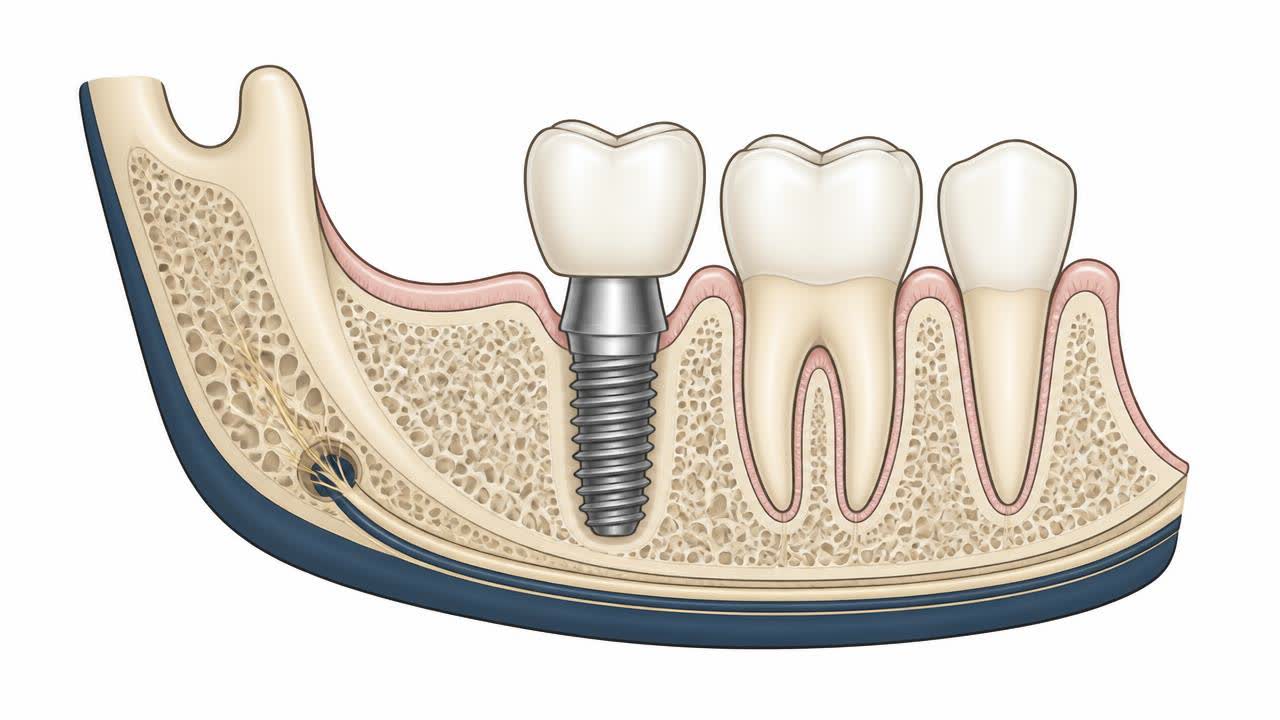
Success relies on the process of osseointegration, where your bone naturally fuses with the implant surface. Any disruption to this biological process can lead to complications. Factors ranging from systemic health issues to the precision of the surgical technique can influence whether an implant integrates properly or remains healthy over the long term. By being informed, you can help ensure your implant succeeds.
Impact of Smoking
Smoking is one of the most significant risk factors for dental implant failure. Tobacco products impair blood flow to the gum tissue and bone, which slows down the healing process and weakens the body's immune response to bacteria. For implant patients, this increases the risk of infection and hinders the crucial process of bone integration, leading to a much higher failure rate than in non-smokers.
We strongly advise patients to avoid smoking before and after the implant surgery. Quitting smoking can significantly improve your chances of a successful outcome and long-term implant health. If you struggle with nicotine dependency, our team can provide resources or guidance to help you manage this during the healing period, ensuring your implant has the best possible environment to thrive.
Systemic Health and Diabetes
Systemic conditions like uncontrolled diabetes can also impact the success of your dental implants. High blood sugar levels can slow down healing and make you more susceptible to infections. Patients with well-managed diabetes, however, can still be excellent candidates for implants. The key is to work closely with your physician to keep your blood sugar levels within a healthy, stable range before and after your procedure.
Other health factors, such as autoimmune diseases or treatments that affect bone metabolism, might also play a role in the health of your implants. During your initial consultation, we will review your complete medical history to assess your individual risk profile. Open communication about your health is vital, allowing us to plan your treatment effectively and ensure that any potential risks are managed.
Ensuring Your Long-Term Success
While the thought of implant failure can be concerning, it is important to remember that most implants are incredibly successful when patients are well-selected, treated with precision, and maintained properly. We take a careful, step-by-step approach to your care, from the initial planning stages to the final delivery of your restoration, to minimise all potential risks.
Our team is dedicated to your long-term success. By following our post-operative instructions, maintaining excellent hygiene, and keeping up with your regular dental exams, you are doing everything possible to protect your smile. If you have any concerns or want to learn more about how to keep your implants healthy, please do not hesitate to ask during your next appointment.
Lack of Regular Maintenance
Perhaps the most preventable cause of late implant failure is the lack of proper maintenance. Like natural teeth, implants can accumulate bacterial plaque and develop infections. If this is not managed through daily brushing and professional cleanings, peri-implantitis can set in, leading to bone loss. Consistent dental visits are essential for us to check your implant and ensure it remains healthy.
Ignoring minor issues, such as occasional gum bleeding or soreness, can lead to more significant problems down the line. We encourage our patients to reach out whenever they notice anything unusual. By staying consistent with your oral hygiene and attending your scheduled check-ups, you play an active role in keeping your implant free of infection and stable for many years.
Questions patients ask us
- What are the common signs of implant failure?
- Signs can include persistent pain, swelling or bleeding around the gum tissue, increased mobility or loosening of the implant, and even visible bone loss. If you notice any of these symptoms, please contact your dentist immediately for a professional evaluation and treatment.
- Can I get an implant if I am a smoker?
- While it is possible, smoking significantly increases the risk of implant failure because it compromises healing and bone integration. We strongly recommend stopping smoking to give your implant the best chance of long-term success and to ensure healthy healing of your bone and gums.
- Is it possible for diabetes to cause failure?
- Uncontrolled diabetes can impede the healing process and increase the risk of infection, which may lead to implant failure. However, if your diabetes is well-managed and your blood sugar is under good control, you can still have a successful and long-lasting dental implant.
- What should I do if my implant feels loose?
- A loose implant is a significant concern that requires professional assessment immediately. Do not attempt to tighten it yourself. Contact our clinic as soon as possible so we can examine the implant, determine the cause of the movement, and discuss the appropriate steps for your care.
Sources and further reading
Guidance from professional and public health bodies. Clinical decisions here are made on your own examination and radiographs.
- 1.ITI Treatment Guide series and consensus statements — International Team for Implantology (ITI)
- 2.Consensus reports on implant dentistry — European Association for Osseointegration
- 3.Prosthodontic and edentulous-care patient guidance — American College of Prosthodontists
- 4.Oral health — fact sheet and global status report — World Health Organization
- 5.Policy statements and oral health definitions — FDI World Dental Federation
- 6.Dental health — conditions, treatments and patient guidance — NHS (UK)
- 7.Systematic reviews of oral and dental interventions — Cochrane Oral Health
- 8.Regulatory framework and dental education standards in India — Dental Council of India
When to see us
Get examined without waiting if any of the following applies to you:
- Pain, looseness or pus around an implant or a fixed bridge
- A crown, bridge or denture that has fractured or come away
- Gum swelling that keeps returning around the same restoration
Get a written plan and cost before you commit
If this is what you are dealing with, the next step is a consultation with radiographs — implants & missing teeth cases are seen by the specialist who handles that field. You get a written plan and staged cost before anything begins.
reception@dramitsharmahospital.comThis article is general education and does not replace an in-person examination, radiographs or a diagnosis by a qualified dentist.
Clinical terms in this article
Related in Implants & Missing Teeth
Missing Teeth: Comparing Dentures, Bridges and Implant Options
What happens if a missing tooth is left unreplaced, and how dentures, bridges and implants compare on comfort, longevity and bone health.
Dental Implants: A Complete Guide
How titanium implants replace missing teeth, who qualifies, the step-by-step timeline and how long they last.
Full Mouth Rehabilitation
Rebuilding a worn, collapsed or heavily damaged dentition with a sequenced, whole-mouth treatment plan.
Peri-Implant Mucositis Symptoms and Early Intervention
Peri-implant mucositis is a plaque-induced, reversible inflammatory lesion affecting the soft tissues surrounding a dental implant without bone loss. Prompt professional debridement, risk-factor modification, and meticulous biofilm control prevent progression to irreversible peri-implantitis.
Peri-Implantitis Symptoms Bone Loss and Implant Salvage
Peri-implantitis is an inflammatory condition causing progressive marginal bone loss around dental implants. Early detection, thorough decontamination, and advanced surgical salvage techniques can arrest bone destruction, resolve inflammation, and preserve implant stability.
Root Canal Retreatment vs Tooth Extraction and Implant
This clinical guide evaluates root canal retreatment versus tooth extraction and dental implant placement. Learn about biological tooth preservation, anatomical considerations, procedural steps, longevity, recovery expectations, and diagnostic criteria to make an informed oral healthcare decision.