At a glance
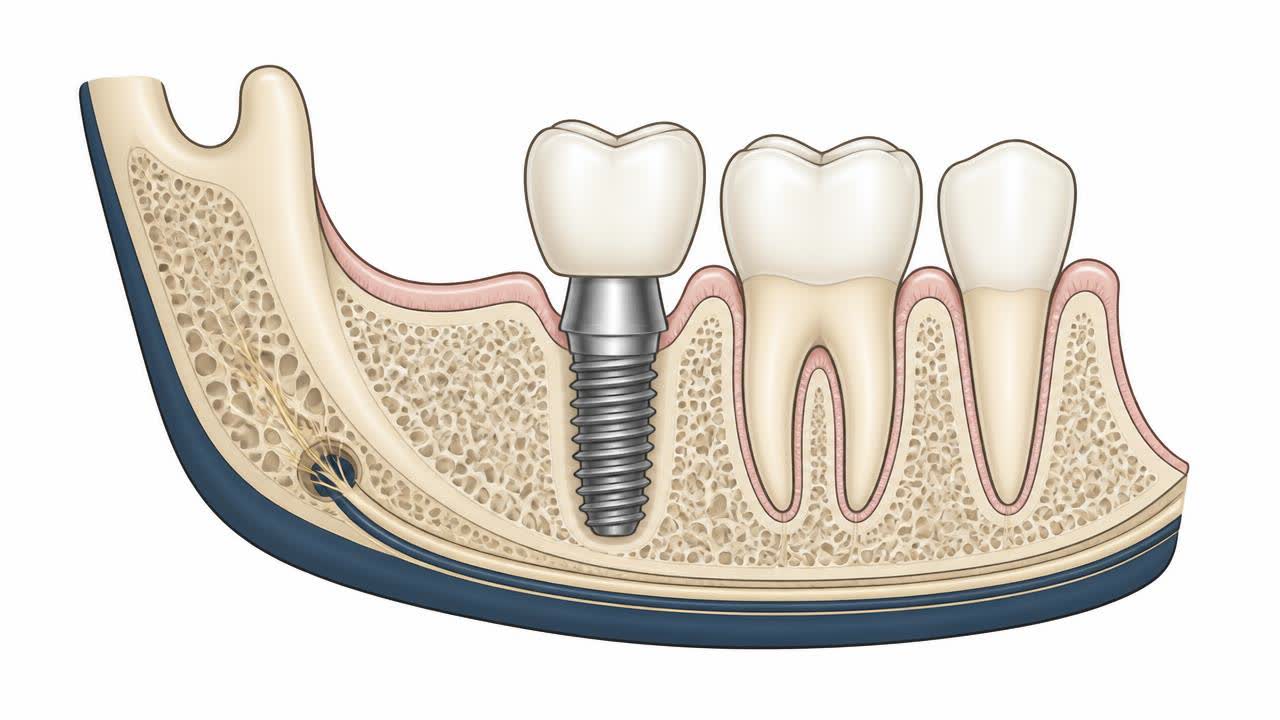
- When you receive a dental implant, the final crown is the part you see and use every day.
- Porcelain-fused-to-metal (PFM) crowns have been a reliable staple in restorative dentistry for decades.
- Full zirconia crowns have become the preferred choice for many patients due to their incredible strength and natural appearance.
- Lithium disilicate, often known by the brand name E-Max, is a high-performance glass-ceramic that is prized for its exceptional aesthetics.
- Your choice of crown material should be based on your unique dental situation, including your bite, the location of the implant, and your personal aesthetic goals.
The Importance of Crown Material
When you receive a dental implant, the final crown is the part you see and use every day. Choosing the right material for this crown is as important as the implant itself. The material must be strong enough to withstand biting forces while also appearing natural within your smile. Modern dentistry offers several high-quality options, each with distinct benefits regarding strength, durability, and aesthetic finish.
Patients often want a solution that looks identical to their natural teeth. Whether the implant is at the front or the back of your mouth, the crown material plays a significant role. A front crown requires high translucency for a lifelike appearance, while a back crown needs extra resilience against heavy grinding. Our dental team will help you select the ideal material based on your individual needs.
Porcelain-Fused-to-Metal Crowns
Porcelain-fused-to-metal (PFM) crowns have been a reliable staple in restorative dentistry for decades. These crowns feature a metal core for structural strength, covered by a layer of dental porcelain for a natural tooth colour. PFM crowns are known for their predictable performance and are often chosen for posterior teeth where high bite forces are expected, ensuring long-term structural integrity throughout many years of service.
However, PFM crowns can sometimes show a thin metal line at the gum margin, particularly if the gums recede over time. While they offer great strength, they might not provide the highest level of aesthetic perfection needed for highly visible areas. For patients with a high smile line, we might recommend alternatives that offer a more seamless transition from the crown to the surrounding gum tissue.
Full Zirconia Crowns
Full zirconia crowns have become the preferred choice for many patients due to their incredible strength and natural appearance. Unlike metal-based crowns, zirconia is a solid, white-coloured ceramic that is exceptionally resistant to fractures. Because they are not layered with porcelain, they are far less likely to chip, making them an excellent option for patients who may clench or grind their teeth occasionally.
Zirconia is also highly biocompatible and gentle on the opposing natural teeth. Its smooth, polished surface is resistant to bacterial accumulation, which helps in maintaining healthy gum tissue around the implant site. With advancements in milling technology, we can craft zirconia crowns that have an incredibly precise fit, ensuring they sit comfortably on your implant abutment while providing a natural look that mimics your own enamel.
Lithium Disilicate Crowns
Lithium disilicate, often known by the brand name E-Max, is a high-performance glass-ceramic that is prized for its exceptional aesthetics. These crowns are known for their superior translucency, which allows light to pass through them similarly to natural tooth enamel. This makes them the top choice for restoring single teeth in the smile zone, where matching the surrounding teeth is absolutely essential for a flawless result.
While they are very strong, they are generally recommended for single tooth restorations rather than long-span bridges. They are bonded to the abutment, which provides additional strength to the final restoration. If you are looking for an aesthetically stunning result that is virtually indistinguishable from your natural teeth, lithium disilicate is often the perfect material to achieve the smile you have always desired.
Customising Your Restoration
Your choice of crown material should be based on your unique dental situation, including your bite, the location of the implant, and your personal aesthetic goals. During your consultation, we will assess your bite patterns and discuss the pros and cons of each material. We want to ensure that your new tooth not only looks beautiful but also functions comfortably for many years to come.
Investing in high-quality materials and precise fabrication is key to the success of your dental implant. Our clinic uses advanced digital scanning and milling techniques to create crowns that fit perfectly, reducing the risk of complications such as food impaction or gingival irritation. By choosing the right crown material, you are taking a major step towards restoring your oral health, comfort, and confidence in your smile.
Questions patients ask us
- Which crown material is the strongest?
- Full zirconia crowns are generally considered the strongest option. They are highly resistant to fracture, making them ideal for back teeth that handle heavy chewing forces. They are also a great choice for patients who may have bruxism or a tendency to grind their teeth.
- Do all crowns look the same?
- No, different materials offer different aesthetic outcomes. Lithium disilicate is known for its superior translucency and lifelike appearance, making it perfect for front teeth. Zirconia is also very aesthetic and can be colour-matched precisely to your natural teeth, providing an excellent result for both front and back restorations.
- Will my crown show a dark line?
- If you choose a metal-based crown like a PFM, a dark line may become visible at the gumline if the gums recede over time. Modern, all-ceramic options like full zirconia or lithium disilicate eliminate this issue entirely, as they are white throughout the entire material.
- How do I choose the best material?
- The choice depends on where the implant is located, your bite strength, and your aesthetic preferences. Your dentist will evaluate these factors during your planning stage to recommend the material that balances long-term durability with the most natural look for your specific smile.
Sources and further reading
Guidance from professional and public health bodies. Clinical decisions here are made on your own examination and radiographs.
- 1.ITI Treatment Guide series and consensus statements — International Team for Implantology (ITI)
- 2.Consensus reports on implant dentistry — European Association for Osseointegration
- 3.Prosthodontic and edentulous-care patient guidance — American College of Prosthodontists
- 4.Oral health — fact sheet and global status report — World Health Organization
- 5.Policy statements and oral health definitions — FDI World Dental Federation
- 6.Dental health — conditions, treatments and patient guidance — NHS (UK)
- 7.Systematic reviews of oral and dental interventions — Cochrane Oral Health
- 8.Regulatory framework and dental education standards in India — Dental Council of India
When to see us
Get examined without waiting if any of the following applies to you:
- Pain, looseness or pus around an implant or a fixed bridge
- A crown, bridge or denture that has fractured or come away
- Gum swelling that keeps returning around the same restoration
Get a written plan and cost before you commit
If this is what you are dealing with, the next step is a consultation with radiographs — implants & missing teeth cases are seen by the specialist who handles that field. You get a written plan and staged cost before anything begins.
reception@dramitsharmahospital.comThis article is general education and does not replace an in-person examination, radiographs or a diagnosis by a qualified dentist.
Clinical terms in this article
Related in Implants & Missing Teeth
Missing Teeth: Comparing Dentures, Bridges and Implant Options
What happens if a missing tooth is left unreplaced, and how dentures, bridges and implants compare on comfort, longevity and bone health.
Dental Implants: A Complete Guide
How titanium implants replace missing teeth, who qualifies, the step-by-step timeline and how long they last.
Full Mouth Rehabilitation
Rebuilding a worn, collapsed or heavily damaged dentition with a sequenced, whole-mouth treatment plan.
Peri-Implant Mucositis Symptoms and Early Intervention
Peri-implant mucositis is a plaque-induced, reversible inflammatory lesion affecting the soft tissues surrounding a dental implant without bone loss. Prompt professional debridement, risk-factor modification, and meticulous biofilm control prevent progression to irreversible peri-implantitis.
Peri-Implantitis Symptoms Bone Loss and Implant Salvage
Peri-implantitis is an inflammatory condition causing progressive marginal bone loss around dental implants. Early detection, thorough decontamination, and advanced surgical salvage techniques can arrest bone destruction, resolve inflammation, and preserve implant stability.
Root Canal Retreatment vs Tooth Extraction and Implant
This clinical guide evaluates root canal retreatment versus tooth extraction and dental implant placement. Learn about biological tooth preservation, anatomical considerations, procedural steps, longevity, recovery expectations, and diagnostic criteria to make an informed oral healthcare decision.