At a glance
- Zirconia is a crystalline ceramic material known for exceptional strength, often exceeding the fracture resistance of many other all-ceramic options, which makes it particularly well suited to molars and premolars that bear heavy…
- Zirconia is often recommended for teeth that have had root canal treatment, large old fillings, or significant structural loss, since it can be milled to restore full tooth shape while withstanding the biting forces from the…
- Fitting a zirconia crown involves shaping the tooth to create room for the crown material, taking a digital scan or impression, and placing a temporary crown while the permanent one is milled, either in an external laboratory or…
- With good oral hygiene and regular dental check-ups, zirconia crowns commonly last well over ten years, and their resistance to wear means they do not readily abrade opposing natural teeth the way some older ceramic materials…
What Makes Zirconia Different
Zirconia is a crystalline ceramic material known for exceptional strength, often exceeding the fracture resistance of many other all-ceramic options, which makes it particularly well suited to molars and premolars that bear heavy chewing forces. Unlike traditional metal-ceramic crowns, zirconia contains no metal substructure, avoiding the grey line that can sometimes appear at the gum edge of older-style crowns over time.
Modern zirconia formulations range from a more opaque, very strong variety used mainly for back teeth to more translucent versions developed specifically to mimic the light-handling properties of natural enamel, making zirconia a versatile choice across different parts of the mouth.
When Zirconia Crowns Are Recommended
Zirconia is often recommended for teeth that have had root canal treatment, large old fillings, or significant structural loss, since it can be milled to restore full tooth shape while withstanding the biting forces from the opposite jaw. It is also a preferred choice for patients who grind or clench their teeth, given its resistance to chipping compared with some other ceramics.
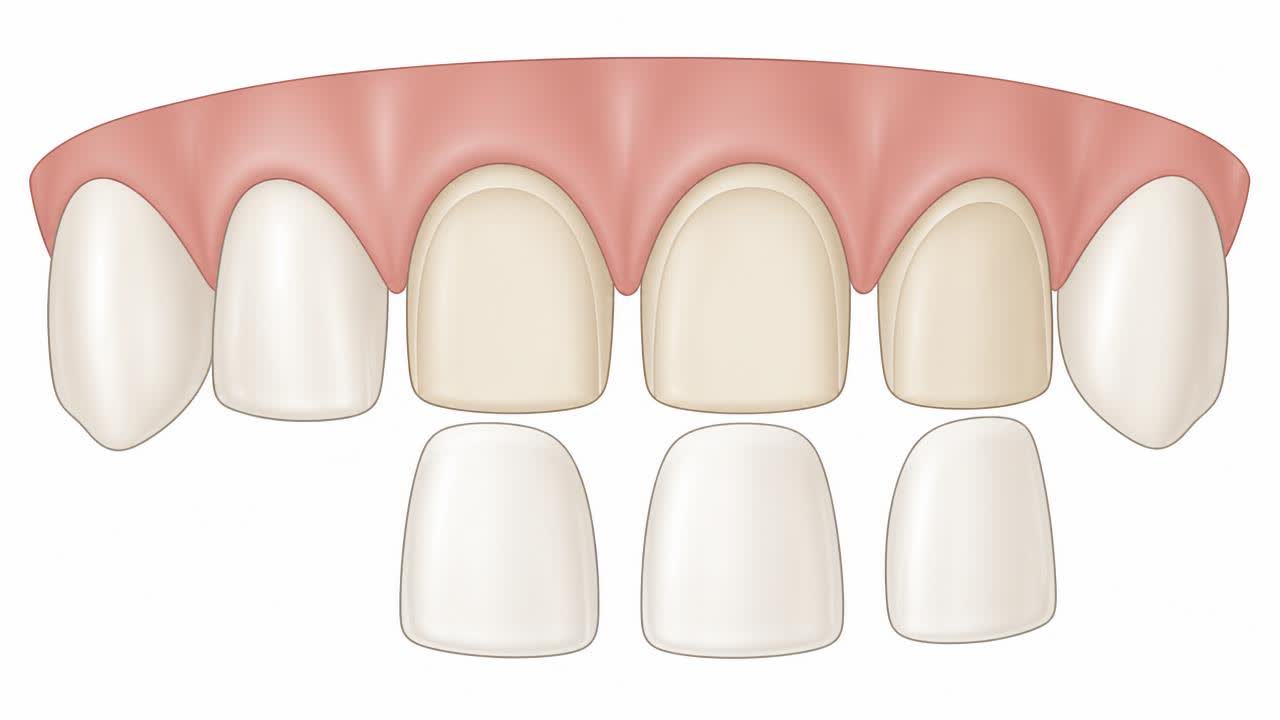
For visible front teeth, translucent zirconia or a layered zirconia crown with a porcelain overlay can achieve a highly natural appearance, and your dentist will help select the specific type of zirconia based on both the strength requirements of the tooth's location and your aesthetic priorities.
The Fitting Process
Fitting a zirconia crown involves shaping the tooth to create room for the crown material, taking a digital scan or impression, and placing a temporary crown while the permanent one is milled, either in an external laboratory or in some clinics using in-house milling technology for faster turnaround.
Once ready, the crown is tried in to check fit, contact with neighbouring teeth, and bite alignment before being cemented permanently. Any final adjustments to the bite are made at this visit to ensure comfortable, even chewing function.
Durability and Maintenance
With good oral hygiene and regular dental check-ups, zirconia crowns commonly last well over ten years, and their resistance to wear means they do not readily abrade opposing natural teeth the way some older ceramic materials could. They also resist staining effectively, holding their shade well over time.
As with any crown, the junction between the crown and natural tooth at the gum line requires careful daily cleaning, since decay can still develop at this margin even though the crown material itself cannot decay. Routine X-rays during check-ups help monitor this area.
Questions patients ask us
- Is zirconia better than porcelain-fused-to-metal crowns?
- Zirconia generally offers better aesthetics without a metal substructure and comparable or superior strength for most cases, though metal-ceramic crowns remain a reasonable and cost-effective option in certain situations. Your dentist will advise based on the specific tooth and bite forces involved.
- Can zirconia crowns chip?
- Zirconia is highly resistant to chipping compared with many other ceramics, though no material is completely indestructible. A layered zirconia crown with a porcelain overlay carries a slightly higher chance of the outer porcelain layer chipping than a fully monolithic zirconia crown.
- How long does getting a zirconia crown take?
- Typically two visits are needed, one for preparation and scanning and a second, usually one to two weeks later, for fitting, though some clinics with in-house milling equipment can occasionally offer same-day options for suitable cases.
- Will a zirconia crown match my other teeth?
- Yes, shade matching is done carefully using a shade guide against your natural teeth, and translucent zirconia options are chosen specifically for visible front teeth to blend naturally with your smile.
Sources and further reading
Guidance from professional and public health bodies. Clinical decisions here are made on your own examination and radiographs.
- 1.Whitening, bonding and veneers — patient information — American Dental Association
- 2.Guidance on tooth whitening and cosmetic dental treatment — British Dental Association
- 3.Oral health — fact sheet and global status report — World Health Organization
- 4.Policy statements and oral health definitions — FDI World Dental Federation
- 5.Dental health — conditions, treatments and patient guidance — NHS (UK)
- 6.Systematic reviews of oral and dental interventions — Cochrane Oral Health
- 7.Regulatory framework and dental education standards in India — Dental Council of India
When to see us
Get examined without waiting if any of the following applies to you:
- Sensitivity or pain that continues for more than a few days after cosmetic work
- A veneer, crown or bonded restoration that has chipped, debonded or feels high in the bite
- Gum inflammation or dark margins developing at the edge of a restoration
Get a written plan and cost before you commit
If this is what you are dealing with, the next step is a consultation with radiographs — cosmetic & smile design cases are seen by the specialist who handles that field. You get a written plan and staged cost before anything begins.
reception@dramitsharmahospital.comThis article is general education and does not replace an in-person examination, radiographs or a diagnosis by a qualified dentist.
Clinical terms in this article
Related in Cosmetic & Smile Design
Dental Crowns and Bridges: What They Are and When You Need One
How crowns and bridges restore damaged or missing teeth, the materials used, and what the process and aftercare involve.
Teeth Whitening and Tooth Stains: Causes and Treatment Options
Why teeth discolour over time, the difference between surface stains and deeper discolouration, and how professional whitening compares with home options.
Smile Makeover and Digital Smile Design
How veneers, bonding, whitening and gum contouring are combined into one planned cosmetic outcome.
Teeth Whitening: What Actually Works
In-office versus home whitening, realistic expectations, sensitivity management and what whitening cannot fix.
Black Triangles Between Teeth Causes and Treatment
Open gingival embrasures, commonly called black triangles between teeth and gums, occur when the interdental papilla recedes. Explore the anatomical causes, clinical classifications, restorative and orthodontic treatments, and long-term periodontal maintenance strategies.
Internal Tooth Bleaching for Discolored Nonvital Teeth
Internal tooth bleaching after root canal treatment is a conservative endodontic procedure that lightens intrinsically discoloured, non-vital teeth from within the pulp chamber, restoring natural aesthetics without requiring extensive structural removal for crowns or veneers.