At a glance
- Full mouth rehabilitation is typically recommended for patients with extensive problems affecting most or all of their teeth, such as severe wear from long-term grinding, widespread old and failing restorations, multiple missing…
- This phase typically includes detailed photographs, full mouth X-rays or a 3D scan, study models or digital scans of your bite, and an assessment of your jaw joint function and muscle comfort.
- Treatment usually begins by addressing active disease first, such as treating gum infection or removing teeth that cannot be saved, followed by foundational restorative work including root canal treatment or implant placement…
- While full mouth rehabilitation often dramatically improves appearance, its primary purpose is restoring proper chewing function, protecting remaining natural teeth from further wear or damage, and relieving jaw joint strain that…
When Full Mouth Rehabilitation Is Needed
Full mouth rehabilitation is typically recommended for patients with extensive problems affecting most or all of their teeth, such as severe wear from long-term grinding, widespread old and failing restorations, multiple missing teeth affecting bite and chewing, or a combination of decay, gum disease and bite collapse that has developed gradually over many years.
Rather than treating each tooth reactively as problems arise, this approach involves a comprehensive diagnostic phase to understand how your bite, jaw joints, gums and remaining teeth all function together, so that treatment addresses root causes and restores a stable, functional and aesthetic result for the whole mouth.
The Diagnostic and Planning Phase
This phase typically includes detailed photographs, full mouth X-rays or a 3D scan, study models or digital scans of your bite, and an assessment of your jaw joint function and muscle comfort. In cases involving significant wear or bite collapse, we may also analyse how your upper and lower jaws meet at rest and during chewing movements.
Based on this information, a detailed sequential plan is created, often involving input from multiple specialities such as periodontics for gum health, endodontics for any teeth needing root canal treatment, prosthodontics for crowns, bridges or dentures, and oral surgery for extractions or implants where needed.
Typical Treatment Sequence
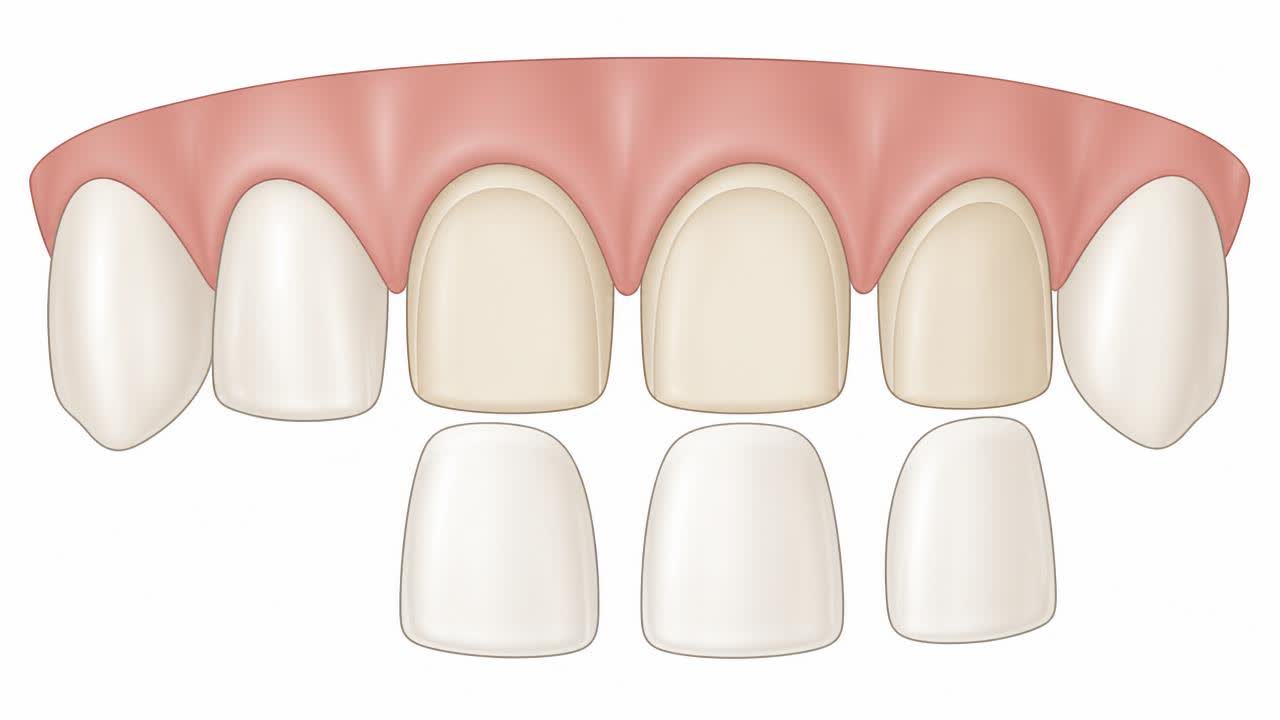
Treatment usually begins by addressing active disease first, such as treating gum infection or removing teeth that cannot be saved, followed by foundational restorative work including root canal treatment or implant placement where teeth are missing. Only once this foundation is stable does treatment move to the final crowns, bridges or veneers that restore appearance and function.
Because of the scope involved, full mouth rehabilitation is usually carried out over several months rather than a single visit, with temporary restorations used at intermediate stages to allow you to adapt to bite changes and confirm comfort before final restorations are permanently fitted.
We keep patients closely informed at every stage, since a plan of this scale represents a significant time and financial commitment, and clear communication about sequencing and expected outcomes at each phase helps you feel confident throughout the process.
Benefits Beyond Appearance
While full mouth rehabilitation often dramatically improves appearance, its primary purpose is restoring proper chewing function, protecting remaining natural teeth from further wear or damage, and relieving jaw joint strain that can develop from a collapsed or uneven bite over many years.
Patients frequently report improved comfort with eating, reduced headaches or jaw tension where these were related to bite problems, and renewed confidence in their smile once treatment is complete, making this one of the more comprehensive and life-changing categories of dental treatment we offer.
Questions patients ask us
- How long does full mouth rehabilitation take?
- Depending on the complexity of your case, treatment can take anywhere from a few months to over a year, since foundational treatments such as implants or root canals need time to heal or settle before final restorations are placed.
- Will I be without teeth at any point during treatment?
- No, temporary restorations are used throughout the process to maintain both appearance and function, so you are never left without usable teeth at any stage of a properly planned rehabilitation.
- Is full mouth rehabilitation only for older patients?
- While it is more common in older patients due to accumulated wear and tear over decades, younger patients with severe grinding habits, congenital tooth defects, or the aftermath of significant dental trauma can also benefit from this comprehensive approach.
- Does full mouth rehabilitation include cosmetic improvements?
- Yes, cosmetic considerations such as tooth shade, shape and smile symmetry are incorporated into the final restorative phase, so patients typically see significant aesthetic improvement alongside the functional benefits of treatment.
Sources and further reading
Guidance from professional and public health bodies. Clinical decisions here are made on your own examination and radiographs.
- 1.Whitening, bonding and veneers — patient information — American Dental Association
- 2.Guidance on tooth whitening and cosmetic dental treatment — British Dental Association
- 3.Oral health — fact sheet and global status report — World Health Organization
- 4.Policy statements and oral health definitions — FDI World Dental Federation
- 5.Dental health — conditions, treatments and patient guidance — NHS (UK)
- 6.Systematic reviews of oral and dental interventions — Cochrane Oral Health
- 7.Regulatory framework and dental education standards in India — Dental Council of India
When to see us
Get examined without waiting if any of the following applies to you:
- Sensitivity or pain that continues for more than a few days after cosmetic work
- A veneer, crown or bonded restoration that has chipped, debonded or feels high in the bite
- Gum inflammation or dark margins developing at the edge of a restoration
Get a written plan and cost before you commit
If this is what you are dealing with, the next step is a consultation with radiographs — cosmetic & smile design cases are seen by the specialist who handles that field. You get a written plan and staged cost before anything begins.
reception@dramitsharmahospital.comThis article is general education and does not replace an in-person examination, radiographs or a diagnosis by a qualified dentist.
Clinical terms in this article
Related in Cosmetic & Smile Design
Dental Crowns and Bridges: What They Are and When You Need One
How crowns and bridges restore damaged or missing teeth, the materials used, and what the process and aftercare involve.
Teeth Whitening and Tooth Stains: Causes and Treatment Options
Why teeth discolour over time, the difference between surface stains and deeper discolouration, and how professional whitening compares with home options.
Smile Makeover and Digital Smile Design
How veneers, bonding, whitening and gum contouring are combined into one planned cosmetic outcome.
Teeth Whitening: What Actually Works
In-office versus home whitening, realistic expectations, sensitivity management and what whitening cannot fix.
Black Triangles Between Teeth Causes and Treatment
Open gingival embrasures, commonly called black triangles between teeth and gums, occur when the interdental papilla recedes. Explore the anatomical causes, clinical classifications, restorative and orthodontic treatments, and long-term periodontal maintenance strategies.
Internal Tooth Bleaching for Discolored Nonvital Teeth
Internal tooth bleaching after root canal treatment is a conservative endodontic procedure that lightens intrinsically discoloured, non-vital teeth from within the pulp chamber, restoring natural aesthetics without requiring extensive structural removal for crowns or veneers.