At a glance
- A gap between the two front teeth, medically called a diastema, can develop for several reasons including a naturally larger jaw relative to tooth size, a prominent tissue band between the front teeth called a labial frenum,…
- For small to moderate gaps, composite bonding is often the fastest solution, with resin added to the sides of the two teeth to gradually close the space in a single visit without any tooth reduction needed.
- When a gap is larger, or when the patient also wants to address tooth shape, colour or minor misalignment at the same time, porcelain or E-max veneers offer a more durable, stain-resistant solution that can close the gap while…
- For patients who prefer not to alter healthy tooth structure, braces or clear aligners can close the gap by gradually moving the teeth themselves into contact, which is the most conservative option and also allows correction of…
Why Gaps Develop
A gap between the two front teeth, medically called a diastema, can develop for several reasons including a naturally larger jaw relative to tooth size, a prominent tissue band between the front teeth called a labial frenum, missing or undersized teeth elsewhere causing shifting, or habits such as prolonged thumb sucking or tongue thrusting during childhood development.
Understanding the specific cause matters because it affects both which treatment is recommended and how likely the gap is to reopen after treatment if the underlying cause is not also addressed, particularly in cases involving a prominent frenum or an active tongue-thrusting habit.
Composite Bonding for Small Gaps
For small to moderate gaps, composite bonding is often the fastest solution, with resin added to the sides of the two teeth to gradually close the space in a single visit without any tooth reduction needed. This approach is reversible, relatively affordable and can be finished the same day, making it popular before events.
The trade-off is that composite is more prone to staining and wear over years compared with porcelain, so patients should expect occasional polishing or refreshing of the bonded areas over time to maintain a seamless look.
Veneers for Wider or Combined Corrections
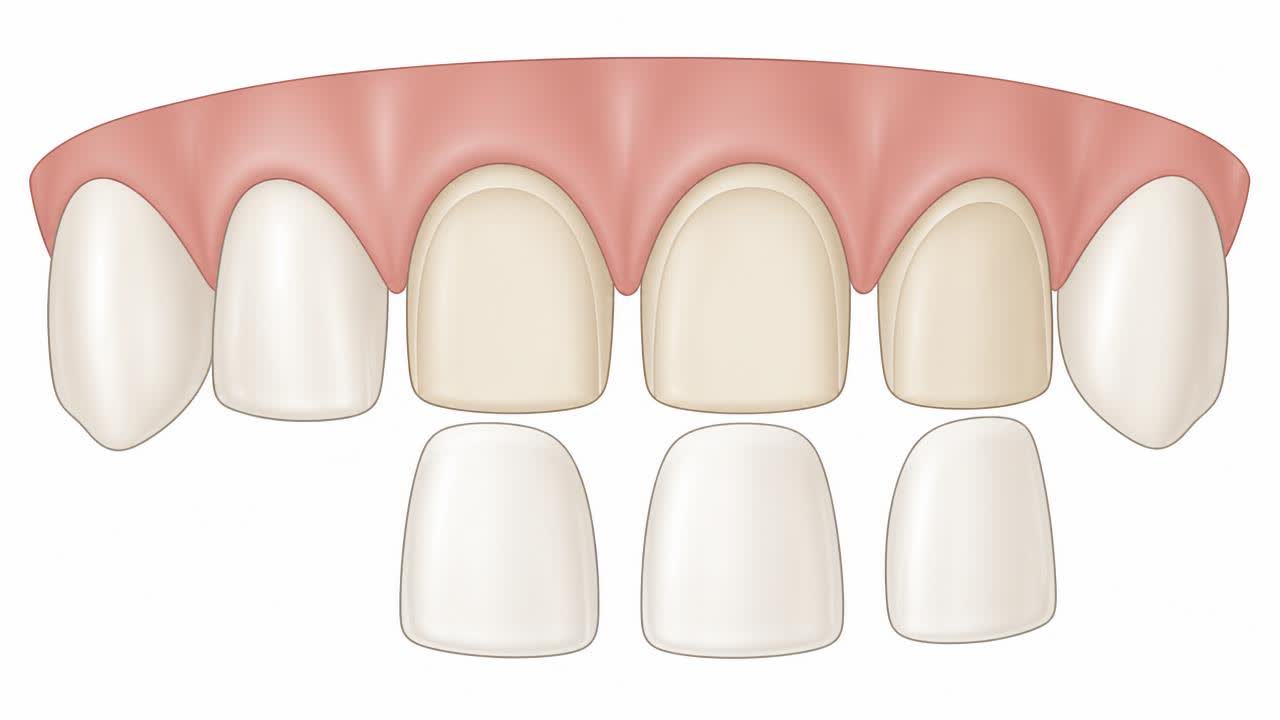
When a gap is larger, or when the patient also wants to address tooth shape, colour or minor misalignment at the same time, porcelain or E-max veneers offer a more durable, stain-resistant solution that can close the gap while also idealising overall tooth proportions.
This generally requires a small amount of tooth preparation, and because it is a more involved and permanent option, we ensure a thorough consultation and often a mock-up beforehand so you can preview how the closed gap will look before committing to treatment.
Orthodontic Closure as a Conservative Option
For patients who prefer not to alter healthy tooth structure, braces or clear aligners can close the gap by gradually moving the teeth themselves into contact, which is the most conservative option and also allows correction of any related crowding or tilting elsewhere in the mouth.
This route takes longer, typically several months to over a year depending on the case, but avoids permanent alteration of the teeth and often produces the most stable long-term result, particularly when a retainer is worn afterwards as recommended to prevent the gap reopening.
Questions patients ask us
- Which is the fastest way to close a front tooth gap?
- Composite bonding is generally the fastest option, often completed within a single appointment, making it a popular choice when time is limited, such as before a wedding or important event.
- Will the gap come back after treatment?
- This depends on the underlying cause. If a prominent frenum or a habit such as tongue thrusting caused the gap and is not addressed, there is a higher chance of the gap gradually reopening even after successful treatment, so we assess and manage these factors as part of the plan.
- Can braces close a gap without any other treatment?
- Yes, for many patients orthodontic treatment alone can fully close a diastema by moving the natural teeth together, without requiring any bonding or veneers, particularly when the gap is due to tooth position rather than undersized teeth.
- Is a retainer needed after closing a gap with braces?
- Yes, wearing a retainer as instructed after orthodontic gap closure is important, since front teeth gaps have a natural tendency to relapse without this ongoing support, especially in the months immediately following treatment.
Sources and further reading
Guidance from professional and public health bodies. Clinical decisions here are made on your own examination and radiographs.
- 1.Whitening, bonding and veneers — patient information — American Dental Association
- 2.Guidance on tooth whitening and cosmetic dental treatment — British Dental Association
- 3.Oral health — fact sheet and global status report — World Health Organization
- 4.Policy statements and oral health definitions — FDI World Dental Federation
- 5.Dental health — conditions, treatments and patient guidance — NHS (UK)
- 6.Systematic reviews of oral and dental interventions — Cochrane Oral Health
- 7.Regulatory framework and dental education standards in India — Dental Council of India
When to see us
Get examined without waiting if any of the following applies to you:
- Sensitivity or pain that continues for more than a few days after cosmetic work
- A veneer, crown or bonded restoration that has chipped, debonded or feels high in the bite
- Gum inflammation or dark margins developing at the edge of a restoration
Get a written plan and cost before you commit
If this is what you are dealing with, the next step is a consultation with radiographs — cosmetic & smile design cases are seen by the specialist who handles that field. You get a written plan and staged cost before anything begins.
reception@dramitsharmahospital.comThis article is general education and does not replace an in-person examination, radiographs or a diagnosis by a qualified dentist.
Clinical terms in this article
Related in Cosmetic & Smile Design
Dental Crowns and Bridges: What They Are and When You Need One
How crowns and bridges restore damaged or missing teeth, the materials used, and what the process and aftercare involve.
Teeth Whitening and Tooth Stains: Causes and Treatment Options
Why teeth discolour over time, the difference between surface stains and deeper discolouration, and how professional whitening compares with home options.
Smile Makeover and Digital Smile Design
How veneers, bonding, whitening and gum contouring are combined into one planned cosmetic outcome.
Teeth Whitening: What Actually Works
In-office versus home whitening, realistic expectations, sensitivity management and what whitening cannot fix.
Black Triangles Between Teeth Causes and Treatment
Open gingival embrasures, commonly called black triangles between teeth and gums, occur when the interdental papilla recedes. Explore the anatomical causes, clinical classifications, restorative and orthodontic treatments, and long-term periodontal maintenance strategies.
Internal Tooth Bleaching for Discolored Nonvital Teeth
Internal tooth bleaching after root canal treatment is a conservative endodontic procedure that lightens intrinsically discoloured, non-vital teeth from within the pulp chamber, restoring natural aesthetics without requiring extensive structural removal for crowns or veneers.