At a glance
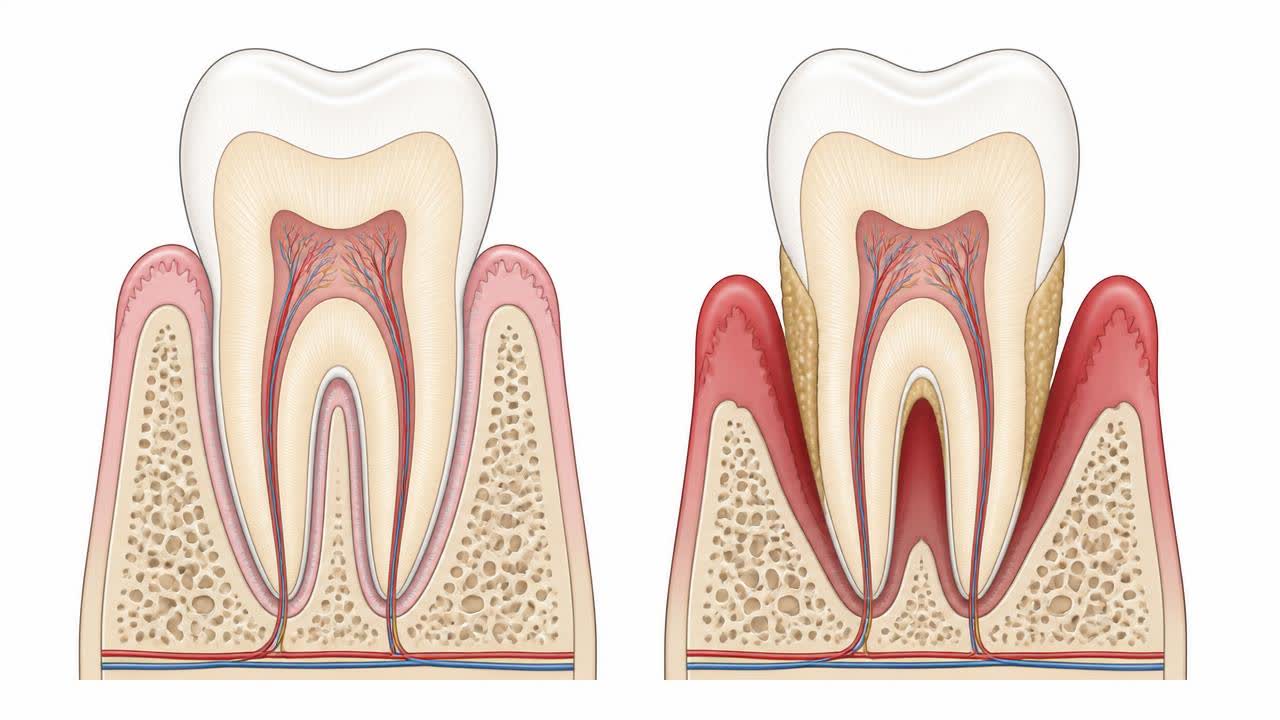
- The most frequent cause of bleeding gums is the accumulation of plaque—a sticky film of bacteria—along the gum line.
- Sometimes, bleeding gums are caused by aggressive brushing rather than gum disease.
- Hormonal fluctuations, particularly during pregnancy, puberty, or menopause, can make gums more susceptible to bleeding.
- Nutritional deficiencies, such as a lack of Vitamin C or Vitamin K, can occasionally lead to bleeding gums, as these vitamins are vital for tissue repair and blood clotting.
- Occasional bleeding might seem minor, but it is often a sign of an underlying issue that needs attention.
Plaque and Bacteria Build-up
The most frequent cause of bleeding gums is the accumulation of plaque—a sticky film of bacteria—along the gum line. When plaque is not removed through daily brushing and flossing, it causes the gums to become inflamed and tender. This inflammation, known as gingivitis, makes the gum tissue prone to bleeding, especially when disturbed by a toothbrush or dental floss.
Left untreated, this bacterial build-up can harden into tartar, which is impossible to remove with home cleaning methods. Tartar irritates the surrounding tissues further, maintaining a cycle of infection and bleeding. Professional cleaning at Dr. Amit Sharma Super Speciality Dental Hospital is necessary to remove this hardened calculus and allow your gums the opportunity to heal and return to a healthy, pink, and firm state.
Brushing Technique and Force
Sometimes, bleeding gums are caused by aggressive brushing rather than gum disease. Using a hard-bristled toothbrush or applying excessive pressure can cause physical trauma to your gum tissue, leading to cuts and sensitivity. It is important to use a soft-bristled brush and gentle, circular motions to clean your teeth effectively without damaging your delicate oral soft tissues or causing the gums to recede over time.
We often see patients who believe that harder scrubbing cleans their teeth better, but this is a misconception. If you are uncertain about your brushing technique, our dental team can demonstrate the correct method during your next appointment. Switching to a soft brush and adjusting your pressure can often resolve irritation-related bleeding quickly, allowing your gums to recover and become less sensitive to daily cleaning routines.
Hormonal Changes and Gum Health
Hormonal fluctuations, particularly during pregnancy, puberty, or menopause, can make gums more susceptible to bleeding. During these times, increased hormone levels can change how your body responds to the bacteria in plaque, often leading to increased sensitivity and redness. This phenomenon, often called pregnancy gingivitis, requires consistent dental care to ensure that the inflammation remains controlled and does not develop into a more serious periodontal condition.
If you are experiencing gum issues during pregnancy, do not ignore them. We provide safe, effective care for expectant mothers to manage gum health and maintain comfort. Hormonal-related gum sensitivity usually improves with professional dental support and meticulous oral hygiene. We are here to guide you through these changes, ensuring your oral health remains optimal while you focus on other aspects of your health and well-being.
Vitamin Deficiencies and Medications
Nutritional deficiencies, such as a lack of Vitamin C or Vitamin K, can occasionally lead to bleeding gums, as these vitamins are vital for tissue repair and blood clotting. Additionally, certain medications—including blood thinners, anticonvulsants, or some immunosuppressants—can contribute to gum tenderness or excessive bleeding. It is important to disclose all current medications to our dental team so we can provide a comprehensive and safe assessment.
When medication causes gum concerns, we work with your physician to determine if an alternative might be suitable, or we adapt your dental treatment plan accordingly. Do not stop taking prescribed medication without consulting your doctor first. Instead, inform us of your health history so we can manage your gum health proactively, ensuring that you receive the best care possible despite the impact of your daily health management.
When to Seek Professional Advice
Occasional bleeding might seem minor, but it is often a sign of an underlying issue that needs attention. If bleeding is persistent, accompanies significant swelling, or is associated with bad breath or mobile teeth, you should book an appointment immediately. At Dr. Amit Sharma Super Speciality Dental Hospital, we conduct a thorough assessment to identify the root cause of your symptoms and provide a personalised treatment plan for your recovery.
Proactive care is the hallmark of a healthy mouth. By addressing the cause of bleeding early, you avoid the complications associated with advanced periodontal disease and tooth loss. Our team is committed to helping you understand your oral health status and providing the necessary professional support to keep your gums healthy. Contact our helpline today if you are concerned about your gum health and need expert professional guidance.
Questions patients ask us
- Is it normal for my gums to bleed occasionally?
- No, healthy gums should not bleed. While minor trauma from aggressive brushing can cause temporary bleeding, persistent or recurrent bleeding is usually a sign of inflammation or early gum disease. It is best to have this assessed by a dentist to determine the exact cause.
- Can changing my toothbrush stop bleeding?
- If you are using a hard-bristled brush, switching to a soft brush can significantly help reduce physical irritation. However, if the bleeding is caused by plaque buildup or gingivitis, changing your brush alone will not be sufficient. You need professional cleaning to remove the source of the infection.
- What role does Vitamin C play in gum health?
- Vitamin C is essential for collagen production, which helps maintain the strength of your gum tissues. A severe deficiency can make your gums more susceptible to bleeding and infection. A balanced diet generally provides sufficient nutrients, but clinical concerns should always be discussed with a dental professional.
- Are certain medications known to cause bleeding gums?
- Yes, some medications, such as blood thinners (anticoagulants), can increase your tendency to bleed. Other medications can cause gum overgrowth or increased sensitivity. Always inform our team about your medical history and current prescriptions so we can tailor your dental treatment safely to your specific health needs.
Sources and further reading
Guidance from professional and public health bodies. Clinical decisions here are made on your own examination and radiographs.
- 1.EFP clinical practice guidelines for periodontitis — European Federation of Periodontology
- 2.Classification of periodontal and peri-implant diseases — American Academy of Periodontology
- 3.Prevention and treatment of periodontal diseases in practice — Scottish Dental Clinical Effectiveness Programme
- 4.Oral health — fact sheet and global status report — World Health Organization
- 5.Policy statements and oral health definitions — FDI World Dental Federation
- 6.Dental health — conditions, treatments and patient guidance — NHS (UK)
- 7.Systematic reviews of oral and dental interventions — Cochrane Oral Health
- 8.Regulatory framework and dental education standards in India — Dental Council of India
When to see us
Get examined without waiting if any of the following applies to you:
- Gums that bleed without provocation, or bleeding that has become heavier
- Teeth that feel loose, are drifting, or gaps that are opening up
- Persistent bad breath or taste, gum abscesses, or pus on pressing the gum
Get a written plan and cost before you commit
If this is what you are dealing with, the next step is a consultation with radiographs — gums & prevention cases are seen by the specialist who handles that field. You get a written plan and staged cost before anything begins.
reception@dramitsharmahospital.comThis article is general education and does not replace an in-person examination, radiographs or a diagnosis by a qualified dentist.
Clinical terms in this article
Related in Gums & Prevention
Bleeding Gums and Gum Disease: A Complete Guide
What bleeding gums usually mean, how gingivitis progresses into periodontal disease, and the treatment path from scaling to gum surgery.
Gum Disease: Detection and Treatment
From reversible gingivitis to periodontitis, the warning signs, staged treatment and the link to overall health.
Preventive Dentistry and Home Care
The routine that prevents most dental disease: brushing technique, interdental cleaning, diet and recall visits.
Chronic Bad Breath Caused by Gum Infection
Chronic bad breath, or halitosis, is frequently driven by underlying gum disease. Subgingival bacteria produce volatile sulphur compounds within periodontal pockets. Effective resolution requires professional periodontal debridement, targeted biofilm disruption, and meticulous daily interdental hygiene rather than cosmetic masking.
Loose Permanent Teeth from Advanced Periodontal Disease
Loose teeth from advanced gum disease occur when severe chronic inflammation destroys the supporting alveolar bone and periodontal ligament. With timely periodontal therapy, splinting, and meticulous plaque control, many loose teeth can be stabilised and preserved without extraction.
Furcation Involvement and Bone Loss Between Roots
Furcation involvement describes bone loss between the roots of multi-rooted molars caused by advanced periodontal disease. This clinical guide explains its causes, diagnostic staging, surgical and non-surgical therapies, daily maintenance, and red flag symptoms requiring urgent care.