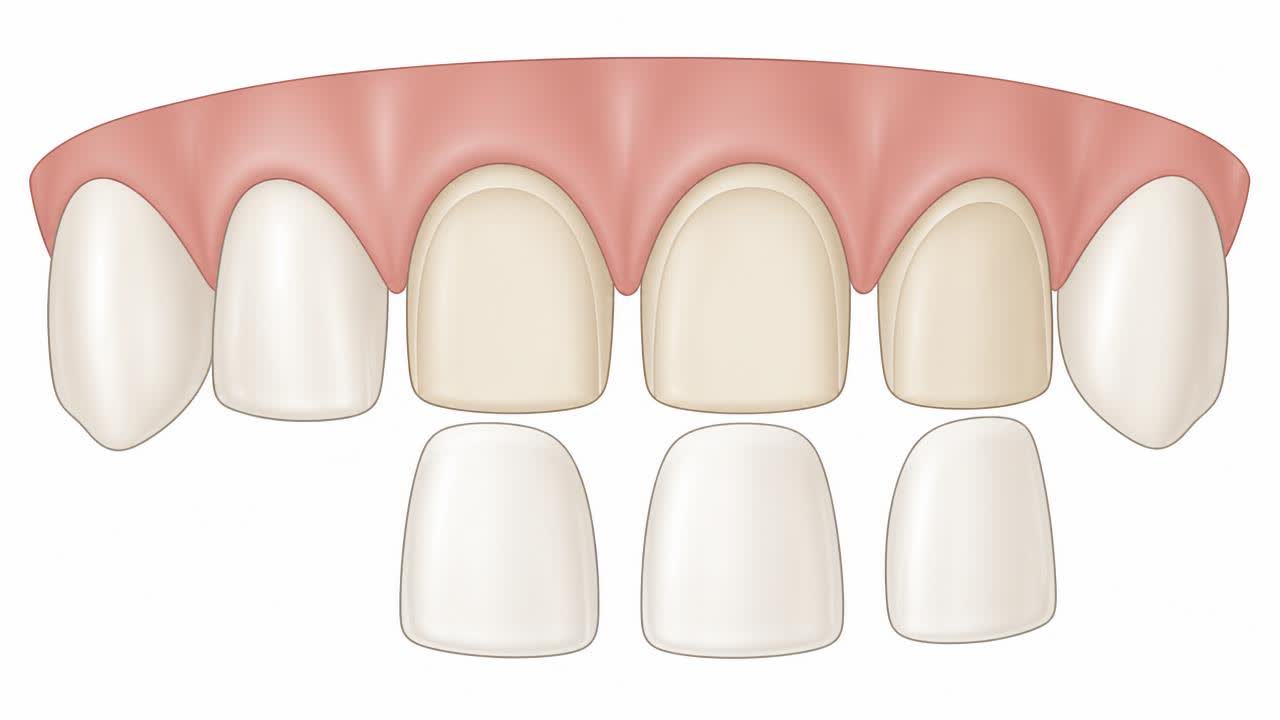
At a glance
- Zirconia has revolutionized restorative dentistry, providing a biocompatible material that combines the strength of metal with the aesthetic appeal of porcelain.
- One of the primary advantages of zirconia is its incredible fracture toughness, which exceeds that of almost all other dental ceramics.
- Zirconia is a metal-free material, which significantly reduces the risk of allergic reactions or sensitivities that some patients experience with nickel or chrome alloys.
- Modern zirconia crowns are typically fabricated using advanced CAD/CAM technology, which ensures an exceptionally precise fit over the prepared tooth structure.
- Maintaining a zirconia crown is straightforward and involves the same dedicated oral hygiene practices required for your natural teeth.
The Rise of Zirconia in Modern Dentistry
Zirconia has revolutionized restorative dentistry, providing a biocompatible material that combines the strength of metal with the aesthetic appeal of porcelain. At Dr. Amit Sharma Super Speciality Dental Hospital in Jaipur, we utilise high-grade zirconia to ensure that every patient receives a crown that is both durable and beautiful. This crystalline mineral is exceptionally tough, making it ideal for molars that endure heavy chewing forces.
Patients often choose zirconia because it is virtually indestructible and does not cause the grey line often seen at the gum margin with traditional metal-based crowns. Its translucent properties allow it to mimic the light-reflecting qualities of natural teeth, ensuring a seamless blend with your existing smile. Our clinic focuses on providing these advanced restorations to enhance both the function and appearance of your teeth.
Biocompatibility and Gum Health Benefits
Zirconia is a metal-free material, which significantly reduces the risk of allergic reactions or sensitivities that some patients experience with nickel or chrome alloys. Its smooth surface finish is gentle on the surrounding gum tissues, promoting healthy gingival attachment and reducing the likelihood of inflammation. This biocompatibility is crucial for maintaining overall oral health while achieving a beautiful, restored smile for our patients.
Because zirconia does not conduct heat or cold as readily as metal, patients often report less post-operative sensitivity to temperature changes. This improved comfort makes the transition to a new crown much easier and more pleasant. At Dr. Amit Sharma's hospital, we prioritize your comfort and health by selecting materials that work in harmony with your body’s natural biological processes and tissues.
Precision Fitting with Digital Technology
Modern zirconia crowns are typically fabricated using advanced CAD/CAM technology, which ensures an exceptionally precise fit over the prepared tooth structure. This digital workflow allows for microscopic accuracy, reducing the gap between the crown and the tooth where bacteria could potentially hide. A tighter seal not only protects the underlying tooth from further decay but also ensures the crown feels completely natural.
During the digital design process, our specialists can customize the shape and contour of the zirconia crown to match your bite perfectly. This attention to detail prevents issues with jaw alignment or discomfort during eating. The result is a restoration that looks, feels, and functions just like a natural tooth, allowing you to speak and smile with total confidence and ease.
Caring for Your New Zirconia Crown
Maintaining a zirconia crown is straightforward and involves the same dedicated oral hygiene practices required for your natural teeth. Regular brushing with a non-abrasive fluoride toothpaste and daily flossing are essential to keep the surrounding gums healthy and the crown plaque-free. Although the crown itself cannot decay, the tooth structure underneath is still vulnerable if hygiene is neglected or poorly maintained.
We also recommend attending regular check-ups at our Jaipur hospital so that Dr. Amit Sharma can monitor the condition of your restoration. During these visits, we can ensure the crown remains securely cemented and that your bite stays properly adjusted. By following these simple maintenance steps, you can enjoy the full aesthetic and functional benefits of your high-quality zirconia crown for a lifetime.
Strength and Longevity of Zirconia Restorations
One of the primary advantages of zirconia is its incredible fracture toughness, which exceeds that of almost all other dental ceramics. This makes it a preferred choice for patients who may suffer from bruxism or heavy grinding habits, as it can withstand significant pressure without chipping. When properly cared for, these crowns can last for many years, providing a reliable solution for damaged or decayed teeth.
Beyond its physical strength, zirconia is also highly resistant to wear and corrosion within the oral environment. This stability ensures that the crown maintains its integrity and polish over time, resisting stains and bacterial accumulation. By choosing zirconia at our Jaipur facility, you are investing in a long-term dental solution that minimizes the need for frequent replacements or repairs in the future.
Questions patients ask us
- How long do zirconia crowns typically last?
- With excellent oral hygiene and regular dental check-ups, zirconia crowns can last between ten to fifteen years or even longer. Their exceptional strength makes them resistant to the daily stresses of chewing and grinding, ensuring they remain a durable and reliable part of your smile for many years.
- Will a zirconia crown look natural?
- Yes, zirconia is highly valued for its translucent properties which closely mimic natural tooth enamel. Our specialists at Dr. Amit Sharma's hospital carefully match the shade and shape of the crown to your surrounding teeth, ensuring a seamless and aesthetic result that enhances your overall facial appearance and confidence.
- Is the procedure for a zirconia crown painful?
- The process is similar to getting any other crown and is typically performed under local anaesthesia to ensure you remain comfortable. You may experience some mild sensitivity for a few days after the procedure, but this quickly subsides as you adjust to your high-quality, biocompatible zirconia restoration in Jaipur.
- Are zirconia crowns better than porcelain-fused-to-metal?
- Zirconia offers superior strength and better aesthetics compared to PFM crowns, as there is no metal base to cause dark lines at the gums. Additionally, zirconia is more biocompatible and less likely to cause sensitivities, making it a modern and highly recommended choice for both front and back teeth.
Sources and further reading
Guidance from professional and public health bodies. Clinical decisions here are made on your own examination and radiographs.
- 1.Whitening, bonding and veneers — patient information — American Dental Association
- 2.Guidance on tooth whitening and cosmetic dental treatment — British Dental Association
- 3.Oral health — fact sheet and global status report — World Health Organization
- 4.Policy statements and oral health definitions — FDI World Dental Federation
- 5.Dental health — conditions, treatments and patient guidance — NHS (UK)
- 6.Systematic reviews of oral and dental interventions — Cochrane Oral Health
- 7.Regulatory framework and dental education standards in India — Dental Council of India
When to see us
Get examined without waiting if any of the following applies to you:
- Sensitivity or pain that continues for more than a few days after cosmetic work
- A veneer, crown or bonded restoration that has chipped, debonded or feels high in the bite
- Gum inflammation or dark margins developing at the edge of a restoration
Get a written plan and cost before you commit
If this is what you are dealing with, the next step is a consultation with radiographs — cosmetic & smile design cases are seen by the specialist who handles that field. You get a written plan and staged cost before anything begins.
reception@dramitsharmahospital.comThis article is general education and does not replace an in-person examination, radiographs or a diagnosis by a qualified dentist.
Clinical terms in this article
Related in Cosmetic & Smile Design
Dental Crowns and Bridges: What They Are and When You Need One
How crowns and bridges restore damaged or missing teeth, the materials used, and what the process and aftercare involve.
Teeth Whitening and Tooth Stains: Causes and Treatment Options
Why teeth discolour over time, the difference between surface stains and deeper discolouration, and how professional whitening compares with home options.
Smile Makeover and Digital Smile Design
How veneers, bonding, whitening and gum contouring are combined into one planned cosmetic outcome.
Teeth Whitening: What Actually Works
In-office versus home whitening, realistic expectations, sensitivity management and what whitening cannot fix.
Black Triangles Between Teeth Causes and Treatment
Open gingival embrasures, commonly called black triangles between teeth and gums, occur when the interdental papilla recedes. Explore the anatomical causes, clinical classifications, restorative and orthodontic treatments, and long-term periodontal maintenance strategies.
Internal Tooth Bleaching for Discolored Nonvital Teeth
Internal tooth bleaching after root canal treatment is a conservative endodontic procedure that lightens intrinsically discoloured, non-vital teeth from within the pulp chamber, restoring natural aesthetics without requiring extensive structural removal for crowns or veneers.