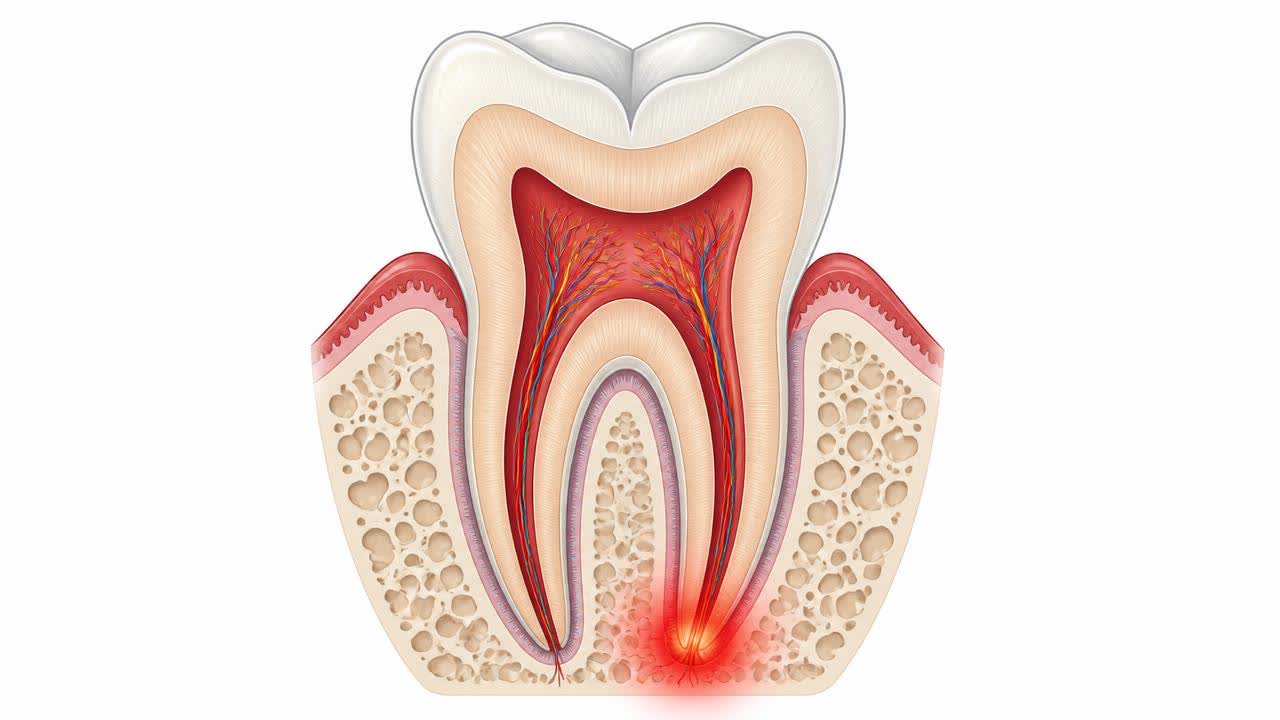
At a glance
- Tooth sensitivity, medically known as dentine hypersensitivity, occurs when the protective enamel layer covering the tooth or the gum tissue covering the root has worn away or receded, exposing the underlying dentine.
- Frequent causes include aggressive tooth brushing with a hard-bristled brush, which gradually wears away enamel and causes gum recession, as well as acidic diets involving frequent consumption of citrus fruits, carbonated drinks,…
- Your dentist may recommend a desensitising toothpaste containing potassium nitrate or stannic fluoride, which works by blocking the dentine tubules over regular use.
- If sensitivity is localised to a single tooth, is worsening over time, lingers for more than a few seconds after the stimulus is removed, or is accompanied by pain while biting, this may indicate a deeper issue such as decay, a…
Understanding Tooth Sensitivity
Tooth sensitivity, medically known as dentine hypersensitivity, occurs when the protective enamel layer covering the tooth or the gum tissue covering the root has worn away or receded, exposing the underlying dentine. Dentine contains microscopic tubules that lead directly to the nerve, so when it is exposed, hot, cold, sweet, or even cold air can trigger a sharp, brief pain.
This is an extremely common complaint, and while it is often manageable, persistent or worsening sensitivity should always be evaluated, as it can sometimes signal an underlying issue such as decay or a cracked tooth rather than simple enamel wear.
Common Causes
Frequent causes include aggressive tooth brushing with a hard-bristled brush, which gradually wears away enamel and causes gum recession, as well as acidic diets involving frequent consumption of citrus fruits, carbonated drinks, or pickled foods, which are common in many Indian households and can erode enamel over time.
Other causes include teeth grinding at night, gum disease leading to root exposure, recent teeth whitening procedures, and untreated tooth decay or cracked fillings. Identifying the specific cause is important because the management approach differs depending on the underlying reason.
Professional and At-Home Management
Your dentist may recommend a desensitising toothpaste containing potassium nitrate or stannic fluoride, which works by blocking the dentine tubules over regular use. In-clinic treatments such as fluoride varnish application, desensitising agents, or bonding resin over exposed root surfaces can provide more immediate relief for persistent cases.
Switching to a soft-bristled toothbrush, using gentle circular brushing technique rather than aggressive scrubbing, and moderating intake of acidic foods and drinks can meaningfully reduce further enamel and gum wear. If grinding is contributing to the problem, a custom night guard may be recommended to protect the teeth during sleep.
When Sensitivity Signals a Bigger Problem
If sensitivity is localised to a single tooth, is worsening over time, lingers for more than a few seconds after the stimulus is removed, or is accompanied by pain while biting, this may indicate a deeper issue such as decay, a cracked tooth, or pulp inflammation requiring more than desensitising treatment.
A thorough dental examination, sometimes including an X-ray, can distinguish between simple sensitivity and a more significant underlying problem, ensuring the correct treatment is provided rather than masking a developing issue with desensitising products alone.
Questions patients ask us
- Why do my teeth hurt when I drink cold water?
- This is usually due to exposed dentine, often from enamel wear, gum recession, or a small area of decay, allowing temperature changes to stimulate the nerve inside the tooth. A dental check-up can identify the exact cause and appropriate treatment.
- Can toothpaste alone fix tooth sensitivity?
- Desensitising toothpaste can significantly reduce mild to moderate sensitivity with consistent use over several weeks, but it will not address underlying causes such as decay, cracks, or significant gum recession, which require professional dental treatment.
- Is tooth sensitivity a sign of decay?
- It can be, particularly if the sensitivity is localised to one tooth, worsening, or accompanied by pain on biting. However, generalised sensitivity across many teeth is more commonly related to enamel wear or gum recession rather than decay.
- How can I prevent tooth sensitivity from getting worse?
- Using a soft-bristled toothbrush with gentle technique, limiting frequent acidic food and drink intake, and having regular dental check-ups to catch early enamel or gum changes can all help prevent sensitivity from progressing further.
Sources and further reading
Guidance from professional and public health bodies. Clinical decisions here are made on your own examination and radiographs.
- 1.Endodontic diagnosis terminology and treatment guidance — American Association of Endodontists
- 2.Guidelines for the management of traumatic dental injuries — International Association of Dental Traumatology
- 3.Antimicrobial prescribing for dental infection — NICE (UK)
- 4.Oral health — fact sheet and global status report — World Health Organization
- 5.Policy statements and oral health definitions — FDI World Dental Federation
- 6.Dental health — conditions, treatments and patient guidance — NHS (UK)
- 7.Systematic reviews of oral and dental interventions — Cochrane Oral Health
- 8.Regulatory framework and dental education standards in India — Dental Council of India
When to see us
Get examined without waiting if any of the following applies to you:
- Facial or neck swelling, difficulty swallowing, opening the mouth or breathing — this is an emergency
- Pain with fever, or swelling that is spreading rather than settling
- A tooth knocked out or pushed out of position after an injury — time matters
- Pain that wakes you at night or does not respond to ordinary painkillers
Get a written plan and cost before you commit
If this is what you are dealing with, the next step is a consultation with radiographs — pain & emergencies cases are seen by the specialist who handles that field. You get a written plan and staged cost before anything begins.
reception@dramitsharmahospital.comThis article is general education and does not replace an in-person examination, radiographs or a diagnosis by a qualified dentist.
Clinical terms in this article
Related in Pain & Emergencies
Tooth Pain and Sensitivity: Causes, Relief and When to See a Dentist
Why teeth hurt or react to hot and cold, the difference between everyday sensitivity and a warning sign, and what treatment usually follows.
Root Canal Treatment Explained
Why a tooth needs root canal therapy, what happens during single-sitting endodontics, and why crowns follow.
Tooth Pain and Dental Emergencies
How to identify a genuine dental emergency, what to do in the first hour, and when to call the hospital immediately.
Reversible vs Irreversible Pulpitis Symptoms and Treatment Options
Understanding reversible vs irreversible pulpitis is essential when managing dental pain. This guide explains their anatomical causes, diagnostic criteria, clinical symptoms, and evidence-based treatments ranging from conservative restorations to root canal therapy and emergency care.
Differences Between a Tooth Abscess and Gum Abscess
A dental abscess is a localised collection of pus caused by bacterial infection. Distinguishing between a tooth abscess (periapical) and a gum abscess (periodontal) is vital, as their anatomical origins, clinical presentations, diagnostic pathways, and definitive treatments differ fundamentally.
Why Tooth Pain Gets Worse When Lying Down
Experiencing toothache worse lying down typically indicates elevated pulpal or periapical pressure driven by increased cranial blood flow when supine. This guide explains pulpal anatomy, underlying causes, diagnostic pathways, evidence-based treatments, and critical red flags requiring emergency care.