At a glance
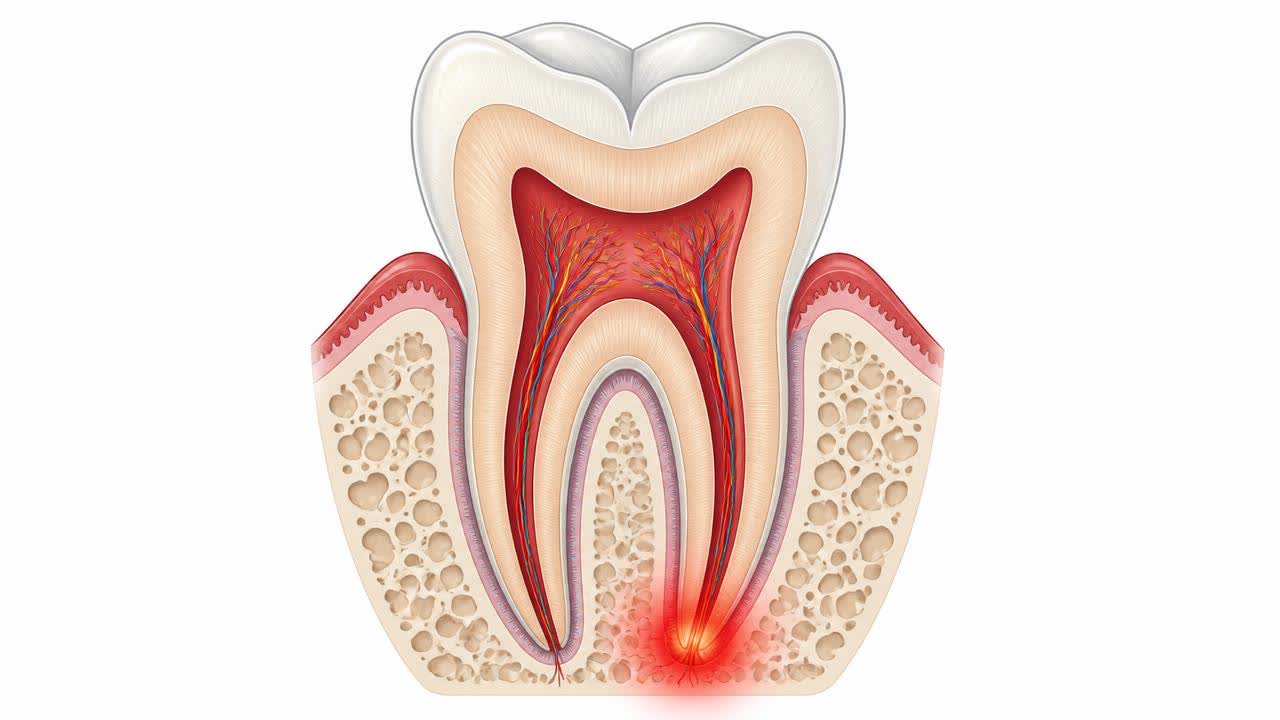
- Root canal treatment, also called endodontic therapy, is a procedure used to save a tooth whose inner pulp tissue has become infected or inflamed, usually due to deep decay, a cracked tooth, or repeated dental procedures on the…
- Common warning signs include lingering sensitivity to hot or cold that persists for more than a few seconds, spontaneous throbbing pain, tenderness when biting or chewing, and swelling of the gum near a particular tooth.
- The treatment begins with local anaesthesia to numb the tooth and surrounding gum completely.
- Mild soreness in the treated area and surrounding gum is normal for two to three days following the procedure, particularly when chewing.
- Root canal treatment has a high long-term success rate when performed with modern techniques, proper isolation, and a well-fitted final restoration.
What Is Root Canal Treatment
Root canal treatment, also called endodontic therapy, is a procedure used to save a tooth whose inner pulp tissue has become infected or inflamed, usually due to deep decay, a cracked tooth, or repeated dental procedures on the same tooth. The pulp contains nerves and blood vessels, and once it is irreversibly damaged, it cannot heal on its own and must be removed to prevent the infection from spreading to the surrounding bone.
In India, many patients delay treatment out of fear of the procedure, often relying on painkillers for months. This delay allows the infection to worsen, sometimes leading to swelling, abscess formation, or loss of the tooth. Modern root canal treatment, performed with local anaesthesia and precise instruments, is generally no more uncomfortable than having a filling placed.
Signs You May Need a Root Canal
Common warning signs include lingering sensitivity to hot or cold that persists for more than a few seconds, spontaneous throbbing pain, tenderness when biting or chewing, and swelling of the gum near a particular tooth. Some patients notice darkening of the tooth or a small pimple-like bump on the gum, which indicates a draining abscess.
It is important to note that a tooth can sometimes be silently infected without obvious pain, which is why routine dental X-rays are valuable. Dr Amit Sharma Super Speciality Dental Hospital uses digital radiographs to detect such hidden infections early, before they cause significant bone loss around the root tip.
The Step-by-Step Procedure
The treatment begins with local anaesthesia to numb the tooth and surrounding gum completely. A rubber sheet called a dental dam is placed to isolate the tooth and keep it dry and free of saliva, which improves the success rate of the treatment. An opening is then made through the top of the tooth to access the pulp chamber and root canals.
Using fine instruments and irrigating solutions, the infected or dead pulp tissue is carefully removed and the canals are cleaned, shaped, and disinfected. Once the canals are free of infection, they are filled with a biocompatible material called gutta-percha and sealed. Depending on the complexity of the canal anatomy, this may be completed in one visit or spread across two appointments.
After the canal system is sealed, the tooth usually requires a filling or, more commonly, a crown to restore its strength, since a root-treated tooth becomes more brittle over time without its blood supply. Delaying this final restoration increases the risk of fracture.
What to Expect During Recovery
Mild soreness in the treated area and surrounding gum is normal for two to three days following the procedure, particularly when chewing. This is generally well managed with the pain relief medication prescribed by your dentist and typically settles without further intervention.
You should avoid chewing hard foods on the treated side until the permanent restoration is placed, as an unprotected tooth is vulnerable to cracking. Most patients return to normal eating and speaking within a day, and the vast majority of root-treated teeth function comfortably for many years when properly restored and maintained.
Success Rates and Long-Term Outlook
Root canal treatment has a high long-term success rate when performed with modern techniques, proper isolation, and a well-fitted final restoration. Regular dental check-ups allow early detection of any recurring infection, which can sometimes be managed through re-treatment or minor surgery if needed.
Choosing an experienced endodontic team and following through with the recommended crown or filling significantly improves the longevity of the treated tooth, often allowing it to last a lifetime alongside good oral hygiene.
Questions patients ask us
- Is root canal treatment painful?
- With modern local anaesthesia, the procedure itself is generally painless. Most patients feel only mild pressure during treatment, and any soreness afterwards is temporary and manageable with prescribed medication. Fear of pain should not delay treatment, as untreated infection typically causes far greater discomfort.
- How many visits does root canal treatment usually take?
- Many straightforward cases can be completed in a single visit, while teeth with complex canal anatomy or active infection may require two appointments to ensure thorough disinfection. Your dentist will assess your tooth and advise the most appropriate approach for a predictable outcome.
- Can I eat normally after a root canal?
- You can eat soft foods soon after the anaesthesia wears off, but it is best to avoid chewing on the treated tooth until a permanent filling or crown is placed, since the tooth is temporarily weaker and more prone to fracture.
- Will the tooth need a crown after root canal treatment?
- Most back teeth benefit from a crown after root canal treatment because the procedure removes tooth structure and the internal blood supply, making the tooth more brittle. A crown protects it from fracture during everyday chewing and helps it last much longer.
- What happens if I ignore an infected tooth instead of getting treatment?
- Ignoring an infected tooth allows bacteria to spread into the surrounding bone, which can cause abscess formation, facial swelling, and eventually loss of the tooth. In some cases the infection can also affect general health, so prompt treatment is strongly advised.
Sources and further reading
Guidance from professional and public health bodies. Clinical decisions here are made on your own examination and radiographs.
- 1.Endodontic diagnosis terminology and treatment guidance — American Association of Endodontists
- 2.Guidelines for the management of traumatic dental injuries — International Association of Dental Traumatology
- 3.Antimicrobial prescribing for dental infection — NICE (UK)
- 4.Oral health — fact sheet and global status report — World Health Organization
- 5.Policy statements and oral health definitions — FDI World Dental Federation
- 6.Dental health — conditions, treatments and patient guidance — NHS (UK)
- 7.Systematic reviews of oral and dental interventions — Cochrane Oral Health
- 8.Regulatory framework and dental education standards in India — Dental Council of India
When to see us
Get examined without waiting if any of the following applies to you:
- Facial or neck swelling, difficulty swallowing, opening the mouth or breathing — this is an emergency
- Pain with fever, or swelling that is spreading rather than settling
- A tooth knocked out or pushed out of position after an injury — time matters
- Pain that wakes you at night or does not respond to ordinary painkillers
Get a written plan and cost before you commit
If this is what you are dealing with, the next step is a consultation with radiographs — pain & emergencies cases are seen by the specialist who handles that field. You get a written plan and staged cost before anything begins.
reception@dramitsharmahospital.comThis article is general education and does not replace an in-person examination, radiographs or a diagnosis by a qualified dentist.
Clinical terms in this article
Related in Pain & Emergencies
Tooth Pain and Sensitivity: Causes, Relief and When to See a Dentist
Why teeth hurt or react to hot and cold, the difference between everyday sensitivity and a warning sign, and what treatment usually follows.
Root Canal Treatment Explained
Why a tooth needs root canal therapy, what happens during single-sitting endodontics, and why crowns follow.
Tooth Pain and Dental Emergencies
How to identify a genuine dental emergency, what to do in the first hour, and when to call the hospital immediately.
Reversible vs Irreversible Pulpitis Symptoms and Treatment Options
Understanding reversible vs irreversible pulpitis is essential when managing dental pain. This guide explains their anatomical causes, diagnostic criteria, clinical symptoms, and evidence-based treatments ranging from conservative restorations to root canal therapy and emergency care.
Differences Between a Tooth Abscess and Gum Abscess
A dental abscess is a localised collection of pus caused by bacterial infection. Distinguishing between a tooth abscess (periapical) and a gum abscess (periodontal) is vital, as their anatomical origins, clinical presentations, diagnostic pathways, and definitive treatments differ fundamentally.
Why Tooth Pain Gets Worse When Lying Down
Experiencing toothache worse lying down typically indicates elevated pulpal or periapical pressure driven by increased cranial blood flow when supine. This guide explains pulpal anatomy, underlying causes, diagnostic pathways, evidence-based treatments, and critical red flags requiring emergency care.