At a glance
- Tooth enamel represents the hardest biological tissue in the human body, composed primarily of an inorganic crystalline lattice known as carbonated hydroxyapatite.
- Dental caries is a dynamic, multifactorial biofilm-mediated disease rather than a simple infectious event.
- In its earliest phases, demineralisation presents sub-clinically before progressing to visible optical alterations on the enamel surface.
- A comprehensive dental examination for caries risk begins with visual and tactile assessment using direct illumination, clean tooth surfaces, and compressed air drying.
- Standardised frameworks, such as the International Caries Detection and Assessment System (ICDAS), allow clinicians to track the progression or arrest of lesions objectively over time.
Understanding Prescription High Fluoride Toothpaste and Enamel Anatomy
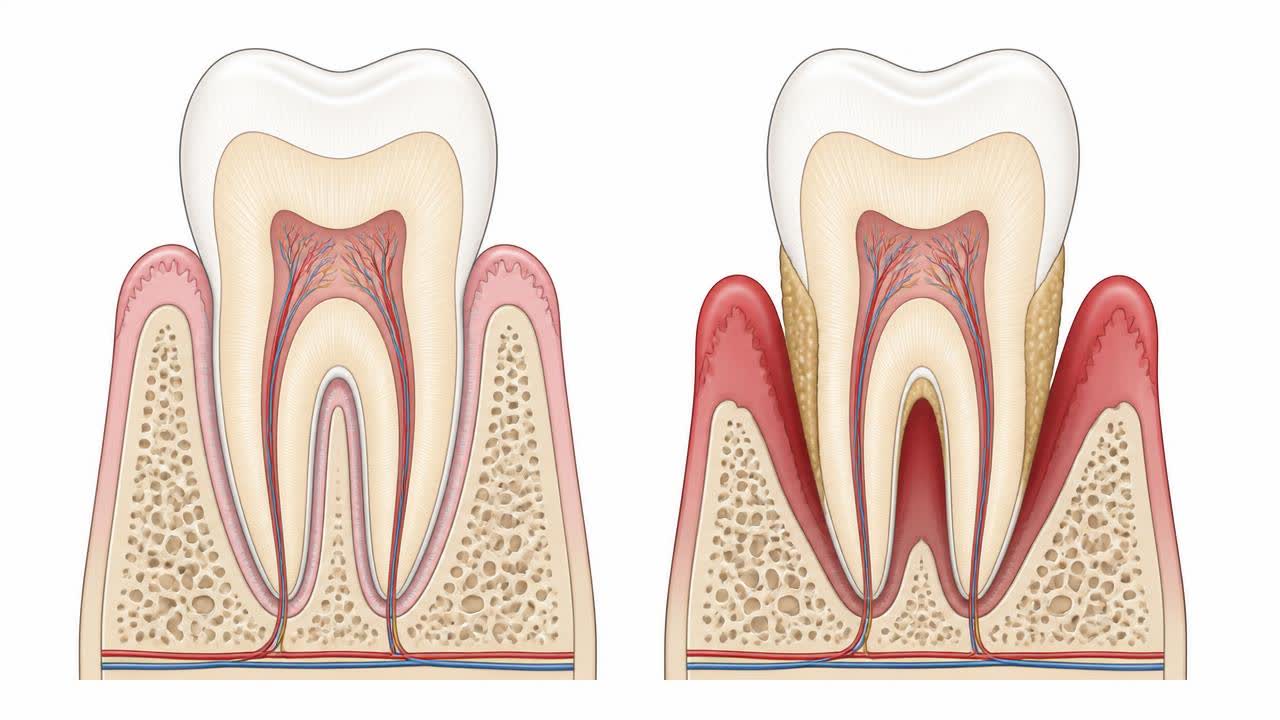
Tooth enamel represents the hardest biological tissue in the human body, composed primarily of an inorganic crystalline lattice known as carbonated hydroxyapatite. Beneath the protective enamel cap lies dentine, a softer, vital tissue traversed by thousands of microscopic dentinal tubules leading directly to the dental pulp. When cariogenic bacteria metabolise dietary carbohydrates, they produce organic acids that diffuse into the porous enamel matrix. These acids dissociate hydrogen ions, dissolving calcium and phosphate from the crystalline lattice in a process known as demineralisation.
Over-the-counter dentifrices generally supply 1,000 to 1,500 parts per million (ppm) of fluoride, which provides baseline protection for low-to-moderate-risk individuals. Conversely, high fluoride prescription toothpaste is a specialised topical pharmaceutical containing elevated concentrations—most commonly 2,800 ppm (0.619% sodium fluoride) or 5,000 ppm (1.1% sodium fluoride). This pharmacological concentration drives the formation of calcium fluoride-like reservoirs on the tooth surface. When acid challenges occur, these reservoirs release fluoride ions that incorporate into remineralising enamel, creating fluorapatite, which is substantially more resistant to subsequent acid dissolution.
Diagnostic Assessment and Caries Risk Categorisation
A comprehensive dental examination for caries risk begins with visual and tactile assessment using direct illumination, clean tooth surfaces, and compressed air drying. Modern restorative dentistry discourages the forceful use of sharp explorers or dental probes on non-cavitated lesions, as mechanical pressure can fracture fragile, remineralisable surface enamel and transform an arrestable lesion into an irreversible physical cavity. Dentists carefully assess plaque distribution, active bleeding on probing, and the visual appearance of all smooth, occlusal, and interproximal margins.
To evaluate interproximal surfaces that cannot be visualised directly, clinicians use bitewing radiographs. Radiographically, demineralisation manifests as radiolucent (darker) zones within the radiopaque (lighter) enamel and dentine. Formal Caries Risk Assessment (CRA) systems categorise patients into low, moderate, high, or extreme risk tiers. A patient is universally classified as high risk if they exhibit one or more active cavitated lesions, multiple restorations placed in the preceding three years, exposed root surfaces, severely reduced salivary flow rates, or extensive orthodontic and prosthetic appliances.
Clinical Presentation: Signs of Active Demineralisation
In its earliest phases, demineralisation presents sub-clinically before progressing to visible optical alterations on the enamel surface. The earliest perceptible sign of an active carious lesion is the 'white spot lesion'. These lesions appear chalky, opaque, and matt when dried thoroughly with air, representing subsurface mineral loss with an intact outer surface. At this early stage, the lesion remains non-cavitated and biologically capable of full remineralisation if an optimal chemical environment is established using therapeutic agents like high fluoride prescription toothpaste.
If the pathological imbalance persists, microcavitation occurs, ultimately collapsing the unsupported enamel shell to reveal an open cavity. In patients with exposed root surfaces, active root caries presents as yellowish-brown, softened, tacky lesions along the cementoenamel junction. Patients may remain entirely asymptomatic during early demineralisation, or they may report transient thermal sensitivity to cold fluids or hyperosmotic stimuli, such as concentrated sugars. Persistent spontaneous pain indicates advanced pulpal inflammation requiring invasive endodontic intervention rather than purely preventative chemotherapeutics.
Staging and Classification of Carious Lesions
Standardised frameworks, such as the International Caries Detection and Assessment System (ICDAS), allow clinicians to track the progression or arrest of lesions objectively over time. ICDAS classifies coronal caries along a spectrum from code 0 (sound tooth surface) to code 6 (extensive distinct cavity with visible dentine). Codes 1 and 2 represent initial enamel changes—first visual change in enamel visible only after drying, and distinct visual change visible on wet enamel, respectively. These initial stages are the primary targets for remineralisation therapies.
Codes 3 and 4 denote localised enamel breakdown and underlying dark dentine shadows, whereas codes 5 and 6 represent distinct, extensive cavitations. Root caries is similarly classified according to surface texture, colour, and lesion depth. An active root lesion feels leathery or soft under light exploration, whereas an arrested (inactivated) root lesion transitions to a hard, smooth, and frequently dark brown or black surface. Prescription fluoride regimens aim to arrest active lesions across ICDAS codes 1 through 3 and convert active root softening into stable, arrested mineral matrices.
Comparative Formulations: Standard vs High Fluoride Regimens
The primary justification for escalating from standard over-the-counter toothpaste to high fluoride prescription toothpaste lies in the concentration-dependent kinetics of remineralisation. Standard formulations containing 1,000 to 1,450 ppm sodium fluoride or sodium monofluorophosphate are highly effective for population-level baseline maintenance. However, in patients subjected to heavy cariogenic challenges or reduced salivary defence, standard formulations cannot supply enough fluoride ions to overcome persistent acid-induced mineral depletion.
Formulations delivering 5,000 ppm sodium fluoride provide roughly a fourfold increase in available fluoride ions compared to standard dentifrices. This marked concentration gradient accelerates the diffusion of mineral-building ions into the deeper porosities of subsurface enamel lesions. While professional in-office applications, such as 22,600 ppm sodium fluoride varnishes, deliver concentrated therapy semi-annually, daily home administration of 5,000 ppm toothpaste provides continuous chemical suppression of bacterial enzymes and sustained saturation of the oral fluid phase, offering superior everyday protection for compromised dentitions.
The Clinical Prescription Process Step-by-Step
Obtaining high fluoride prescription toothpaste requires a formal clinical consultation with a registered dental professional or medical doctor. The appointment begins with a detailed medical, pharmacotherapeutic, and dietary history to identify predisposing systemic factors. The clinician evaluates current oral hygiene habits, dietary sugar frequency, intake of acidic beverages, and any use of traditional tobacco or areca preparations. Following this, the dentist performs an intraoral examination, takes appropriate diagnostic radiographs, and calculates the patient's individualised caries risk tier.
Once a high-risk status is confirmed, the practitioner writes a formal prescription tailored to the patient's age and health status. In most jurisdictions, 5,000 ppm dentifrices are licensed exclusively for patients aged 16 years and older (with some 2,800 ppm preparations licensed for individuals aged 10 or 12 years and above). The clinician provides explicit oral and written instructions regarding precise dosage and brushing techniques, ensuring the patient understands that high-fluoride dentifrices are therapeutic pharmaceuticals designed to replace, rather than supplement, their routine daily toothpaste.
Safety Profile, Potential Adverse Effects, and Toxicity
When used topically according to clinical directions, high-fluoride toothpaste demonstrates an outstanding safety profile in adults and older adolescents. Because the vast majority of the dentifrice is expectorated, systemic absorption remains negligible. The primary adverse effect linked to excessive systemic fluoride ingestion during early childhood (under 8 years of age) is dental fluorosis, a permanent developmental disturbance of enamel ameloblasts causing hypomineralisation. Consequently, 5,000 ppm formulations are strictly contraindicated in young children whose permanent anterior teeth are still undergoing crown development.
Acute toxicity requires the ingestion of substantial quantities of toothpaste. The probable toxic dose of elemental fluoride is established at 5 milligrams per kilogram of body weight. Accidental ingestion of a small, dispensed dose by an adult produces minor, transient gastric irritation due to the formation of hydrofluoric acid upon contact with gastric secretions. If an entire tube is accidentally ingested—particularly by a young child—immediate emergency medical care is mandatory, and first-aid measures include administering oral calcium sources (such as milk) to bind free fluoride ions in the stomach.
Long-Term Caries Management and Red Flag Symptoms
Prescription toothpaste represents one fundamental pillar of a comprehensive, long-term caries control strategy; it cannot compensate entirely for an unmitigated cariogenic diet or severe plaque accumulation. Successful maintenance demands dietary modification, specifically reducing the frequency of fermentable carbohydrate and sucrose consumption between meals. Patients should attend structured recall intervals every three to six months for professional prophylaxis, application of high-potency fluoride varnishes, and serial monitoring of previously recorded active white spots and root lesions.
Patients must understand the boundaries of medical caries arrest and recognise critical red flag symptoms that necessitate immediate, unscheduled clinical intervention. High-fluoride dentifrices cannot repair gross structural collapse or reverse deep pulpal inflammation. Red flags requiring urgent evaluation include sharp, lingering pain triggered by thermal stimuli, spontaneous or unprovoked toothaches disturbing sleep, severe localised pain on biting, visible facial or submandibular swelling, and purulent drainage (pus) from the gingival tissues. These symptoms signal irreversible pulpitis or acute periapical infection requiring urgent operative or endodontic intervention.
Evidence and further reading
The efficacy of high-concentration sodium fluoride toothpastes in controlling and arresting dental caries is supported by extensive scientific literature. Systematic reviews conducted by the Cochrane Oral Health Group consistently demonstrate a clear dose-response relationship between fluoride concentration in dentifrices and caries-preventive efficacy. Formulations containing 5,000 ppm sodium fluoride consistently exhibit statistically superior enamel remineralisation, reduced caries increment, and higher rates of root caries arrest compared to standard 1,100 to 1,450 ppm toothpastes in high-risk cohorts.
Authoritative clinical guidelines from bodies such as the American Dental Association (ADA), the FDI World Dental Federation, the National Institute for Health and Care Excellence (NICE), and the European Federation of Periodontology endorse the targeted use of high-fluoride dentifrices. Landmark publications across the Journal of Dental Research, the British Dental Journal, and the Journal of the American Dental Association affirm that for xerostomic patients, older adults with exposed root architecture, and patients undergoing complex orthodontics, daily prescription high-fluoride toothpastes provide a clinically proven, cost-effective standard of preventative care.
Aetiology: Why High Decay Risk Occurs
Dental caries is a dynamic, multifactorial biofilm-mediated disease rather than a simple infectious event. When acid production outpaces the remineralising capacity of saliva over extended periods, irreversible structural loss occurs. Several biological and behavioural factors can elevate an individual's caries risk profile. Foremost among these is salivary hypofunction or xerostomia (dry mouth). Saliva provides critical protective mechanisms, including mechanical clearance of food debris, chemical buffering of acids via bicarbonate ions, and the continuous supply of calcium and phosphate ions for physiological remineralisation.
Salivary flow may be severely reduced by systemic conditions such as Sjögren's syndrome, polypharmacy (particularly anticholinergics, antihypertensives, and antidepressants), or head and neck radiotherapy that destroys salivary acinar cells. Additional high-risk factors include fixed orthodontic appliances, which hinder effective plaque removal, and gingival recession, which exposes vulnerable root dentine. In certain demographics, including South Asian populations, the use of paan, gutka, sweetened areca nut preparations, or diets high in sticky, unrefined carbohydrates substantially accelerates demineralisation across vulnerable cervical and proximal tooth surfaces.
Application Protocol, Daily Regimen, and Aftercare
To achieve optimal remineralisation, patients must use high fluoride prescription toothpaste according to strict clinical protocols. Patients should dispense a single centimetre ribbon (approximately a pea-sized to moderate amount) onto a soft-bristled manual or oscillating-rotating electric toothbrush. Brushing must be carried out thoroughly for a full two minutes, twice or thrice daily, paying scrupulous attention to the gingival margins, interdental embrasures, and exposed root surfaces where plaque stagnation occurs most rapidly.
The most critical procedural step is the 'spit, do not rinse' technique. After two minutes of brushing, the patient must expectorate the excess slurry thoroughly but avoid rinsing the mouth with water, mouthwash, or other liquids. Rinsing immediately clears the concentrated fluoride ions from the oral cavity, nullifying the formation of the protective calcium fluoride reservoir. Patients should avoid eating, drinking, or smoking for at least thirty minutes post-brushing, making the bedtime application the most therapeutically potent dose of the daily routine.
Questions patients ask us
- Why do I need a prescription for 5,000 ppm fluoride toothpaste?
- Toothpastes containing 5,000 ppm fluoride are classed as prescription-only medicines due to their high concentration of active sodium fluoride. A licensed dentist must assess your individual caries risk, confirm you have no contraindications, and ensure you are outside the age group susceptible to dental fluorosis before prescribing.
- Can I rinse with water immediately after brushing with prescription toothpaste?
- No. You should thoroughly spit out the excess toothpaste foam but avoid rinsing with water, mouthwash, or consuming any drinks for at least 30 minutes. Rinsing immediately washes away the concentrated fluoride ions, preventing the formation of protective surface minerals that arrest and reverse tooth decay.
- Is high fluoride prescription toothpaste safe for everyday long-term use?
- Yes, when used as directed by an adult or older adolescent, daily topical use is very safe. Because the toothpaste is spat out and not swallowed, systemic absorption into the bloodstream is negligible. Your dentist will regularly evaluate your mouth to decide when to maintain or adjust the regimen.
- Can high fluoride toothpaste fix an existing cavity?
- High-fluoride toothpaste can remineralise early, non-cavitated decay—often seen as chalky white spots or softened root areas—restoring structural strength. However, once a physical hole or hollow cavity has formed in the enamel or dentine, the tooth cannot regrow and requires an operative dental restoration (filling).
- Why are children under 10 or 16 usually not prescribed 5,000 ppm toothpaste?
- Children whose permanent crowns are still forming within the jawbones are at risk of dental fluorosis if they swallow excessive fluoride. Fluorosis causes permanent mottled, cloudy, or pitted enamel. Therefore, 5,000 ppm formulations are reserved for older adolescents and adults with fully formed permanent teeth.
- How does dry mouth increase my need for prescription fluoride?
- Saliva naturally cleanses the teeth, buffers dietary acids, and provides essential calcium and phosphate to rebuild weakened enamel. When salivary flow decreases due to medications, illness, or radiation, your teeth lose this natural defence, requiring the concentrated mineralising power of prescription-strength fluoride to prevent rapid decay.
- Should I use regular toothpaste along with my prescription high-fluoride paste?
- No. High-fluoride prescription toothpaste should entirely replace your regular over-the-counter toothpaste for your morning and evening brushing routines. Using standard toothpaste in between simply dilutes the therapeutic concentration of fluoride in your oral cavity, reducing its clinical effectiveness.
- What should I do if a child accidentally swallows some high-fluoride toothpaste?
- If a child swallows a small brushing smear, offer them a glass of milk to bind the fluoride in the stomach. If a child ingests a substantial amount directly from the tube, seek emergency medical care or call a poisons information centre immediately, as high doses cause acute toxicity.
Sources and further reading
Guidance from professional and public health bodies. Clinical decisions here are made on your own examination and radiographs.
- 1.EFP clinical practice guidelines for periodontitis — European Federation of Periodontology
- 2.Classification of periodontal and peri-implant diseases — American Academy of Periodontology
- 3.Prevention and treatment of periodontal diseases in practice — Scottish Dental Clinical Effectiveness Programme
- 4.Oral health — fact sheet and global status report — World Health Organization
- 5.Policy statements and oral health definitions — FDI World Dental Federation
- 6.Dental health — conditions, treatments and patient guidance — NHS (UK)
- 7.Systematic reviews of oral and dental interventions — Cochrane Oral Health
- 8.Regulatory framework and dental education standards in India — Dental Council of India
When to see us
Get examined without waiting if any of the following applies to you:
- Gums that bleed without provocation, or bleeding that has become heavier
- Teeth that feel loose, are drifting, or gaps that are opening up
- Persistent bad breath or taste, gum abscesses, or pus on pressing the gum
Get a written plan and cost before you commit
If this is what you are dealing with, the next step is a consultation with radiographs — gums & prevention cases are seen by the specialist who handles that field. You get a written plan and staged cost before anything begins.
reception@dramitsharmahospital.comThis article is general education and does not replace an in-person examination, radiographs or a diagnosis by a qualified dentist.
Clinical terms in this article
Related in Gums & Prevention
Bleeding Gums and Gum Disease: A Complete Guide
What bleeding gums usually mean, how gingivitis progresses into periodontal disease, and the treatment path from scaling to gum surgery.
Gum Disease: Detection and Treatment
From reversible gingivitis to periodontitis, the warning signs, staged treatment and the link to overall health.
Preventive Dentistry and Home Care
The routine that prevents most dental disease: brushing technique, interdental cleaning, diet and recall visits.
Chronic Bad Breath Caused by Gum Infection
Chronic bad breath, or halitosis, is frequently driven by underlying gum disease. Subgingival bacteria produce volatile sulphur compounds within periodontal pockets. Effective resolution requires professional periodontal debridement, targeted biofilm disruption, and meticulous daily interdental hygiene rather than cosmetic masking.
Loose Permanent Teeth from Advanced Periodontal Disease
Loose teeth from advanced gum disease occur when severe chronic inflammation destroys the supporting alveolar bone and periodontal ligament. With timely periodontal therapy, splinting, and meticulous plaque control, many loose teeth can be stabilised and preserved without extraction.
Furcation Involvement and Bone Loss Between Roots
Furcation involvement describes bone loss between the roots of multi-rooted molars caused by advanced periodontal disease. This clinical guide explains its causes, diagnostic staging, surgical and non-surgical therapies, daily maintenance, and red flag symptoms requiring urgent care.