At a glance
- The periodontium comprises four primary tissues that anchor each tooth into the jaw: the gingiva (gum tissue), the periodontal ligament (a specialised fibrous network), the cementum (a calcified layer coating the root surface),…
- Surgical outcomes in periodontal therapy depend heavily on systemic host factors, among which sustained hyperglycaemia is paramount.
- Periodontal disease in individuals with diabetes often presents with persistent gingival erythema (redness), oedema (swelling), recurrent bleeding on brushing, and noticeable gingival recession leading to tooth elongation.
- Before scheduling surgical intervention, a rigorous periodontal assessment is conducted.
- Several periodontal surgical techniques may be employed depending on the morphology of the supporting bone defects.
Anatomy of the Periodontium and the Diabetes Connection
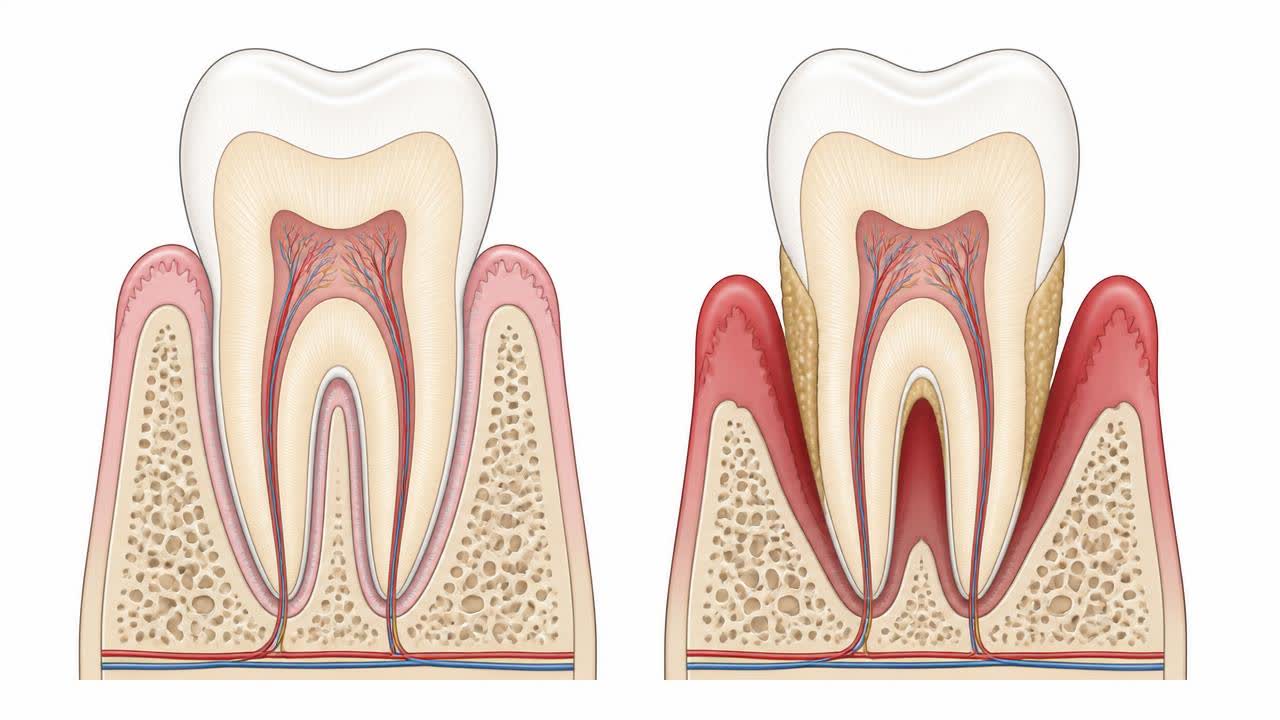
The periodontium comprises four primary tissues that anchor each tooth into the jaw: the gingiva (gum tissue), the periodontal ligament (a specialised fibrous network), the cementum (a calcified layer coating the root surface), and the alveolar bone (the socket housing the tooth). In healthy tissues, the gingiva forms a tight biological seal around the neck of the tooth. Chronic periodontal disease disrupts this attachment apparatus, creating pathological spaces known as periodontal pockets where subgingival bacterial biofilm proliferates, triggering chronic inflammation and irreversible loss of supporting alveolar bone.
When diabetes mellitus is present, particularly if blood glucose levels are poorly regulated, this inflammatory destruction accelerates significantly. Hyperglycaemia leads to the formation of advanced glycation end-products (AGEs), which bind to specific cell receptors (RAGE) throughout the periodontal tissues. This interaction induces severe oxidative stress, impairs the function of immune cells such as neutrophils, and upregulates pro-inflammatory chemical messengers. For individuals undergoing periodontal surgery diabetes creates unique biological considerations, as microvascular changes alter tissue perfusion and cellular repair mechanisms within the surgical site.
The relationship between diabetes and periodontitis is bidirectional. Severe periodontal infection impairs insulin sensitivity and destabilises metabolic control, while uncontrolled glycaemia worsens the severity and progression of periodontal breakdown. When conservative non-surgical therapy fails to resolve deep periodontal pockets, surgical intervention becomes necessary to re-establish access for thorough debridement and, where feasible, regenerate lost bone and ligament. Understanding this interplay is fundamental when preparing for surgical periodontal therapy.
Pre-Operative Diagnostics, Staging, and Glycaemic Assessment
Before scheduling surgical intervention, a rigorous periodontal assessment is conducted. This involves full-mouth periodontal charting using a calibrated periodontal probe to measure probing pocket depths, clinical attachment loss, bleeding on probing, furcation involvement, and tooth mobility at six sites per tooth. High-resolution intraoral periapical radiographs and bitewings, or targeted cone-beam computed tomography (CBCT) where multi-rooted teeth or complex regenerative anatomy require three-dimensional analysis, evaluate the pattern and extent of alveolar bone loss.
Under the 2017 World Workshop Classification of Periodontal and Peri-Implant Diseases (developed jointly by the European Federation of Periodontology and the American Academy of Periodontology), diabetes is recognized as a specific grade modifier. A patient who would otherwise be classified as Grade B (moderate rate of progression) is automatically shifted to Grade C (rapid rate of progression) if their glycated haemoglobin (HbA1c) is 7.0% (53 mmol/mol) or higher, reflecting the heightened risk of progressive destruction and compromised healing.
Medical clearance involves an up-to-date laboratory assessment of HbA1c, fasting blood glucose, and, where applicable, self-monitored blood glucose diaries. While elective periodontal surgery is generally considered safe when HbA1c is below 7.0% to 7.5%, surgery in patients with an HbA1c exceeding 8.0% (64 mmol/mol) is typically deferred. In such instances, the dental team liaises directly with the patient's general medical practitioner, diabetologist, or endocrinologist to optimise glycaemic therapy before undertaking elective surgical incisions.
Clinical Presentation and Indications for Gum Surgery
Periodontal disease in individuals with diabetes often presents with persistent gingival erythema (redness), oedema (swelling), recurrent bleeding on brushing, and noticeable gingival recession leading to tooth elongation. Patients frequently report persistent halitosis (bad breath), intermittent dull aching within the alveolar bone, altered taste sensations, and increasing tooth mobility or migration. When periodontal abscesses develop, localized swelling and purulent discharge (pus) may arise abruptly, signalling severe, acute breakdown of the periodontal attachment.
Non-surgical periodontal therapy—comprising subgingival scaling and root surface debridement—serves as the mandatory first step. However, when residual periodontal pockets remain at depths of 6 millimetres or greater with persistent bleeding on probing, surgical intervention is indicated. In deep, tortuous, or intrabony defects, closed mechanical instrumentation cannot reliably clear deep bacterial biofilms and calculus from root concavities and furcation areas (where tooth roots branch), necessitating direct surgical exposure.
The primary goal of periodontal surgery in diabetic patients is to establish cleansable root surfaces, eliminate deep niches that harbour pathogenic bacteria, and arrest progressive bone destruction. Depending on the anatomical defect, the surgeon may aim to recontour uneven bone or reconstruct lost periodontal structures. Proceeding with surgery, however, requires careful clinical staging and confirmation that the patient's diabetes is sufficiently stabilised to tolerate surgical stress.
Surgical Modalities: Open Debridement, Resection, and Regeneration
Several periodontal surgical techniques may be employed depending on the morphology of the supporting bone defects. The most common baseline procedure is open flap debridement (also known as access flap surgery). The periodontist carefully elevates the gingiva away from the teeth and alveolar bone, providing direct visual access to thoroughly clean root surfaces, remove persistent subgingival calculus, and debride chronic inflammatory granulation tissue before replacing and suturing the flaps.
In areas with irregular, horizontal bone resorption, resective osseous surgery may be utilised to recontour the uneven bone margins and position the gingiva more apically, thereby eradicating deep pockets and enabling straightforward plaque control. However, when vertical (intrabony) defects are present, regenerative periodontal surgery is often the treatment of choice. This entails placing specialised osteoconductive bone graft substitutes, bioactive materials (such as enamel matrix derivative), and resorbable collagen barrier membranes to guide the regeneration of new bone, cementum, and periodontal ligament fibers.
The choice of surgical technique in diabetic patients requires conservative clinical judgment. Regenerative procedures rely on undisturbed microvascular clot stability and primary soft-tissue closure. In patients with borderline glycaemic control or microangiopathy, extensive regenerative procedures may carry an elevated risk of flap dehiscence (wound separation) or graft exposure. In such cases, minimally invasive surgical techniques (MIST) using magnification and micro-instruments are favoured to minimise tissue trauma and preserve local vascular supply.
Step-by-Step Surgical Appointment Protocol for Diabetic Patients
Preparing for the surgical appointment involves precise scheduling and medical coordination. Appointments are routinely booked in the morning, approximately one to two hours after the patient has consumed a normal, balanced breakfast and taken their prescribed anti-hyperglycaemic medications or basal insulin. This timing corresponds with peak endogenous cortisol levels, which helps stabilise blood glucose and lowers the probability of an acute intraoperative hypoglycaemic event.
Upon arrival, the surgical team performs a baseline point-of-care capillary blood glucose test. If glucose levels fall below 3.9 mmol/L (70 mg/dL) or exceed 13.9 mmol/L (250 mg/dL), elective surgical procedures are postponed until the metabolic state is stabilised. Once safety is verified, profound local anaesthesia is administered using agents with an appropriate concentration of vasoconstrictor (such as 2% lidocaine with 1:80,000 or 1:100,000 adrenaline) to ensure profound analgesia and maintain clear surgical haemostasis without triggering systemic hypertensive spikes.
The periodontist makes conservative, sharp incisions along the gingival margin, gently reflecting the mucoperiosteal flap. Root debridement is performed with ultrasonic instruments and specialised curettes, followed by defect treatment or graft placement as indicated. The site is irrigated thoroughly with sterile saline to clear debris. Finally, the soft tissues are repositioned and secured with fine, non-absorbable or slowly absorbable sutures under minimal tension, ensuring stable primary closure to protect the underlying vascular coagulum.
Evidence and further reading
The therapeutic principles governing periodontal surgery in patients with diabetes are underpinned by extensive clinical research and international consensus guidelines. Landmark consensus reports from the European Federation of Periodontology (EFP) and the American Academy of Periodontology (AAP), notably the 2017 World Workshop Classification, formally recognise diabetes as a primary grade modifier in periodontitis. Collaborative position statements from the International Diabetes Federation (IDF) and the EFP further underscore the bidirectional nature of the relationship, confirming that active periodontal inflammation exacerbates insulin resistance.
Extensive systematic reviews in the Journal of Clinical Periodontology and the Cochrane Database of Systematic Reviews demonstrate that mechanical periodontal therapy, when accompanied by effective plaque control and stable metabolic parameters, leads to meaningful reductions in probing pocket depths and clinical attachment gains comparable to those seen in non-diabetic individuals. These reviews also highlight that periodontal resolution can contribute to modest improvements in overall glycaemic control, lowering HbA1c by clinically meaningful margins.
Guidance from the National Institute for Health and Care Excellence (NICE) and the American Dental Association (ADA) emphasises multidisciplinary collaboration between primary dental practitioners, periodontists, and diabetologists. Current evidence reaffirms that while poorly controlled diabetes increases the hazard of surgical complications and delayed healing, well-controlled or moderately controlled diabetes (with HbA1c managed within individualised target ranges) is not an absolute contraindication to essential periodontal surgery.
Systemic Risk Factors, Glycaemic Mechanisms, and Lifestyle Variables
Surgical outcomes in periodontal therapy depend heavily on systemic host factors, among which sustained hyperglycaemia is paramount. Elevated glucose concentrations in the blood and gingival crevicular fluid compromise macrophage function and fibroblast proliferation, significantly delaying collagen synthesis during wound repair. In addition to glycaemic variability, co-existing systemic conditions—such as cardiovascular disease, renal impairment, and hypertension—often present in long-standing diabetes and influence surgical safety, anaesthetic choices, and pharmacological management.
Lifestyle habits further modify surgical risk and periodontal tissue response. The use of tobacco products, whether smoked or smokeless, dramatically increases the failure rate of surgical interventions. In South Asian communities, the widespread use of areca nut, paan (betel quid), and gutka poses distinct biological hazards. These substances induce local microvascular constriction, promote oral submucous fibrosis, and impair gingival fibroblast vitality, which compounded with diabetes, substantially degrades surgical wound healing and increases the risk of post-operative tissue necrosis.
Dietary patterns also heavily impact pre- and post-operative success. Diets predominantly high in refined carbohydrates and sugars cause rapid postprandial glucose surges, which directly stimulate systemic inflammatory pathways. Conversely, nutritional deficits in essential micronutrients like vitamin C and zinc impair the enzymatic cross-linking of collagen. A comprehensive pre-surgical evaluation must therefore address not only blood sugar metrics but also lifestyle factors, masticatory habits, and nutritional balance.
Recovery Phase, Microvascular Healing, and Post-Operative Expectations
The post-operative healing phase in diabetic individuals requires vigilant monitoring. During the first 24 to 48 hours, a stable fibrin clot forms within the surgical site, serving as the biological matrix for migrating fibroblasts and new endothelial capillary buds. Because diabetes can impair microvascular perfusion and reduce the synthesis of type I and III collagen, the maturation of the surgical wound may take slightly longer than in non-diabetic individuals.
Patients should anticipate mild to moderate post-operative discomfort, minor localized oedema, and slight blood-tinged saliva during the first 24 hours. These normal sequelae are typically manageable with over-the-counter analgesics such as paracetamol or standard non-steroidal anti-inflammatory drugs (NSAIDs), provided there are no medical contraindications like renal impairment or active peptic ulcers. Strenuous physical exertion, rinsing vigorously, spitting, and hot liquids must be avoided during the immediate post-operative window to prevent dislodging the blood clot.
Oral hygiene protocols require specific adaptation. The surgical site should not be mechanically brushed or flossed for the first one to two weeks, or as directed by the clinician. Instead, plaque control is maintained using an antimicrobial mouthrinse, such as 0.12% to 0.2% chlorhexidine digluconate, applied gently twice daily. Interdental cleaning and normal soft-bristle brushing continue unhindered in all non-surgical quadrants to prevent widespread microbial accumulation.
Managing Complications: Infection, Delayed Healing, and Hypoglycaemia
The most critical acute complication during periodontal surgery in individuals using insulin or insulin secretagogues (such as sulfonylureas) is intraoperative hypoglycaemia. Signs include diaphoresis (cold sweats), tremors, tachycardia, dizziness, pale skin, confusion, or sudden mood changes. The clinical team must keep rapid-acting oral glucose gels readily available. If hypoglycaemic symptoms emerge, the procedure is stopped immediately, blood glucose is checked, and 15 to 20 grams of fast-acting carbohydrate are administered, repeating testing after 15 minutes.
Post-operative surgical site infections represent a notable risk when tissue glucose levels are elevated, as high local sugar concentrations promote bacterial proliferation while impairing phagocytosis. If an infection occurs, it manifests as increasing throbbing pain, persistent localized swelling beyond day three, purulent drainage along the suture line, or pyrexia (fever). In such instances, thorough irrigation, mechanical debridement, and targeted systemic antibiotic therapy based on clinical microbiology guidelines become necessary.
Delayed wound healing and wound dehiscence (separation of the flap edges) occur more frequently in the presence of microangiopathy and advanced glycation end-products. If flap edges separate and expose bone or regenerative materials, aggressive surgical re-closure is generally avoided. Instead, the area is managed conservatively with topical antiseptic rinses, gentle surface cleaning, and close clinical monitoring until secondary epithelialisation covers the exposed defect.
Long-Term Periodontal Maintenance and Prevention Strategies
Periodontal surgery provides access to arrest active disease, but long-term preservation of supporting bone depends entirely on ongoing periodontal supportive care. Because diabetic individuals retain a heightened systemic susceptibility to inflammatory breakdown, they require a tailored, intensive maintenance recall interval—typically every 3 months. These visits involve meticulous pocket probing, selective subgingival debridement, assessment of bleeding indices, and reinforcement of bespoke oral hygiene techniques.
Daily home care requires dedicated mechanical plaque removal utilizing an electric toothbrush or a soft manual brush combined with properly sized interdental brushes or water flossers. Chemical plaque control should only supplement, never replace, mechanical biofilm disruption. In addition, patients must eliminate all forms of tobacco, paan, and gutka, as continued use severely degrades both periodontal stability and systemic glycaemic control over time.
Close communication between the dental professional and the medical physician remains essential throughout the patient's lifespan. Improvements in periodontal health achieved through successful surgical and supportive therapy can favorably influence systemic insulin sensitivity, frequently leading to modest reductions in glycated haemoglobin. Maintaining rigorous oral hygiene is therefore a critical component of holistic diabetes self-management.
Critical Red Flags: When to Seek Urgent Clinical Attention
While mild discomfort and slight swelling are expected after periodontal surgery, certain clinical signs indicate emerging complications that necessitate immediate professional intervention. Patients must contact their surgical clinic or emergency department if they experience persistent, heavy arterial or continuous venous bleeding that does not subside after applying firm, uninterrupted pressure with a damp gauze or tea bag for 20 to 30 minutes.
Other critical red flags include rapidly spreading swelling of the face, cheek, submandibular space, or neck; difficulty swallowing (dysphagia); or difficulty breathing (dyspnoea). These symptoms suggest spreading fascial space cellulitis, an acute medical emergency requiring urgent evaluation, airway monitoring, and intravenous antimicrobial therapy. Severe pyrexia (fever above 38°C/100.4°F) accompanied by chills or systemic malaise also warrants prompt medical review.
Finally, uncontrollable fluctuations in blood glucose readings—such as persistent severe hyperglycaemia with ketones or recurring refractory hypoglycaemic episodes—require immediate medical attention. Acute systemic infections can rapidly disrupt metabolic equilibrium, demanding prompt coordinated action from both the periodontal surgical team and the patient's medical diabetes provider.
Questions patients ask us
- What HbA1c level is safe for periodontal surgery?
- Most periodontal surgeons prefer an HbA1c below 7.0% to 7.5% (53–58 mmol/mol) for elective surgical procedures. When HbA1c exceeds 8.0% (64 mmol/mol), the risk of delayed healing, wound breakdown, and post-operative infection increases markedly. In such circumstances, elective surgery is usually deferred while the patient and their medical team work to improve glycaemic control.
- Should I adjust my insulin or diabetes medication on the day of surgery?
- You should not alter your diabetes medications or insulin doses unless specifically instructed by your physician or surgeon. Gum surgery is typically performed under local anaesthesia, so you should eat your normal breakfast and take your usual morning medication. Always verify the exact protocol with your surgical team before the appointment.
- Can periodontal surgery cure my gum disease permanently?
- Periodontal surgery is not a permanent cure; it is an advanced corrective measure designed to clean inaccessible root surfaces, reduce deep pockets, and reconstruct bone. Because diabetes creates ongoing biological susceptibility, long-term disease remission requires lifelong daily plaque removal and regular professional supportive periodontal maintenance every three to four months.
- Why is morning surgery recommended for diabetic patients?
- Morning appointments are ideal because they align with peak natural cortisol production and allow the procedure to take place shortly after breakfast and morning medications. This significantly minimizes the risk of intraoperative hypoglycaemia and provides the remainder of the day to monitor healing, food intake, and blood sugar levels.
- Will gum surgery cause my blood sugar to spike afterwards?
- Transient rises in blood sugar can occur after surgery due to physiological stress, discomfort, or local tissue inflammation. In addition, dietary changes caused by tender gums can alter carbohydrate absorption. Monitoring your blood glucose more frequently during the first 48 to 72 hours post-surgery ensures you can identify and manage any unexpected fluctuations promptly.
- What should I eat during the recovery phase?
- Choose soft, nutritious, low-glycaemic foods that do not require heavy chewing or provoke sudden blood glucose spikes. Suitable options include scrambled eggs, smooth vegetable soups (served lukewarm, not hot), Greek yoghurt, soft fish, and puréed pulses. Avoid hard, crunchy, very spicy foods, and sugary nutritional drinks that cause rapid glucose elevation.
- Are antibiotics always necessary after gum surgery if I have diabetes?
- Antibiotics are not prescribed routinely for all diabetic patients undergoing periodontal surgery. If your blood glucose is well-controlled and the surgery is standard, meticulous aseptic technique is often sufficient. However, for extensive regenerative procedures or when glycaemic control is borderline, your surgeon may prescribe targeted antibiotics to reduce infection risk.
- How does using paan or gutka affect surgical healing in diabetes?
- Using paan, gutka, or areca nut severely compromises oral wound healing. These products cause localized vasoconstriction, reduce blood supply to healing tissues, and damage fibroblast function. When combined with the microvascular changes of diabetes, using smokeless tobacco dramatically increases the likelihood of wound breakdown, surgical site infection, and treatment failure.
Sources and further reading
Guidance from professional and public health bodies. Clinical decisions here are made on your own examination and radiographs.
- 1.EFP clinical practice guidelines for periodontitis — European Federation of Periodontology
- 2.Classification of periodontal and peri-implant diseases — American Academy of Periodontology
- 3.Prevention and treatment of periodontal diseases in practice — Scottish Dental Clinical Effectiveness Programme
- 4.Oral health — fact sheet and global status report — World Health Organization
- 5.Policy statements and oral health definitions — FDI World Dental Federation
- 6.Dental health — conditions, treatments and patient guidance — NHS (UK)
- 7.Systematic reviews of oral and dental interventions — Cochrane Oral Health
- 8.Regulatory framework and dental education standards in India — Dental Council of India
When to see us
Get examined without waiting if any of the following applies to you:
- Gums that bleed without provocation, or bleeding that has become heavier
- Teeth that feel loose, are drifting, or gaps that are opening up
- Persistent bad breath or taste, gum abscesses, or pus on pressing the gum
Get a written plan and cost before you commit
If this is what you are dealing with, the next step is a consultation with radiographs — gums & prevention cases are seen by the specialist who handles that field. You get a written plan and staged cost before anything begins.
reception@dramitsharmahospital.comThis article is general education and does not replace an in-person examination, radiographs or a diagnosis by a qualified dentist.
Clinical terms in this article
Related in Gums & Prevention
Bleeding Gums and Gum Disease: A Complete Guide
What bleeding gums usually mean, how gingivitis progresses into periodontal disease, and the treatment path from scaling to gum surgery.
Gum Disease: Detection and Treatment
From reversible gingivitis to periodontitis, the warning signs, staged treatment and the link to overall health.
Preventive Dentistry and Home Care
The routine that prevents most dental disease: brushing technique, interdental cleaning, diet and recall visits.
Chronic Bad Breath Caused by Gum Infection
Chronic bad breath, or halitosis, is frequently driven by underlying gum disease. Subgingival bacteria produce volatile sulphur compounds within periodontal pockets. Effective resolution requires professional periodontal debridement, targeted biofilm disruption, and meticulous daily interdental hygiene rather than cosmetic masking.
Loose Permanent Teeth from Advanced Periodontal Disease
Loose teeth from advanced gum disease occur when severe chronic inflammation destroys the supporting alveolar bone and periodontal ligament. With timely periodontal therapy, splinting, and meticulous plaque control, many loose teeth can be stabilised and preserved without extraction.
Furcation Involvement and Bone Loss Between Roots
Furcation involvement describes bone loss between the roots of multi-rooted molars caused by advanced periodontal disease. This clinical guide explains its causes, diagnostic staging, surgical and non-surgical therapies, daily maintenance, and red flag symptoms requiring urgent care.