At a glance
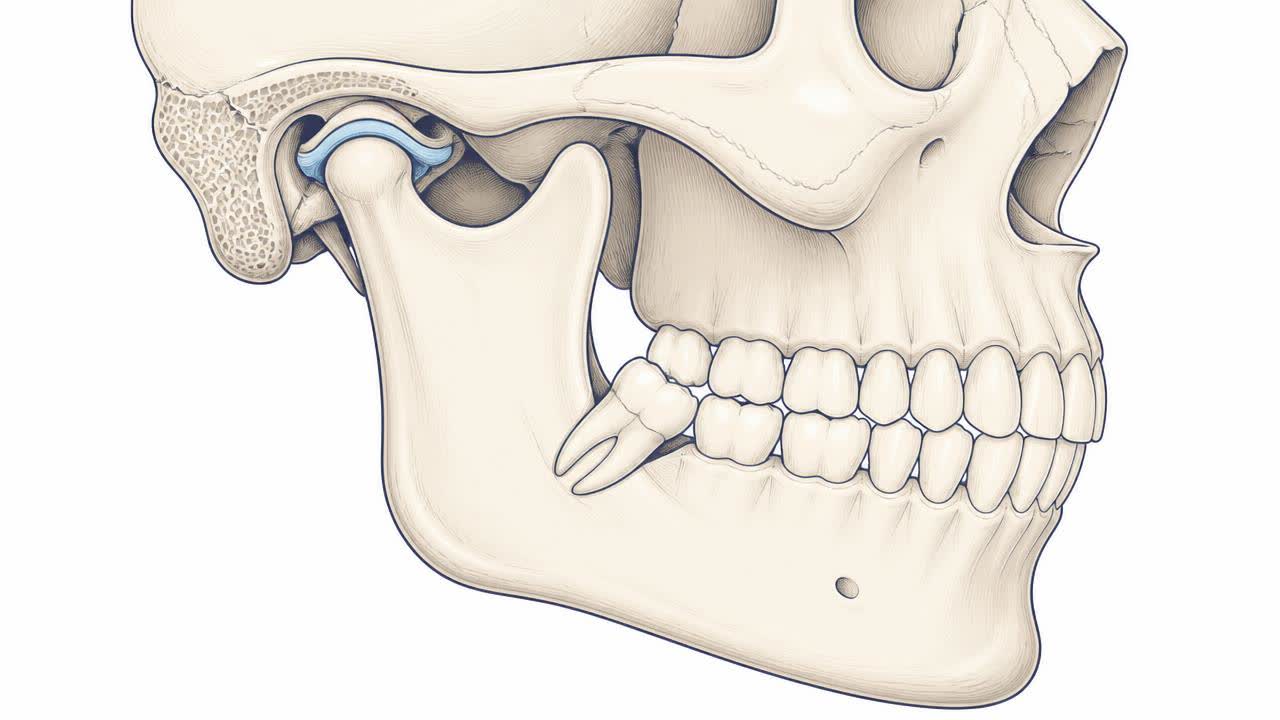
- Orthognathic surgery, often called corrective jaw surgery, is designed to fix a wide range of minor and major skeletal and dental irregularities.
- The diagnostic phase is critical for successful outcomes.
- The actual surgery is performed under general anaesthesia within a controlled hospital environment.
- Recovery after orthognathic surgery is a gradual process that requires patience and adherence to post-operative instructions.
- The primary benefit of orthognathic surgery is the resolution of long-standing functional issues.
Understanding Orthognathic Surgery
Orthognathic surgery, often called corrective jaw surgery, is designed to fix a wide range of minor and major skeletal and dental irregularities. These issues often include the misalignment of jaws and teeth, which can cause significant difficulties in daily activities like chewing, speaking, or even sleeping. Our specialist team at Dr. Amit Sharma Super Speciality Dental Hospital in Jaipur provides comprehensive assessments to determine if you are a candidate for this complex surgical treatment.
During the surgical process, an experienced maxillofacial surgeon repositions the jawbones to create a more balanced and functional bite. This procedure is typically performed in conjunction with orthodontic treatment to ensure the teeth fit together perfectly after the jaws are moved. By aligning the upper and lower jaws properly, we can dramatically improve your facial profile, long-term dental health, and overall quality of life, effectively addressing functional concerns and aesthetic goals simultaneously.
The Diagnostic Process
The diagnostic phase is critical for successful outcomes. It involves advanced imaging technology, such as 3D CBCT scans, which allow our surgeons to visualize your jaw structure in precise detail. These digital tools help us plan the exact movements required for each bone segment. Our team evaluates your bone anatomy, soft tissue profile, and bite relationship to create a personalised surgical roadmap tailored to your specific clinical needs.
We also collaborate closely with orthodontists to synchronise the surgical plan with your orthodontic treatment timeline. This collaborative approach ensures that the teeth are precisely positioned in the bone before the jaw surgery takes place. By integrating digital planning with clinical expertise, we can predict your final results with high accuracy. This thorough preparation minimises risks, improves surgical precision, and provides a clear expectation for your journey toward a healthier, more functional bite.
Surgical Techniques Involved
The actual surgery is performed under general anaesthesia within a controlled hospital environment. Surgeons gain access to the jawbone through incisions made inside the mouth, which means there are typically no visible scars on the face. Depending on the specific skeletal discrepancy, the surgeon will carefully cut the jawbone into specific segments and move them into the desired positions. These movements are secured using tiny, specialised titanium plates and screws for stability.
Techniques vary depending on whether the upper jaw, lower jaw, or both require adjustment. The goal is to move the bones to a position that achieves a stable, functional, and aesthetically pleasing result. Because we use advanced rigid fixation techniques, many patients find that their jaws are stable immediately following the procedure. This modern approach to maxillofacial surgery significantly reduces the need for prolonged intermaxillary fixation, where jaws are wired together, allowing for faster functional recovery.
Long-term Benefits
The primary benefit of orthognathic surgery is the resolution of long-standing functional issues. Many patients report improved chewing efficiency, better speech articulation, and reduced strain on the temporomandibular joint (TMJ). Furthermore, for individuals with obstructive sleep apnoea caused by a recessed jaw, this surgery can be life-changing, as it expands the airway and significantly improves breathing patterns. The procedure is an investment in both immediate function and lifelong oral health.
In addition to functional improvements, the aesthetic transformation can be profound. By correcting the skeletal base, we can achieve better facial symmetry and a profile that aligns with your features. This boost in confidence is a significant aspect of the treatment's success. If you have concerns about your jaw alignment, please contact us at Dr. Amit Sharma Super Speciality Dental Hospital on 9314403502 for a consultation to discuss your specific needs.
Recovery and Healing
Recovery after orthognathic surgery is a gradual process that requires patience and adherence to post-operative instructions. Immediately after surgery, you can expect some swelling and bruising, which typically peaks within the first few days and then subsides over several weeks. Pain is generally well-managed with prescribed medication. Our team provides detailed guidance on managing comfort, maintaining nutrition, and performing gentle oral hygiene to ensure that the healing sites remain clean and healthy.
Patients are advised to follow a specific liquid and soft-food diet for several weeks to allow the bones to heal without excessive strain. Throughout this period, regular follow-up appointments at our Jaipur hospital allow us to monitor your progress, check the surgical sites, and ensure the jaw bones are healing properly. While full skeletal healing takes a few months, most patients notice significant functional and aesthetic improvements as they resume their daily activities with renewed confidence.
Questions patients ask us
- Is orthognathic surgery painful?
- While any major surgery involves some discomfort, we prioritise pain management to ensure your recovery is as comfortable as possible. Most patients find that prescribed medication effectively controls pain during the initial healing period. Swelling is common, but discomfort typically reduces significantly after the first week of recovery.
- How long is the total treatment time?
- The total duration varies depending on your specific needs, but it often includes a period of orthodontic treatment before and after the surgery. Including the pre-surgical orthodontics, surgery, and post-surgical refinement, the process typically takes eighteen to twenty-four months. We will provide a customised timeline during your initial assessment.
- Will I have visible scars on my face?
- No, in the vast majority of cases, the surgical incisions for orthognathic procedures are made entirely inside the mouth. This approach ensures there are no visible scars on the face, allowing for a discreet recovery. Our surgeons prioritise techniques that provide excellent aesthetic outcomes without compromising access or surgical safety.
- Does health insurance cover this procedure?
- Coverage for orthognathic surgery depends on your specific insurance policy and whether the procedure is deemed medically necessary rather than purely cosmetic. We recommend reviewing your policy details and discussing them with our administrative team at the hospital. We are happy to provide the necessary documentation to support your insurance claim.
Sources and further reading
Guidance from professional and public health bodies. Clinical decisions here are made on your own examination and radiographs.
- 1.Clinical parameters of care and patient information — American Association of Oral and Maxillofacial Surgeons
- 2.Guidance on the extraction of wisdom teeth — NICE (UK)
- 3.Oral cancer — risk factors, early detection and prevention — World Health Organization
- 4.Policy statements and oral health definitions — FDI World Dental Federation
- 5.Dental health — conditions, treatments and patient guidance — NHS (UK)
- 6.Systematic reviews of oral and dental interventions — Cochrane Oral Health
- 7.Regulatory framework and dental education standards in India — Dental Council of India
When to see us
Get examined without waiting if any of the following applies to you:
- Swelling that spreads, restricts mouth opening or affects swallowing or breathing
- Numbness, altered sensation, or bleeding that will not stop after surgery
- Jaw locking, an ulcer or lump lasting more than two weeks, or a white or red patch that does not heal
Get a written plan and cost before you commit
If this is what you are dealing with, the next step is a consultation with radiographs — surgery & jaw cases are seen by the specialist who handles that field. You get a written plan and staged cost before anything begins.
reception@dramitsharmahospital.comThis article is general education and does not replace an in-person examination, radiographs or a diagnosis by a qualified dentist.
Clinical terms in this article
Related in Surgery & Jaw
Wisdom Tooth Problems: Symptoms, Impaction and When Removal Is Needed
Why wisdom teeth cause pain and swelling, what impaction means, and how to decide between monitoring and surgical removal.
Wisdom Teeth and Impactions
When third molars need removal, what impaction means, and what recovery realistically looks like.
Jaw Surgery, TMJ Disorders and Facial Trauma
Corrective jaw surgery, temporomandibular joint pain and management of facial injuries by a maxillofacial team.
Laser Periodontal Therapy Procedure Benefits and Recovery
Laser periodontal therapy, including the LANAP protocol, uses targeted wavelength lasers to treat moderate-to-severe periodontitis. This guide covers biological mechanisms, procedural stages, recovery guidelines, evidence-based outcomes, and long-term periodontal maintenance strategies.
Connective Tissue Graft Surgery for Receding Gums
Connective tissue gum graft surgery repairs severe gingival recession by transplanting donor tissue beneath receded gums. This evidence-based guide explains surgical techniques, anatomical principles, recovery timelines, clinical classifications, risks, and postoperative maintenance for optimal root coverage.
Free Gingival Graft Procedure to Thicken Gums
A free gingival graft is a proven periodontal surgical procedure designed to augment thin or deficient attached gum tissue. This comprehensive guide covers anatomical indications, surgical steps, donor and recipient healing phases, complications, and evidence-based post-operative recovery protocols.