At a glance
- Orthognathic surgery, often referred to as corrective jaw surgery, is a surgical procedure that repositions the upper jaw, lower jaw, or both, to correct significant skeletal discrepancies that cannot be resolved with orthodontic…
- Common indications include a pronounced overbite or underbite caused by disproportionate jaw growth, an open bite where the front teeth do not meet even when the back teeth are closed, facial asymmetry due to uneven jaw growth on…
- Treatment typically begins with a period of pre-surgical orthodontics, often lasting twelve to eighteen months, during which braces align the teeth within each jaw in preparation for surgery, sometimes temporarily worsening the…
- Initial recovery involves swelling, some bruising, and a period of eating a soft or liquid diet while the jaw heals, typically lasting several weeks.
What Is Orthognathic Surgery
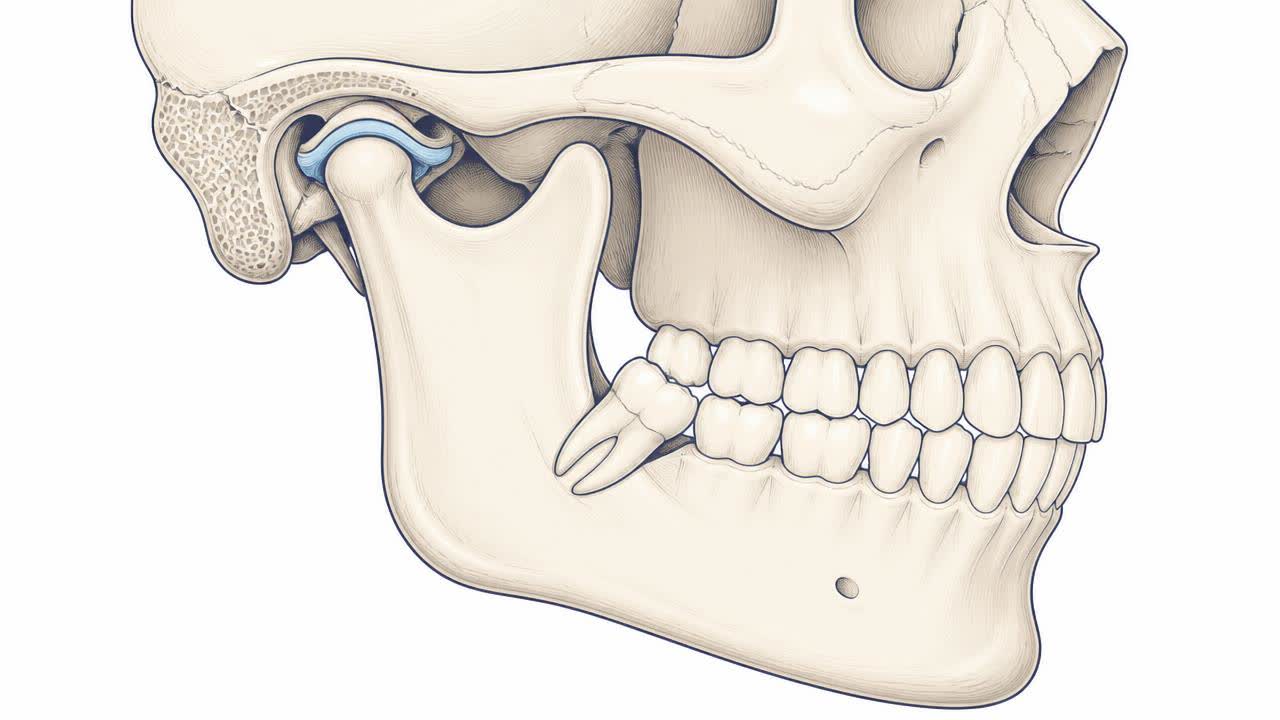
Orthognathic surgery, often referred to as corrective jaw surgery, is a surgical procedure that repositions the upper jaw, lower jaw, or both, to correct significant skeletal discrepancies that cannot be resolved with orthodontic treatment alone. It addresses issues such as an underbite, overbite, open bite, or facial asymmetry that stem from the underlying bone structure rather than simply tooth position.
This surgery is typically considered for adults or adolescents who have completed jaw growth, once orthodontic treatment alone has been assessed as insufficient to correct the bite and facial harmony, and is usually planned jointly by an orthodontist and an oral and maxillofacial surgeon.
Conditions That May Require Jaw Surgery
Common indications include a pronounced overbite or underbite caused by disproportionate jaw growth, an open bite where the front teeth do not meet even when the back teeth are closed, facial asymmetry due to uneven jaw growth on one side, and functional issues such as difficulty chewing, speaking, or breathing linked to jaw position.
Some patients also pursue orthognathic surgery to address obstructive sleep apnoea related to a recessed lower jaw, as repositioning the jaw forward can enlarge the airway and significantly improve breathing during sleep in appropriately selected cases.
The Treatment Journey
Treatment typically begins with a period of pre-surgical orthodontics, often lasting twelve to eighteen months, during which braces align the teeth within each jaw in preparation for surgery, sometimes temporarily worsening the visible bite as the teeth are decompensated from years of adapting to the skeletal discrepancy.
The surgery itself is performed under general anaesthesia in a hospital setting, with the surgeon making precise cuts in the jawbone to reposition it into the planned new position, secured with small titanium plates and screws. Advanced three-dimensional imaging and virtual surgical planning are increasingly used to improve precision and predictability of outcomes.
Recovery and Post-Surgical Care
Initial recovery involves swelling, some bruising, and a period of eating a soft or liquid diet while the jaw heals, typically lasting several weeks. Most patients require a hospital stay of one to a few days followed by several weeks of restricted activity before returning to normal routines.
Following surgical healing, a further period of orthodontic fine-tuning is usually needed to achieve the final precise bite alignment, with the entire process from initial orthodontics through to final results often spanning two years in total. The functional and aesthetic improvements, however, are typically long-lasting.
Questions patients ask us
- Is orthognathic surgery only for cosmetic improvement?
- No, while facial balance often improves noticeably, the primary purpose is functional, correcting problems with biting, chewing, speech, and in some cases breathing, that arise from significant jaw misalignment. Aesthetic improvement is generally a welcome secondary benefit of correcting the underlying skeletal issue.
- At what age can jaw surgery be performed?
- Orthognathic surgery is generally performed once jaw growth is complete, typically around sixteen to eighteen years of age, though this varies between individuals. Your surgeon and orthodontist will assess growth completion through clinical examination and imaging before recommending timing.
- Will I need braces before and after jaw surgery?
- Yes, in most cases pre-surgical orthodontics is needed to align the teeth appropriately within each jaw before surgery, followed by a shorter period of post-surgical orthodontics to fine-tune the bite once the jaws have healed in their new position.
- How long is the hospital stay and recovery period?
- Most patients stay in hospital for one to a few days following surgery, with initial swelling and dietary restrictions lasting several weeks. Return to work or study is often possible within two to three weeks, though full healing continues for several months.
Sources and further reading
Guidance from professional and public health bodies. Clinical decisions here are made on your own examination and radiographs.
- 1.Clinical parameters of care and patient information — American Association of Oral and Maxillofacial Surgeons
- 2.Guidance on the extraction of wisdom teeth — NICE (UK)
- 3.Oral cancer — risk factors, early detection and prevention — World Health Organization
- 4.Policy statements and oral health definitions — FDI World Dental Federation
- 5.Dental health — conditions, treatments and patient guidance — NHS (UK)
- 6.Systematic reviews of oral and dental interventions — Cochrane Oral Health
- 7.Regulatory framework and dental education standards in India — Dental Council of India
When to see us
Get examined without waiting if any of the following applies to you:
- Swelling that spreads, restricts mouth opening or affects swallowing or breathing
- Numbness, altered sensation, or bleeding that will not stop after surgery
- Jaw locking, an ulcer or lump lasting more than two weeks, or a white or red patch that does not heal
Get a written plan and cost before you commit
If this is what you are dealing with, the next step is a consultation with radiographs — surgery & jaw cases are seen by the specialist who handles that field. You get a written plan and staged cost before anything begins.
reception@dramitsharmahospital.comThis article is general education and does not replace an in-person examination, radiographs or a diagnosis by a qualified dentist.
Clinical terms in this article
Related in Surgery & Jaw
Wisdom Tooth Problems: Symptoms, Impaction and When Removal Is Needed
Why wisdom teeth cause pain and swelling, what impaction means, and how to decide between monitoring and surgical removal.
Wisdom Teeth and Impactions
When third molars need removal, what impaction means, and what recovery realistically looks like.
Jaw Surgery, TMJ Disorders and Facial Trauma
Corrective jaw surgery, temporomandibular joint pain and management of facial injuries by a maxillofacial team.
Laser Periodontal Therapy Procedure Benefits and Recovery
Laser periodontal therapy, including the LANAP protocol, uses targeted wavelength lasers to treat moderate-to-severe periodontitis. This guide covers biological mechanisms, procedural stages, recovery guidelines, evidence-based outcomes, and long-term periodontal maintenance strategies.
Connective Tissue Graft Surgery for Receding Gums
Connective tissue gum graft surgery repairs severe gingival recession by transplanting donor tissue beneath receded gums. This evidence-based guide explains surgical techniques, anatomical principles, recovery timelines, clinical classifications, risks, and postoperative maintenance for optimal root coverage.
Free Gingival Graft Procedure to Thicken Gums
A free gingival graft is a proven periodontal surgical procedure designed to augment thin or deficient attached gum tissue. This comprehensive guide covers anatomical indications, surgical steps, donor and recipient healing phases, complications, and evidence-based post-operative recovery protocols.