At a glance
- The teenage years are the most common time for full orthodontic treatment to begin, as by this stage most or all of the permanent teeth have erupted, allowing the orthodontist to assess the complete alignment and bite…
- Metal braces remain a very common and reliable choice for teenagers, offering predictable results without depending on the consistent daily compliance that removable aligners require.
- Encouraging good oral hygiene habits is particularly important during orthodontic treatment, as food trapped around brackets or under aligners can increase the risk of decay and gum inflammation if not managed properly.
- Teenagers involved in contact sports should wear a properly fitted mouthguard over their braces during play to protect both the appliance and the soft tissues of the mouth from injury.
When Teenagers Typically Need Treatment
The teenage years are the most common time for full orthodontic treatment to begin, as by this stage most or all of the permanent teeth have erupted, allowing the orthodontist to assess the complete alignment and bite relationship. Most patients start treatment somewhere between the ages of eleven and fourteen, though the ideal timing varies depending on individual dental development.
Some teenagers may have already undergone an earlier phase of interceptive treatment in childhood to address specific issues like a narrow palate or significant crowding, with the teenage years representing the second phase of comprehensive treatment once all permanent teeth are present. Others begin their only phase of orthodontic treatment during adolescence.
Choosing the Right Appliance for a Teenager
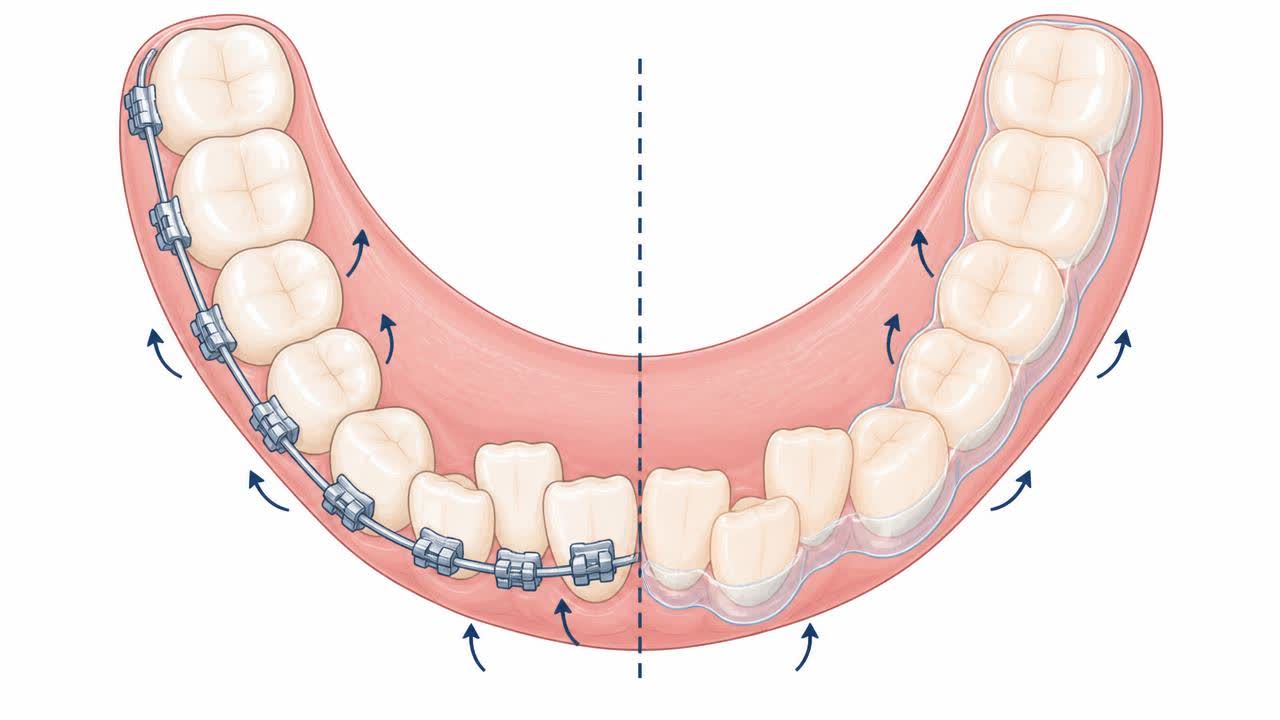
Metal braces remain a very common and reliable choice for teenagers, offering predictable results without depending on the consistent daily compliance that removable aligners require. Many teenagers today also enjoy customising their braces with different coloured elastic ties at each adjustment visit, turning the appliance into something of a personal style statement.
For teenagers who are highly motivated and responsible about wearing removable appliances consistently, clear aligners can also be an effective option, particularly for mild to moderate alignment issues. Ceramic braces offer a middle ground for teenagers who want a less visible fixed appliance without the higher level of self-discipline required for aligner compliance.
Supporting Your Teenager Through Treatment
Encouraging good oral hygiene habits is particularly important during orthodontic treatment, as food trapped around brackets or under aligners can increase the risk of decay and gum inflammation if not managed properly. Helping your teenager establish a consistent brushing and interdental cleaning routine, and reminding them to bring cleaning supplies to school if needed, can make a meaningful difference.
Attending appointments together and helping track wear time for removable appliances, if aligners are chosen, supports better treatment outcomes and helps identify any issues, such as discomfort or difficulty adjusting, early on. Open communication about any concerns your teenager has, whether about appearance, comfort, or eating certain foods, helps address problems before they affect their engagement with treatment.
Sports, Music, and Lifestyle Considerations
Teenagers involved in contact sports should wear a properly fitted mouthguard over their braces during play to protect both the appliance and the soft tissues of the mouth from injury. We can advise on suitable mouthguard options that accommodate braces without restricting normal function.
For teenagers who play wind instruments, there is often a short adjustment period after braces are fitted, during which embouchure and technique may need slight modification. Most teenagers adapt within a few weeks and return to their previous level of performance without lasting difficulty.
Questions patients ask us
- What is the best age for my teenager to start orthodontic treatment?
- Most teenagers begin comprehensive orthodontic treatment between ages eleven and fourteen, once the majority of permanent teeth have erupted. However, the ideal timing depends on individual dental development, so a consultation and assessment will provide the most accurate recommendation for your child.
- Are clear aligners a good option for teenagers?
- Clear aligners can be effective for teenagers with mild to moderate alignment issues, provided they are responsible enough to consistently wear the trays for the recommended twenty to twenty-two hours a day. For teenagers who may struggle with this level of compliance, fixed braces are often a more predictable choice.
- Can my teenager play sports with braces?
- Yes, teenagers with braces can continue playing sports, though a properly fitted mouthguard designed to accommodate the appliance is strongly recommended for any contact sport to protect the teeth, braces, and soft tissues from injury during play.
- How can I help my teenager keep their braces clean?
- Encouraging a consistent routine of brushing after meals, using interdental brushes around the brackets, and carrying a small dental care kit for school or outings can significantly improve hygiene during treatment. Regular dental check-ups also help catch and address any hygiene gaps early.
Sources and further reading
Guidance from professional and public health bodies. Clinical decisions here are made on your own examination and radiographs.
- 1.Orthodontic treatment and retention — patient resources — American Association of Orthodontists
- 2.Patient information leaflets on appliances and retention — British Orthodontic Society
- 3.Oral health — fact sheet and global status report — World Health Organization
- 4.Policy statements and oral health definitions — FDI World Dental Federation
- 5.Dental health — conditions, treatments and patient guidance — NHS (UK)
- 6.Systematic reviews of oral and dental interventions — Cochrane Oral Health
- 7.Regulatory framework and dental education standards in India — Dental Council of India
When to see us
Get examined without waiting if any of the following applies to you:
- A broken bracket, poking wire or appliance causing ulceration
- A tooth that becomes painful, loose or discoloured during treatment
- Jaw joint pain, locking or a bite that has changed suddenly
Get a written plan and cost before you commit
If this is what you are dealing with, the next step is a consultation with radiographs — orthodontics cases are seen by the specialist who handles that field. You get a written plan and staged cost before anything begins.
reception@dramitsharmahospital.comThis article is general education and does not replace an in-person examination, radiographs or a diagnosis by a qualified dentist.
Clinical terms in this article
Related in Orthodontics
Aligners and Braces: Choosing the Right Option
Metal, ceramic and clear aligner treatment compared, duration, visibility, cost and suitability.
Tooth Extraction for Braces or Severe Crowding Issues
Orthodontic extractions involve the planned removal of select teeth to resolve severe crowding, correct bimaxillary protrusion, and balance dentoalveolar proportions. This clinical guide details diagnostic indications, extraction patterns, procedural steps, recovery, risks, and evidence-based non-extraction alternatives.
Maxillary Osteotomy for Open Bite Alignment and Correction
Maxillary osteotomy for open bite corrects severe vertical skeletal discrepancies through surgical repositioning of the upper jaw. Combined with orthodontics, this procedure restores chewing function, improves speech articulation, and ensures long-term occlusal and facial stability.
Surgically Assisted Rapid Palatal Expansion for Adult Palate Widening
Surgically assisted rapid palatal expansion (SARPE) is a combined orthodontic and surgical treatment designed to correct severe transverse maxillary deficiency in skeletally mature adults, widening the narrow upper jaw to restore functional occlusion, stability, and airway volume.
Surgical Exposure and Bracket Bonding for Impacted Canine Teeth
This clinical guide details impacted canine exposure surgery and bracket bonding. It explains anatomical causes, CBCT diagnostic pathways, open versus closed surgical techniques, orthodontic traction mechanisms, recovery protocols, and evidence-based strategies to manage complications.
Overbite vs Overjet: Key Differences and Correction Methods
This clinical guide clarifies the distinction between overbite (vertical overlap) and overjet (horizontal protrusion). It examines their aetiology, diagnostic pathways, classification, and evidence-based orthodontic and surgical correction methods across paediatric and adult populations.