At a glance
- Metal-free dentistry covers a range of materials including composite resin fillings, ceramic inlays and onlays, and all-ceramic crowns and veneers made from zirconia or lithium disilicate, all designed to replace older amalgam…
- The most common reason patients request metal-free options is aesthetics, particularly for visible teeth where a silver filling or a metal crown margin would be noticeable when smiling or laughing.
- Patients sometimes ask about replacing old amalgam fillings or metal crowns purely for cosmetic reasons.
- The choice between composite, E-max, or zirconia depends on the location of the tooth, the size of the restoration needed, and your bite forces.
What Metal-Free Options Are Available
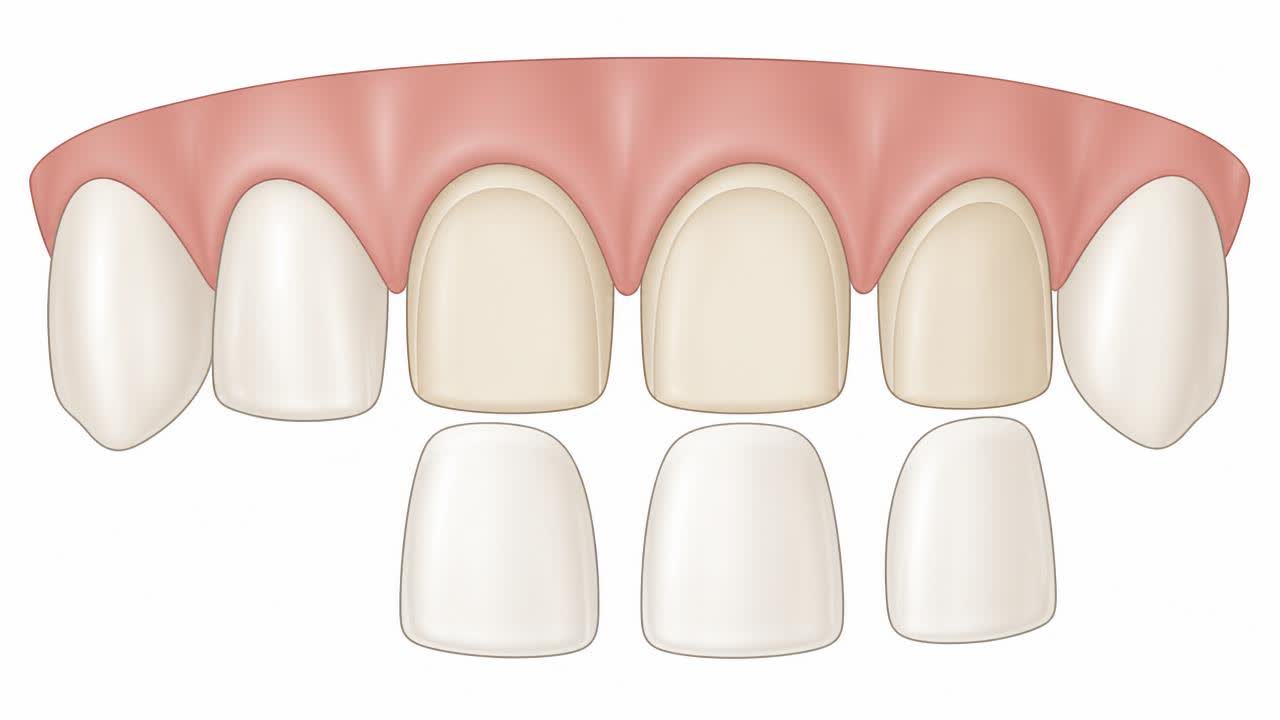
Metal-free dentistry covers a range of materials including composite resin fillings, ceramic inlays and onlays, and all-ceramic crowns and veneers made from zirconia or lithium disilicate, all designed to replace older amalgam fillings and metal-based crowns with tooth-coloured alternatives.
These materials have matured considerably over the past two decades, and modern ceramics now offer strength and longevity that rival or, in many cases, match traditional metal restorations for most clinical situations, while providing a significantly more natural appearance.
Why Patients Choose Metal-Free Restorations
The most common reason patients request metal-free options is aesthetics, particularly for visible teeth where a silver filling or a metal crown margin would be noticeable when smiling or laughing. Metal-free restorations blend with the natural tooth colour, which many patients find important for their confidence.
Some patients also prefer to avoid metal in the mouth due to personal preference or reported sensitivities, and while true metal allergies affecting dental materials are uncommon, we take any such concerns seriously and discuss suitable alternatives during the consultation.
Replacing Old Metal Restorations
Patients sometimes ask about replacing old amalgam fillings or metal crowns purely for cosmetic reasons. This is a reasonable request, but we explain that removing an existing intact restoration does carry some risk of further reducing healthy tooth structure, so we weigh the cosmetic benefit against this consideration honestly before proceeding.
Where an old metal restoration is already failing, showing decay underneath, or causing a visible grey shadow through the tooth, replacing it with a ceramic alternative often serves both a functional and cosmetic purpose at the same time.
Choosing the Right Metal-Free Material
The choice between composite, E-max, or zirconia depends on the location of the tooth, the size of the restoration needed, and your bite forces. Your dentist will explain these trade-offs clearly, since no single material is the best choice for every situation across the mouth.
We aim to match the restoration to your specific clinical need rather than defaulting to the most expensive option, ensuring you receive a solution that is both durable and appropriately priced for its purpose.
Questions patients ask us
- Is metal-free dentistry more expensive?
- Ceramic and composite materials generally cost more than traditional metal amalgam fillings due to material and laboratory costs, but the price difference is often worthwhile for visible teeth given the significant aesthetic benefit.
- Are metal-free restorations as strong as metal ones?
- Modern ceramics such as zirconia can match or exceed the strength of traditional metal restorations for most situations, though your dentist will recommend the most suitable material based on the specific tooth and bite forces involved.
- Should I replace all my old metal fillings?
- Not necessarily. If an old filling is intact, functioning well and not causing any problems, there is often no clinical need to replace it purely for cosmetic reasons unless it bothers you significantly or shows signs of failure.
- Can children have metal-free fillings?
- Yes, tooth-coloured composite fillings are commonly used for children's teeth today and are generally well suited to the smaller cavities typical in paediatric dentistry, alongside stainless steel crowns in some specific situations for badly damaged baby teeth.
Sources and further reading
Guidance from professional and public health bodies. Clinical decisions here are made on your own examination and radiographs.
- 1.Whitening, bonding and veneers — patient information — American Dental Association
- 2.Guidance on tooth whitening and cosmetic dental treatment — British Dental Association
- 3.Oral health — fact sheet and global status report — World Health Organization
- 4.Policy statements and oral health definitions — FDI World Dental Federation
- 5.Dental health — conditions, treatments and patient guidance — NHS (UK)
- 6.Systematic reviews of oral and dental interventions — Cochrane Oral Health
- 7.Regulatory framework and dental education standards in India — Dental Council of India
When to see us
Get examined without waiting if any of the following applies to you:
- Sensitivity or pain that continues for more than a few days after cosmetic work
- A veneer, crown or bonded restoration that has chipped, debonded or feels high in the bite
- Gum inflammation or dark margins developing at the edge of a restoration
Get a written plan and cost before you commit
If this is what you are dealing with, the next step is a consultation with radiographs — cosmetic & smile design cases are seen by the specialist who handles that field. You get a written plan and staged cost before anything begins.
reception@dramitsharmahospital.comThis article is general education and does not replace an in-person examination, radiographs or a diagnosis by a qualified dentist.
Clinical terms in this article
Related in Cosmetic & Smile Design
Dental Crowns and Bridges: What They Are and When You Need One
How crowns and bridges restore damaged or missing teeth, the materials used, and what the process and aftercare involve.
Teeth Whitening and Tooth Stains: Causes and Treatment Options
Why teeth discolour over time, the difference between surface stains and deeper discolouration, and how professional whitening compares with home options.
Smile Makeover and Digital Smile Design
How veneers, bonding, whitening and gum contouring are combined into one planned cosmetic outcome.
Teeth Whitening: What Actually Works
In-office versus home whitening, realistic expectations, sensitivity management and what whitening cannot fix.
Black Triangles Between Teeth Causes and Treatment
Open gingival embrasures, commonly called black triangles between teeth and gums, occur when the interdental papilla recedes. Explore the anatomical causes, clinical classifications, restorative and orthodontic treatments, and long-term periodontal maintenance strategies.
Internal Tooth Bleaching for Discolored Nonvital Teeth
Internal tooth bleaching after root canal treatment is a conservative endodontic procedure that lightens intrinsically discoloured, non-vital teeth from within the pulp chamber, restoring natural aesthetics without requiring extensive structural removal for crowns or veneers.