At a glance
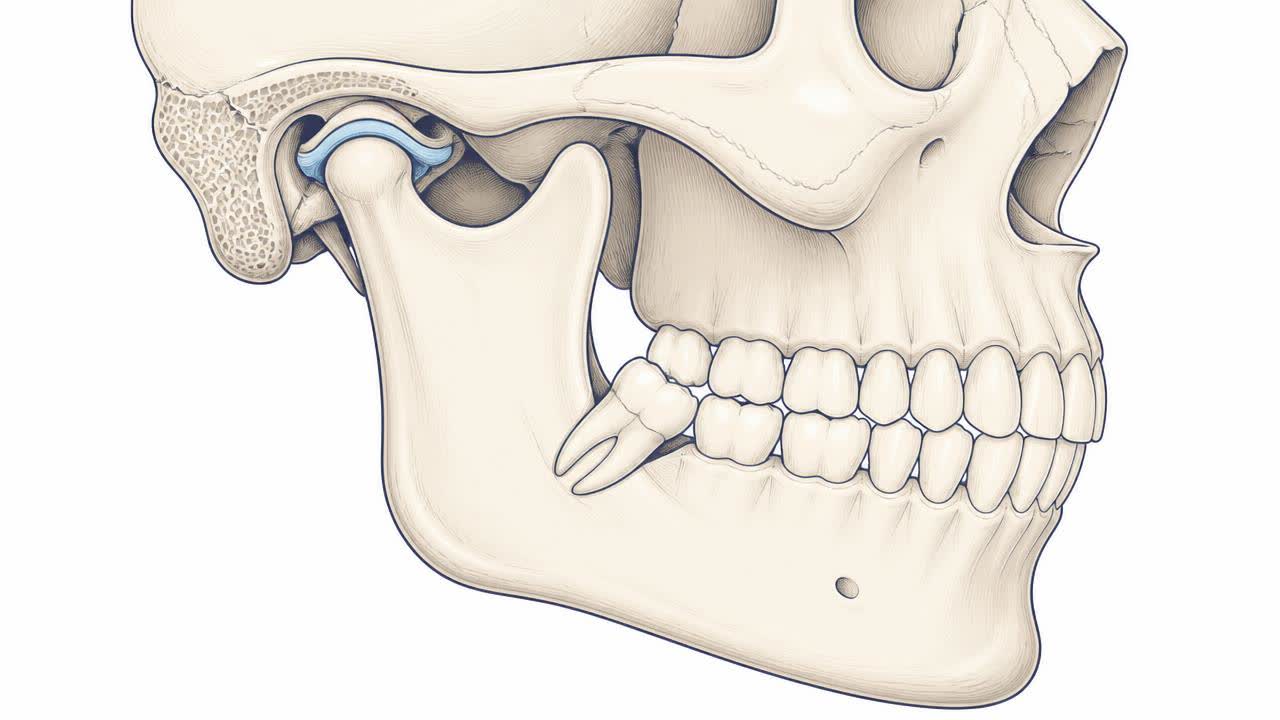
- Medication-related osteonecrosis of the jaw, often referred to as MRONJ, is a condition where bone in the jaw is exposed and fails to heal correctly, typically following a dental procedure or injury.
- The early signs of medication-related necrosis can be subtle.
- Planning dental care for patients on these medications requires a tailored, conservative approach.
- If necrosis does occur, expert care is essential.
- For patients on medications associated with bone health, regular dental monitoring is not optional; it is a critical component of your overall health strategy.
Understanding Medication-Related Necrosis
Medication-related osteonecrosis of the jaw, often referred to as MRONJ, is a condition where bone in the jaw is exposed and fails to heal correctly, typically following a dental procedure or injury. It is most commonly associated with certain medications used for bone density, such as bisphosphonates, which can impair the jaw bone's natural ability to remodel and repair itself effectively over time.
This condition is rare but serious, and it is a major reason why medical history, including all past and current medication use, is absolutely critical in every dental visit. Recognising the potential for this issue allows us to take a proactive approach to your care. By screening patients and managing dental treatments with the utmost caution, we can greatly reduce the risk and ensure that your bone health remains protected and stable.
Recognising the Early Warning Signs
The early signs of medication-related necrosis can be subtle. Patients might experience non-healing sores in the mouth, exposed bone, or persistent pain that does not respond to standard treatments. Sometimes there is no pain at all, but the gums may look swollen, or the teeth might feel loose for no apparent reason. Because these symptoms can be overlooked, knowing what to look for and communicating any changes to your dentist is very important.
We ask that any patient who has been prescribed bone-strengthening medications inform their dental team immediately. By having this information, we can carefully plan any dental treatments to be as gentle as possible and monitor for any warning signs. This open communication is essential for the early detection and management of the condition, allowing us to intervene quickly if any issues develop and ensuring that the risk of serious complications is kept as low as possible.
Proactive Dental Care Planning
Planning dental care for patients on these medications requires a tailored, conservative approach. Before starting any treatment that involves the bone—such as extractions or implant placement—we conduct a thorough risk assessment. We may recommend a conservative plan that focuses on prevention and maintaining the health of existing teeth, minimising the need for invasive surgical procedures whenever possible, and always prioritising the long-term safety of your jaw bone.
If a procedure is absolutely necessary, we take every precaution to ensure it is performed under strict sterile conditions and with the least amount of trauma to the bone. This might involve additional healing time, antibiotics, or closer monitoring post-surgery. This approach ensures that we provide the care you need while significantly reducing the risk of complications, keeping your health as our primary concern at every stage of the treatment process.
Management and Expert Care
If necrosis does occur, expert care is essential. Treatment focuses on managing the affected area, preventing further infection, and supporting the healing of the bone. This might include specialised cleaning, mouth rinses, and, in more severe cases, minor surgery to remove the affected tissue. We work closely with other specialists, such as your prescribing physician, to ensure that your overall medical and dental care are perfectly synchronised, providing you with the most effective management strategy.
The goal is always to stabilise the area and promote the health of the surrounding bone. With expert care, many patients see their condition stabilise and the area remain comfortable and infection-free. Our team at Dr. Amit Sharma Super Speciality Dental Hospital is highly experienced in managing this condition, and we are committed to providing you with the most advanced, safe, and effective care plan available, ensuring your long-term health and comfort.
Importance of Regular Monitoring
For patients on medications associated with bone health, regular dental monitoring is not optional; it is a critical component of your overall health strategy. We keep a close eye on your dental health, checking for any changes in the gums or bone at every single visit. This consistent monitoring allows us to detect and manage any small issues before they develop into larger, more challenging problems, providing peace of mind and proactive protection.
If you are taking medications for osteoporosis or other bone-related conditions, please make sure your dental team is fully informed of your medication history. We are here to help you navigate these risks and ensure you receive the high-quality care you need. Contact us at 9314403502 to schedule a consultation. We are dedicated to providing the expert guidance and clinical support required to manage your oral health safely and effectively.
Questions patients ask us
- What medications are associated with jaw necrosis?
- Medications commonly associated with this risk include bisphosphonates and certain monoclonal antibodies, often used for osteoporosis or to treat complications from cancer. It is vital to tell your dentist about all medications you are currently taking or have taken in the past, even if they seem unrelated to your dental health.
- How can I reduce the risk?
- The best way to reduce the risk is through excellent oral hygiene, regular dental check-ups, and open communication with your dentist about your medical history. Maintaining healthy teeth and gums means you are less likely to need invasive procedures like extractions, which is the most effective preventive measure you can take to protect your jaw bone.
- What if I have already started the medication?
- If you are already on these medications, you should still maintain regular dental visits and tell your dentist about your treatment plan. We can adjust your dental care, focus on prevention, and monitor your jaw health closely, ensuring we manage your care safely and appropriately based on your specific medical situation.
- Can I still get dental implants?
- Dental implants for patients taking bone-modifying medications are generally approached with extreme caution, as they involve significant bone trauma. Your dentist will conduct a thorough risk assessment to determine if implants are safe for your specific situation. Often, more conservative, non-surgical alternatives are recommended to protect the long-term health and stability of your jaw bone.
Sources and further reading
Guidance from professional and public health bodies. Clinical decisions here are made on your own examination and radiographs.
- 1.Clinical parameters of care and patient information — American Association of Oral and Maxillofacial Surgeons
- 2.Guidance on the extraction of wisdom teeth — NICE (UK)
- 3.Oral cancer — risk factors, early detection and prevention — World Health Organization
- 4.Policy statements and oral health definitions — FDI World Dental Federation
- 5.Dental health — conditions, treatments and patient guidance — NHS (UK)
- 6.Systematic reviews of oral and dental interventions — Cochrane Oral Health
- 7.Regulatory framework and dental education standards in India — Dental Council of India
When to see us
Get examined without waiting if any of the following applies to you:
- Swelling that spreads, restricts mouth opening or affects swallowing or breathing
- Numbness, altered sensation, or bleeding that will not stop after surgery
- Jaw locking, an ulcer or lump lasting more than two weeks, or a white or red patch that does not heal
Get a written plan and cost before you commit
If this is what you are dealing with, the next step is a consultation with radiographs — surgery & jaw cases are seen by the specialist who handles that field. You get a written plan and staged cost before anything begins.
reception@dramitsharmahospital.comThis article is general education and does not replace an in-person examination, radiographs or a diagnosis by a qualified dentist.
Related in Surgery & Jaw
Wisdom Tooth Problems: Symptoms, Impaction and When Removal Is Needed
Why wisdom teeth cause pain and swelling, what impaction means, and how to decide between monitoring and surgical removal.
Wisdom Teeth and Impactions
When third molars need removal, what impaction means, and what recovery realistically looks like.
Jaw Surgery, TMJ Disorders and Facial Trauma
Corrective jaw surgery, temporomandibular joint pain and management of facial injuries by a maxillofacial team.
Laser Periodontal Therapy Procedure Benefits and Recovery
Laser periodontal therapy, including the LANAP protocol, uses targeted wavelength lasers to treat moderate-to-severe periodontitis. This guide covers biological mechanisms, procedural stages, recovery guidelines, evidence-based outcomes, and long-term periodontal maintenance strategies.
Connective Tissue Graft Surgery for Receding Gums
Connective tissue gum graft surgery repairs severe gingival recession by transplanting donor tissue beneath receded gums. This evidence-based guide explains surgical techniques, anatomical principles, recovery timelines, clinical classifications, risks, and postoperative maintenance for optimal root coverage.
Free Gingival Graft Procedure to Thicken Gums
A free gingival graft is a proven periodontal surgical procedure designed to augment thin or deficient attached gum tissue. This comprehensive guide covers anatomical indications, surgical steps, donor and recipient healing phases, complications, and evidence-based post-operative recovery protocols.