At a glance
- Fixed orthodontic appliances, commonly known as braces, exert precise mechanical forces to guide teeth into optimal functional and aesthetic alignment.
- The primary driver of post-adjustment soreness is sterile, force-induced inflammation within the compressed periodontal ligament.
- Orthodontic discomfort exhibits a well-documented temporal pattern.
- During follow-up examinations, the clinician must distinguish between anticipated physiological orthodontic soreness and pathological conditions affecting the dentition or periodontium.
- Understanding how to relieve braces pain after tightening requires a combination of pharmacological, physical, and behavioural interventions grounded in clinical evidence.
Orthodontic Biomechanics and Periodontal Anatomy
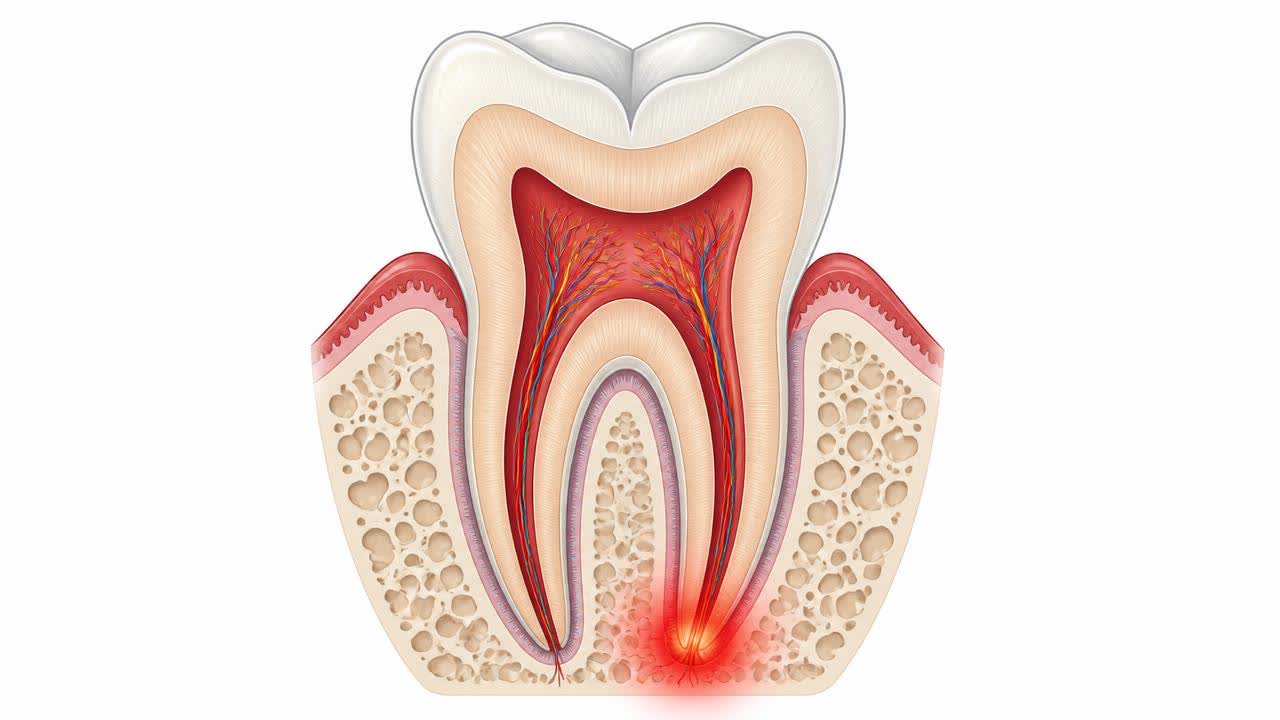
Fixed orthodontic appliances, commonly known as braces, exert precise mechanical forces to guide teeth into optimal functional and aesthetic alignment. To understand why discomfort occurs after an adjustment, one must examine the supporting structures of the dentition. Each tooth is suspended within its alveolar bone socket by the periodontal ligament (PDL), a specialised fibrous connective tissue matrix rich in collagen fibres, cellular elements, neurovascular networks, and fluid. The PDL acts as a biological shock absorber and sensory apparatus, capable of detecting minute changes in pressure and spatial orientation.
When an orthodontist tightens or activates an appliance—whether by placing a heavier archwire, engaging elastomeric ligatures, or initiating intermaxillary traction—mechanical force transmits directly through the bracket to the tooth root. This mechanical load creates two distinct micro-environments within the periodontal ligament: a compression zone and a tension zone. On the tension side, periodontal fibres stretch, stimulating osteoblasts (bone-forming cells). On the compression side, blood vessels constrict, temporarily reducing microvascular perfusion and initiating a complex cascade of inflammatory and neurogenic responses responsible for the sensation of pressure and deep, dull aching.
Orthodontic Assessment and Differential Diagnosis
During follow-up examinations, the clinician must distinguish between anticipated physiological orthodontic soreness and pathological conditions affecting the dentition or periodontium. A comprehensive assessment begins with visual and tactile inspection of the oral cavity, evaluating soft tissue integrity, appliance stability, and gingival health. Occlusal analysis is performed to ensure that teeth have not moved into premature, traumatic contact with opposing brackets or cusps, which can generate excessive, focal occlusal trauma and severe localised pain.
Diagnostic investigations, including periapical radiographs or targeted cone beam computed tomography (CBCT), may be employed if focal pain does not conform to standard orthodontic timelines. The clinician evaluates the periodontal ligament space, alveolar crest height, and root apex morphology. The differential diagnosis for post-adjustment discomfort includes irreversible pulpitis resulting from pre-existing deep restorations or subclinical trauma, acute periapical abscess, localized periodontal abscess, occlusal trauma, or traumatic mucosal ulceration caused by protruding distal wire ends. Accurate differentiation prevents unnecessary endodontic intervention while addressing genuine biological or mechanical complications.
Biological Mechanisms: Why Teeth Ache After Adjustments
The primary driver of post-adjustment soreness is sterile, force-induced inflammation within the compressed periodontal ligament. When sustained pressure exceeds capillary blood pressure (approximately 15 to 20 millimetres of mercury), local focal ischaemia (restricted blood flow) develops. In areas of extreme compression, a transient biological process known as hyalinisation occurs, wherein cells undergo temporary sterile necrosis. In response, local tissues release biochemical mediators including prostaglandins, substance P, calcitonin gene-related peptide, bradykinin, and various cytokines. These substances sensitise local mechanoreceptors and nociceptors (pain-detecting nerve endings).
This neurochemical cascade lowers the sensory threshold of peripheral nerve fibres within the PDL and the dental pulp, causing hyperalgesia (an exaggerated response to normally painful stimuli) and allodynia (pain induced by innocuous stimuli, such as light chewing or tooth-to-tooth contact). The initial phase of pain typically manifests within two to four hours following appliance activation, as inflammatory mediators accumulate in the confined periodontal space. Furthermore, continuous forces cause temporary, mild vascular engorgement within the dental pulp chamber, adding an intermittent, diffuse throbbing component to the localised periodontal tenderness.
Clinical Presentation, Pain Trajectory, and Timeline
Orthodontic discomfort exhibits a well-documented temporal pattern. Patients generally report minimal discomfort immediately following an activation appointment. However, as biochemical mediators peak within the periodontal ligament, soreness intensifies between four and twenty-four hours post-treatment. Clinical consensus indicates that post-adjustment pain reaches its maximum intensity during the first 24 to 48 hours. During this peak window, patients frequently describe a combination of constant, dull ache and acute, sharp pain triggered when attempting to masticate firm foods or occlude the dental arches.
From the third day onward, local microcirculation begins to reorganise, osteoclasts resorb the compressed bone margins, and the initial acute inflammatory response resolves into active bone remodelling. Consequently, symptoms steadily diminish, typically resolving entirely within five to seven days. The severity and duration of pain vary among individuals, influenced by age, pain threshold, psychological stress, the magnitude of force applied, and the initial degree of dental crowding. While mild, generalised tenderness is an expected physiological sequela of tooth movement, acute, unremitting, or worsening pain beyond day seven warrants clinical re-evaluation.
Evidence-Based Strategies: How to Relieve Braces Pain After Tightening
Understanding how to relieve braces pain after tightening requires a combination of pharmacological, physical, and behavioural interventions grounded in clinical evidence. From an analgesic perspective, standard first-line therapies include systemic paracetamol and non-steroidal anti-inflammatory drugs (NSAIDs) such as ibuprofen. While NSAIDs effectively inhibit cyclooxygenase (COX) enzymes and prostaglandin synthesis, some clinical literature suggests high-dose, chronic NSAID usage may theoretically slow osteoclastic bone remodelling. Therefore, paracetamol is often favoured as a primary analgesic, with short-term ibuprofen reserved for moderate breakthrough pain, provided the patient has no medical contraindications.
Non-pharmacological modalities offer substantial symptomatic relief by addressing local microvascular stasis. Masticatory bite wafers or chewing gum during the first few hours post-activation can paradoxically reduce pain; rhythmic biting momentarily displaces teeth within the PDL sockets, temporarily restoring capillary blood flow and clearing accumulated metabolic waste products. Cryotherapy, achieved through sipping ice-cold water or applying cold packs extraorally to the cheeks, induces transient vasoconstriction and numbs mucosal tissues. Topically applied anaesthetic gels containing benzocaine or choline salicylate provide targeted relief for mucosal irritations and focal gingival tender points.
What Happens During an Adjustment Appointment: Step-by-Step
An orthodontic adjustment follows a structured clinical protocol designed to progress tooth alignment systematically. The appointment begins with the clinician removing the existing elastomeric modules (o-rings) or opening the clips of self-ligating brackets. The existing archwires are disengaged, allowing for an unobstructed assessment of periodontal health, gingival inflammation, plaque accumulation, and tooth movement since the previous visit. The dental team checks the bond integrity of every bracket and buccal tube, identifying any loose attachments requiring replacement.
Next, the clinician selects and contours new archwires, progressing through calibrated cross-sectional shapes and alloy types (such as nickel-titanium, beta-titanium, or stainless steel) depending on the treatment phase. The new wire is carefully seated into the bracket slots and secured using fresh elastomeric ligatures, stainless steel ligature wires, or closing clip mechanisms. If prescribed, adjuncts such as power chains, coil springs, or intermaxillary elastics are applied. Finally, distal wire ends are trimmed flush or cinched behind the terminal molars to prevent mucosal trauma, and the patient's occlusion is verified.
Mechanical Complications and Mucosal Trauma Management
In addition to periodontal aching, mechanical trauma to the intraoral soft tissues is a frequent source of secondary post-adjustment discomfort. As teeth move along the archwire, excess wire length can protrude from the distal aspect of the terminal molar tubes, impinging upon the buccal mucosa. Similarly, bracket hooks, auxiliary attachments, and sharp ligature wire pigtails can cause mechanical abrasions, frictional erythema, and painful aphthous-like traumatic ulcers on the inner cheeks, lips, and lateral borders of the tongue.
The primary clinical strategy for managing mechanical friction is the generous application of medical-grade orthodontic relief wax or silicone barriers over offending metal edges. The bracket or wire must be thoroughly dried with a cotton pad before applying a rolled ball of wax to ensure firm adhesion. For established mucosal ulcers, warm saline rinses and topical protective pastes containing carmellose sodium or mild antimicrobial agents accelerate epithelial regeneration. If a wire has physically displaced or penetrated mucosal tissue, the patient must not attempt hazardous self-trimming with non-sterile instruments; professional orthodontic clipping is required.
Evidence and further reading
The biological mechanisms of orthodontic tooth movement and associated pain are extensively detailed in contemporary dental literature. Authoritative guidance from the British Orthodontic Society (BOS), the American Association of Orthodontists (AAO), and the European Orthodontic Society (EOS) confirms that transient discomfort is an intrinsic physiological consequence of mechanical force delivery to the periodontium. Systematic reviews in the *Cochrane Database of Systematic Reviews* and the *American Journal of Orthodontics and Dentofacial Orthopedics* emphasize that both paracetamol and short courses of ibuprofen are effective for post-adjustment analgesia, with chewing bite wafers serving as an effective non-pharmacological adjunct.
Furthermore, publications in the *Journal of Clinical Periodontology* and guidance from the World Dental Federation (FDI) highlight the critical importance of optimal plaque control in preventing secondary periodontal inflammation during active orthodontic therapy. Patients experiencing persistent or atypical symptoms should consult their registered orthodontist or general dental practitioner to ensure appropriate diagnostic verification and personalized care.
Post-Adjustment Recovery, Dietary Modifications, and Daily Care
Dietary modification during the initial 48 to 72 hours post-adjustment is vital for minimising mechanical stress on sensitised periodontal mechanoreceptors. Patients should transition to a mechanical soft diet that requires minimal masticatory force. Ideal options include well-cooked porridges, blended soups, yoghurt, mashed potatoes, scrambled eggs, and soft lentils. In cultural contexts where diets feature hard or fibrous staples—such as parathas, raw vegetables, hard rotis, murukku, or betel nuts—patients must strictly avoid these items, as excessive occlusal force directly increases periodontal strain and risks bracket debonding.
Oral hygiene maintenance must be intensified despite local tenderness. Inflammation from plaque accumulation compounds orthodontic soreness, creating a secondary gingivitis that exacerbates pain. Patients should utilise an ultra-soft or orthodontic-specific manual toothbrush, supplemented by interdental brushes to clear sub-archwire debris. Warm saline mouthwashes (half a teaspoon of salt in warm water) used three times daily promote soft tissue healing and soothe inflamed mucosa. Non-alcoholic, anti-plaque rinses can also reduce microbial load without causing chemical irritation to vulnerable intraoral tissues.
Clinical Red Flags: When to Seek Urgent Dental Care
While mild to moderate diffuse aching, tenderness during chewing, and minor mucosal irritation are anticipated physiological responses, certain clinical signs signify acute pathology requiring urgent dental assessment. A severe, localized, throbbing pain that keeps the patient awake at night and fails to respond to standard analgesics may indicate pulp necrosis or an acute periapical infection. Similarly, extreme hypersensitivity to thermal changes—particularly lingering, severe pain to heat or cold—is not normal orthodontic soreness and warrants immediate pulp vitality testing.
Other red flags include sudden facial or submandibular swelling, systemic fever, purulent discharge (pus) draining from the gingival margin, or lymphadenopathy. Excessive mobility of an individual tooth (class II or III mobility), noticeable bracket detachment combined with severe tissue impalement, or continuous bleeding from the gingiva also mandate prompt clinical intervention. Patients indulging in oral tobacco, betel quid (paan/gutka), or smoking must be particularly vigilant, as these habits alter periodontal microcirculation, mask early signs of severe tissue ischemia, and heighten infection risks.
Questions patients ask us
- How long does braces pain typically last after a tightening appointment?
- Orthodontic soreness typically begins 2 to 4 hours after an adjustment, reaches peak intensity within 24 to 48 hours, and progressively resolves over the following 3 to 7 days. By the end of the first week, normal chewing and tissue comfort are generally restored as the periodontal ligament adapts to the newly applied mechanical forces.
- Is paracetamol or ibuprofen better for relieving braces pain?
- Both analgesics are clinically effective. Paracetamol is often recommended as the primary choice because it relieves pain centrally without significantly altering peripheral inflammatory cascades necessary for bone remodelling. Ibuprofen provides potent anti-inflammatory relief for acute discomfort but should be used for short durations (1 to 2 days) to avoid potentially slowing down biological tooth movement.
- Why does chewing sometimes make braces pain feel better?
- Gentle, repetitive biting on a clean silicone bite wafer or sugar-free chewing gum within the first few hours post-tightening momentarily displaces teeth within the periodontal space. This transient displacement relieves vascular compression, temporarily restores capillary blood flow, and helps clear inflammatory mediators that trigger local pain receptors.
- What should I eat during the first few days after having my braces tightened?
- Opt for soft, nutrient-dense foods requiring minimal mastication, such as warm porridge, scrambled eggs, well-cooked lentils, yoghurt, soups, and mashed vegetables. Avoid hard, chewy, crunchy, or fibrous foods (such as nuts, crusty bread, tough meats, or crisps) that exert direct mechanical pressure on tender periodontal ligaments.
- How can I prevent brackets and wires from cutting the inside of my cheeks?
- Apply medical-grade orthodontic relief wax or orthodontic silicone directly over sharp brackets, wire ends, or hooks. Ensure the bracket surface is dry before pressing a small ball of wax into place. If a wire has shifted significantly and is puncturing soft tissue, contact your orthodontic clinic for an immediate trimming appointment.
- Is it normal for teeth to feel slightly loose after an adjustment?
- Yes, mild tooth mobility is a completely normal physiological phenomenon during orthodontic treatment. As mechanical forces compress the periodontal ligament, localised bone resorption occurs to allow tooth movement. Once the final alignment is achieved and passive retention begins, the supporting alveolar bone remineralises and teeth firm up securely.
- Can drinking cold water or eating ice cream help with braces soreness?
- Yes, local cryotherapy helps reduce post-adjustment discomfort. Cold temperatures cause transient vasoconstriction, reducing tissue oedema and numbing sensory nerve endings within the oral mucosa. Additionally, cold liquids can temporarily soften temperature-sensitive nickel-titanium archwires, slightly reducing the force they exert on teeth.
- When does braces pain indicate a genuine dental emergency?
- You should contact your dental professional immediately if you experience severe, continuous throbbing pain unresponsive to analgesics, visible facial or gum swelling, purulent discharge (pus), lingering sharp pain to hot temperatures, or a loose archwire deeply embedded within the cheek or tongue tissues.
Sources and further reading
Guidance from professional and public health bodies. Clinical decisions here are made on your own examination and radiographs.
- 1.Endodontic diagnosis terminology and treatment guidance — American Association of Endodontists
- 2.Guidelines for the management of traumatic dental injuries — International Association of Dental Traumatology
- 3.Antimicrobial prescribing for dental infection — NICE (UK)
- 4.Oral health — fact sheet and global status report — World Health Organization
- 5.Policy statements and oral health definitions — FDI World Dental Federation
- 6.Dental health — conditions, treatments and patient guidance — NHS (UK)
- 7.Systematic reviews of oral and dental interventions — Cochrane Oral Health
- 8.Regulatory framework and dental education standards in India — Dental Council of India
When to see us
Get examined without waiting if any of the following applies to you:
- Facial or neck swelling, difficulty swallowing, opening the mouth or breathing — this is an emergency
- Pain with fever, or swelling that is spreading rather than settling
- A tooth knocked out or pushed out of position after an injury — time matters
- Pain that wakes you at night or does not respond to ordinary painkillers
Get a written plan and cost before you commit
If this is what you are dealing with, the next step is a consultation with radiographs — pain & emergencies cases are seen by the specialist who handles that field. You get a written plan and staged cost before anything begins.
reception@dramitsharmahospital.comThis article is general education and does not replace an in-person examination, radiographs or a diagnosis by a qualified dentist.
Clinical terms in this article
Related in Pain & Emergencies
Tooth Pain and Sensitivity: Causes, Relief and When to See a Dentist
Why teeth hurt or react to hot and cold, the difference between everyday sensitivity and a warning sign, and what treatment usually follows.
Root Canal Treatment Explained
Why a tooth needs root canal therapy, what happens during single-sitting endodontics, and why crowns follow.
Tooth Pain and Dental Emergencies
How to identify a genuine dental emergency, what to do in the first hour, and when to call the hospital immediately.
Reversible vs Irreversible Pulpitis Symptoms and Treatment Options
Understanding reversible vs irreversible pulpitis is essential when managing dental pain. This guide explains their anatomical causes, diagnostic criteria, clinical symptoms, and evidence-based treatments ranging from conservative restorations to root canal therapy and emergency care.
Differences Between a Tooth Abscess and Gum Abscess
A dental abscess is a localised collection of pus caused by bacterial infection. Distinguishing between a tooth abscess (periapical) and a gum abscess (periodontal) is vital, as their anatomical origins, clinical presentations, diagnostic pathways, and definitive treatments differ fundamentally.
Why Tooth Pain Gets Worse When Lying Down
Experiencing toothache worse lying down typically indicates elevated pulpal or periapical pressure driven by increased cranial blood flow when supine. This guide explains pulpal anatomy, underlying causes, diagnostic pathways, evidence-based treatments, and critical red flags requiring emergency care.